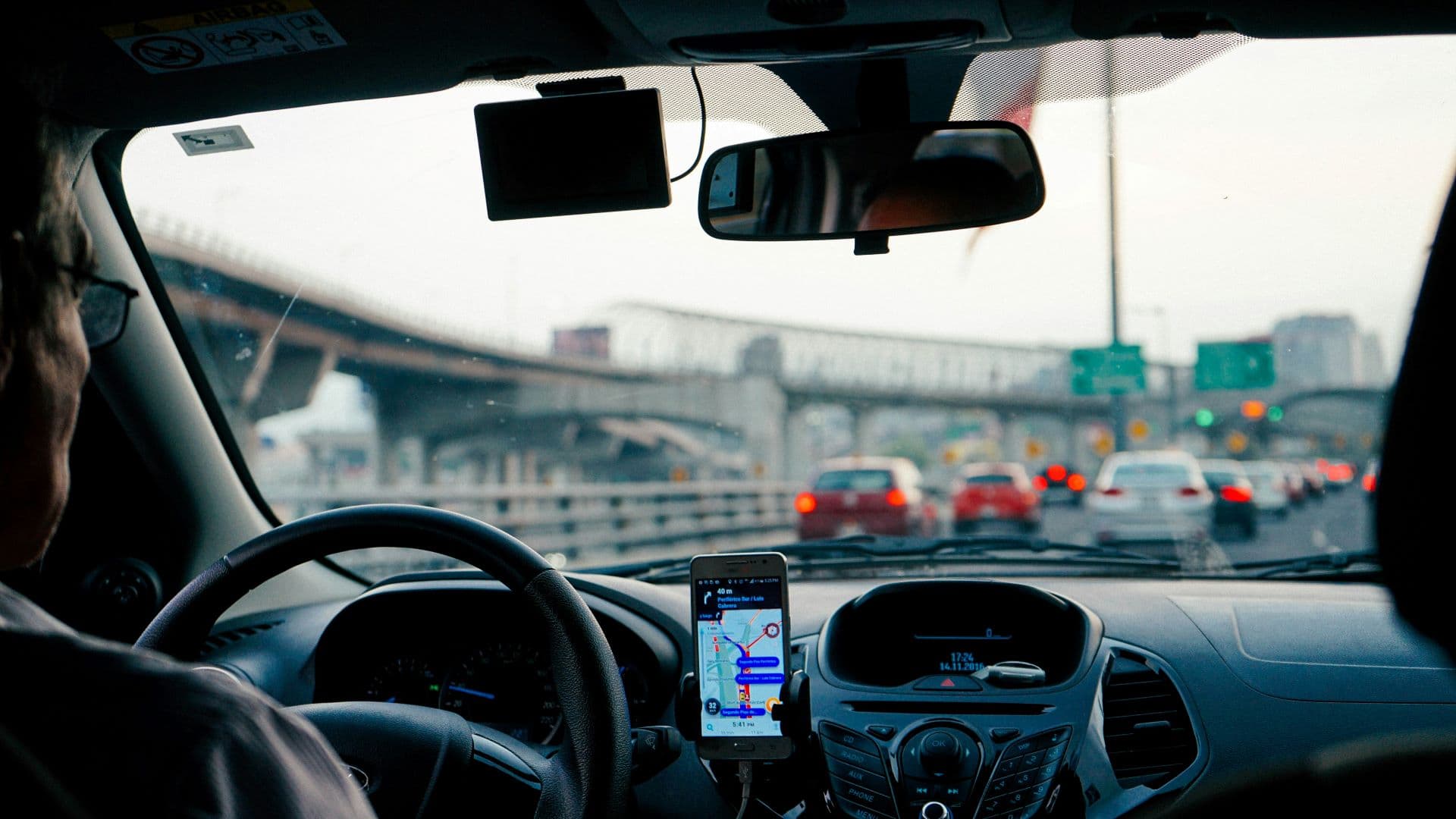
Autonomous vehicles (AVs) have evolved from a concept primarily discussed in tech and automotive circles to a genuine contender for the future of transportation. With major companies and tech giants pouring billions into the development of self-driving technology, the idea of vehicles that operate without human intervention is moving closer to becoming a reality. However, as exciting as this innovation is, thereÔÇÖs still a major barrier to overcome: public perception.
The success of autonomous vehicles relies not only on technological advancements but also on how companies market these innovations to the general public. The way AVs are advertisedÔÇöemphasizing safety, innovation, and trustÔÇöwill play a pivotal role in their acceptance. This article explores the innovative marketing strategies that companies are employing to introduce self-driving cars and normalize them as the future of driving.
Background on Autonomous Vehicle Technology
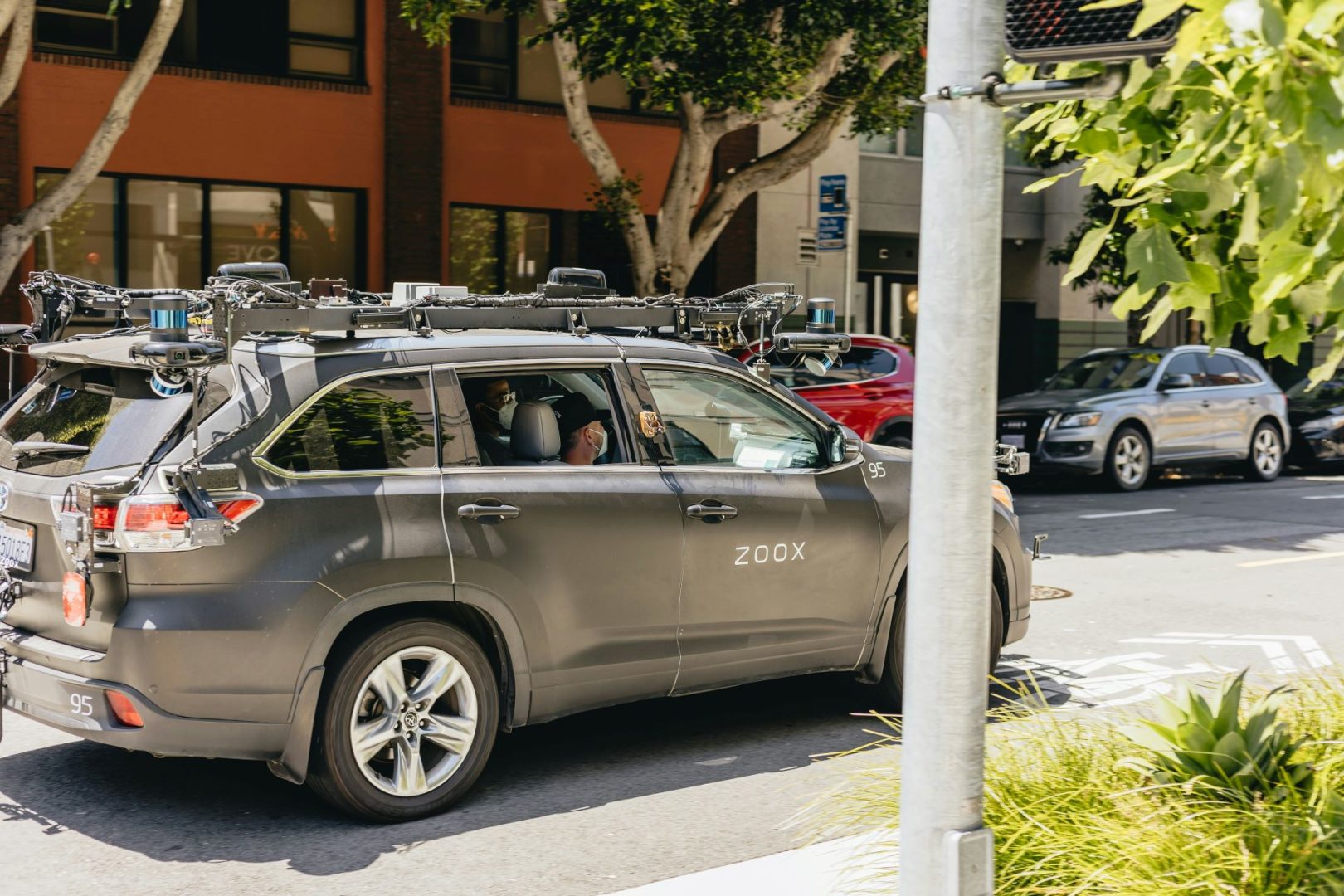
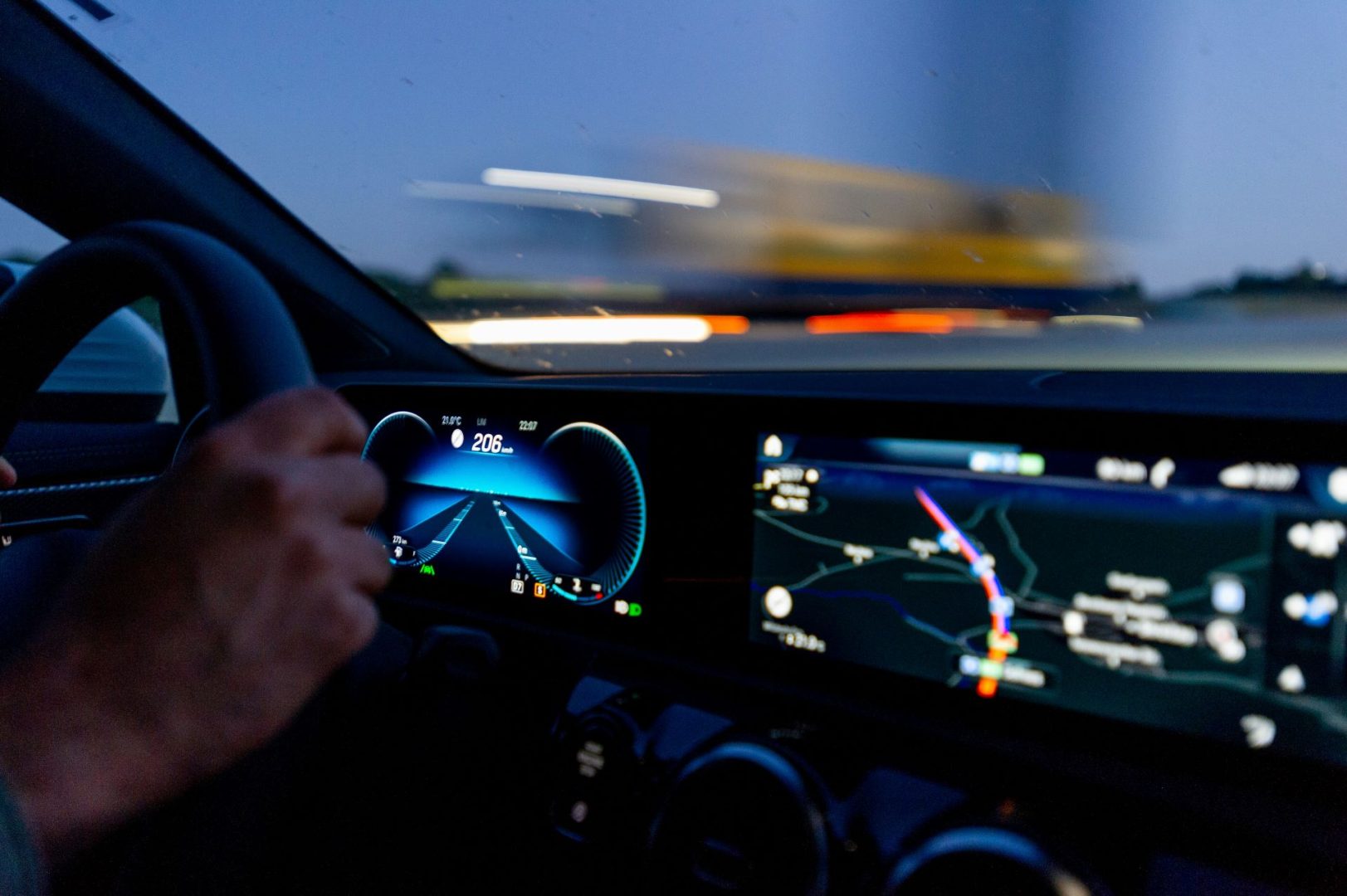
Autonomous vehicle technology is a broad and complex field, but at its core, it involves vehicles equipped with sensors, software, and AI capable of driving without human input. AVs rely on a range of systemsÔÇöradar, lidar, cameras, and GPSÔÇöcombined with advanced algorithms to navigate roads, detect obstacles, and make real-time decisions.
The Society of Automotive Engineers (SAE) has defined six levels of driving automation, from Level 0 (no automation) to Level 5 (full autonomy). Currently, most of the vehicles on the road with autonomous capabilities are at Level 2 or 3, where the driver is required to monitor the vehicle. Tesla, with its Autopilot and Full Self-Driving (FSD) capabilities, is among the most well-known companies working at these levels. Meanwhile, Waymo, GoogleÔÇÖs autonomous vehicle subsidiary, has achieved limited full autonomy with its Level 4 vehicles, which can operate without human oversight in specific areas.
Despite the advancements, there are challenges in public acceptance of autonomous vehicles. Concerns about safety, job displacement, and the need for regulatory frameworks remain prominent. These obstacles make it crucial for companies to engage in a thoughtful, transparent marketing approach.
Marketing Strategies
Branding: Crafting Trust and Futurism
In the world of autonomous vehicles, branding is paramount. As AVs are perceived as futuristic technologies, companies are focusing on creating brand identities that evoke innovation, trust, and safety. Companies like Tesla and Waymo are positioning themselves as pioneers of a new era in transportation.
Tesla's brand, under the leadership of Elon Musk, has become synonymous with innovation, not just in electric vehicles (EVs) but also in autonomous driving. The brand's marketing emphasizes a future-forward vision, often portrayed through sleek, futuristic designs and bold statements about the transformative potential of self-driving cars. Tesla's approach is highly direct, with the narrative of "changing the world" resonating with an audience eager for innovation.
Waymo, on the other hand, has adopted a different approach. Its branding focuses on the notion of safety and reliability. By promoting its autonomous vehicles as "self-driving" rather than fully autonomous, Waymo has crafted a careful narrative around trust. Their approach reflects a focus on gradual integration and transparency, ensuring that potential customers feel reassured about the technology.
Content and Messaging: The Power of Storytelling
Effective marketing often involves storytelling, and this technique is proving essential in the world of autonomous vehicles. Many companies are building narratives around the benefits of AVs, using human-centric stories to illustrate the impact of technology.
One of the most impactful strategies involves focusing on safety. By highlighting the ways AVs could reduce accidents caused by human error, companies paint a picture of safer, more reliable roads. Volvo, known for its commitment to safety, has integrated this messaging into its branding with the promise that autonomous driving features will enhance the safety of its vehicles.
Additionally, messaging often emphasizes convenience and efficiency. Self-driving cars promise to free up time for passengers, offering a glimpse of a future where commutes become productive spaces rather than stressful journeys. Companies are using these stories to not only appeal to customers' desires for technological advancement but also to address their daily pain points.
Technology Demonstrations: Building Trust Through Experience
For many people, the concept of self-driving cars is still too abstract. To overcome this, companies are actively demonstrating AV technology in action. Test rides, live demonstrations, and public trials allow consumers to experience autonomous driving firsthand, fostering a sense of trust and excitement.
Waymo has set the bar for AV demonstrations by offering public rides in its autonomous vehicles in select cities, allowing people to directly engage with the technology. By placing real people in real situationsÔÇöwithout a human driver behind the wheelÔÇöWaymo has been able to normalize the concept of self-driving cars.
Similarly, Tesla frequently uses its extensive fleet of vehicles to demonstrate autonomous capabilities. Through over-the-air software updates, the company continuously improves the self-driving features in its cars, often showcasing them in real-world environments to further promote trust and credibility.
Media and Advertising Channels
Digital and Social Media: Reaching Younger Audiences
In today's digital age, social media plays a critical role in any marketing strategy. Autonomous vehicle companies are tapping into digital platforms to reach tech-savvy, younger audiences who are more likely to be open to the concept of AVs.
Tesla's use of social media, particularly Twitter, has helped foster a devoted following. Elon MuskÔÇÖs frequent updates and discussions about the future of self-driving technology have created a sense of intimacy and anticipation, allowing Tesla to cultivate a passionate community of fans and early adopters.
Waymo, too, leverages social media for educational content and thought leadership. Its campaigns often include video testimonials and virtual demonstrations of AV technology, making it accessible to a broader audience.
Traditional Media: Making a Presence in Established Outlets
While digital media is vital, traditional outlets remain essential in the broader marketing mix. Television ads, print media, and public events allow AV companies to reach a more diverse audience, including those who may not be as engaged with digital content.
In 2020, Waymo ran a series of TV commercials in the United States to raise awareness about autonomous vehicles and their safety features. Similarly, major car manufacturers like General Motors have used TV commercials to highlight their own progress with autonomous driving technology, incorporating AVs into broader advertisements for electric and sustainable transportation.
Innovative Campaigns: Capturing Public Attention
Innovative marketing campaigns often capture public attention by breaking away from conventional strategies. For example, AudiÔÇÖs ÔÇ£The Art of ProgressÔÇØ campaign incorporated futuristic themes, blending autonomous technology with artistic expression. The use of avant-garde design and bold visual elements helped communicate AudiÔÇÖs leadership in the self-driving space while highlighting its commitment to technology and design.
Partnerships also play a key role in reaching wider audiences. By collaborating with tech companies, transportation agencies, or even academic institutions, AV companies can demonstrate their commitment to not only technological progress but also social and environmental responsibility.
Consumer Engagement and Feedback
Engaging with consumers is a vital part of the marketing process. By involving potential customers early on, AV companies can refine their products and messaging to align with the publicÔÇÖs expectations.
Many companies, including Tesla, actively engage with their users by soliciting feedback and incorporating it into product development. Focus groups, surveys, and online forums allow consumers to voice their opinions on what they expect from autonomous vehicles and what concerns they may have.
Influencer marketing is another effective tool. AV companies are partnering with well-known figures in tech and lifestyle spaces to build credibility. Testimonials from industry experts and well-respected personalities can help sway public opinion and address doubts surrounding self-driving technology.
Challenges and Future Outlook
Despite significant strides in autonomous vehicle technology, several challenges remain in the marketing of AVs. Public skepticism, regulatory hurdles, and safety concerns are persistent obstacles. Additionally, the complexity of AV technology often leads to misunderstandings, as consumers struggle to grasp its full potential.
However, as technology improves and consumer awareness increases, the marketing of AVs will likely evolve. Future campaigns may focus more heavily on the environmental benefits of autonomous driving, such as reduced emissions and more efficient use of transportation infrastructure.
As companies refine their strategies and continue to work toward a safer and more sustainable AV ecosystem, marketing efforts will play a central role in ensuring the public's acceptance and adoption of self-driving technology.
Marketing plays an instrumental role in the development and acceptance of autonomous vehicles. From futuristic branding to innovative demonstrations and engaging campaigns, AV companies are shaping the publicÔÇÖs perception of self-driving cars. While challenges remain, the future of autonomous vehicle marketing looks promising, driven by technological advancements and a growing consumer interest in the possibilities of a safer, more efficient driving experience. As AVs inch closer to becoming a common sight on the road, the way they are marketed will significantly influence their widespread adoption.
Are we ready to embrace the future of driving, or will skepticism continue to drive a wedge between us and the autonomous vehicles of tomorrow? Only timeÔÇöand marketingÔÇöwill tell.
Breyten Odendaal
Specializing in high-performance automotive advertising and digital marketing solutions, delivering cutting-edge insights and the latest news shaping the automotive industry in South Africa.
More From Advertising

Automotive Advertising in 2026: Selling Confidence in a More Competitive Market
As South Africa’s vehicle market becomes more competitive, automotive advertising needs to do more than announce a price or specification. It needs to help buyers understand value, ownership costs and why a vehicle suits their lives.

Automotive Digital Ads in South Africa: A Shift
Exploring how South Africa’s automotive advertising evolved from print and broadcast to data-driven, programmatic digital ecosystems.

The Video Shift in Car Buying Decisions in SA
Explore how video content shapes car purchase decisions in South Africa, comparing short-form and long-form strategies for automotive marketers.