
In an era where the boundaries between entertainment and commerce blur, the automotive industry is experiencing a renaissance fueled by pop culture references. From iconic movie cars to beloved TV show themes, automotive marketing is drawing inspiration from the rich tapestry of popular culture, crafting campaigns that resonate deeply with audiences. This growing trend not only captivates enthusiasts but also broadens the appeal of brands across demographics.
As the digital landscape evolves, car manufacturers increasingly recognize the power of storytelling intertwined with pop culture. This article explores how the resurgence of pop culture references is injecting new life into automotive marketing strategies, creating compelling narratives that engage enthusiasts and cultivate brand loyalty. By leveraging nostalgia, humor, and emotional connections, brands are not just selling vehicles; theyÔÇÖre crafting experiences that consumers cherish.
History and Background
Pop culture has long influenced the automotive industry, with memorable moments etched in the annals of film and television history. From the sleek DeLorean in Back to the Future to the unmistakable Volkswagen Beetle featured in Herbie, the Love Bug, these vehicles have transcended their utilitarian roles to become cultural icons. In the 1960s and 70s, the popularity of muscle cars was often celebrated in films, solidifying their status as symbols of freedom and rebellion.
During the 1980s, brands began to leverage these cultural connections more strategically. The Chevrolet CamaroÔÇÖs starring role in Transformers reinvigorated interest in the model, showcasing how a simple movie appearance could drive sales. Fast forward to the 1990s, when the rise of MTV and music videos introduced a new platform for car brands to showcase their vehicles in a visually dynamic context. Music videos featuring luxury cars and artists became a staple, creating an aspirational image around brands like Cadillac and Mercedes-Benz.
As media consumption shifted with the advent of the internet and social media, automotive marketing found itself at a crossroads. The rise of digital platforms allowed for more innovative storytelling techniques, enabling brands to engage with audiences in real-time and tailor their messages to specific cultural moments. Today, this intersection of pop culture and automotive marketing is more vibrant than ever, shaping how brands connect with consumers on a deeper level.
Current Trends
In todayÔÇÖs automotive marketing landscape, the integration of pop culture references is not just a trend; itÔÇÖs a strategy that resonates with a diverse audience. Recent campaigns have effectively harnessed the nostalgia and excitement of pop culture, creating immersive experiences that captivate consumers. For instance, HyundaiÔÇÖs partnership with the The Walking Dead franchise launched an innovative marketing campaign where the 2022 Hyundai Tucson was featured prominently, appealing to both horror fans and car enthusiasts.
Moreover, FordÔÇÖs collaboration with the beloved franchise Star Wars to promote the Ford Mustang showcased how cinematic tie-ins can elevate a vehicle's status. The ad campaign featured the Mustang as a symbol of adventure, drawing parallels between the freedom of driving and the spirit of exploration portrayed in the films.
The explosion of digital platforms and social media has transformed how these campaigns are received. Brands can now create interactive content that invites audience participation, turning traditional marketing into a two-way conversation. TikTok challenges, Instagram reels, and Twitter threads featuring user-generated content have become powerful tools, allowing enthusiasts to engage with brands and share their own interpretations of pop culture references.
In addition, automotive brands are harnessing the power of memes, humor, and viral content to capture attention. For example, VolkswagenÔÇÖs playful TikTok campaign featuring the ID.4 electric SUV humorously compared the vehicleÔÇÖs advanced tech features to scenes from popular sitcoms, drawing in younger audiences and enhancing brand relatability.
Impact on Brand Engagement
The incorporation of pop culture references into automotive marketing has a profound impact on brand engagement and consumer loyalty. By tapping into shared cultural experiences, brands can create emotional connections that foster loyalty among consumers. According to a recent study by the American Marketing Association, campaigns leveraging pop culture references can lead to a 25% increase in brand recall and a 15% increase in purchase intent.
In addition to metrics, anecdotes from marketing professionals highlight the tangible benefits of these strategies. ÔÇ£Pop culture allows us to communicate with audiences in a language they understand,ÔÇØ explains Sarah Thompson, a marketing strategist at an automotive firm. ÔÇ£By leveraging cultural touchpoints, we create campaigns that resonate emotionally, driving not just sales but also conversations around our brand.ÔÇØ
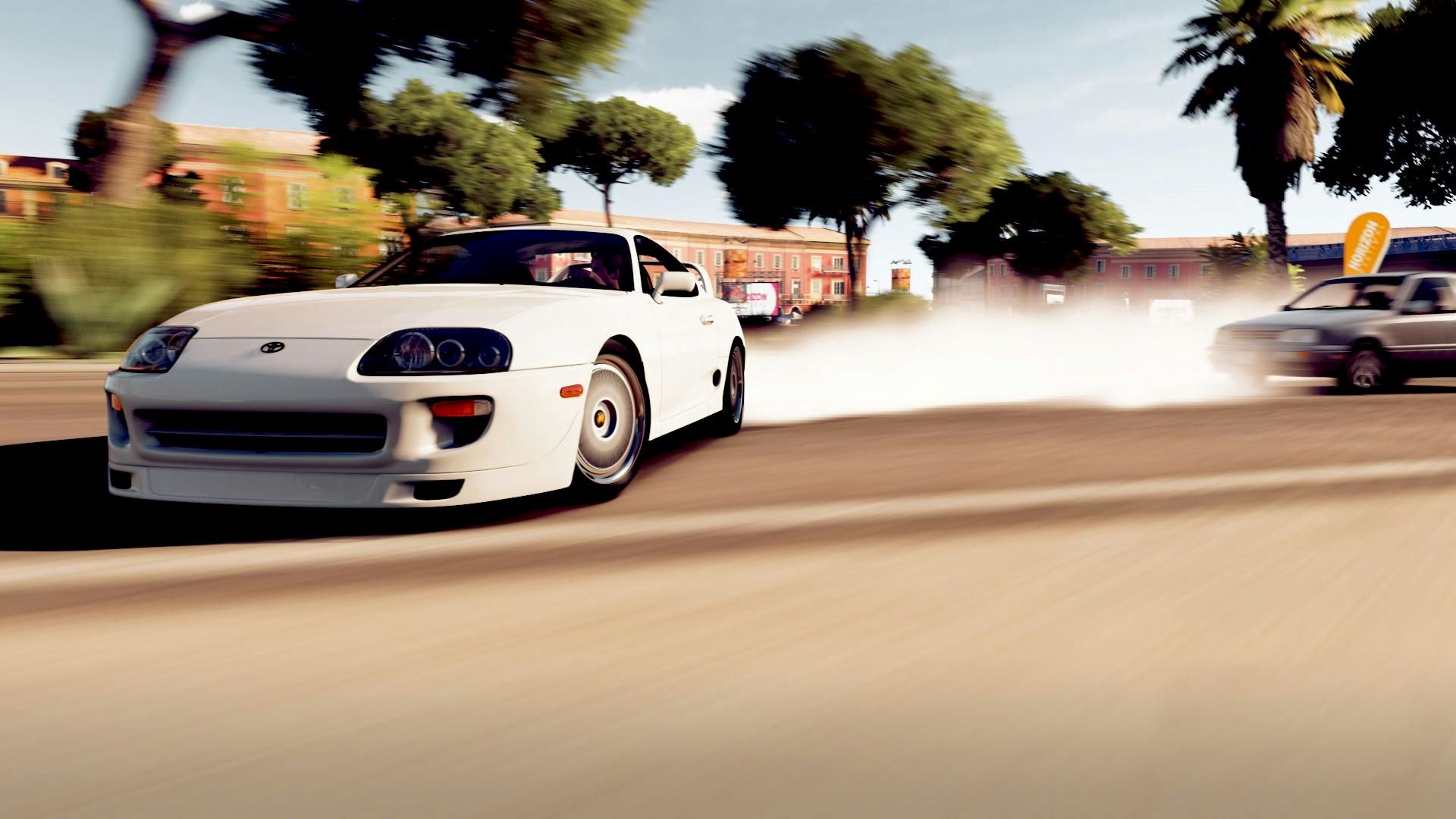
Furthermore, industry experts have noted an uptick in social media engagement for brands that integrate pop culture. ToyotaÔÇÖs The Fast and the Furious collaboration not only elevated the brandÔÇÖs visibility but also sparked vibrant online discussions, generating over 1 million impressions on social media platforms within the campaignÔÇÖs first week. Such results exemplify how pop culture references can be a powerful tool for fostering community and engagement among automotive enthusiasts.
Appeal to Automotive Enthusiasts
For automotive enthusiasts, the allure of pop culture references in marketing goes beyond mere advertising; it taps into their passions, nostalgia, and desire for connection. Nostalgia plays a crucial role, as enthusiasts often have fond memories associated with iconic vehicles from their favorite films or TV shows. The resurgence of the Ford Bronco, for instance, is not just a revival of a classic model; it symbolizes a return to adventure and exploration, reminiscent of its portrayal in numerous action-packed films.
Moreover, these campaigns create a sense of exclusivity and belonging. For instance, Jeep's The 2021 Gladiator Rubicon was featured in the popular video game Fortnite, allowing players to experience the vehicle in a virtual space. This cross-platform collaboration drew the attention of younger consumers, creating a vibrant community of Jeep enthusiasts who bond over shared experiences in both real life and gaming.
The emotional and psychological effects of these marketing strategies cannot be understated. Brands that skillfully weave pop culture references into their messaging tap into consumers' memories, emotions, and identities. For instance, the Ford Mustang has long been associated with freedom, rebellion, and youth culture, making it a natural fit for campaigns that emphasize adventure and individuality. This connection fosters a passionate community among enthusiasts, further amplifying the brand's appeal.
Challenges and Considerations
While the integration of pop culture references in automotive marketing presents numerous opportunities, it also comes with challenges. One potential pitfall is the risk of oversaturation. As more brands jump on the pop culture bandwagon, the effectiveness of these strategies can diminish. Consumers may become desensitized to references that feel forced or insincere, leading to a backlash against brands perceived as inauthentic.
Moreover, cultural missteps can also pose significant risks. In an increasingly interconnected world, brands must navigate the complexities of cultural sensitivity and representation. A reference that resonates with one demographic may alienate another, potentially damaging brand reputation and consumer trust. For example, a campaign that seeks to capitalize on a trending pop culture phenomenon without fully understanding its context may lead to backlash.
To mitigate these risks, brands should prioritize authenticity and relevance. Staying attuned to cultural shifts and trends is essential for crafting campaigns that resonate genuinely with consumers. This involves conducting thorough market research, engaging with audiences on social media, and actively listening to consumer feedback. By understanding their target demographics, brands can avoid potential pitfalls and create strategies that foster meaningful connections.
Future Outlook
Looking ahead, the future of pop culture references in automotive marketing appears bright, with emerging trends poised to shape the landscape further. As technology continues to advance, brands will have new opportunities to engage consumers in innovative ways. The rise of augmented reality (AR) and virtual reality (VR) presents exciting possibilities for immersive storytelling, allowing consumers to interact with vehicles in virtual environments.
Furthermore, the integration of artificial intelligence (AI) and data analytics will enable brands to personalize marketing strategies based on consumer preferences and behaviors. For instance, AI-driven algorithms could analyze social media trends to identify relevant pop culture references that resonate with specific audiences, enabling brands to tailor their messaging accordingly.
As the lines between entertainment, technology, and automotive continue to blur, the potential for collaboration among industries will only increase. Imagine a world where automotive brands partner with streaming services to create exclusive content, integrating vehicles into beloved shows and films while also offering viewers the chance to explore those vehicles in immersive experiences. This kind of synergy could redefine how consumers engage with brands, fostering deeper connections and enhancing the overall consumer experience.
The resurgence of pop culture references in automotive marketing is a testament to the industryÔÇÖs adaptability and creativity. By intertwining storytelling with cultural touchpoints, brands are crafting campaigns that resonate deeply with consumers, driving engagement and loyalty. As the automotive landscape continues to evolve, the optimistic outlook for integrating pop culture into marketing strategies only grows brighter.
For automotive enthusiasts, this means an exciting future filled with creative campaigns that connect them with their passions. As brands continue to innovate and push boundaries, enthusiasts can look forward to a vibrant landscape where nostalgia, adventure, and community flourish. The fusion of pop culture and automotive marketing promises not only to captivate audiences but also to enrich the experiences of those who share a love for cars and culture. Keep your eyes peeled for the innovative ways brands will connect with enthusiasts through these cultural touchpoints, and enjoy the ride ahead!
Breyten Odendaal
Specializing in high-performance automotive advertising and digital marketing solutions, delivering cutting-edge insights and the latest news shaping the automotive industry in South Africa.
More From Advertising

Automotive Advertising in 2026: Selling Confidence in a More Competitive Market
As South Africa’s vehicle market becomes more competitive, automotive advertising needs to do more than announce a price or specification. It needs to help buyers understand value, ownership costs and why a vehicle suits their lives.

Automotive Digital Ads in South Africa: A Shift
Exploring how South Africa’s automotive advertising evolved from print and broadcast to data-driven, programmatic digital ecosystems.

The Video Shift in Car Buying Decisions in SA
Explore how video content shapes car purchase decisions in South Africa, comparing short-form and long-form strategies for automotive marketers.