The Silent Language of Colour in Automotive Branding
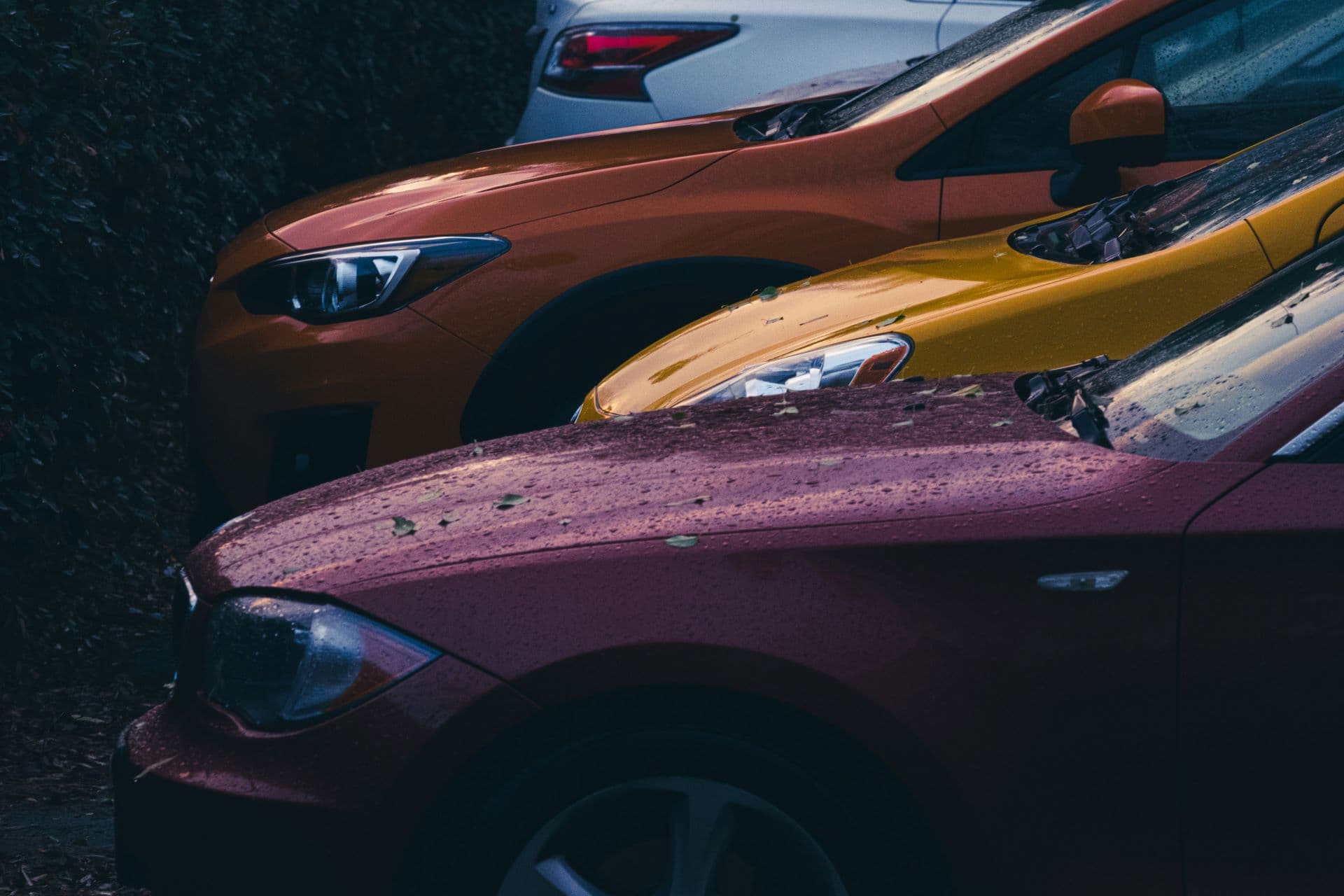
Walk into any dealership or onto a motor show floor, and before you read a brochure or hear a sales pitch, the cars themselves are already speaking. Not in words, but in tones, shades, and hues that have been carefully selected to elicit emotion, memory, and aspiration. In automotive marketing, colour has always been more than mere decoration. It is a form of semiotics, an unspoken code through which a brand communicates its identity, heritage, and positioning. The deep crimson of Ferrari is not simply redÔÇöit is the distilled emotion of speed, danger, passion, and Italian bravado, communicated in a glance.
Car manufacturers have long understood that colour is a language of the subconscious. Psychologists note that humans form impressions of objects within milliseconds, and colour accounts for a large portion of that judgment. This explains why ÔÇ£Ferrari redÔÇØ can raise heart rates in car enthusiasts, or why a muted silver Mercedes exudes a boardroomÔÇÖs sense of authority. Marketers in the automotive industry are acutely aware of this, and design teams do not settle on paint palettes casually. Behind every colour is a calculated decision about what story it tells, who it appeals to, and how it reinforces brand positioning.
The power of colour in car marketing also ties into cultural and historical contexts. In Italy, the racing red known as Rosso Corsa was originally a national racing colour, mandated for Italian teams in the early 20th century. Ferrari inherited this palette not as a random choice, but as a national symbol of pride. Similarly, BritainÔÇÖs racing greenÔÇöfamously seen on Bentleys and JaguarsÔÇöoriginated as British Racing Green, the shade under which Britain competed in early motor races. What began as national identifiers have evolved into brand signatures, each carrying decades of emotional and historical weight. When Porsche paints a car in its deep racing green, itÔÇÖs not simply providing a colour optionÔÇöitÔÇÖs reawakening nostalgia, competition, and authenticity.
Beyond heritage, colour psychology taps into primal emotions. Bright yellow, long associated with Lamborghini, triggers energy, extroversion, and even aggression. These qualities align perfectly with LamborghiniÔÇÖs reputation for outrageous performance and design that thrives on spectacle. The brand understands that its buyers often want to be noticed, even envied, and nothing achieves that quite like a canary-yellow Aventador streaking past a sea of muted sedans. By contrast, a Rolls-Royce in deep midnight blue suggests dignity, composure, and exclusivity. No two brands can communicate the same story with the same palette, because contextÔÇöthe marriage of psychology, history, and design languageÔÇögives colours their meaning.
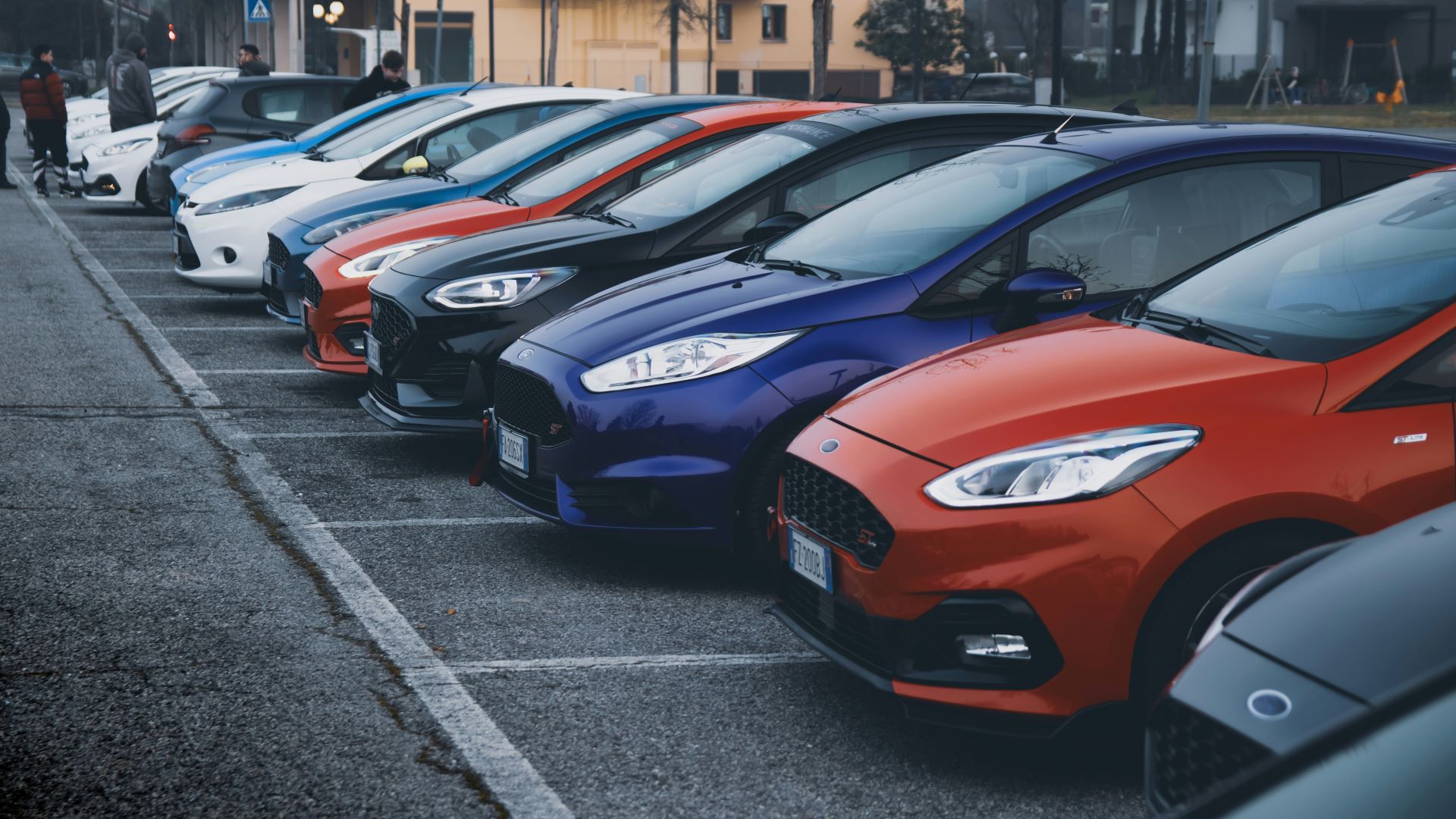
Colour is also a powerful tool for differentiation in crowded markets. With automotive segments saturated by SUVs and crossovers, paint becomes one of the clearest tools to separate one model from another. When Kia launched its electric EV6, the choice of matte grey and high-contrast neon accents created an instantly futuristic visual identity. This was not accidental. It was an attempt to visually signal a break from KiaÔÇÖs utilitarian past and announce its ambition as a forward-looking EV contender. Similarly, BMWÔÇÖs use of frozen paints, such as Frozen Arctic Grey, evokes cutting-edge technology and luxury precision, setting them apart from mass-market metallics.
Consumers may not consciously dissect these signals, but they feel them. Marketing psychologists refer to this as affective primingÔÇöthe process by which stimuli (like colour) trigger emotional responses that influence behavior before logic intervenes. A potential buyer may justify their purchase based on horsepower, efficiency, or practicality, but the initial sparkÔÇöthe reason they walked over to a particular car on the lotÔÇömay have been a visceral reaction to the way it looked in a certain light. In that sense, colour acts as the first salesman, engaging the customer before a word of persuasion is spoken.
In the digital era, this phenomenon is amplified. Configurators, social media campaigns, and product reveals all rely heavily on colour to translate brand identity on-screen. A Ferrari unveiling streamed worldwide in vibrant red carries far more visual impact than the same car presented in beige. Automotive marketing has evolved into an arena where every visual choice is magnified, scrutinised, and shared globally within seconds. Colour is the headline before the press release.
The unspoken dialogue of colour, then, is not superficial. It is foundational. When manufacturers decide which hues to champion, they are deciding how their brand will be remembered, how it will be desired, and how it will resonate across markets. Colour is not an afterthoughtÔÇöit is often the first thought. And in a hyper-competitive industry where differentiation is survival, those shades can make the difference between a car that fades into the background and one that becomes iconic.
Iconic Colours as Brand DNA ÔÇô Ferrari Red, Lamborghini Yellow, Porsche Green
The automotive industry is built on engineering excellence, performance, and design innovation, but at the very heart of its branding lies something more intangible: identity. For certain marques, that identity is inseparable from a single colour. Ferrari, Lamborghini, and Porsche each demonstrate how a carefully chosen hue can transcend being a simple option on a paint chart and become the very embodiment of a brand. These colours are not just decorative. They are shorthand for legacy, emotion, and exclusivityÔÇöbrand DNA applied with a spray gun.
Take Ferrari red, or Rosso Corsa. Its significance is layered with national pride, competition history, and cultural association. Originally, in the early 20th century, international racing cars were distinguished by national colours: French cars wore blue, German cars silver, British cars green, and Italian cars, naturally, red. Ferrari embraced red not just as compliance but as identity. Over time, Rosso Corsa came to stand for more than ItalyÔÇöit came to stand for Ferrari itself. Owners often insist that a ÔÇ£real FerrariÔÇØ can only be red, a cultural expectation so deeply ingrained that even when the brand offers metallic blues, blacks, and bespoke shades through its Tailor Made program, red continues to outsell them. Marketing teams leverage this psychology by ensuring every press release, social media campaign, or Formula 1 victory car is drenched in this unmistakable scarlet. ItÔÇÖs the instant recognition factor, the emotive pulse that primes audiences before a single statistic is mentioned.
Yet FerrariÔÇÖs use of red is not only nostalgic. It is strategic. Red is a high-arousal colour, associated in psychological research with heightened energy, faster reaction times, and even perceptions of increased power. For Ferrari, this ties seamlessly to the brandÔÇÖs performance-driven narrative. Place a Ferrari in red on a showroom floor, and it is not merely a carÔÇöit is a statement of velocity, passion, and prestige. Buyers who choose red are aligning themselves with decades of racing glory and cultural symbolism. In effect, FerrariÔÇÖs most loyal customers are not simply purchasing a car; they are purchasing membership into an identity coded in crimson.
If FerrariÔÇÖs red is a symbol of passion and competition, LamborghiniÔÇÖs yellow is the embodiment of audacity. Few brands lean so heavily into extroversion as Lamborghini, and its chromatic choice reflects this unapologetically. Yellow, psychologically, is associated with energy, optimism, and visibility. It is the colour of sunshine, but when applied to the aggressive angular form of a Hurac├ín or Aventador, it transforms into something bolder: spectacle. Lamborghini buyers, by demographic studies, often skew toward individuals seeking high visibility and status projection. Yellow provides the perfect psychological canvas for this desire. A Lamborghini in yellow is impossible to ignore, and that is precisely the point.
Marketing communications reinforce this. Lamborghini advertisements rarely depict their cars in muted palettes; they thrive on saturation. Launch events often spotlight yellow as the hero shade, ensuring that new models enter the public consciousness as bold statements rather than subtle introductions. The choice speaks to the brandÔÇÖs willingness to push boundaries. Just as its cars are louder, more angular, and often more provocative than rivals, the yellow livery is the chromatic equivalent of a raised voice in a crowded room. And it worksÔÇöpsychologists argue that bright hues like yellow are more likely to capture attention in peripheral vision, making them ideal for a brand that trades in presence.
Then comes Porsche, whose connection to green might appear less obvious until one delves into the heritage of motorsport. British Racing Green belongs historically to Jaguar, Aston Martin, and Bentley, but Porsche has cleverly woven its own shade of racing green into its brand story. The 911 Carrera RS, for instance, has appeared in distinctive shades of green that evoke not just British racing tradition but a broader sense of endurance and authenticity. Unlike FerrariÔÇÖs aggressive red or LamborghiniÔÇÖs audacious yellow, Porsche green operates on a subtler psychological frequency. Green is linked to balance, endurance, and timelessnessÔÇöall qualities central to PorscheÔÇÖs ethos.
Where Ferrari leans on spectacle and Lamborghini on flamboyance, PorscheÔÇÖs use of green taps into trust and heritage. It communicates that the brand is not about flash but about consistency, performance, and history. Green is also strongly associated with nature and authenticity, which has given PorscheÔÇÖs design teams room to link their heritage shades to modern sustainability messaging. The Taycan Cross Turismo, for instance, has been shown in hues of green that deliberately signal eco-consciousness without abandoning heritage. In this way, Porsche demonstrates how colour psychology can evolve with time, aligning the brandÔÇÖs visual language with contemporary consumer values while remaining rooted in tradition.
What unites these three brands is their ability to transform colour from choice into iconography. Customers may select white, black, or custom shades when purchasing, but the marketing narrativeÔÇöthe billboard, the digital reveal, the poster on a teenagerÔÇÖs wallÔÇöremains tethered to a singular iconic hue. This establishes an instant emotional recall. When consumers think Ferrari, they see red. When they think Lamborghini, they see yellow. When they think Porsche, they may envision racing green, linking the marque forever with competition and authenticity.
It is not simply about recognition but about priming desire. By making these colours integral to their brand stories, manufacturers create a form of visual conditioning. Over decades, consumers learn to associate those shades with performance, luxury, or exclusivity. This conditioning carries into the purchase process, influencing preference at the point of sale. Even digital configurators, which offer dozens of options, often position the ÔÇ£hero colourÔÇØ first, subtly guiding buyers toward the narrative the brand wishes to perpetuate.
In essence, Ferrari red, Lamborghini yellow, and Porsche green are not just coloursÔÇöthey are semiotic anchors. They hold together decades of racing heritage, consumer psychology, and cultural storytelling. They act as non-verbal logos, instantly recognisable even in silhouette or at a distance. And in an age when attention spans are fleeting and marketing noise is deafening, that kind of instant, unspoken communication is perhaps the most powerful tool a brand can wield.
Beyond the Palette ÔÇô Design Language as Psychological Marketing
Colour may capture attention, but it is only one layer of the deeper psychological storytelling woven into every car. Beyond paint, the very shape of a vehicleÔÇöits lines, curves, proportions, and detailsÔÇöfunctions as a kind of visual rhetoric. This design language becomes marketing in its purest form, communicating messages about performance, safety, exclusivity, or innovation without requiring a single word. Just as Ferrari red or Lamborghini yellow primes the emotional canvas, design completes the conversation by shaping how the car is perceived and, ultimately, how it is desired.
Design psychologists often argue that humans are hardwired to respond emotionally to form. Rounded, symmetrical shapes tend to signal safety, comfort, and friendliness, while sharp, angular forms convey aggression, speed, and dominance. Automakers have long exploited this instinct. Compare the front fascia of a Jeep Wrangler with that of a McLaren 720S: one projects rugged durability with its upright stance and utilitarian cues, while the other radiates aerodynamic ferocity with its low-slung body and sweeping curves. Both are unmistakable in identity, and both are examples of design serving as non-verbal persuasion.
In marketing terms, design language operates as pre-conditioning. A buyer encountering a car in an advertisement, showroom, or digital configurator is immediately influenced by its form, even before reading about horsepower or safety ratings. This is why design reviews often become marketing campaigns in themselves. When critics describe a car as ÔÇ£muscular,ÔÇØ ÔÇ£elegant,ÔÇØ or ÔÇ£timeless,ÔÇØ those descriptors reinforce the brandÔÇÖs desired positioning. The manufacturer does not need to claim superiority outrightÔÇöthe design invites the conclusion.
The automotive industry has always understood that certain design motifs transcend eras and create lasting associations. Take the long, flowing bonnet of a Mercedes-Benz S-Class. This proportion signals prestige and power, suggesting that the engine beneath is large, potent, and worthy of respect. Similarly, the rear-engine silhouette of a Porsche 911 has endured for decades, not because it is the most efficient design in aerodynamic terms, but because it communicates continuity, heritage, and identity. In both cases, the visual language becomes a marketing tool, one that reassures customers that they are purchasing not just a car, but membership in a storied tradition.
Emotional response is central to this dynamic. Consider the Lamborghini Aventador, whose wedge-shaped profile and scissor doors scream aggression and futurism. These features may be less practical in daily use, but they are invaluable in marketing terms. Every Aventador becomes a rolling advertisement for LamborghiniÔÇÖs core ethos: excess, drama, and spectacle. Contrast that with the design of a Volvo XC90, which opts for calm Scandinavian minimalism. Its clean lines, subdued grille, and uncluttered interior communicate safety, stability, and rational luxury. Both cars appeal to entirely different psychological needs, and both succeed by ensuring that design itself functions as brand storytelling.
It is worth noting that design cues often reinforce subconscious associations derived from evolution. Wide stances and low centres of gravity, for instance, tend to communicate dominance and strength because they mimic postures humans associate with power. Automakers exaggerate these features in sports cars, using wide tracks, flared arches, and sculpted sides to amplify a sense of muscularity. Marketing teams highlight these cues in photographyÔÇöangled shots that emphasise stance, shadow play that sharpens contoursÔÇöknowing that viewers will interpret the car as more dynamic or powerful than a competitorÔÇÖs softer form.
Equally, headlights and grilles have become crucial ÔÇ£facesÔÇØ of vehicles. Human beings instinctively seek facial recognition patterns, and cars with aggressive headlight designs often appear more ÔÇ£angryÔÇØ or ÔÇ£assertive.ÔÇØ This has not gone unnoticed. BMWÔÇÖs kidney grille has grown progressively larger over the years, not only for functional reasons but also to project dominance on the road and in advertising. Meanwhile, MazdaÔÇÖs Kodo design philosophy frames headlights like narrowed eyes, creating an impression of alertness and vitality. These design decisions translate directly into marketing imagery, where vehicles are photographed head-on to convey confidence and emotional resonance.
Interiors, too, are part of the psychological equation. The tactile experience of stepping into a car can either affirm or undermine the expectations built by the exterior. Luxury brands understand this acutely. Rolls-RoyceÔÇÖs interiors are not merely luxurious because of materials; they are luxurious because they communicate care, craftsmanship, and rarity. Soft leather, polished veneers, and bespoke details send silent messages about status and identity. Marketing campaigns often focus on these interiors as much as exteriors, inviting consumers to imagine themselves within an environment of privilege. The psychology here is aspirationalÔÇöthe interior design language tells the story of a life elevated.
Even the smallest details carry weight. The angle of a roofline, the size of a wheel arch, the depth of a creaseÔÇöall influence perception. A sharper crease may suggest technical sophistication, while a smoother curve may imply warmth and accessibility. Designers and marketers work hand in hand to ensure these choices align with brand narratives. Tesla, for example, champions minimalist interiors, free of clutter and dominated by a single central screen. This communicates not only innovation but also disruption, reinforcing TeslaÔÇÖs positioning as a tech company first and a car company second. Its marketing rarely needs to explain thisÔÇöthe design speaks for itself.
Importantly, design language as marketing operates globally but adapts locally. While an aggressive SUV stance may resonate in North America, Asian markets often favour compact efficiency, and European audiences may prize understated elegance. Automakers tailor their messaging accordingly, but the core design cues remain consistent enough to preserve global brand identity. A Toyota Corolla looks different in Europe than in the U.S., but the overarching design philosophyÔÇöreliability, pragmatism, accessibilityÔÇöremains universally legible.
Digital marketing has further amplified the role of design in storytelling. Photorealistic renders, CGI ads, and interactive 3D configurators now showcase cars long before they reach showrooms. In these contexts, the design language is not just shownÔÇöit is dramatised. Angles are exaggerated, colours heightened, and proportions emphasised to maximise emotional impact. Consumers may not realise they are being guided, but their subconscious does. A sharp crease catches the light in a way that communicates motion. A wide stance fills the frame in a way that communicates authority. Every pixel becomes part of the persuasion.
Ultimately, the psychology of design language in automotive marketing lies in its ability to bypass rational thought and engage the visceral. Consumers can compare horsepower, torque, or efficiency endlessly, but the decision to engage with a carÔÇöwhether to click, to inquire, or to test driveÔÇöis often sparked by how it makes them feel at first glance. This is why car design studios operate as both engineering labs and marketing departments. They are not just shaping vehicles for aerodynamics or safety; they are shaping desire.
Design, in this sense, becomes the unspoken pitch. A car can promise speed without citing its top figure, or luxury without listing its materials. The way it looks, the way it sits, the way it catches the lightÔÇöall communicate a story that resonates more deeply than numbers ever could. In a world where consumers are bombarded with messages, this silent storytelling may be the most persuasive language of all.
Colour in Motion ÔÇô Digital Tools, Configurators, and Emotional Storytelling
The showroom used to be the first real encounter between customer and car. Today, that moment happens long before a dealership visitÔÇöon screens, in apps, and across social media feeds. Digital tools have transformed how brands deploy colour and design language, allowing marketing teams to orchestrate emotional storytelling in ways that are more immediate, immersive, and personal than ever before. In this new landscape, colour is not static paint on metal but a dynamic, interactive experience.
One of the most powerful instruments in this transformation has been the online configurator. Once a utilitarian tool for specifying trim and options, configurators have evolved into storytelling platforms where colour plays the starring role. Consumers can rotate vehicles, change lighting conditions, and experiment with bold palettes that might not appear on dealership floors. More than functionality, this interaction engages the psychology of ownership. When a potential buyer spends fifteen minutes toggling between FerrariÔÇÖs Rosso Corsa and Giallo Modena on their laptop, they are already imagining themselves behind the wheel. That act of projection is the beginning of emotional investment, and marketers know it.
Brands have leaned into this by designing configurators not just as sales tools but as emotional journeys. Lamborghini, for instance, ensures its platform renders yellow and lime green with theatrical lighting that accentuates the carÔÇÖs aggressive stance. Porsche allows customers to view heritage greens in racing-inspired liveries, subtly reminding them of motorsport heritage. Even mainstream brands like Hyundai and Kia are investing in matte finishes and bold neon accents online, where customers can explore identities that feel futuristic or avant-garde. The psychological impact is twofold: the buyer feels creative ownership, and the brand controls the emotional palette guiding their decisions.
Social media has amplified these dynamics further. A strikingly coloured car can become a viral moment, not because of its engineering but because of its visual impact. Consider the way BMWÔÇÖs frozen matte colours dominate Instagram feeds. The tactile, almost velvety appearance photographs beautifully, sparking desire among audiences who might never have considered the brand otherwise. Marketing departments recognise this, timing releases of new hues to coincide with influencer campaigns, lifestyle shoots, or racing events. Colour becomes not only a brand asset but also content currency, designed to travel across algorithms and evoke emotional resonance in split seconds.
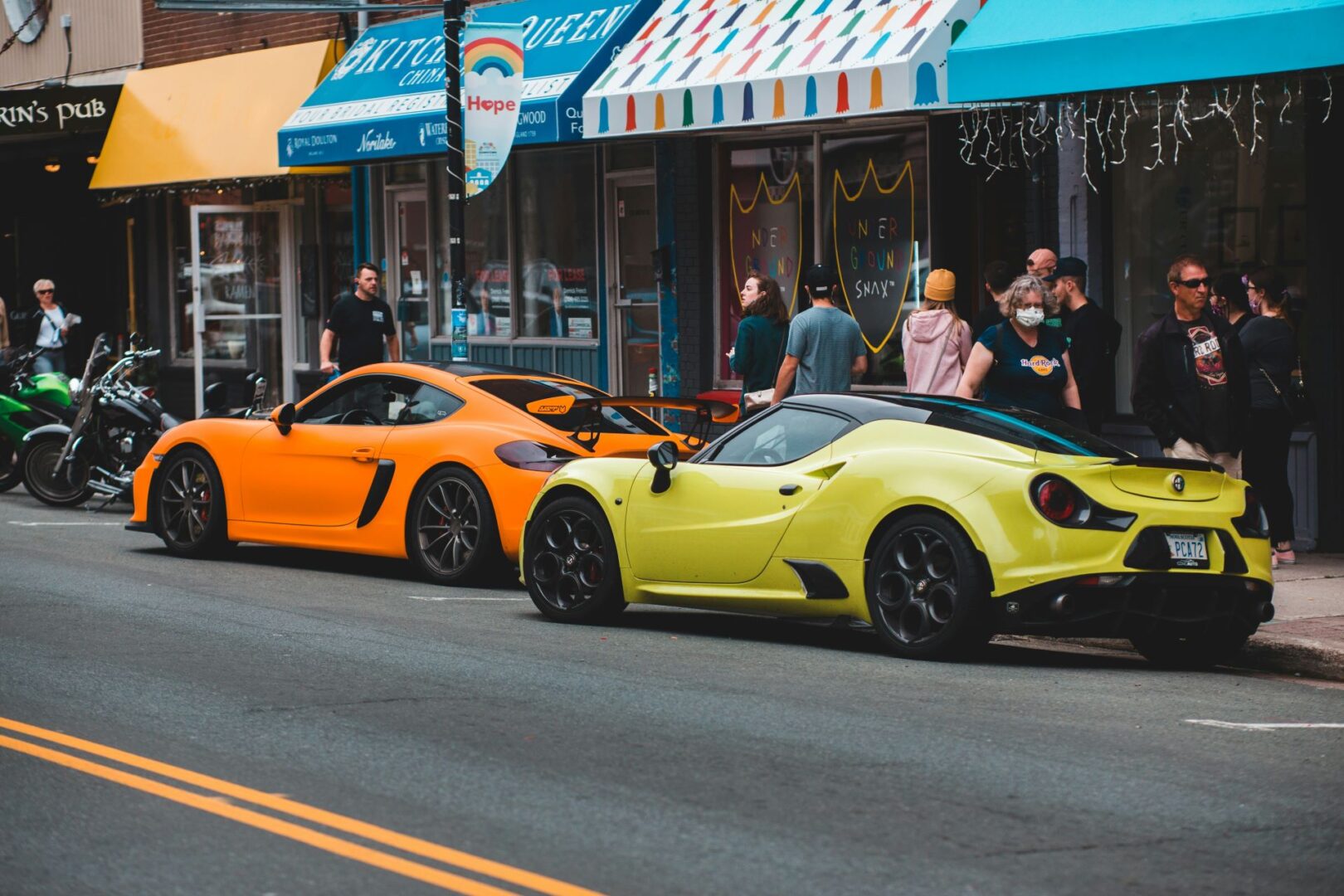
The psychology at play here is not new, but its amplification is unprecedented. Humans are drawn to novelty and contrast, and digital platforms are saturated with content. A neon green McLaren or iridescent purple Audi RS model cuts through the noise because the eye cannot help but linger. This is why limited-edition shades, often accompanied by names rich in heritage or aspiration, are introduced with such fanfare. Aston MartinÔÇÖs ÔÇ£Satin Jet BlackÔÇØ or BentleyÔÇÖs ÔÇ£Sequin BlueÔÇØ are more than pigments; they are storytelling devices crafted for shareability and memory. When photographed in motion or under dramatic lighting, they generate associations of rarity and luxury that spread organically online.
Virtual reality and augmented reality are deepening this phenomenon. Some premium brands now allow customers to experience their cars in VR showrooms, complete with changing colour palettes under different environments. Imagine standing in a simulated garage, switching your Lamborghini Hurac├ín from yellow to orange at the wave of a controller. The psychological impact is immense: the buyer doesnÔÇÖt just see the carÔÇöthey feel it as part of their space. Augmented reality apps push this further, projecting cars onto driveways through smartphones so customers can ÔÇ£testÔÇØ colours against their own homes. This personalisation anchors the emotional connection, translating abstract marketing into lived imagination.
Crucially, digital storytelling allows brands to connect colour psychology with narrative arcs. When Ford launched the electric Mustang Mach-E, its hero colours were tied explicitly to themes of future mobility and performance heritage. The shade ÔÇ£Grabber BlueÔÇØ was a deliberate nod to the brandÔÇÖs muscle car past, reinterpreted for an EV era. The storytelling was not simply about offering a paint choiceÔÇöit was about reassuring customers that electric vehicles could still embody passion and performance. Marketing materials emphasised this blue against clean urban backdrops, signalling modernity while anchoring trust in legacy.
Another fascinating evolution lies in the way digital tools allow brands to test and refine consumer reactions. Heat maps of configurator use, social engagement metrics, and sentiment analysis provide marketers with data-driven insights into which colours trigger excitement, hesitation, or indifference. This feedback loop means brands can align their production palettes more closely with psychological demand, reducing risk and amplifying desirability. If a neon yellow test car generates unprecedented configurator engagement, it may influence not just marketing campaigns but future production decisions. Colour psychology, once the domain of intuition, is now being validated by analytics.
Yet colour in motion is not limited to digital screens. Cinematic storytelling remains central to automotive advertising, and here too, psychology dictates choices. A Jaguar gliding through misty countryside in deep green is not just a shot of a carÔÇöit is a narrative of heritage, refinement, and continuity. A Tesla Model 3 streaking through neon-lit cityscapes in pearl white evokes futurism and progress. Directors and marketing teams choose palettes for environments, lighting, and motion sequences to ensure that the colour of the car is harmonised with the emotion of the story. Viewers may not consciously register these cues, but they absorb the intended associations.
The interplay between motion and colour also heightens emotional intensity. Red cars appear faster in motion because of how our brains process warm colours. Blue cars feel calmer, more stable, and more trustworthy. Advertisers exploit this by tailoring cinematography. A Ferrari commercial may cut rapidly, with a scarlet blur streaking through winding roads, while a Volvo ad might linger on serene blue tones moving gently along coastlines. The colour does not simply decorateÔÇöit directs the emotional tempo of the narrative.
What emerges from these strategies is a recognition that colour, once considered static, has become dynamic storytelling. It adapts to digital platforms, personalisation tools, and motion imagery in ways that deepen psychological impact. The result is not only stronger brand differentiation but also heightened emotional buy-in. Customers are no longer passive recipients of marketingÔÇöthey are participants, co-creating their emotional journey by engaging with colours in configurators, AR, or social sharing.
This shift reflects a broader trend in automotive marketing: the blending of product and experience. Colour and design language are no longer confined to the physical car but extend into the digital environments where customers live, shop, and dream. Brands that master this interplay harness not just aesthetics but also psychology, ensuring that by the time a customer steps into a dealership, the decision is less about whether to buy and more about how soon.
In this sense, digital tools have turned colour from surface into substance. No longer a secondary choice, it is the emotional gateway, the spark that primes engagement, the differentiator in a crowded digital space. The psychology of colour has always been potent, but in motionÔÇöacross screens, feeds, and immersive platformsÔÇöit has become marketingÔÇÖs most dynamic asset.
The Future of Colour Psychology in Automotive Marketing
As automotive marketing continues to evolve, the relationship between colour, design, and psychology is poised to become even more sophisticated. The industry is moving toward a world where data, technology, and emotional storytelling converge, making colour not just a visual choice but a strategic, predictive tool for shaping perception, preference, and purchase behaviour. The future promises not only deeper engagement with consumers but also more nuanced ways to align colour with brand, context, and cultural trends.
One of the most significant developments is the integration of artificial intelligence into design and marketing workflows. AI can now analyse millions of consumer interactions with colour, form, and brand content across platforms, identifying patterns that human teams could never discern. For instance, algorithms can detect that a certain shade of electric blue in EV marketing drives higher engagement among environmentally conscious urban buyers, while metallic grey may perform better for traditional luxury SUV customers. This allows brands to optimise not just the palette they offer, but the way they present each colour to different audiences, delivering highly personalised and psychologically attuned experiences.
Beyond AI, augmented reality (AR) and virtual reality (VR) will expand the possibilities of colour in automotive storytelling. Imagine a future where potential buyers can experience hundreds of colour combinations on a single model in their own driveway, under various lighting conditions, with the car reacting to real-time weather or cityscape changes. This level of interactivity not only amplifies emotional engagement but also strengthens memory recall and desire. Marketing campaigns will increasingly blur the line between experience and product, allowing consumers to live the carÔÇÖs narrative before it even exists in the physical world.
Sustainability and environmental awareness are also reshaping colour psychology in car marketing. Consumers are beginning to associate certain shades with ecological responsibilityÔÇömatte greens, earthy neutrals, and iridescent blues are increasingly used to signal eco-conscious design. Brands like Porsche, BMW, and Tesla are experimenting with colours that simultaneously convey performance and sustainability, ensuring that the narrative of innovation is intertwined with environmental values. Here, colour acts as a bridge between rational decision-making and emotional resonance, subtly reinforcing that a car can be both desirable and responsible.
The rise of personalisation is another key trend. TodayÔÇÖs buyers expect vehicles that reflect individuality, and colour is the most immediate and powerful expression of that identity. Advances in paint technologyÔÇösuch as multi-layer pearlescent coatings, dynamic chameleon finishes, and reflective pigmentsÔÇöenable brands to offer unique, almost bespoke experiences at scale. In marketing, these innovations are leveraged to create exclusivity and aspirational appeal. A one-of-a-kind hue can be as much a selling point as horsepower, signalling that the carÔÇöand by extension the ownerÔÇötranscends mass production.
Connected technology within vehicles also opens new avenues for colour-based storytelling. Ambient lighting, dashboard displays, and even exterior illumination can be customised to reflect mood, driving mode, or branding narratives. AudiÔÇÖs interior lighting system, for instance, allows subtle changes in hue that enhance the emotional experience of the cabin, reinforcing the carÔÇÖs personality in real time. Marketing can translate these features into lifestyle storytelling, portraying the vehicle as an extension of the driverÔÇÖs identity, reinforcing psychological bonds with the brand.
Cultural and regional considerations will continue to influence the future of colour psychology. A shade that communicates status in Europe may signal sportiness in Asia or youthful energy in North America. Automotive brands are increasingly using sophisticated analytics to align colour palettes with local tastes while preserving global identity. This balance ensures that marketing campaigns remain culturally resonant without diluting brand recognition. In this sense, colour becomes both a universal language and a regionally nuanced dialect, speaking differently to audiences while telling a consistent story about performance, luxury, or innovation.
Storytelling itself is evolving into a multi-sensory experience where colour serves as both cue and catalyst. Video, interactive web content, social media, and even metaverse environments allow brands to craft narratives where consumers actively participate. Imagine entering a virtual track day, selecting a Lamborghini in fluorescent yellow, and experiencing the exhilaration of speed alongside friends in VR. The psychological impact of such experiences is profound: the consumer forms emotional attachments not just to a carÔÇÖs image, but to its imagined behaviour, heritage, and lifestyle. Colour is the thread tying the narrative together, ensuring that every interaction reinforces desire and brand identity.
Even regulatory and societal trends are influencing colour strategy. Safety campaigns, environmental mandates, and urban mobility shifts affect which colours resonate psychologically. Bright colours, for instance, may be prioritised for autonomous urban vehicles to enhance visibility and safety perception, while muted palettes may dominate executive sedans to signal sophistication and restraint. Designers and marketers must navigate these layers, ensuring that aesthetic choices align with legal requirements and societal expectations, while still delivering the emotional impact that drives sales.
Looking ahead, the intersection of technology, psychology, and design promises to elevate colour from a passive feature to a predictive, interactive marketing tool. Brands will increasingly be able to anticipate consumer reactions to new hues, test them virtually across markets, and tailor marketing campaigns with pinpoint precision. The result is a feedback loop where colour informs not just branding and advertising, but product development, supply chain decisions, and even customer experience design. In essence, the future of automotive marketing will treat colour as both a strategic lever and a dynamic storyteller, shaping perception before the first word is spoken.
The implications for brand identity are profound. Iconic colours like Ferrari red, Lamborghini yellow, and Porsche racing green will retain their cultural and emotional power, but new palettes will emerge, co-created with consumers and optimised through technology. The challenge for marketers is to ensure these colours continue to resonate emotionally while reflecting evolving values, technological possibilities, and global cultural trends. Those who master this will turn colour into more than aestheticsÔÇöthey will make it the language of desire itself.
Finally, the future of colour in automotive marketing is inseparable from the larger narrative of experience, emotion, and identity. In a market saturated with options, where specifications and price points can be compared instantly online, visual and psychological differentiation becomes the most powerful tool a brand has. Colour, coupled with intelligent design, digital interactivity, and emotional storytelling, allows manufacturers to speak directly to the subconscious of their audience, making cars not only products but symbols, aspirations, and personal statements.
In conclusion, the psychology of colour in automotive marketing has evolved from simple aesthetic choice to a sophisticated instrument of influence. It functions in harmony with design language, digital platforms, and consumer psychology to create a seamless, emotionally resonant narrative. FerrariÔÇÖs red, LamborghiniÔÇÖs yellow, and PorscheÔÇÖs green are only the beginningÔÇöfuture palettes will be equally potent, informed by data, experience, and emotion. In this landscape, colour is no longer optional. It is a strategic asset, a marketing channel, and a vehicle for desire itself, shaping decisions, perceptions, and loyalties before a single word is spoken.
Breyten Odendaal
Specializing in high-performance automotive advertising and digital marketing solutions, delivering cutting-edge insights and the latest news shaping the automotive industry in South Africa.
More From Advertising

Automotive Advertising in 2026: Selling Confidence in a More Competitive Market
As South Africa’s vehicle market becomes more competitive, automotive advertising needs to do more than announce a price or specification. It needs to help buyers understand value, ownership costs and why a vehicle suits their lives.

Automotive Digital Ads in South Africa: A Shift
Exploring how South Africa’s automotive advertising evolved from print and broadcast to data-driven, programmatic digital ecosystems.

The Video Shift in Car Buying Decisions in SA
Explore how video content shapes car purchase decisions in South Africa, comparing short-form and long-form strategies for automotive marketers.