
Color is one of the most immediate and impactful elements in automotive advertising. Whether itÔÇÖs the fiery red of a sports car speeding along a coastal road or the calming silver of a luxury sedan cruising through a modern cityscape, color sets the tone, stirs emotions, and often influences purchasing decisions before a single word is read. The strategic use of color is far from arbitrary; it is rooted in the principles of psychology and marketing, designed to appeal to the deepest levels of human perception.
In this exploration of the psychology of color in automotive advertising, we will uncover how colors influence consumer emotions, how they are woven into brand identities, and how they shape advertising campaigns to cater to ever-evolving consumer preferences. Furthermore, we will look to the future to predict how innovations and global trends may redefine the role of color in the automotive industry.
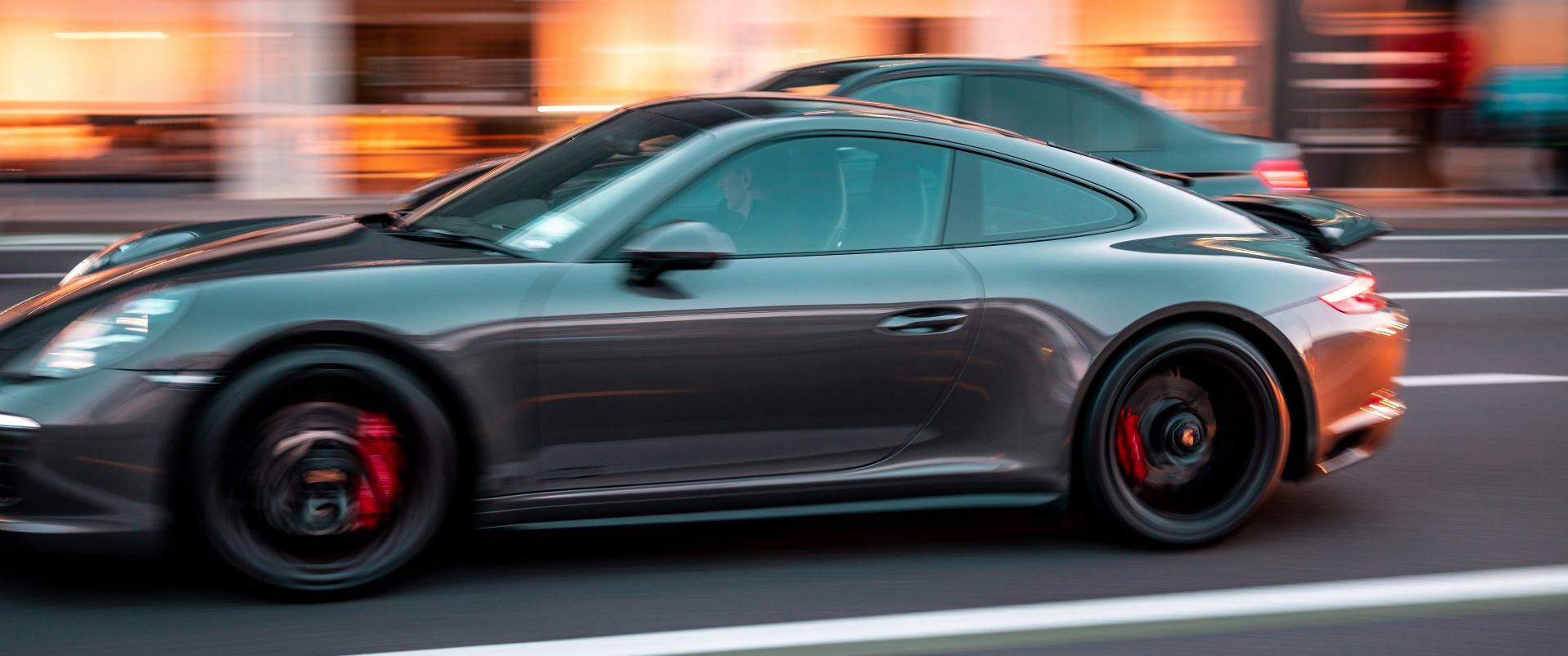
The Psychological Impact of Colors
Color psychology studies how hues influence human emotions and behavior. This field reveals that colors evoke specific psychological responsesÔÇöresponses that advertisers strategically harness to create connections with their target audiences.
The Emotional Resonance of Colors
Automotive Applications
In the automotive context, these emotional cues are magnified. A red convertible might elicit images of youthful exuberance, while a silver luxury sedan suggests understated prestige. Advertisers tailor these emotional triggers to align with the core values of their vehicles, ensuring that potential buyers see themselves reflected in the imagery.
Color and Brand Identity
Color is a cornerstone of brand identity in the automotive world. Beyond individual campaigns, manufacturers use consistent color schemes to build recognition and foster loyalty.
Iconic Brand Associations
Brand Differentiation Through Color
Automotive brands also use color to carve out unique identities in a competitive market. For example, TeslaÔÇÖs use of sleek metallic hues underscores its forward-thinking and technologically advanced ethos, while MINIÔÇÖs vibrant, playful palettes emphasize its fun and youthful appeal.
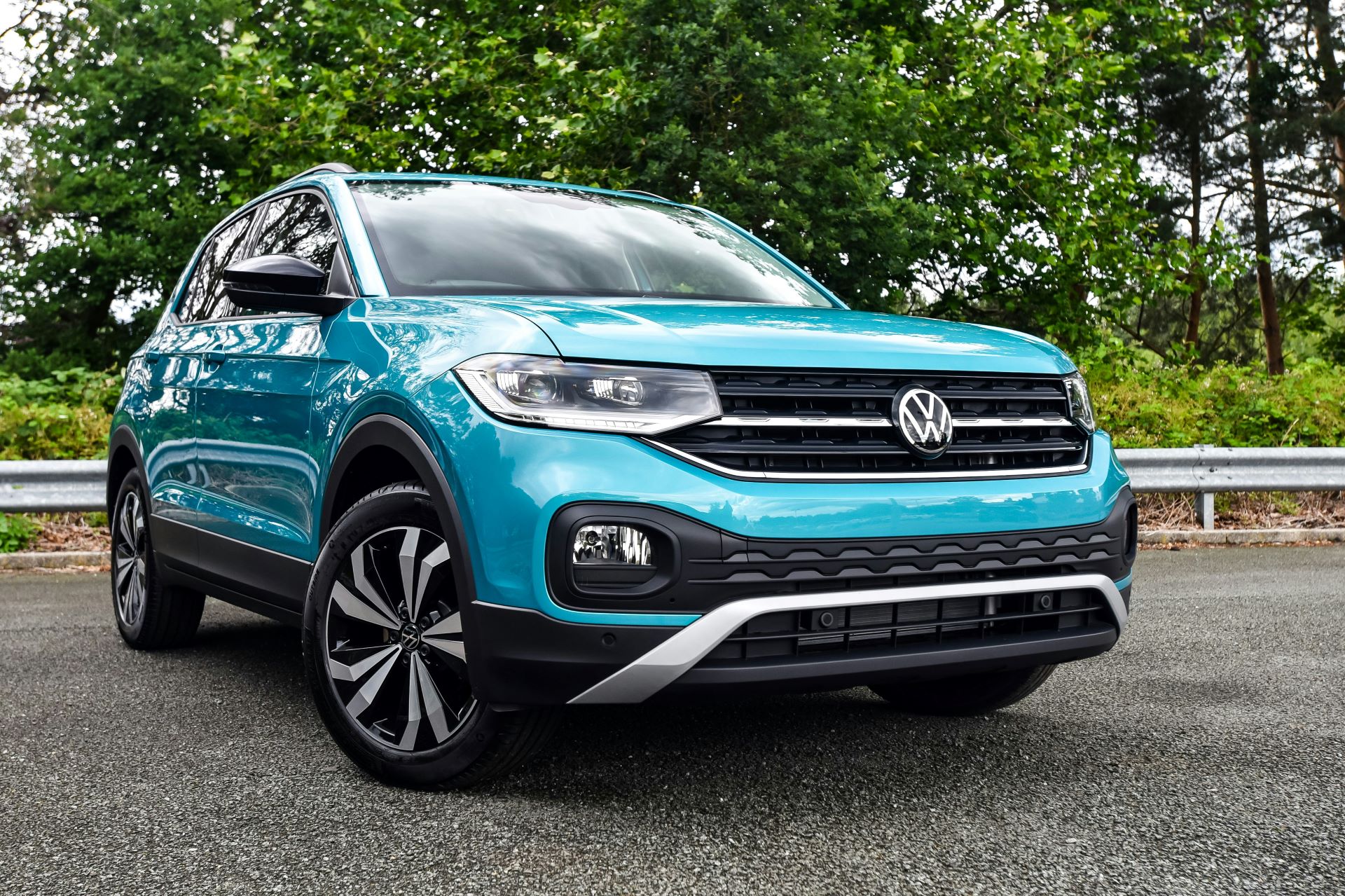
Color in Advertising Campaigns
Advertising campaigns often elevate the role of color to convey the essence of a car and its intended audience. Here, cultural context and market trends play pivotal roles.
Tailoring to Cultural Nuances
Color preferences vary across regions, and advertisers must adapt. In the United States, bold reds and blues are often used to evoke patriotism, while in China, gold and red resonate with notions of prosperity and good fortune. European campaigns might lean on understated tones like silver and gray, reflecting a preference for sophistication and minimalism.
Case Studies of Success
Consumer Behavior and Color Preferences
Consumer preferences for car colors are influenced by cultural, economic, and social trends, and these preferences evolve over time.
Shifting Trends in Color Preferences
Historically, the most popular car colors have been neutral: white, black, silver, and gray. These shades are versatile, timeless, and practical for resale value. However, as individuality becomes more prized, bolder colors are gaining traction. For instance, demand for vibrant blues and greens has risen, especially among younger buyers seeking to stand out.
Advertising to Match Preferences
Manufacturers leverage these trends in advertising, emphasizing the most in-demand colors while offering customizable options to cater to niche markets. By doing so, they ensure that their campaigns resonate with the widest possible audience.
Emerging Trends and Future Directions
As the automotive landscape evolves, so too does the role of color in advertising.
Innovations in Technology
The advent of augmented reality (AR) and virtual reality (VR) allows consumers to visualize cars in a range of colors, tailoring the shopping experience to individual tastes. Additionally, advancements in color-changing materials may redefine the concept of automotive colors entirely.
Sustainability and Color Choices
As sustainability becomes a priority, natural and muted tones derived from eco-friendly materials may dominate. Expect to see campaigns that highlight not just the colors of cars but also the sustainable practices behind their creation.
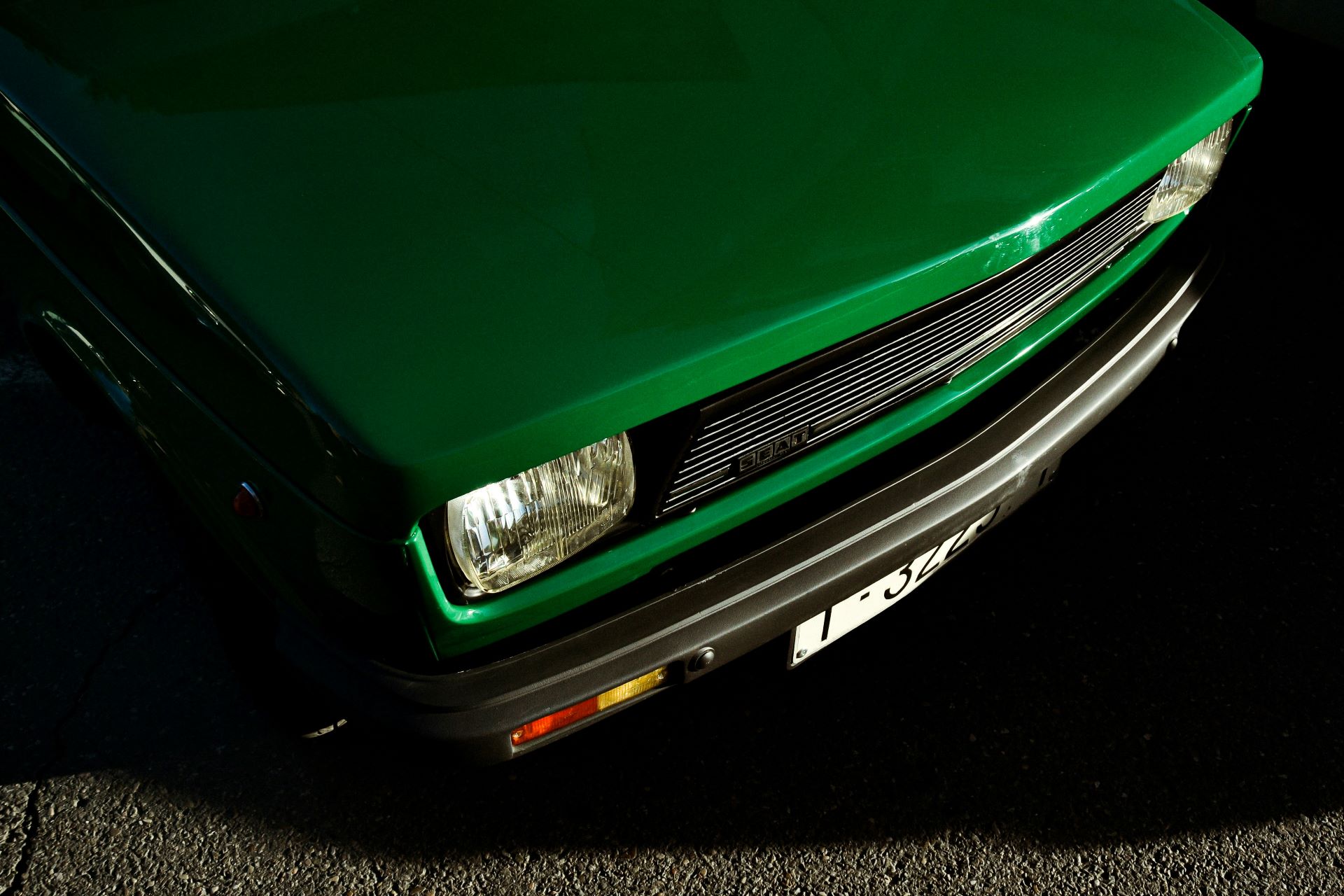
From its power to evoke emotions to its ability to define brand identity, color is an indispensable tool in automotive advertising. It influences how consumers perceive vehicles, aligns brands with their target markets, and evolves with societal trends.
In a world where first impressions are everything, color is often the first language spoken. As the automotive industry continues to innovate, the psychology of color will remain a vibrant and essential element of its storytelling arsenal. So next time you see a gleaming red sports car or a sleek black luxury sedan, take a moment to appreciate the careful thought behind the colorÔÇöa choice thatÔÇÖs as strategic as it is striking.
Breyten Odendaal
Specializing in high-performance automotive advertising and digital marketing solutions, delivering cutting-edge insights and the latest news shaping the automotive industry in South Africa.
More From Advertising

Automotive Advertising in 2026: Selling Confidence in a More Competitive Market
As South Africa’s vehicle market becomes more competitive, automotive advertising needs to do more than announce a price or specification. It needs to help buyers understand value, ownership costs and why a vehicle suits their lives.

Automotive Digital Ads in South Africa: A Shift
Exploring how South Africa’s automotive advertising evolved from print and broadcast to data-driven, programmatic digital ecosystems.

The Video Shift in Car Buying Decisions in SA
Explore how video content shapes car purchase decisions in South Africa, comparing short-form and long-form strategies for automotive marketers.