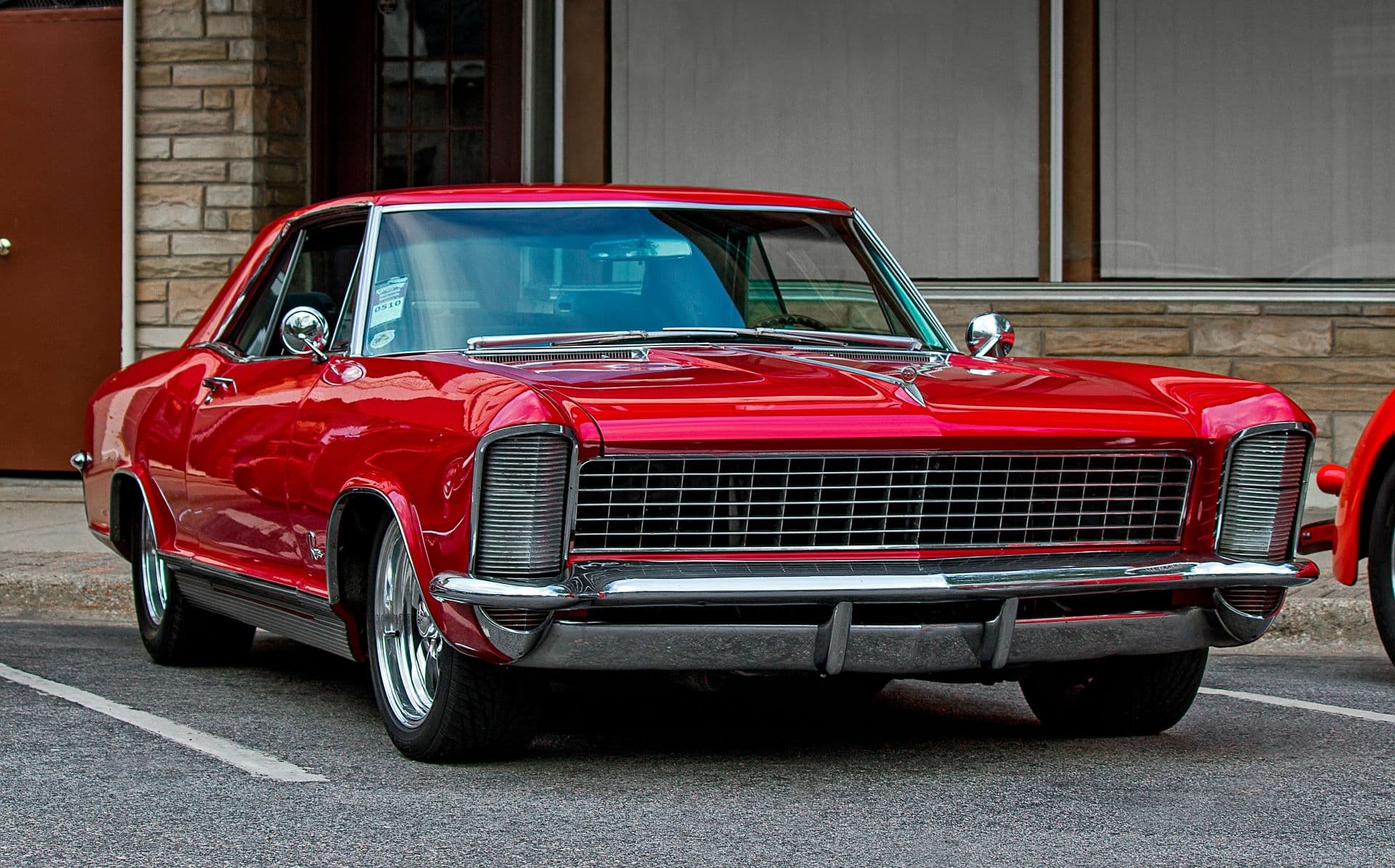
Classic cars have an undeniable allure, evoking a sense of timeless elegance, craftsmanship, and heritage. For many, these vehicles are more than just modes of transportation; they are symbols of an era filled with innovation, cultural milestones, and artistic expression. Complementing their appeal are the advertisements that once introduced them to the world. These ads, featuring striking visuals, compelling storytelling, and emotionally charged messages, continue to captivate audiences decades after their release. But why do these classic car advertisements still hold such power today? The answer lies in the profound impact of nostalgia, which plays a crucial role in consumer behavior and marketing strategies.
Historical Context
Classic car advertisements emerged as powerful marketing tools during the golden age of automotive advertising, spanning from the 1950s to the 1970s. During this period, car manufacturers leveraged bold visuals, aspirational themes, and persuasive copy to create ads that left lasting impressions.
The 1950s: The Birth of Dream Cars
Post-World War II optimism fueled a surge in consumer demand, and car advertisements reflected this newfound prosperity. Ad designs often featured vibrant, futuristic imagery showcasing the sleek contours of vehicles like the Chevrolet Bel Air or the Ford Thunderbird. These ads positioned automobiles as more than mere transportationÔÇöthey became symbols of freedom and success.
The 1960s: A Shift to Performance and Rebellion
As cultural dynamics evolved, so did automotive advertisements. The 1960s witnessed the rise of muscle cars such as the Ford Mustang, Dodge Charger, and Pontiac GTO. Advertisements highlighted performance, speed, and rebellious undertones, appealing to younger generations seeking adventure. The language in these ads was direct and bold, reinforcing the notion that owning such a car was an expression of individuality.
The 1970s: Luxury and Efficiency
By the 1970s, concerns over fuel economy and safety began influencing automotive marketing. Advertisements shifted towards practicality, comfort, and fuel efficiency. Brands like Mercedes-Benz and Volvo emphasized engineering excellence and reliability, appealing to a more conscientious consumer base.
Throughout these decades, the artistry in car advertisements was unparalleled, embedding lasting images and slogans into the collective memory of car enthusiasts and consumers alike.
Psychology of Nostalgia
Nostalgia is a powerful psychological phenomenon that shapes how people perceive the past and influences present behavior. When individuals encounter elements that remind them of their youthÔÇösuch as classic car adsÔÇöthey experience a sense of comfort and joy.
Studies suggest that nostalgia enhances positive emotions and fosters a sense of identity. According to psychologist Dr. Constantine Sedikides, nostalgia serves as an emotional anchor, helping individuals reconnect with cherished memories. When applied to classic car ads, nostalgia not only evokes pleasant reminiscences but also influences purchasing behavior. Consumers who associate a specific brand with their past are more likely to develop brand loyalty and make purchasing decisions based on emotional connections rather than mere functionality.
Marketing Strategies
Automotive marketers have long understood the power of nostalgia and have strategically incorporated it into their advertising campaigns.
Storytelling
One of the most effective ways nostalgia is leveraged is through storytelling. Classic ads often featured narratives that transcended timeÔÇöwhether it was a family embarking on a road trip in a Volkswagen Beetle or a young couple experiencing their first date in a Chevrolet Camaro.
Iconic Imagery
Visual aesthetics also play a crucial role in nostalgic advertising. Vintage fonts, black-and-white photography, and retro-themed color palettes evoke a bygone era. Many brands today, such as MINI and Ford, have reintroduced classic ad styles to appeal to consumers who appreciate vintage aesthetics.
Music and Sound
The auditory aspect of nostalgia cannot be overlooked. Advertisers often use classic songs from the 1960s and 1970s to transport audiences back in time. For instance, ChevroletÔÇÖs ÔÇ£Like a RockÔÇØ campaign successfully harnessed the emotional pull of music to reinforce the strength and durability of its trucks.
Cultural Impact
Classic car advertisements were not just marketing tools; they were cultural artifacts that reflected the values, aspirations, and technological advancements of their respective eras.
Reflection of Societal Norms
Advertisements from the mid-20th century depicted traditional gender roles, with men often portrayed as adventurers and women as homemakers. Over time, these depictions evolved, mirroring societal shifts toward gender equality and diverse family structures.
The Role of Car Culture
In countries like the United States, the United Kingdom, and Germany, car culture has played an integral role in shaping identities. The advertisements that showcased these vehicles helped cement their status as symbols of personal freedom, economic success, and cultural rebellion.
Contemporary Relevance
Despite being decades old, classic car advertisements still resonate today, influencing modern marketing trends.
Retro-Inspired Campaigns
Many automotive brands have embraced nostalgia in their recent marketing efforts. For example, FordÔÇÖs relaunch of the Bronco was accompanied by advertisements that paid homage to its 1960s roots, featuring vintage styling and adventurous themes.
Revival of Vintage Designs
Car manufacturers frequently reintroduce classic models with modern upgrades. The Volkswagen Beetle and Fiat 500 are prime examples of how nostalgic design elements can be revived to attract contemporary buyers.
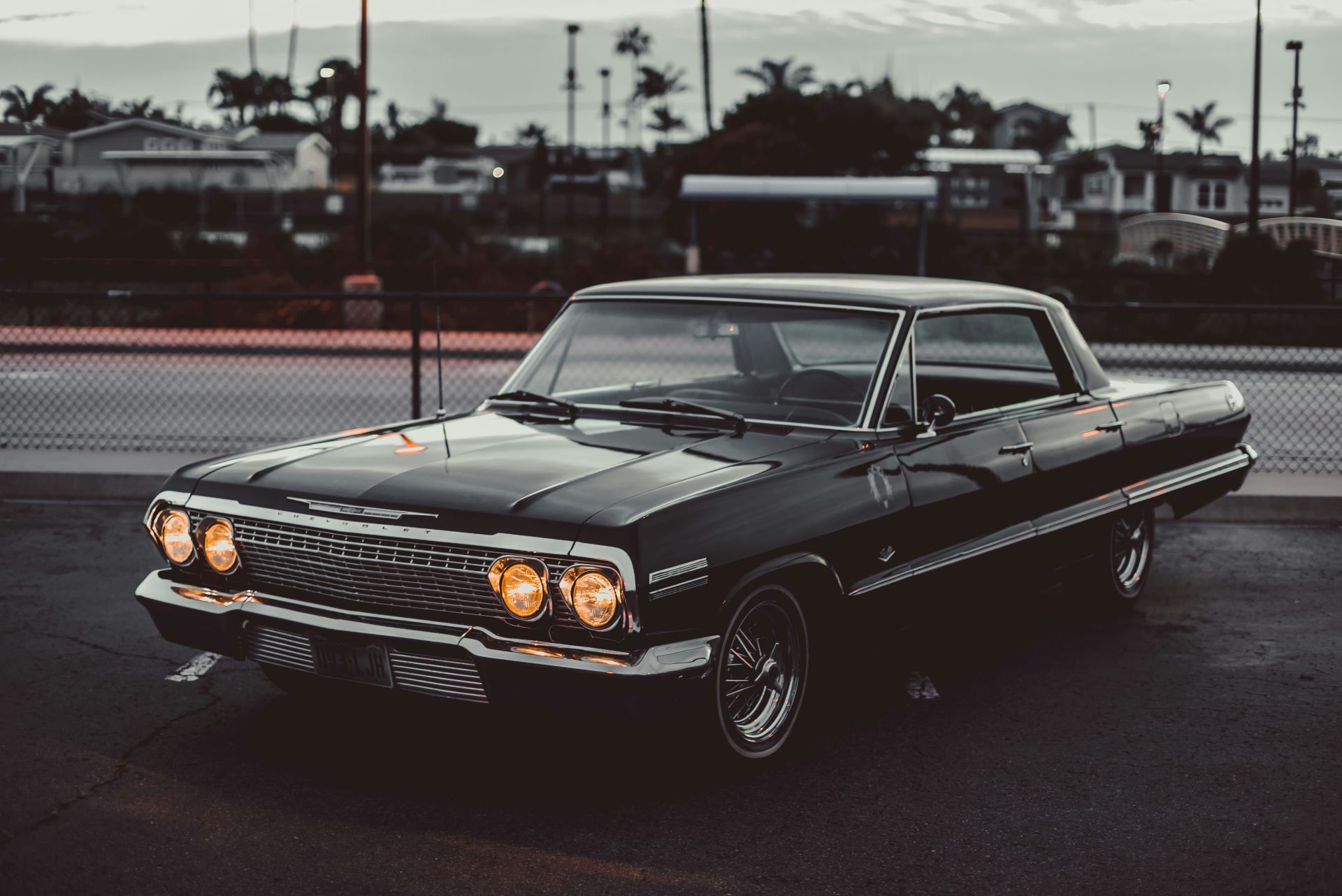
Classic car advertisements continue to captivate audiences by tapping into the deep emotional connection people have with the past. Whether through visual storytelling, music, or cultural symbolism, these ads have left an indelible mark on automotive marketing and consumer behavior. As nostalgia remains a driving force in advertising, it is likely that brands will continue leveraging its power to connect with both older generations who remember these ads firsthand and younger audiences who admire their timeless appeal.
Breyten Odendaal
Specializing in high-performance automotive advertising and digital marketing solutions, delivering cutting-edge insights and the latest news shaping the automotive industry in South Africa.
More From Advertising

Automotive Advertising in 2026: Selling Confidence in a More Competitive Market
As South Africa’s vehicle market becomes more competitive, automotive advertising needs to do more than announce a price or specification. It needs to help buyers understand value, ownership costs and why a vehicle suits their lives.

Automotive Digital Ads in South Africa: A Shift
Exploring how South Africa’s automotive advertising evolved from print and broadcast to data-driven, programmatic digital ecosystems.

The Video Shift in Car Buying Decisions in SA
Explore how video content shapes car purchase decisions in South Africa, comparing short-form and long-form strategies for automotive marketers.