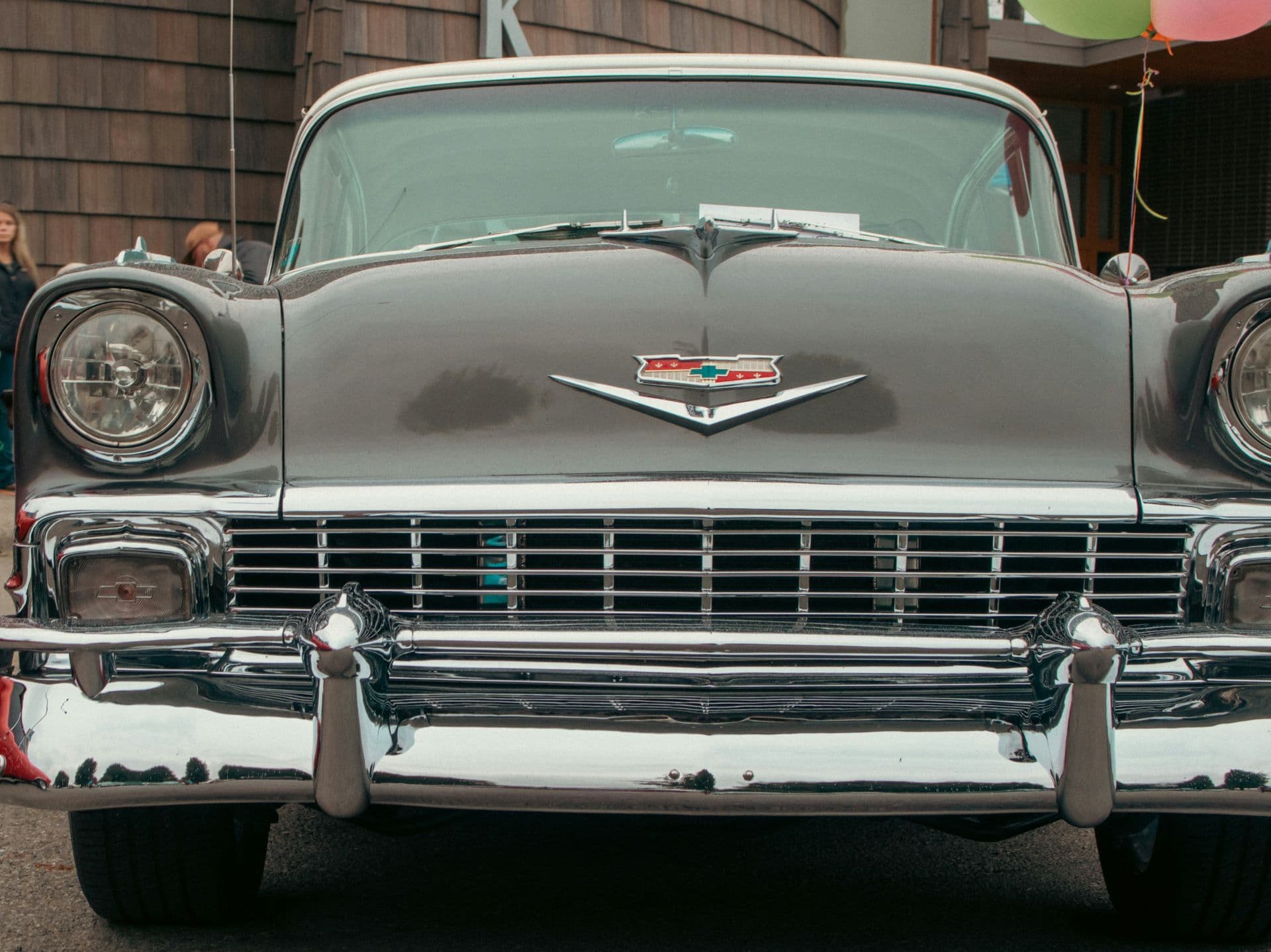
In a world where change happens at an ever-accelerating pace, the longing for the past has become a powerful force, particularly in the realm of advertising. Nostalgia is not just a fleeting emotion; itÔÇÖs a longing for a simpler, more familiar time. This deep emotional pull is used by marketers to create campaigns that resonate on a personal level with consumers, invoking feelings of warmth and security. In automotive advertising, where the vehicle is not just a mode of transport but a symbol of freedom, aspiration, and status, nostalgia marketing has emerged as a pivotal strategy. By tapping into consumer memories, automotive brands can foster a deep emotional connection with their audience, leading to stronger brand loyalty and heightened consumer engagement.
Nostalgia marketing leverages the emotional power of memories and experiences to create a sense of connection between the past and present. ItÔÇÖs a strategy that works because it taps into consumersÔÇÖ desires to relive moments from their past, often evoking a sense of joy, comfort, and familiarity. In the automotive world, this is particularly effective, as cars often play a pivotal role in shaping personal and cultural histories. This article delves into the role of nostalgia in automotive advertising, examining its psychological impact, successful case studies, and the strategies that brands can employ to create campaigns that resonate with their audience.
Understanding Nostalgia Marketing
Nostalgia marketing is the use of emotional appeal to connect a product or service to memories of the past, creating a sense of familiarity and comfort for consumers. ItÔÇÖs rooted in consumer psychology, particularly in the concept of nostalgic longing, where individuals seek to recapture emotions and experiences that they associate with better times. In this regard, nostalgia has a dual purpose: it offers comfort by revisiting the past while simultaneously evoking a sense of security and identity.
There are two primary types of nostalgia used in marketing: personal nostalgia and historical nostalgia. Personal nostalgia is based on an individual's personal memories, such as childhood experiences or milestones. Historical nostalgia, on the other hand, involves a collective sense of longing for a bygone era, often linked to a specific cultural moment or movement.
In automotive advertising, both forms are employed. Personal nostalgia might manifest in a campaign that recalls a family road trip in an iconic car model, while historical nostalgia could celebrate the heyday of a particular car brand or design style. A well-crafted campaign can stir up both types, reminding consumers of the personal joy they associate with driving while invoking the cultural nostalgia of the car as a symbol of a specific time period.
Historical Overview of Nostalgia in Automotive Advertising
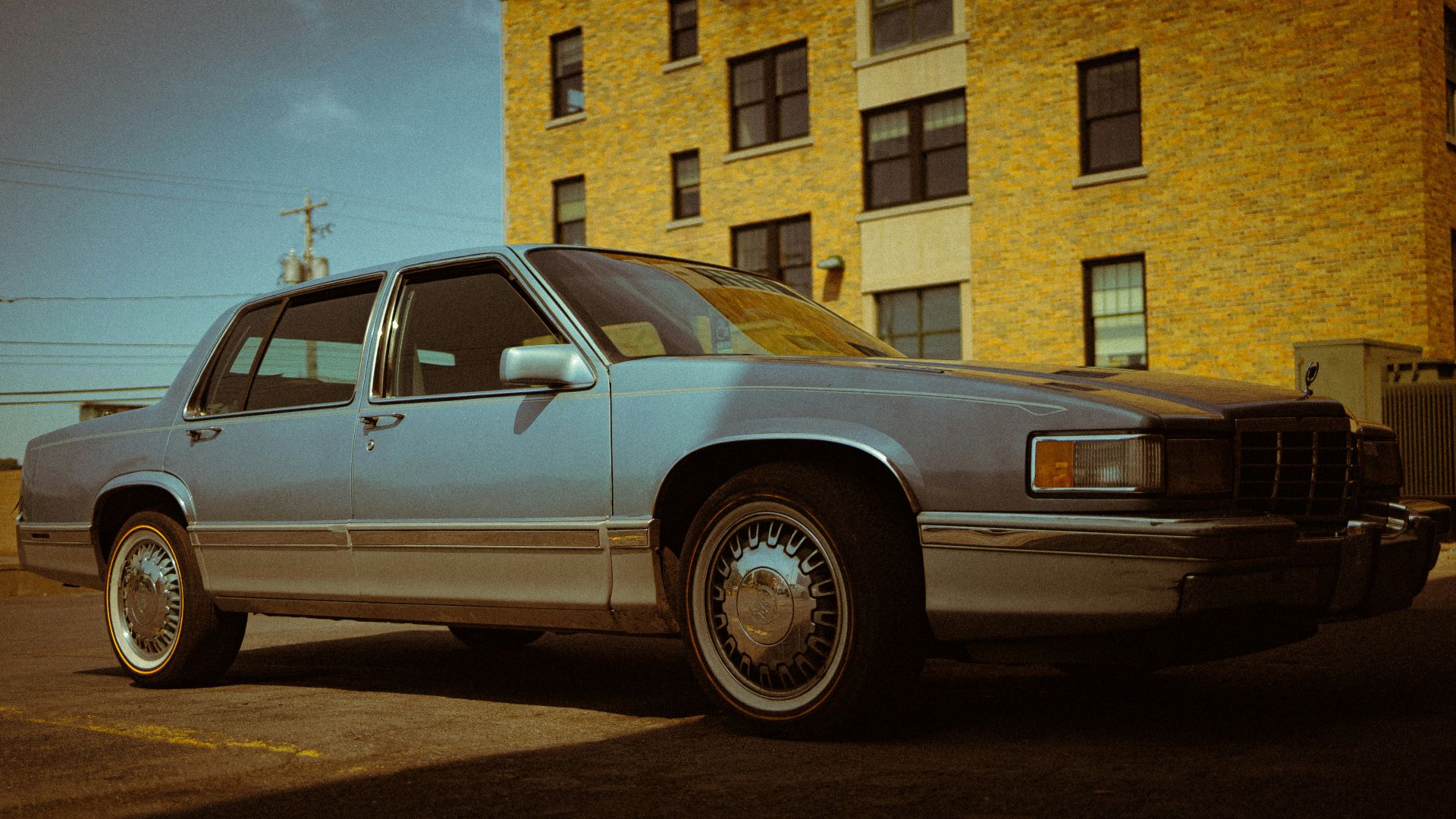
The use of nostalgia in automotive advertising is not a new phenomenon; it has evolved over decades, reflecting shifts in consumer behavior and societal changes. In the post-war era, advertising campaigns often emphasized the optimism and progress of the era, tying cars to the American dream of mobility and freedom. The 1950s, in particular, were a time when the car became a symbol of status and achievement, and automakers like Chevrolet, Ford, and Cadillac capitalized on this with campaigns that celebrated modernity, power, and innovation.
One of the earliest examples of nostalgia-driven automotive advertising came in the 1970s, when the muscle car era began to fade. Automakers like Ford and Dodge used nostalgia to appeal to consumersÔÇÖ longing for the excitement and freedom of the earlier part of the decade, leading to the resurgence of models like the Ford Mustang and the Dodge Charger in the 1980s. These cars, originally designed in the 1960s, were reintroduced with a modern twist, allowing automakers to evoke memories of a time when the American road trip was king.
Another notable example from the 1980s and 1990s is the Volkswagen ÔÇ£Think SmallÔÇØ campaign. While not explicitly nostalgic in its messaging, it harkened back to the simplicity and modesty of earlier eras, resonating with consumers who sought an alternative to the excess and ostentation of larger cars. This campaign would go on to become one of the most successful and iconic in automotive advertising history.
As consumer demographics shifted, particularly with the rise of the baby boomer generation, nostalgia marketing began to adapt. In the late 1990s and early 2000s, with a surge in retro marketing across industries, automotive brands began looking to the past for inspiration. The re-release of models like the Volkswagen Beetle and Ford Mustang in the early 2000s is a testament to the power of nostalgia in re-engaging consumers.
Psychological Impact of Nostalgia in Advertising
The emotional appeal of nostalgia in marketing is backed by a solid foundation of psychological research. Studies have shown that nostalgia has a profound impact on human emotions, triggering feelings of warmth, security, and comfort. The brain's association with past experiences plays a significant role in how we process these emotions. Research indicates that when people reflect on nostalgic memories, they experience increased levels of happiness and relaxation, which in turn boosts their willingness to engage with brands.
Nostalgia also has the ability to counteract feelings of loneliness or anxiety. In an age marked by rapid change and uncertainty, nostalgia offers a form of escapism, allowing individuals to relive more stable and comforting times. This emotional pull makes consumers more receptive to marketing messages that use nostalgia to sell not just a product, but a feeling or experience.
Nostalgia marketing also plays a role in enhancing brand loyalty. Consumers who associate a particular brand or product with positive memories from their past are more likely to develop a lasting emotional attachment to that brand. In the automotive industry, where purchasing decisions are often tied to personal identity and cultural symbolism, this emotional connection is crucial. Car buyers are not just purchasing a mode of transport; they are purchasing an experience, one that might remind them of their first car, a family road trip, or a defining moment in their lives.
Case Studies of Successful Nostalgia Marketing in Automotive
A standout example of successful nostalgia-driven automotive marketing is the Volkswagen "The Force" campaign. This 2011 commercial featured a young boy dressed as Darth Vader attempting to use ÔÇ£The ForceÔÇØ to start his fatherÔÇÖs Volkswagen Passat. Not only did this ad evoke nostalgia for Star Wars fans, but it also connected to the broader theme of family, reminiscent of many parents' experiences of introducing their children to the world of cars.
Another effective campaign is the 2017 Ford Mustang "Find New Roads" ad. While the Mustang has always been associated with the American muscle car era of the 1960s, Ford used nostalgia in a way that simultaneously appealed to both older consumers who remembered the Mustang of the 1960s and younger consumers who were discovering it for the first time. The campaign featured iconic Mustang moments from the past alongside modern-day footage, symbolizing the carÔÇÖs legacy and its enduring appeal across generations.
Chevrolet has also successfully used nostalgia in recent years, particularly with their reintroduction of the Chevrolet Camaro. The brandÔÇÖs marketing focuses heavily on its muscle car heritage, with ads often referencing the history of the Camaro and its association with American car culture. By evoking memories of the 1960s and 1970s, Chevrolet has managed to reignite the passion for the Camaro among older generations while introducing the model to new, younger audiences.
Strategies for Implementing Nostalgia in Automotive Advertising
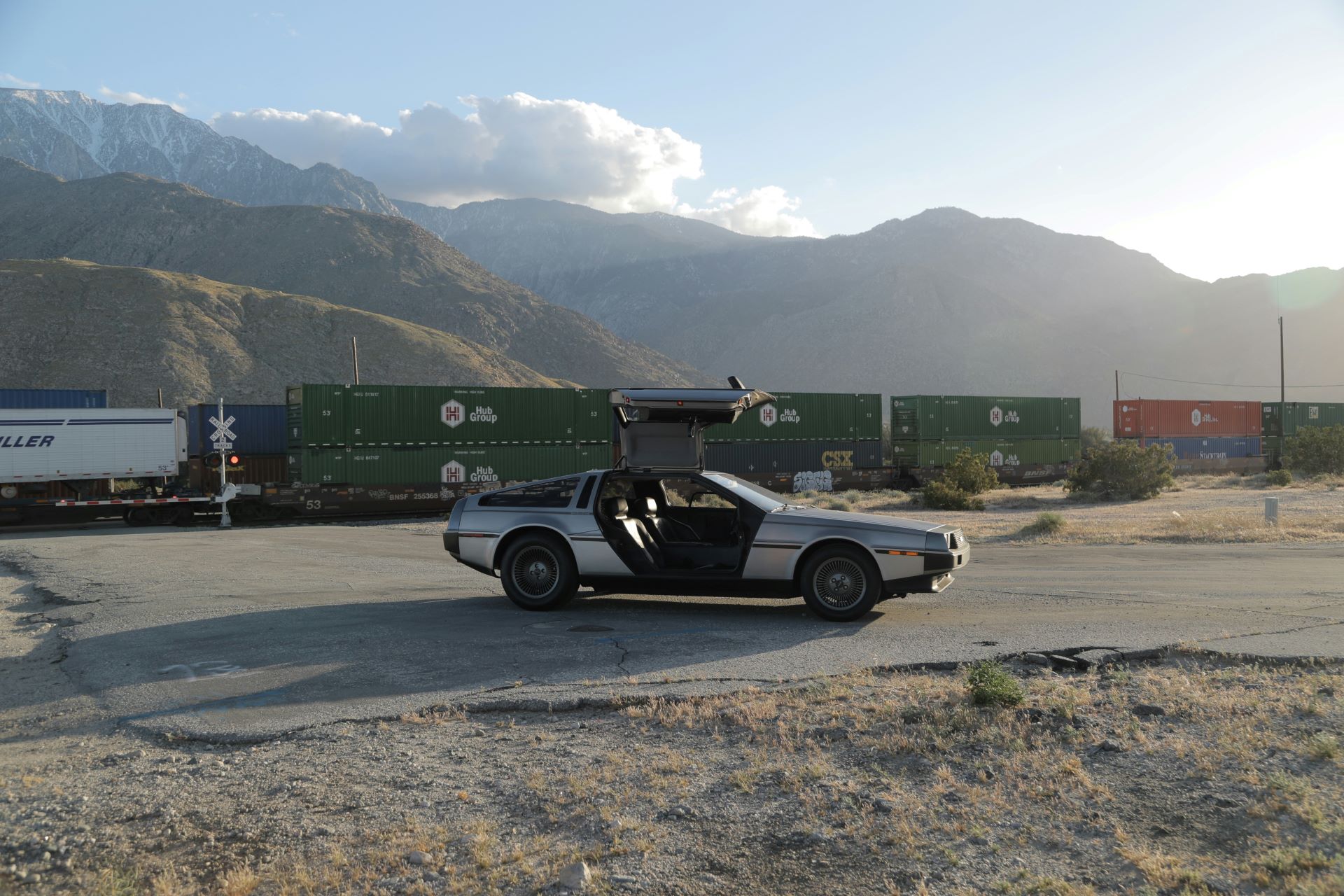
To harness the power of nostalgia effectively, automotive brands must craft campaigns that resonate with their audience on an emotional level. The key to success lies in understanding which nostalgic elements will be most relevant and appealing to the target demographic. Brands can employ several strategies:
However, authenticity is crucial in these campaigns. Overreliance on nostalgia or superficial attempts to capitalize on past memories can backfire, causing the brand to seem inauthentic or disingenuous. Additionally, brands should avoid cultural insensitivity by ensuring that the nostalgic references they use are appropriate for their audience.
Nostalgia Marketing: A Broader Perspective
Nostalgia has been used across industries, not just in automotive. Brands in fashion, entertainment, and even food have successfully implemented nostalgic strategies. Coca-Cola, for example, frequently uses nostalgia to tap into memories of shared experiences, such as family gatherings or holiday celebrations. By examining how other industries leverage nostalgia, automotive brands can draw valuable lessons on how to craft campaigns that appeal to the emotional needs of consumers.
In the digital age, nostalgia marketing has a growing potential. With the increasing role of social media and digital storytelling, brands can engage directly with their audience, creating personalized experiences that evoke nostalgia on a more individual level. This level of engagement has the potential to deepen the emotional connection between consumers and brands, ensuring that nostalgia marketing continues to be a relevant and impactful tool for years to come.
Challenges and Criticisms of Nostalgia Marketing
While nostalgia marketing can be incredibly effective, it is not without its challenges. One of the primary criticisms is that it can be manipulative. By appealing to consumers' emotional vulnerabilities, brands may be accused of using nostalgia as a crutch rather than creating innovative campaigns. Additionally, nostalgia marketing can sometimes alienate younger audiences who may not relate to the historical references or memories being invoked.
Moreover, nostalgia marketing carries the risk of appearing outdated or out of touch, especially if the cultural references used no longer resonate with contemporary sensibilities. A fine balance is required to ensure that nostalgia doesnÔÇÖt overshadow the brandÔÇÖs present identity or alienate newer, younger consumers.
Nostalgia marketing, particularly in the automotive sector, is a powerful tool that taps into the deep emotional connections consumers have with the past. By evoking fond memories of iconic cars, cultural milestones, and family experiences, automotive brands can build strong emotional ties with their audience. The key to successful nostalgia marketing lies in authenticity, relatability, and the ability to seamlessly integrate past and present. As automotive brands continue to evolve in an ever-changing marketplace, nostalgia will undoubtedly remain a valuable resource for forging lasting connections with consumers.
Breyten Odendaal
Specializing in high-performance automotive advertising and digital marketing solutions, delivering cutting-edge insights and the latest news shaping the automotive industry in South Africa.
More From Advertising

Automotive Advertising in 2026: Selling Confidence in a More Competitive Market
As South Africa’s vehicle market becomes more competitive, automotive advertising needs to do more than announce a price or specification. It needs to help buyers understand value, ownership costs and why a vehicle suits their lives.

Automotive Digital Ads in South Africa: A Shift
Exploring how South Africa’s automotive advertising evolved from print and broadcast to data-driven, programmatic digital ecosystems.

The Video Shift in Car Buying Decisions in SA
Explore how video content shapes car purchase decisions in South Africa, comparing short-form and long-form strategies for automotive marketers.