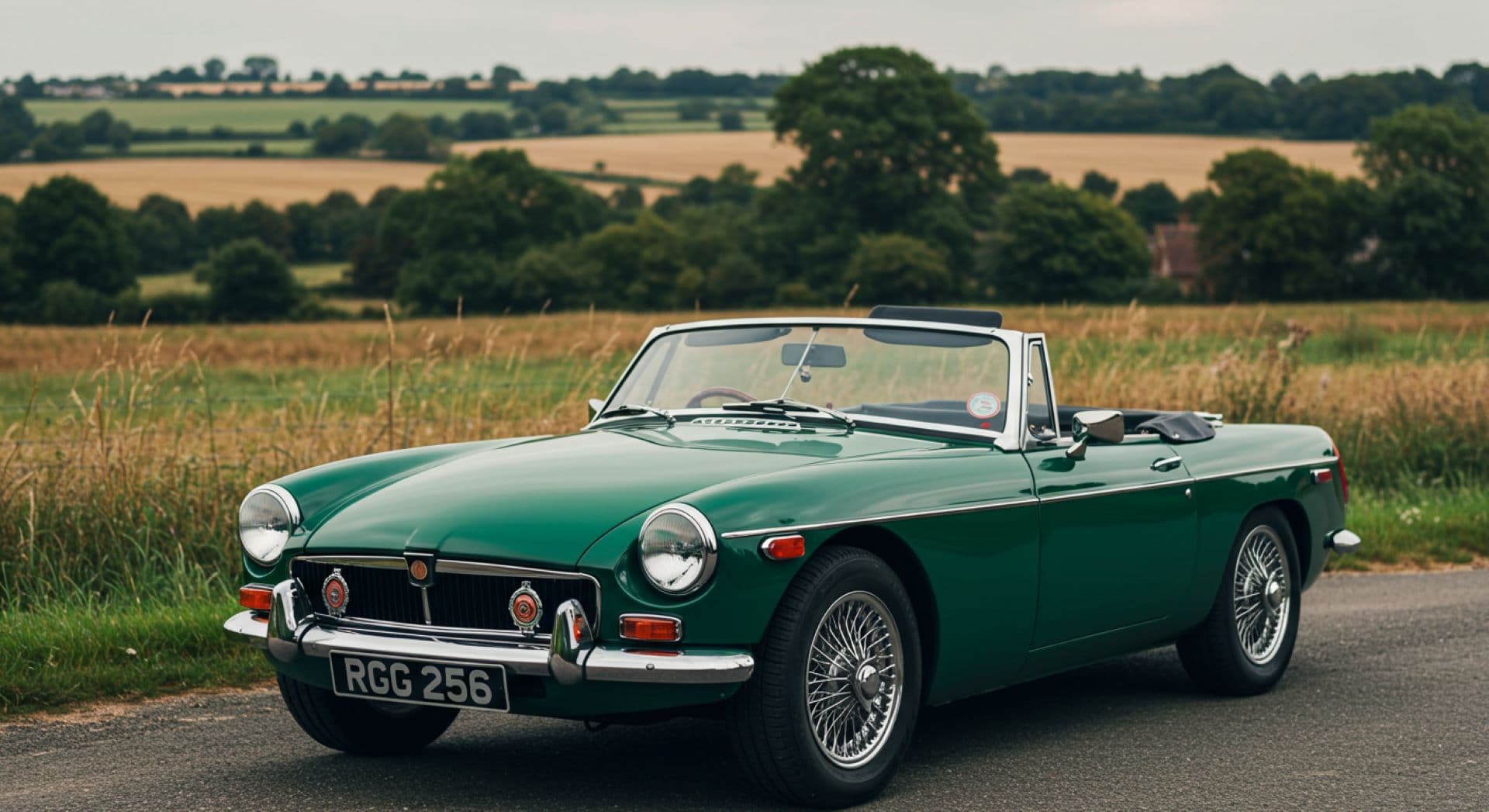
Nostalgia is a powerful emotional forceÔÇöa bittersweet yearning for the past that can evoke deep-seated memories and emotions. In the realm of marketing, nostalgia transcends simple sentimentality; it acts as a bridge connecting past and present, fusing cherished memories with contemporary consumer desires. In automotive marketing, this emotional appeal is harnessed to rekindle the magic of classic car models, inviting a new generation of enthusiasts to experience a storied legacy. By reviving iconic vehicles, manufacturers not only celebrate their heritage but also create a unique narrative that differentiates their brands in an increasingly competitive market.
At its core, nostalgia in automotive marketing is about more than merely reintroducing old designsÔÇöit is about telling a story. ItÔÇÖs a story of innovation rooted in tradition, where every curve and contour of a vehicle recalls an era defined by distinct design philosophies and cultural touchstones. For many consumers, these cars symbolize freedom, rebellion, or a simpler time when the open road promised endless adventures. The emotional attachment formed over years of admiration for these models drives a renewed interest, allowing modern buyers to feel connected to a legacy that is both personal and historical.
Automakers have recognized that the revival of classic models is not a mere nod to the past but a strategic marketing tool that caters to a diverse audience. For older generations, these vehicles are reminiscent of their youthÔÇöa tangible link to memories that shaped their identities. For younger consumers, the allure lies in the blend of retro aesthetics with modern technology, creating a product that is both familiar and innovative. The juxtaposition of old-world charm with contemporary performance standards is not accidental; it is a calculated move to broaden appeal and capture market share.
Throughout this article, we will delve into the historical evolution of nostalgia in marketing, examine landmark case studies of revived automotive icons, and analyze the psychological underpinnings that make nostalgia such an effective tool. We will also explore current digital strategies that leverage nostalgic narratives and discuss the challenges that come with relying on sentimentality as a central marketing pillar. Finally, we will cast our gaze toward the future, considering emerging trends and technologies that promise to redefine how nostalgia is harnessed in the automotive sector.
By examining these diverse facets, we gain a comprehensive understanding of why nostalgia is far more than a fleeting trendÔÇöit is a resilient strategy that taps into the collective consciousness, transforms brand identities, and ultimately drives consumer behavior. As we navigate through the intersections of memory, emotion, and commerce, the enduring allure of classic models reveals itself as a vital ingredient in the ever-evolving recipe of automotive marketing.
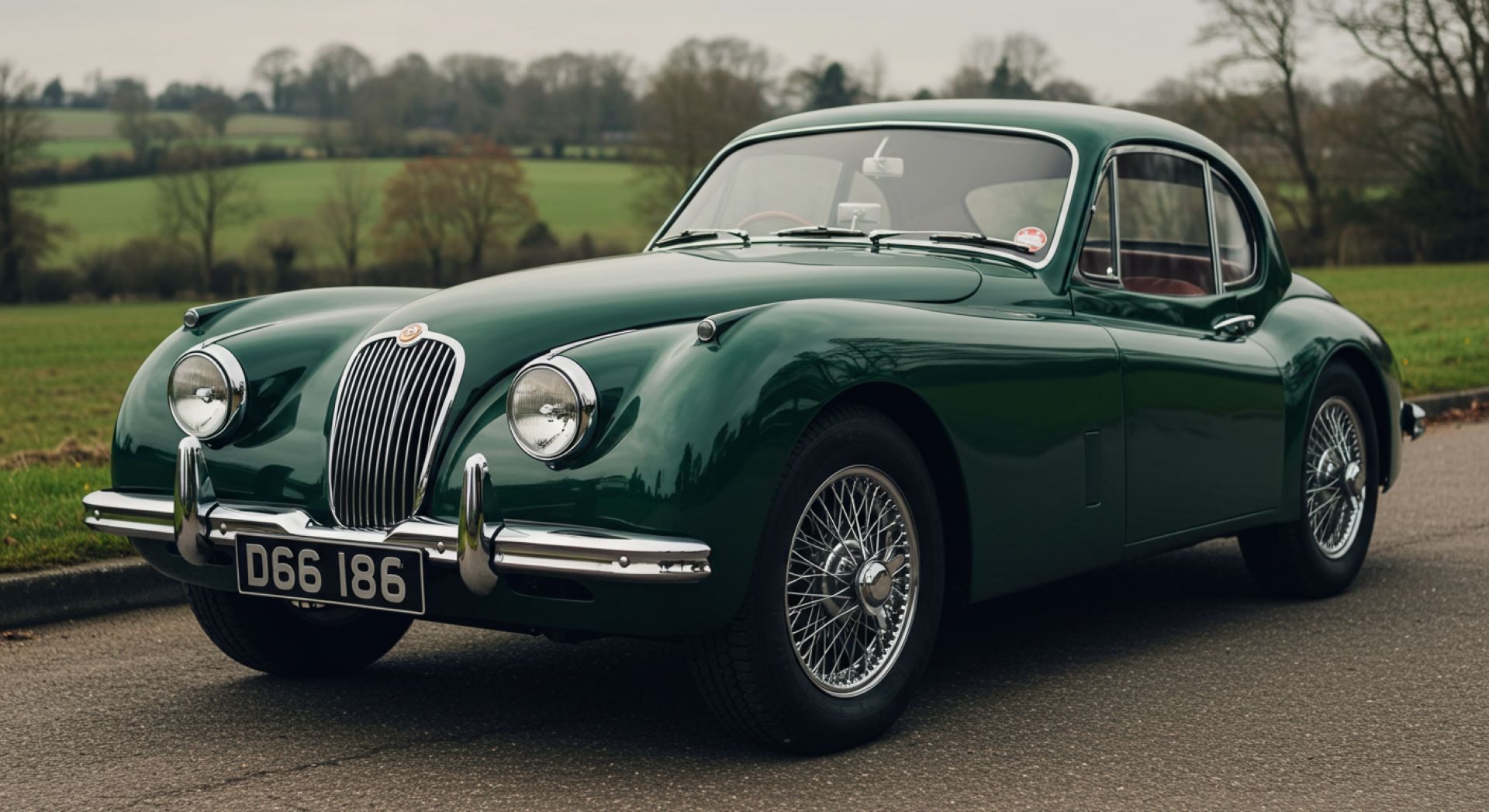
Historical Context
The phenomenon of nostalgia in marketing is not new. It has long been a staple strategy across various industries, especially in contexts where heritage and tradition play a significant role in brand identity. Historically, companies have tapped into nostalgia to evoke positive memories and foster emotional connections with their consumers. In the automotive sector, this trend has been particularly pronounced, with brands often looking back at iconic models and design elements to reinvent their product lineups.
The roots of nostalgic marketing can be traced back to a time when consumer products were more than mere commoditiesÔÇöthey were symbols of an era. Advertisements from the mid-20th century, for instance, capitalized on the ideals of post-war optimism, familial bonds, and American ingenuity. Classic cars were not just modes of transportation; they were statements of personal freedom and economic prosperity. This emotional connection provided fertile ground for later marketing strategies that would seek to revive these sentiments in a modern context.
Over the decades, the broader marketing landscape has seen numerous examples of vintage and retro branding. From the resurgence of vinyl records in the music industry to the comeback of retro video games, nostalgia has proven its enduring appeal. These trends reflect a collective longing for an era perceived as more authentic and less complicated than todayÔÇÖs fast-paced, technology-driven world. In many ways, nostalgia acts as a counterbalance to modernityÔÇöa reminder that while technology advances, certain emotional truths remain timeless.
In the automotive industry, the history of nostalgia is equally compelling. Early instances of nostalgic automotive marketing can be observed in limited-edition releases and heritage models that paid homage to past successes. The idea was simple: leverage the emotional resonance of a bygone era to spark interest in contemporary products. This approach not only reinvigorated interest in established models but also provided a sense of continuity and legacy that resonated deeply with consumers.
Brands like Ford, Volkswagen, and Mini have historically leveraged their storied pasts to create compelling narratives around their products. By reintroducing design elements and features reminiscent of earlier models, these companies tapped into a rich cultural reservoir. They effectively communicated that their vehicles were not only technologically advanced but also carried the soul of their historic predecessors. This melding of past and present was designed to evoke trust and reliabilityÔÇöqualities that are essential in a market where brand loyalty is often hard-earned and fiercely guarded.
Moreover, nostalgia in automotive marketing is not confined to aesthetics alone. It encompasses a broader cultural narrative that includes music, fashion, and even socio-political influences that defined specific eras. Automotive advertisements from the 1960s and 1970s, for example, did more than just showcase carsÔÇöthey captured the zeitgeist of the time, embedding vehicles in a larger story about freedom, rebellion, and the pursuit of happiness. These cultural touchpoints have allowed modern marketing campaigns to resonate on multiple levels, drawing in a diverse audience that values both innovation and tradition.
In summary, the historical context of nostalgia in marketing is one of evolution and adaptation. As consumer tastes have changed, so too has the way brands evoke their past to create relevance in the present. The automotive industry, with its rich legacy of iconic models and memorable design philosophies, stands as a testament to the enduring power of nostalgia. By understanding these historical foundations, we gain insight into why nostalgia remains a potent force in todayÔÇÖs marketing strategies, especially as automakers look to blend classic appeal with modern functionality.
Case Studies of Classic Revivals
In recent decades, several automotive brands have masterfully utilized nostalgia by reviving classic models that resonate with consumers on multiple levels. These case studies illustrate how blending heritage with modern technology can result in not only heightened brand loyalty but also impressive market performance.
Ford Mustang
The Ford Mustang is arguably one of the most iconic muscle cars in automotive history. Its revival has been a textbook example of leveraging nostalgia while integrating contemporary performance enhancements. In the mid-2010s, Ford reintroduced updated versions of the Mustang that retained its signature design elementsÔÇösuch as the aggressive grille and long hoodÔÇöwhile incorporating state-of-the-art engine technology and digital interfaces. The marketing campaign emphasized the MustangÔÇÖs storied past, juxtaposing vintage advertisements with modern visuals that showcased its evolution. This approach struck a chord with both long-time enthusiasts and younger consumers, resulting in record-breaking sales figures and a reinvigorated brand image.
FordÔÇÖs campaign was multifaceted, employing television spots, social media teasers, and experiential events that allowed fans to interact with the car firsthand. The nostalgic narrative was further bolstered by testimonials from automotive legends and enthusiasts who recounted their personal experiences with earlier models. The dual focus on heritage and innovation not only underscored the MustangÔÇÖs timeless design but also positioned it as a vehicle capable of meeting modern performance standards. This successful revival has made the Mustang a benchmark for how nostalgia can be harnessed in automotive marketing.
Mini Cooper
Another standout example is the Mini Cooper, a brand that has successfully reinvented itself while staying true to its roots. Originally celebrated for its quirky design and nimble performance, the Mini Cooper faced a challenge in the early 2000s: how to appeal to a new generation without losing the essence that made it a cultural icon. The solution lay in a strategic revival that emphasized its retro charm while integrating modern comforts and technology.
MiniÔÇÖs marketing campaign was built around the idea of ÔÇ£small is beautifulÔÇØÔÇöa nod to its compact design and the clever use of space that characterized earlier models. The brandÔÇÖs advertisements often featured vintage-style visuals, paired with contemporary settings that highlighted the carÔÇÖs adaptability to modern urban life. Social media played a critical role, as Mini leveraged user-generated content and nostalgia-driven challenges to create a sense of community among enthusiasts. The result was a rejuvenated brand that maintained its original charm while appealing to a diverse, modern audience.
Sales figures and positive consumer reviews confirmed the success of this strategy. The Mini Cooper not only re-established its presence in a competitive market but also became a case study in effective nostalgic branding. By emphasizing its heritage and cleverly marrying it with current trends, the Mini Cooper has managed to carve out a unique niche in the automotive industry.
Volkswagen Beetle
The Volkswagen Beetle offers yet another compelling case study. Known for its distinctive, rounded design and quirky personality, the Beetle became an emblem of counterculture in the 1960s. Its revival in the early 2000s was met with both excitement and skepticism. However, VolkswagenÔÇÖs strategic marketing approach transformed potential challenges into opportunities.
The campaign for the BeetleÔÇÖs revival capitalized on the carÔÇÖs iconic silhouette and the cultural significance it held across generations. Advertisements frequently featured vintage imagery alongside modern design elements, reinforcing the idea that the Beetle was not merely a relic but a living icon. Volkswagen also organized interactive campaigns, including virtual tours of historic models and behind-the-scenes footage of the design evolution. This transparency helped to demystify the revival process and build trust among consumers, who felt intimately connected to the brandÔÇÖs legacy.
Consumer response was overwhelmingly positive. The revived Beetle not only attracted older generations who remembered its original charm but also captured the interest of younger buyers intrigued by its retro appeal and modern conveniences. The strategic blend of nostalgia with innovation resulted in sustained sales and a reinvigorated market presence, positioning the Beetle as a symbol of enduring design and cultural continuity.
Each of these case studies demonstrates that nostalgia-based revivals are more than mere throwbacks; they are carefully curated strategies that tap into deep emotional reservoirs. By highlighting the evolution of design, performance, and cultural significance, automotive brands have successfully created campaigns that resonate across generations. These examples underscore the notion that while technology and trends may evolve, the emotional connection to heritage remains a potent force in automotive marketing.
Psychological Impact on Consumers
Understanding the psychological mechanisms behind nostalgia is essential to appreciating its efficacy in automotive marketing. At its core, nostalgia is an emotion that bridges the past with the present, evoking memories that provide comfort and continuity. For automotive enthusiasts, classic car models are more than just vehiclesÔÇöthey are repositories of personal and collective memories that trigger positive associations and emotional engagement.
Psychologically, nostalgia operates by activating the brainÔÇÖs reward centers, releasing neurotransmitters such as dopamine that induce feelings of happiness and satisfaction. When consumers encounter familiar imagery or design elements reminiscent of a bygone era, their brains respond by retrieving vivid memories of previous experiences. This process not only elevates mood but also strengthens brand attachment, making consumers more likely to develop long-term loyalty to a brand that embodies those cherished memories.
Experts in consumer psychology argue that nostalgia serves as a buffer against the uncertainties of modern life. In times of rapid technological change and cultural flux, the familiar becomes a source of stability. This effect is particularly pronounced in the automotive sector, where vehicles often symbolize freedom, reliability, and identity. By evoking the sensory experiences of the pastÔÇöthe sound of a revving engine, the tactile feel of a well-crafted interior, or even the distinctive design cues of a classic modelÔÇöautomakers tap into a reservoir of positive emotions that can influence purchasing decisions.
Several psychological studies have corroborated these observations. Research indicates that consumers exposed to nostalgic stimuli exhibit increased willingness to pay premium prices, heightened brand engagement, and stronger emotional attachment. Automotive brands that skillfully integrate nostalgic elements into their marketing campaigns often see measurable improvements in customer satisfaction and loyalty metrics. This is particularly true when the campaign resonates on a personal level, invoking memories that are both individual and culturally significant.
For automotive enthusiasts, nostalgia is intertwined with identity. Classic cars are not just products; they represent ideals, aspirations, and milestones. The revival of a cherished model can evoke a sense of pride and belonging, reinforcing the consumerÔÇÖs connection to a larger community of like-minded individuals. This communal aspect of nostalgia fosters word-of-mouth promotion, social media engagement, and even grassroots movements that celebrate automotive heritage.
Moreover, nostalgia can mitigate the cognitive dissonance that sometimes accompanies major purchase decisions. When faced with the high costs and potential uncertainties of buying a new car, the comforting reminder of a trusted, time-tested model can simplify the decision-making process. The emotional reassurance provided by nostalgia can tip the scales in favor of brands that honor their past while offering modern benefits.
In summary, the psychological impact of nostalgia in automotive marketing is profound. It taps into deep emotional reservoirs, linking past experiences with present aspirations. Through carefully crafted narratives and evocative design cues, automotive brands are able to create a sense of continuity and belonging that not only drives immediate sales but also builds enduring brand loyalty. By understanding and leveraging these psychological principles, marketers can continue to harness the power of nostalgia to captivate and inspire consumers in an ever-evolving market landscape.
Modern Marketing Strategies Using Nostalgia
As we move further into the digital age, the ways in which nostalgia is leveraged in automotive marketing have evolved dramatically. Modern marketing strategies combine traditional nostalgic elements with cutting-edge digital technology, creating immersive experiences that resonate with todayÔÇÖs tech-savvy consumers.
Digital platforms have become a pivotal channel for nostalgic storytelling. Social media campaigns, for instance, are crafted to evoke memories through the use of vintage imagery, retro filters, and throwback content that pays homage to classic designs. Automakers now regularly launch hashtag campaigns inviting fans to share their own memories and experiences with beloved models, thereby creating a digital community that celebrates shared heritage. This user-generated content not only amplifies the reach of the campaign but also deepens consumer engagement through authentic, personal narratives.
Virtual reality (VR) and augmented reality (AR) are also emerging as key tools in modern nostalgic marketing. Brands have begun offering virtual showrooms where consumers can explore the evolution of their vehiclesÔÇöfrom classic models to contemporary iterationsÔÇöin an interactive, immersive environment. Such experiences allow users to ÔÇ£step intoÔÇØ a bygone era while appreciating modern innovations. This melding of past and present provides a unique, hands-on understanding of a brandÔÇÖs legacy and the transformative journey of its vehicles.
Automotive websites and digital content hubs now often feature rich multimedia stories that trace the lineage of classic models. High-quality documentaries, interactive timelines, and detailed infographics offer consumers a deep dive into the historical and cultural significance of these vehicles. These digital narratives are frequently backed by data and expert insights, ensuring that the content is not only engaging but also authoritative. By merging storytelling with data-driven insights, automotive brands can effectively communicate the value of their heritage and its relevance in todayÔÇÖs market.
Another modern strategy involves the integration of nostalgic themes into experiential marketing events. Pop-up exhibitions, retro-themed auto shows, and heritage days at dealerships allow consumers to physically engage with classic models. These events are often complemented by digital campaigns that extend the experience online, creating a seamless blend of physical and digital marketing. Such initiatives foster a multisensory experience, ensuring that the emotional impact of nostalgia is felt both online and offline.
Automotive brands are also partnering with influencers and celebrity ambassadors who resonate with nostalgic narratives. These partnerships serve to amplify the reach of the campaign and lend additional credibility. Influencers share personal anecdotes and vintage photos that highlight their own connections with classic models, thereby reinforcing the campaignÔÇÖs authenticity. Their stories, disseminated across various social platforms, help bridge the gap between generations, drawing in younger audiences who may not have experienced the original glory days of these vehicles.
Furthermore, data analytics play an increasingly crucial role in modern nostalgic marketing. By analyzing consumer behavior and sentiment on digital platforms, marketers can tailor their nostalgic content to align with audience preferences. This data-driven approach ensures that the campaigns are not only visually appealing but also strategically targeted to maximize impact and return on investment.
In essence, modern marketing strategies using nostalgia are characterized by a seamless integration of traditional emotional appeals with innovative digital technologies. The result is a multifaceted approach that reaches a diverse audienceÔÇöinviting long-time enthusiasts to reminisce while enticing a new generation with interactive, immersive experiences. As digital platforms continue to evolve, so too will the methods by which automakers harness nostalgia, ensuring that the past remains a vibrant and influential part of the present and future.
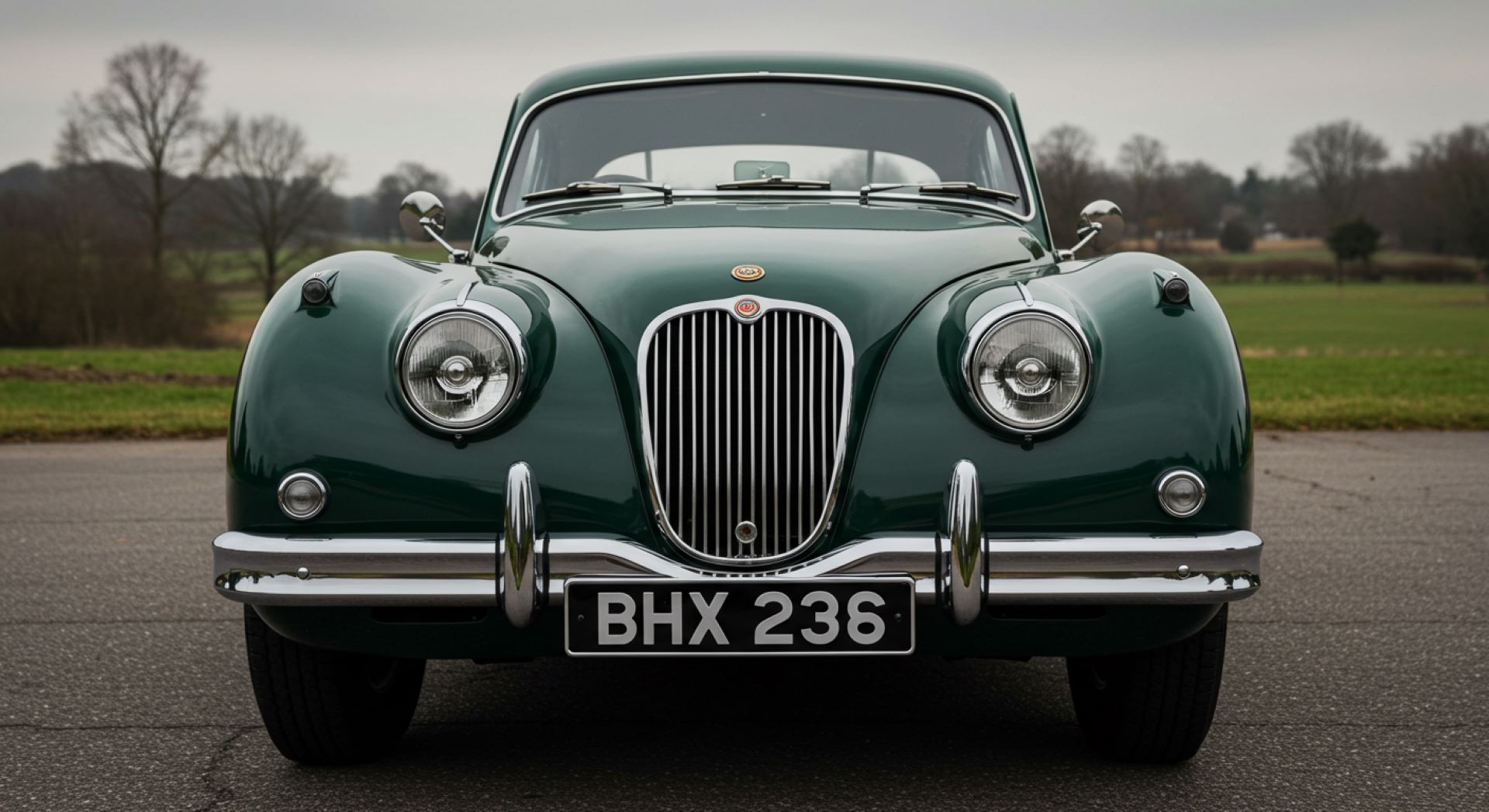
Challenges and Criticisms
While the use of nostalgia in automotive marketing has proven to be a highly effective strategy, it is not without its challenges and criticisms. One of the primary concerns is the risk of over-reliance on the past. Brands that focus too heavily on nostalgic elements may find themselves pigeonholed, struggling to innovate beyond the confines of their historical identity. This can lead to a perception that the company is resting on its laurels rather than forging a path forward. Critics argue that such an approach might alienate younger consumers who seek modernity, cutting-edge technology, and futuristic designs.
Another challenge is the potential dilution of brand identity. In attempting to evoke nostalgia, some campaigns may inadvertently gloss over the brandÔÇÖs present-day achievements and future aspirations. When the marketing narrative is dominated by past glories, the company risks appearing out of touch with current trends and consumer expectations. This imbalance can undermine confidence in the brandÔÇÖs ability to innovate, particularly in an industry as dynamic as automotive manufacturing.
There is also the issue of authenticity. Nostalgia-based campaigns must strike a delicate balance between reverence for the past and the need for genuine, modern innovation. Consumers are increasingly discerning and can detect when a revival feels contrived or manufactured. Authenticity is key; a campaign that appears to be merely exploiting sentimentality without substantive innovation may backfire, leading to consumer skepticism and diminished brand trust.
Furthermore, nostalgia can be a double-edged sword. While it is effective at invoking positive emotions, it can also trigger negative memories or a sense of exclusion among those who do not share the same historical experiences. For instance, a model celebrated for its historical significance in one market may not carry the same weight in another where the cultural context differs. This geographic and generational disparity can complicate global marketing strategies, forcing brands to tailor their nostalgic narratives to diverse audiencesÔÇöa process that is both challenging and resource-intensive.
From a strategic standpoint, there is the inherent risk of market saturation. As more brands adopt nostalgia as a key marketing tool, the uniqueness of this approach diminishes. Over time, consumers may become desensitized to nostalgic appeals if they perceive them as ubiquitous or formulaic. This saturation can dilute the emotional impact and reduce the effectiveness of such campaigns, prompting brands to continuously seek innovative ways to refresh their nostalgic narratives.
Critics also point to the financial implications of nostalgia-driven marketing. Reviving classic models often requires significant investment in research and development, production retooling, and comprehensive marketing campaigns. These costs can be substantial, and if the revived models do not perform as expected, the financial risks can be considerable. In a market where consumer preferences are constantly evolving, the gamble on nostalgia does not always guarantee a profitable return.
Lastly, there is an ongoing debate about the broader cultural implications of nostalgia. Some argue that an overemphasis on the past can hinder progress by encouraging a conservative mindset that resists change and innovation. This tension between honoring tradition and embracing the future is a recurring theme in the automotive industry. While nostalgia can evoke a sense of continuity and stability, it must be balanced with a forward-looking vision that embraces the technological advancements and environmental imperatives of the modern era.
In summary, while nostalgia remains a powerful tool in automotive marketing, it comes with a set of inherent challenges. Brands must navigate the fine line between celebrating the past and driving future innovation, ensuring that their nostalgic appeals are both authentic and strategically balanced. By addressing these criticisms head-on, automotive marketers can better harness nostalgiaÔÇÖs power without falling into the pitfalls of over-reliance or misdirected sentimentality.
Future Trends
Looking ahead, the role of nostalgia in automotive marketing is poised to evolve in exciting and innovative ways. Emerging technologies and shifting consumer attitudes are set to redefine how brands leverage their historical legacies to connect with modern audiences. One of the most significant trends on the horizon is the integration of augmented reality (AR) and virtual reality (VR) into the nostalgic marketing mix. These immersive technologies offer consumers the opportunity to experience a brandÔÇÖs heritage in a completely new dimensionÔÇövirtually stepping into a vintage showroom or even ÔÇ£drivingÔÇØ a classic model through digitally recreated historic settings. Such interactive experiences not only enhance consumer engagement but also provide a deeper understanding of a brandÔÇÖs evolution over time.
Another future trend is the increasing personalization of nostalgic marketing. As data analytics become more sophisticated, automotive brands will be better equipped to tailor nostalgic narratives to individual consumer profiles. This hyper-personalization can include customized digital experiences that highlight a consumerÔÇÖs own history with a brand, potentially drawing on past purchases, social media interactions, and even regional preferences. By aligning nostalgic appeals with personal experiences, marketers can create a more resonant and emotionally charged connection with each customer.
Sustainability will also play a pivotal role in shaping future nostalgia campaigns. As the automotive industry shifts toward electric and hybrid models, there is a growing opportunity to merge classic design elements with eco-friendly technology. Future revivals might not only celebrate the aesthetic and cultural legacy of classic models but also reimagine them through the lens of modern sustainability. This fusion of past design with future-oriented technology can create a compelling narrative that appeals to environmentally conscious consumers while honoring a brandÔÇÖs storied history.
Moreover, as global markets continue to converge, there is likely to be a more nuanced approach to nostalgia that accounts for diverse cultural narratives. While classic models may evoke specific memories in one region, automakers will need to adapt their nostalgic strategies to resonate across different cultural contexts. This could involve localized campaigns that draw on regional histories and consumer sentiments, ensuring that the appeal of nostalgia is both universal and tailored.
The role of social media influencers and digital content creators is set to expand further, as these figures continue to bridge the gap between generations. Their ability to curate content that highlights both retro aesthetics and modern innovations can amplify nostalgic narratives to reach broader and more diverse audiences. By partnering with influencers who have a genuine connection to the brandÔÇÖs heritage, automotive companies can ensure that their nostalgic appeals remain fresh and authentic.
Lastly, advancements in artificial intelligence (AI) and machine learning will empower marketers to predict trends and consumer behavior with greater accuracy. These technologies can analyze vast amounts of data to identify which nostalgic elements are resonating most with consumers, enabling brands to fine-tune their messaging in real time. As a result, future nostalgia campaigns will be more agile, data-driven, and responsive to the ever-changing landscape of consumer preferences.
In conclusion, the future of nostalgia in automotive marketing is set to be dynamic and multifaceted. By embracing emerging technologies, personalizing consumer experiences, integrating sustainability, and adapting to global cultural nuances, automotive brands can continue to harness the emotional power of nostalgia in innovative ways. The challenge will be to balance reverence for the past with a commitment to future-forward thinkingÔÇöa balancing act that, when executed successfully, promises to keep the allure of classic models alive for generations to come.
Nostalgia remains one of the most potent forces in automotive marketing, serving as both a tribute to a bygone era and a dynamic tool for engaging todayÔÇÖs consumers. As we have explored, the revival of classic car models is much more than a simple reissueÔÇöit is a sophisticated strategy that blends historical legacy, psychological appeal, and modern technological innovations. From the legendary Ford Mustang to the iconic Mini Cooper and Volkswagen Beetle, these revivals demonstrate how a deep connection to the past can drive brand loyalty and market success.
By tapping into the collective memory of automotive enthusiasts, brands create narratives that are both emotionally resonant and strategically effective. However, as this article has discussed, nostalgia-based marketing is not without its challenges. The balance between honoring heritage and embracing innovation must be carefully managed to avoid stagnation and ensure long-term growth.
Looking to the future, the continued integration of digital technologies and personalized marketing strategies promises to keep nostalgia at the forefront of automotive marketing. As automakers adapt to evolving consumer preferences and emerging trends, the nostalgic appeal of classic models will remain a powerful vehicle for storytellingÔÇöa means to bridge generational gaps and inspire a renewed sense of passion for the open road.
In the end, the revival of classic automotive designs is a testament to the enduring impact of the past on our present and future. As brands continue to navigate the delicate interplay between memory and innovation, nostalgia will undoubtedly remain a driving force in shaping the automotive landscape for years to come.
Breyten Odendaal
Specializing in high-performance automotive advertising and digital marketing solutions, delivering cutting-edge insights and the latest news shaping the automotive industry in South Africa.
More From Advertising

Automotive Advertising in 2026: Selling Confidence in a More Competitive Market
As South Africa’s vehicle market becomes more competitive, automotive advertising needs to do more than announce a price or specification. It needs to help buyers understand value, ownership costs and why a vehicle suits their lives.

Automotive Digital Ads in South Africa: A Shift
Exploring how South Africa’s automotive advertising evolved from print and broadcast to data-driven, programmatic digital ecosystems.

The Video Shift in Car Buying Decisions in SA
Explore how video content shapes car purchase decisions in South Africa, comparing short-form and long-form strategies for automotive marketers.