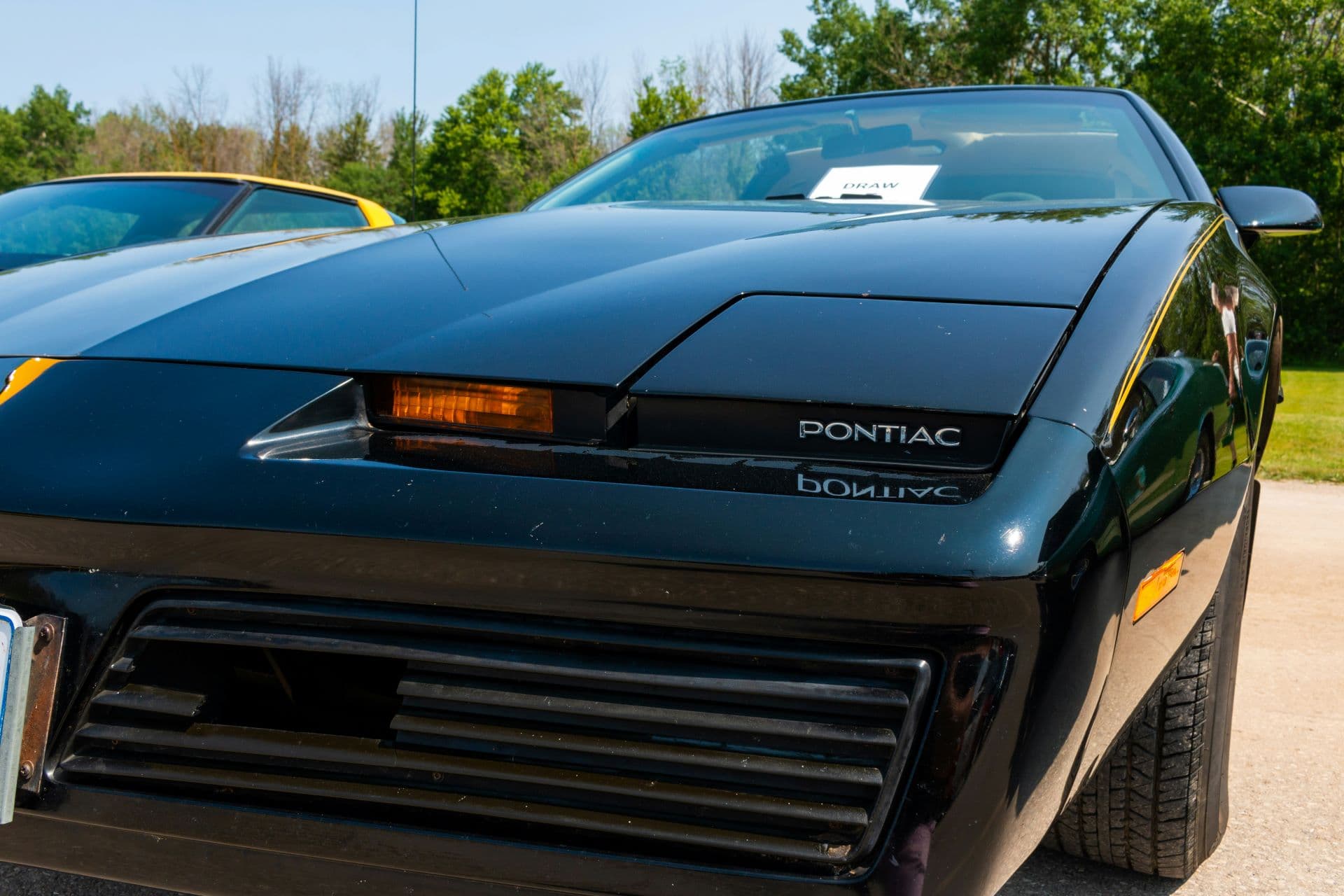
The Emotional Engine of Memory
ThereÔÇÖs a reason a car like the Fiat 500 can roll into a modern showroom and instantly feel familiar. The automotive industry has long understood that emotion fuels purchasing decisions, but nostalgiaÔÇödeep, emotive memoryÔÇöacts as a turbocharger. It doesnÔÇÖt merely remind consumers of the past; it invites them to relive it. For automakers and marketers, this has become a powerful strategy, bridging generations of drivers through the shared language of design, heritage, and sentimentality.
In an age where vehicles are increasingly defined by screens, sensors, and software, nostalgia serves as a counterbalance. It offers something tactile, something with soulÔÇöa reminder of when driving was an act of freedom, not an interface with a machine. Retro-styled vehicles and throwback campaigns reconnect consumers with the magic that first made them fall in love with the road.
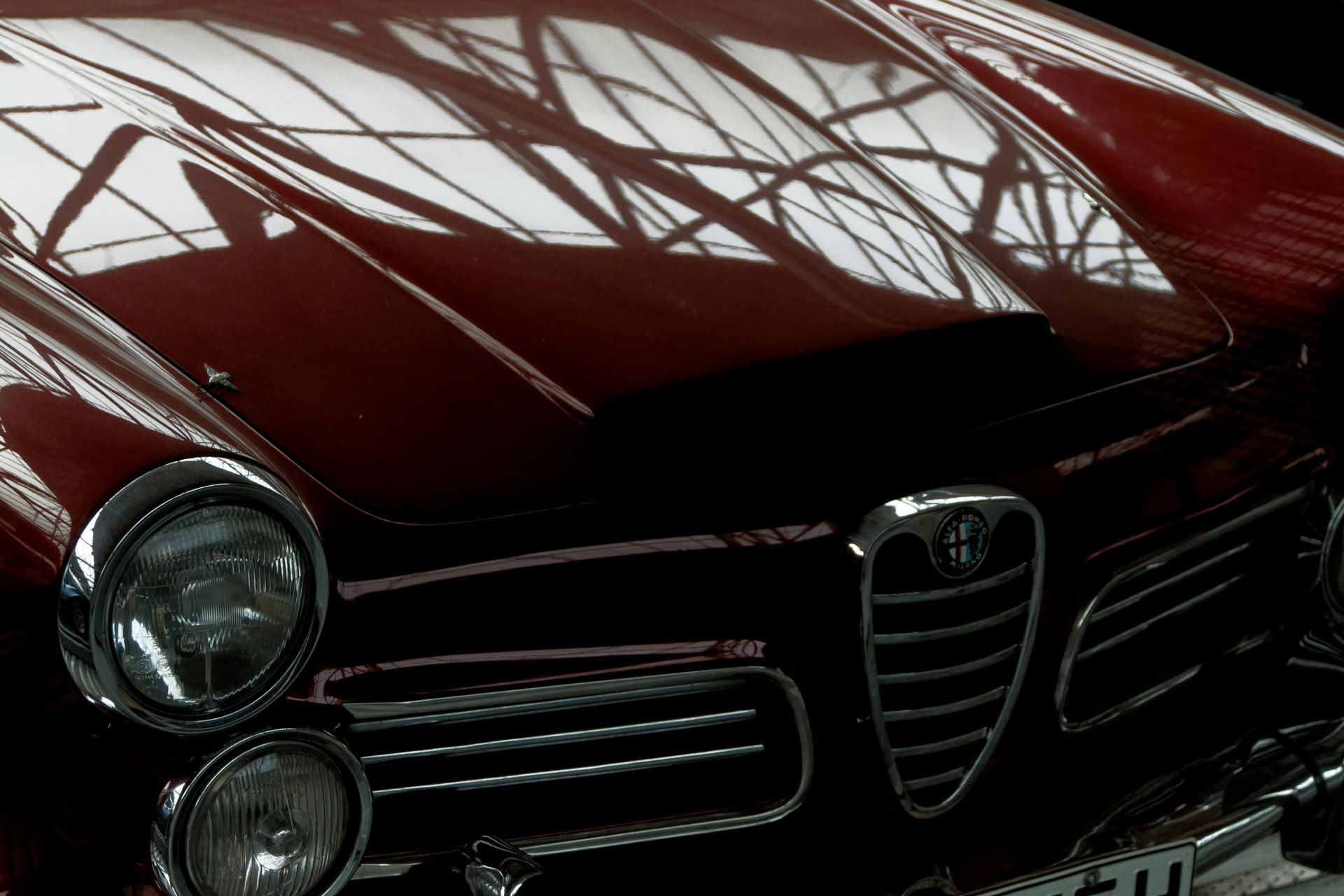
When the Past Becomes the Pitch
Automotive nostalgia doesnÔÇÖt depend on ageÔÇöitÔÇÖs about emotional resonance. A millennial may not have driven an original Volkswagen Beetle, but the sight of its rounded silhouette still evokes the sense of optimism that defined mid-century motoring. Likewise, a Gen Z driver might discover the reimagined Ford Bronco and associate it with adventure, ruggedness, and the aesthetic of simpler, analog times.
This emotional familiarity gives automakers an edge. Nostalgia cuts through marketing noise not by introducing something new, but by reviving something beloved. It builds trust through recognition, warmth through association, and excitement through reawakening. Brands that successfully tap into this sentiment arenÔÇÖt just selling carsÔÇötheyÔÇÖre selling memories.
Fiat 500: Small Car, Big Legacy
When Fiat relaunched the 500 in 2007, it didnÔÇÖt simply resurrect a designÔÇöit revived an icon of Italian culture. The original 500 of the 1950s symbolized freedom, mobility, and postwar optimism. Its modern reinterpretation maintained that spirit, blending rounded headlights and minimalist charm with contemporary urban sophistication.
FiatÔÇÖs marketing campaign leaned heavily into that duality. Advertisements juxtaposed vintage footage of Italian streets with sleek modern shots, creating a timeline of joy that stretched from the 1950s to the present. The message was clear: this wasnÔÇÖt a new carÔÇöit was an heirloom, lovingly restored for a new generation.
The result was more than a sales success; it was a cultural one. Fiat had turned nostalgia into a design language, transforming the 500 into an emotional productÔÇöan accessory to identity as much as a vehicle for mobility.
Volkswagen Beetle: Reinventing a Legend
No car has carried the weight of nostalgia quite like the Volkswagen Beetle. Originally designed in the 1930s, the Beetle became one of the most recognizable cars in history, immortalized in film, art, and the memories of millions. Its 1998 revival was a masterclass in nostalgic marketing.
Volkswagen didnÔÇÖt shy away from the BeetleÔÇÖs legacy; it leaned into it. The ÔÇ£Drivers WantedÔÇØ campaign positioned the car as a bridge between past and presentÔÇöa vehicle for those who valued fun, individuality, and a touch of eccentricity. The design was unmistakably Beetle, but its execution felt modern, playful, and deliberately familiar.
By blending old charm with new technology, Volkswagen managed to reawaken an emotional connection with consumers who may never have owned the original. The Beetle became more than transportationÔÇöit became a time machine, one that carried its own history with pride.
Ford Bronco: The Return of the Wild
While the Fiat 500 and VW Beetle traded in urban charm, the Ford BroncoÔÇÖs resurrection channeled something differentÔÇöfreedom, grit, and the call of the wild. Discontinued in the mid-1990s, the Bronco had become a cult favorite among off-road enthusiasts and pop-culture nostalgics. When Ford announced its return in 2020, the campaign didnÔÇÖt just promote a carÔÇöit reignited an era.
FordÔÇÖs marketing leaned heavily on adventure narratives and cinematic visuals, positioning the new Bronco as both a capable modern SUV and a spiritual successor to its rugged predecessor. The slogan ÔÇ£Built WildÔÇØ captured the balance between heritage and innovation. Every curve, vent, and grille detail nodded to the original without being bound by it.
This wasnÔÇÖt nostalgia for nostalgiaÔÇÖs sakeÔÇöit was functional heritage. Ford understood that consumers wanted authenticity, not replicas. By infusing the BroncoÔÇÖs design DNA with modern engineering, the company honored its past while preparing it for the future.
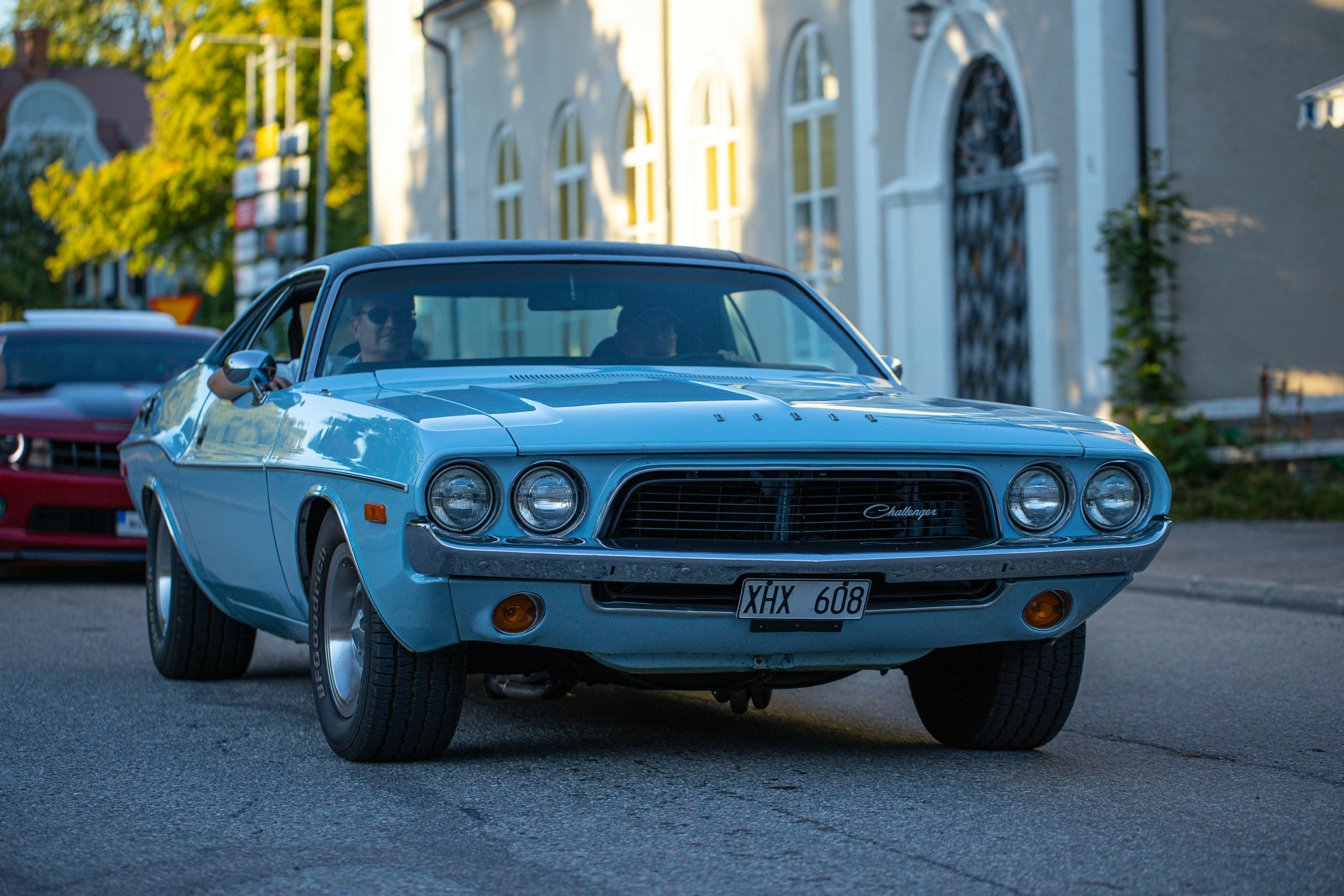
Design as Memory
In automotive marketing, nostalgia begins with aesthetics. Rounded edges, chrome accents, minimalist interiorsÔÇöall visual cues that whisper familiarity. Designers often describe these elements as ÔÇ£heritage linesÔÇØÔÇösubtle references to the models that defined a brandÔÇÖs identity.
But nostalgia isnÔÇÖt just about copying the past; itÔÇÖs about reinterpreting it. Successful retro design feels familiar but not dated. It captures the emotional truth of a bygone era while functioning seamlessly in the present. This requires balance: too literal, and it becomes parody; too modern, and the nostalgia evaporates.
The best examplesÔÇöFiatÔÇÖs 500, MiniÔÇÖs Cooper, FordÔÇÖs BroncoÔÇöstrike that balance beautifully. Their designers study emotional memory as much as mechanical history, ensuring that every curve and contour feels intentional, meaningful, and evocative.
Campaigns That Time-Travel
Retro-inspired marketing goes beyond car design. It extends into tone, typography, and storytelling. Campaigns often evoke the visual language of past decadesÔÇögrainy film filters, vintage fonts, or analog soundtracksÔÇöto create an atmosphere of familiarity.
MiniÔÇÖs relaunch, for instance, blended 1960s rebellion with 2000s attitude. Its ads referenced British pop culture, cheeky humor, and countercultural spirit. Similarly, DodgeÔÇÖs modern muscle car campaigns use 1970s aesthetics and voiceovers reminiscent of drive-in movie trailers, tapping into the eraÔÇÖs boldness and rebellion.
These campaigns work because they do more than sell productsÔÇöthey awaken feelings. They allow consumers to escape digital fatigue and rediscover tactile, sensory joy. Nostalgia, in this sense, becomes an antidote to technological overload.
Why Nostalgia Still Sells
Marketing has always been about connection, and nostalgia forges one thatÔÇÖs deeply personal. It bypasses rational analysis and activates emotionÔÇöthe core of decision-making. A retro car reminds people not of what they need, but of who they wereÔÇöor who they wish theyÔÇÖd been.
From a brand perspective, nostalgia also fosters loyalty. When customers associate a car with cherished memories, theyÔÇÖre less likely to view it as a mere commodity. It becomes part of their life story, something they want to protect, restore, or pass down.
Even in an age defined by innovation, nostalgia continues to drive desire. It reminds us that progress doesnÔÇÖt always mean forgetting the past. Sometimes, the road forward begins with a glance in the rearview mirror.
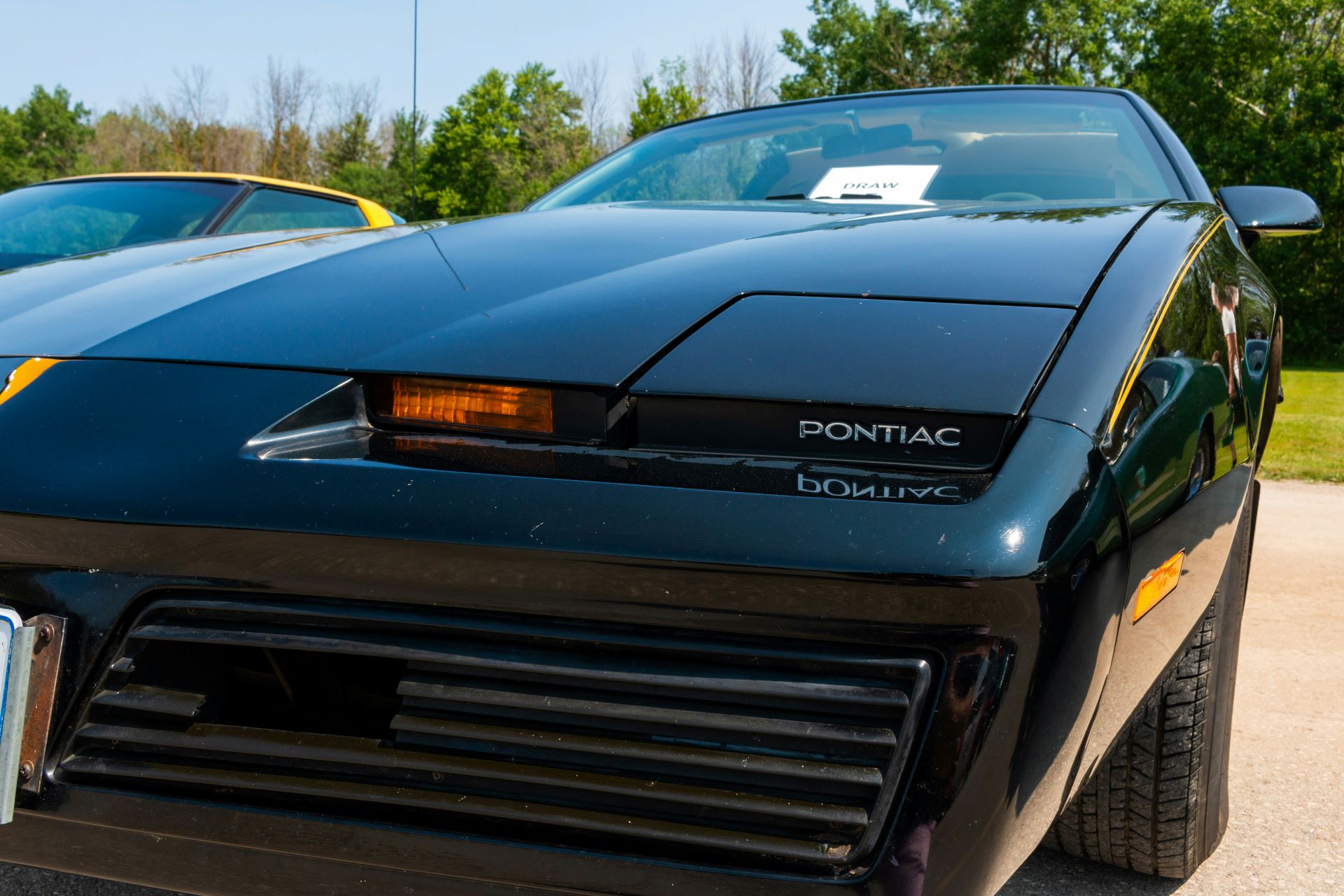
The Future of the Past
As electric mobility transforms the industry, nostalgia remains a guiding force in humanizing the transition. EVs may be silent, digital, and futuristic, but brands are already exploring how to infuse them with heritage. Concepts like the electric VW Microbus and the reborn Renault 5 show that nostalgia and innovation can coexist beautifully.
These vehicles arenÔÇÖt just eco-friendlyÔÇötheyÔÇÖre emotionally intelligent. They prove that even in a world chasing the future, thereÔÇÖs enduring value in remembering where we came from. The most compelling car of tomorrow might not be one that forgets the pastÔÇöit might be one that reimagines it.
Breyten Odendaal
Specializing in high-performance automotive advertising and digital marketing solutions, delivering cutting-edge insights and the latest news shaping the automotive industry in South Africa.
More From Advertising

Automotive Advertising in 2026: Selling Confidence in a More Competitive Market
As South Africa’s vehicle market becomes more competitive, automotive advertising needs to do more than announce a price or specification. It needs to help buyers understand value, ownership costs and why a vehicle suits their lives.

Automotive Digital Ads in South Africa: A Shift
Exploring how South Africa’s automotive advertising evolved from print and broadcast to data-driven, programmatic digital ecosystems.

The Video Shift in Car Buying Decisions in SA
Explore how video content shapes car purchase decisions in South Africa, comparing short-form and long-form strategies for automotive marketers.