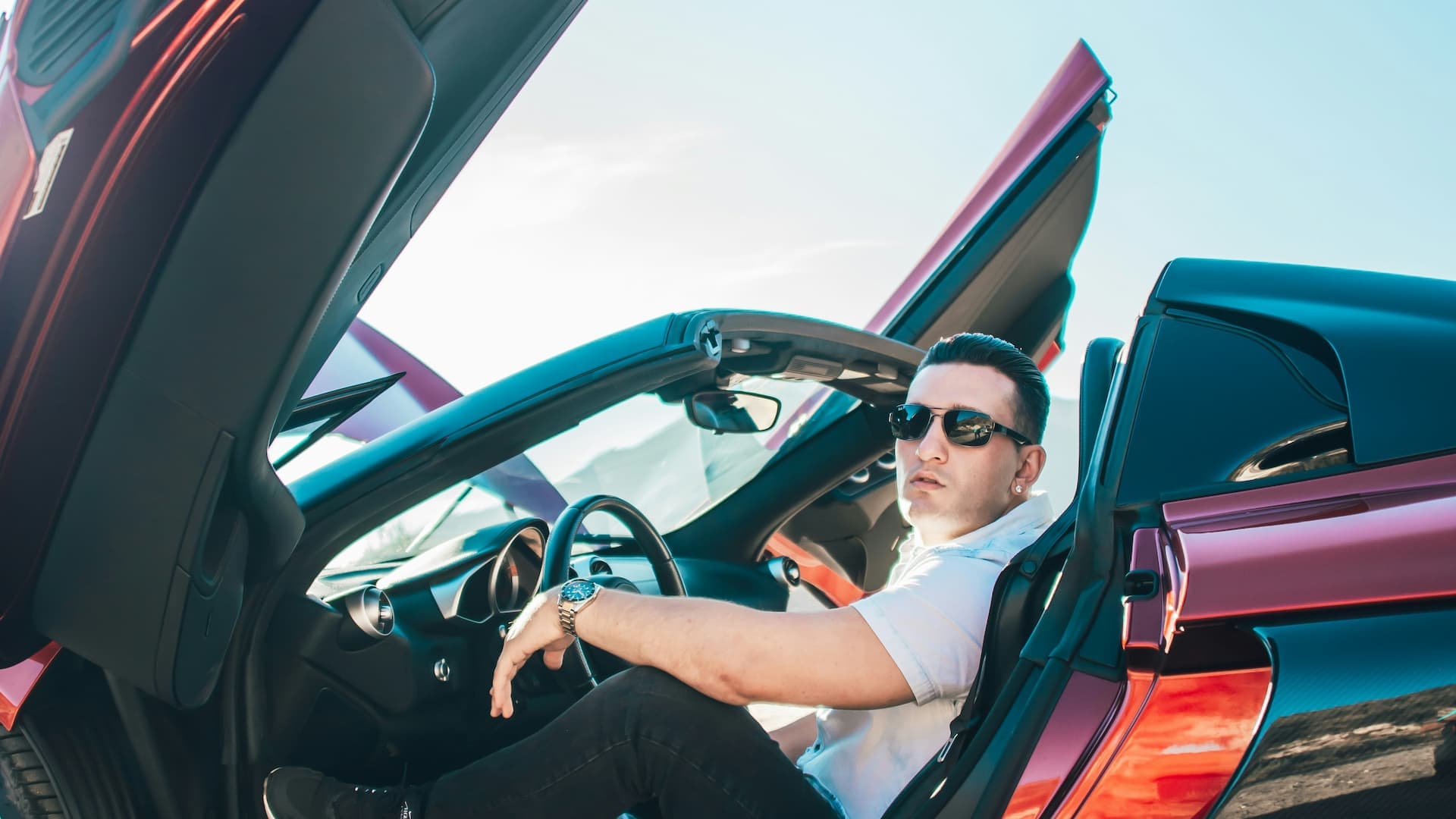
In the rarefied world of luxury automobiles, where precision engineering meets opulence, every curve, every whisper of a finely-tuned engine, is designed to seduce. These cars are not merely modes of transportation; they are status symbols, declarations of power, wealth, and exclusivity. From the iconic roar of a Lamborghini Aventador to the sleek elegance of a Rolls-Royce Phantom, the luxury automotive industry thrives on desireÔÇöcreating cars that aren't just driven, but coveted.
But in today's world, where attention is currency and social media reigns supreme, traditional advertisements and glossy magazine spreads are no longer enough to capture the imaginations of younger generations. Enter the age of the influencerÔÇöa digital native with the power to sway opinions, ignite trends, and build a bridge between brands and their audience. The luxury automotive market, a sector that has always prided itself on tradition and exclusivity, is now reimagining how it reaches potential buyers. In this new landscape, influencersÔÇöthose enigmatic creators with millions of followers hanging on their every postÔÇöare driving change in a way few could have anticipated a decade ago.
This article delves into the meteoric rise of influencers in the luxury automotive market and examines how they are reshaping the strategies, narratives, and consumer desires that fuel this high-octane industry. We will explore the psychology behind their impact, the allure of their digital personas, and how they are not just selling cars, but selling a lifestyle that resonates deeply with young adults today.
The Rise of Influencers
In an era where people increasingly look to social media for inspiration and guidance, influencers have emerged as powerful forces in shaping consumer behavior. The rise of platforms like Instagram, TikTok, and YouTube has given birth to a new breed of marketingÔÇöone that is personal, direct, and immediate. Traditional advertising still holds sway, but it's influencer marketing that has captured the hearts and minds of young consumers, especially in the luxury sector.
What began as a niche corner of the digital marketing world has exploded into a multi-billion-dollar industry. By 2022, influencer marketing was valued at over $16.4 billion, and its impact is only growing. The appeal lies in its authenticityÔÇöunlike glossy, impersonal advertisements, influencers bring a relatable, human touch to brands. They offer their audiences a window into their glamorous lives, where luxury goods like high-end automobiles are not just products, but essential components of a lifestyle.
Influencers come in many formsÔÇömacro, micro, and nano influencersÔÇöeach bringing a unique set of benefits to brands. Macro influencers, those with millions of followers, offer massive reach, making them ideal for global campaigns. Micro influencers, with audiences in the tens or hundreds of thousands, are prized for their niche appeal and highly engaged followers. Nano influencers, though small in scale, can wield significant influence in hyper-local or specialized markets, making them the dark horses of this digital age.
Luxury Meets Influence
The luxury automotive sector has long been associated with exclusivity, rarity, and meticulous craftsmanship. So why, then, are these high-end brands turning to influencers, the same people who promote everything from skincare products to the latest fashion trends? The answer lies in the evolving nature of luxury itself.
TodayÔÇÖs young consumers, particularly Millennials and Gen Z, view luxury through a different lens. ItÔÇÖs no longer just about the product; itÔÇÖs about the experience, the story, and the lifestyle it represents. Influencers embody this shift. They donÔÇÖt just promote luxury carsÔÇöthey live them. When an influencer drives a Lamborghini down the sun-drenched streets of Monaco, they arenÔÇÖt just showcasing a carÔÇötheyÔÇÖre offering their followers a taste of the dream.
Take, for example, the partnership between Mercedes-Benz and Casey Neistat, one of YouTube's most popular creators. Mercedes invited Neistat to film his unique, high-octane adventures in their cars, tapping into his brand of creativity and adventure. The result was not just content that sold cars, but content that sold a vision of what owning a Mercedes could beÔÇödynamic, exhilarating, and utterly aspirational.
Influencers also bring emotional depth to luxury brands. They share stories, create narratives, and show the human side of luxury. This emotional connection is vital in the luxury market, where the purchase is often less about need and more about desire. When influencers wrap their personal brand around a luxury car, they add layers of meaning, turning the car into something far greater than just metal and leather.
The Psychology Behind Influencer Impact
Why do influencers have such a profound effect on consumer behavior, particularly when it comes to luxury goods? The answer lies in the psychology of influence. At the core of their power is the concept of social proofÔÇöthe idea that people tend to follow the actions of others, particularly when those others are perceived as authoritative or relatable. Influencers, with their vast followings, act as modern-day tastemakers. When they endorse a product, it creates a ripple effect, convincing their audience that this product is not only desirable but also socially approved.
Another key psychological trigger is authority. Influencers often position themselves as experts in a particular nicheÔÇöwhether itÔÇÖs cars, fashion, or travel. Their knowledge, combined with the aspirational lifestyle they portray, gives them an air of authority that brands can leverage. When an influencer who is known for their impeccable taste and high standards promotes a luxury car, their followers are more likely to trust the recommendation.
Relatability, though, might be the most powerful tool in the influencerÔÇÖs arsenal. While luxury cars may seem unattainable to many, influencers have the ability to make them feel accessible. Through their content, they bring luxury into the daily lives of their followers. ItÔÇÖs this balance between aspiration and relatability that makes influencers so effective at selling high-end products. They make their audience believe that luxury is not just for the eliteÔÇöitÔÇÖs for anyone willing to dream.
Choosing the Right Influencer
For luxury brands, the decision to work with influencers is a strategic one. But not all influencers are created equal, and choosing the wrong one can have disastrous consequences. So how do brands ensure theyÔÇÖre partnering with the right person?
The first step is audience alignment. ItÔÇÖs not enough for an influencer to have millions of followersÔÇötheir audience needs to match the brandÔÇÖs target market. A luxury car brand targeting young professionals, for example, might look for influencers who are known for their entrepreneurial spirit, or those who showcase a lifestyle that revolves around ambition and success.
Engagement rates are another crucial factor. An influencer with a million followers but low engagement is far less valuable than a micro-influencer with 100,000 highly engaged fans. Engagement indicates that the influencerÔÇÖs audience is not only listening but also interactingÔÇöan essential component in driving consumer action.
Finally, authenticity is paramount. In an era where followers can be bought and faked, authenticity is the currency that matters most. Luxury brands need to partner with influencers whose personal brand aligns with their values. A forced or disingenuous partnership can backfire, damaging both the influencerÔÇÖs credibility and the brandÔÇÖs reputation.
Crafting the Perfect Influencer Campaign
The success of an influencer marketing campaign in the luxury automotive industry hinges on careful planning and execution. From setting clear objectives to crafting a compelling message, each step must be meticulously designed to ensure the campaign resonates with the intended audience.
The first step is defining clear goals. What does the brand hope to achieve through this partnership? Is it brand awareness, lead generation, or direct sales? Understanding these goals will inform every other decision in the campaign.
Next, comes the messaging. Luxury brands need to work closely with influencers to ensure that the content aligns with their brand values and vision. The message must be aspirational yet relatable, luxurious yet accessible. It should tap into the audience's desires, dreams, and sense of identity.
Platform selection is another critical decision. While Instagram remains the dominant platform for influencer marketing, TikTok's rise among younger demographics makes it a powerful tool for reaching new audiences. YouTube, with its longer-form content, allows for more in-depth storytelling, making it ideal for showcasing the finer details of luxury automobiles.
Measuring success is an ongoing process. Brands should track key performance indicators (KPIs) such as engagement rates, follower growth, and conversion rates. But beyond these metrics, the true measure of success is whether the campaign creates an emotional connection between the brand and its audienceÔÇöa connection that lingers long after the campaign has ended.
The Ethical Dimension
As influencer marketing continues to grow, so too do concerns around ethics and transparency. In the luxury sector, where trust is paramount, maintaining ethical standards is non-negotiable. Consumers today are savvier than ever, and they can easily spot a disingenuous endorsement. To maintain trust, luxury brands must ensure that influencer partnerships are transparent and authentic.
Disclosure is key. Influencers must clearly state when a post is sponsored or part of a paid partnership. While this might seem like a small detail, itÔÇÖs critical in maintaining the integrity of both the influencer and the brand. Failing to disclose a partnership can lead to public backlash and damage the brand's reputation.
There are also legal considerations. Regulatory bodies like the Federal Trade Commission (FTC) in the United States and the Advertising Standards Authority (ASA) in the UK have established guidelines to ensure that influencer marketing is conducted fairly and transparently. Brands and influencers alike must adhere to these guidelines to avoid legal repercussions.
The Future of Influencers in Luxury Automotive
As technology continues to evolve, so too does the role of influencers in the luxury automotive industry. Emerging technologies like virtual reality (VR) and augmented reality (AR) are poised to revolutionize how consumers interact with luxury cars. Imagine an influencer offering a virtual test drive of the latest Ferrari or using AR to showcase the interior details of a BentleyÔÇöall from the comfort of the viewerÔÇÖs home.
But with these advancements come new challenges. As influencer marketing becomes more saturated, brands will need to find innovative ways to stand out. The key will be to focus on authenticity, creativity, and storytellingÔÇöelements that have always been at the heart of luxury.
In the fast-paced world of luxury automotive marketing, influencers have proven themselves to be invaluable partners. They offer brands a unique way to connect with their audience, driving desire and creating emotional connections that traditional marketing methods simply cannot achieve. As the luxury landscape continues to evolve, influencers will remain at the forefront, shaping the way consumers perceive, experience, and ultimately purchase high-end automobiles.
The luxury car market may be steeped in tradition, but in the digital age, it is influencers who are driving the future. And as long as people aspire to a life of speed, power, and prestige, there will always be a place for these digital icons in the world of luxury cars.
Breyten Odendaal
Specializing in high-performance automotive advertising and digital marketing solutions, delivering cutting-edge insights and the latest news shaping the automotive industry in South Africa.
More From Advertising

Automotive Advertising in 2026: Selling Confidence in a More Competitive Market
As South Africa’s vehicle market becomes more competitive, automotive advertising needs to do more than announce a price or specification. It needs to help buyers understand value, ownership costs and why a vehicle suits their lives.

Automotive Digital Ads in South Africa: A Shift
Exploring how South Africa’s automotive advertising evolved from print and broadcast to data-driven, programmatic digital ecosystems.

The Video Shift in Car Buying Decisions in SA
Explore how video content shapes car purchase decisions in South Africa, comparing short-form and long-form strategies for automotive marketers.