
In the modern automotive landscape, data is king. Automotive brands are increasingly leaning on a variety of data to inform decisions, design personalized experiences, and create stronger customer relationships. In particular, transactional and behavioral data are instrumental in shaping consumer insights, allowing brands to develop targeted strategies that cater to diverse buyer needs.
Types of Consumer Data Used in the Automotive Sector
Automotive brands harness several key data types to refine their strategies.
Transactional Data
This includes records of purchases, financing options chosen, service history, and warranty claims. Transactional data provides insights into purchasing trends, preferred financing choices, and the longevity of customer relationships.
Behavioral Data
Collected from online searches, dealership visits, and service bookings, behavioral data helps brands understand how customers interact with products and services across digital and physical touchpoints.
Demographic and Psychographic Data
By analyzing age, income, lifestyle preferences, and other characteristics, brands can segment consumers and tailor marketing efforts accordingly.
Location-Based Data
Using GPS or other location indicators, brands can cater to customers based on regional preferences, infrastructure, and economic factors.
Leveraging Data Analytics to Understand Consumer Preferences
Data analytics empowers brands to parse these diverse datasets, extracting patterns that reveal consumer preferences. For instance, analysis of purchase history can indicate a preference for fuel-efficient vehicles among urban consumers or a trend toward SUVs in rural regions. Similarly, dealership networks often track customer satisfaction and post-purchase service interactions, providing insights that help dealerships better address customer needs.
By tapping into these rich data sources, brands can develop a comprehensive view of their customer base, understanding not just what they buy but also why they buy it.

Techniques for Personalization in the Automotive Sector
Personalization has become a key differentiator in the automotive industry, with brands deploying advanced technologies to cater to individual tastes and preferences.
AI and Machine Learning for Tailored Offerings
Artificial intelligence and machine learning allow brands to customize everything from marketing communications to vehicle configurations. For example, by analyzing browsing behavior and previous purchases, machine learning algorithms can recommend specific models, features, or financing plans tailored to each customer.
Personalized Marketing Campaigns
Automotive brands frequently leverage email and social media campaigns to engage customers with relevant offers. For instance, a car owner nearing the end of a lease might receive email offers for an upgraded model, while a customer who recently viewed a specific model online might see targeted ads showcasing the carÔÇÖs unique features.
Customization of Products
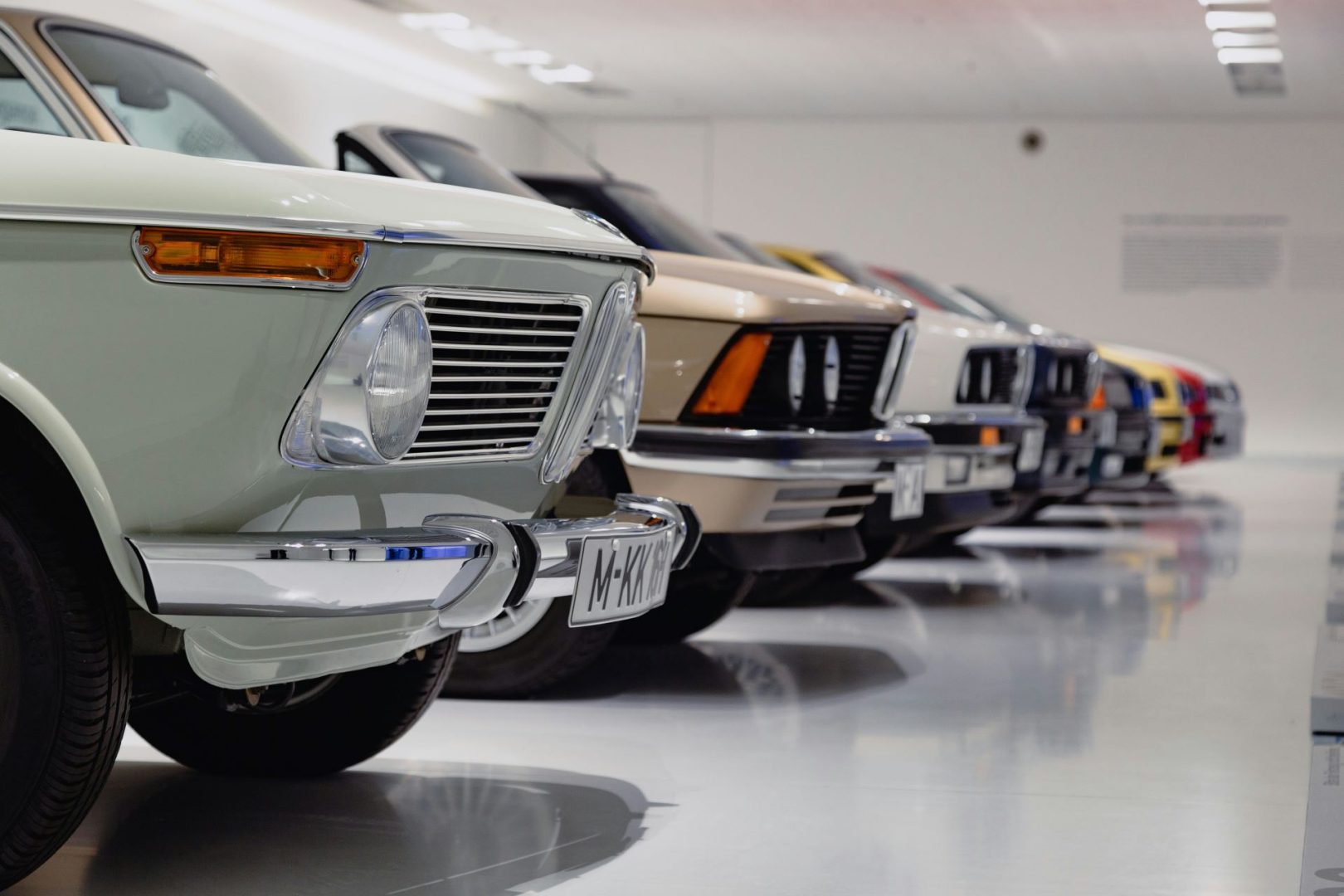
Beyond marketing, product customization has become a prominent personalization tactic. Brands like BMW and Mercedes-Benz offer bespoke options where consumers can personalize everything from upholstery materials to dashboard interfaces. Such options enable buyers to feel a deeper connection to their vehicle, as it reflects their individual style and preferences.
Challenges of Personalization
While personalization offers clear benefits, it also presents several challenges.
Privacy Concerns and Data Protection Regulations
In South Africa, data privacy is regulated by the Protection of Personal Information Act (POPIA), which mandates strict guidelines on how companies collect and manage consumer data. Ensuring compliance with these regulations while providing a personalized experience requires careful handling of consumer information, which can be complex and costly.
Data Collection and Integration
The automotive industryÔÇÖs digital transformation has led to a wealth of data, but integrating data across different platforms remains challenging. Effective personalization demands a unified approach to data management, which can be difficult for companies reliant on legacy systems.
Cost vs. Benefit Analysis
While personalization enhances customer loyalty, implementing data-driven personalization strategies can be costly. Brands need to weigh the initial investment against long-term gains, especially in competitive markets where profit margins are tight.
Benefits of Personalization for Consumers and Brands
Personalization yields significant advantages for both automotive brands and consumers alike.
Improved Customer Experience and Satisfaction
When brands tailor offerings to meet individual needs, consumers enjoy a more relevant and satisfying experience, increasing the likelihood of repeat purchases.
Enhanced Brand Loyalty and Retention
Brands that offer personalized experiences tend to build stronger, more enduring relationships with their customers. In a market where loyalty is hard-won, this can lead to valuable long-term benefits.
Increased Conversion Rates and Sales Growth
Personalized marketing campaigns have been shown to boost conversion rates significantly. By delivering relevant content, brands can drive more traffic and sales, ultimately achieving sustained growth.
Future of Personalization in the Automotive Industry
As personalization continues to evolve, new technologies are reshaping the automotive landscape.
Emerging Technologies
Advancements in augmented reality (AR) and virtual reality (VR) are enabling brands to offer immersive car-buying experiences. For instance, AR can help customers visualize vehicle features, colors, and customizations from their mobile devices or in showrooms.
Shifting Consumer Expectations
With more exposure to personalized services, consumers now expect brands to deliver experiences tailored to their preferences. This shift will likely push automotive brands toward even more sophisticated personalization strategies.
South African Context
In South Africa, the rising penetration of digital technologies and increasing access to high-speed internet will likely facilitate more widespread adoption of personalization in the automotive industry.

Personalized marketing in the automotive sector is no longer just an advantageÔÇöitÔÇÖs a necessity. From customized products to tailored communications, personalization has transformed how brands connect with consumers. For South African automotive enthusiasts, these personalized experiences offer not only convenience but also a deeper connection to their preferred brands. As the automotive industry advances, brands willing to invest in personalization stand to gain, fostering loyalty and satisfaction in an increasingly competitive market.
Breyten Odendaal
Specializing in high-performance automotive advertising and digital marketing solutions, delivering cutting-edge insights and the latest news shaping the automotive industry in South Africa.
More From Advertising

Automotive Advertising in 2026: Selling Confidence in a More Competitive Market
As South Africa’s vehicle market becomes more competitive, automotive advertising needs to do more than announce a price or specification. It needs to help buyers understand value, ownership costs and why a vehicle suits their lives.

Automotive Digital Ads in South Africa: A Shift
Exploring how South Africa’s automotive advertising evolved from print and broadcast to data-driven, programmatic digital ecosystems.

The Video Shift in Car Buying Decisions in SA
Explore how video content shapes car purchase decisions in South Africa, comparing short-form and long-form strategies for automotive marketers.