
Color is more than just a visual element; itÔÇÖs an emotional trigger, a language that speaks directly to our subconscious. In the world of car advertising, where first impressions are everything, color takes center stage. From influencing emotions to shaping buying decisions, the strategic use of color in car advertising is a subtle yet powerful tool. This article delves into the fascinating realm of color psychology and its pivotal role in the automotive industry, illustrating how brands use it to capture hearts and boost sales.
The Basics of Color Psychology
Color psychology is the study of how hues affect human behavior, emotions, and decision-making. ItÔÇÖs rooted in the idea that colors evoke specific psychological responses. For instance:
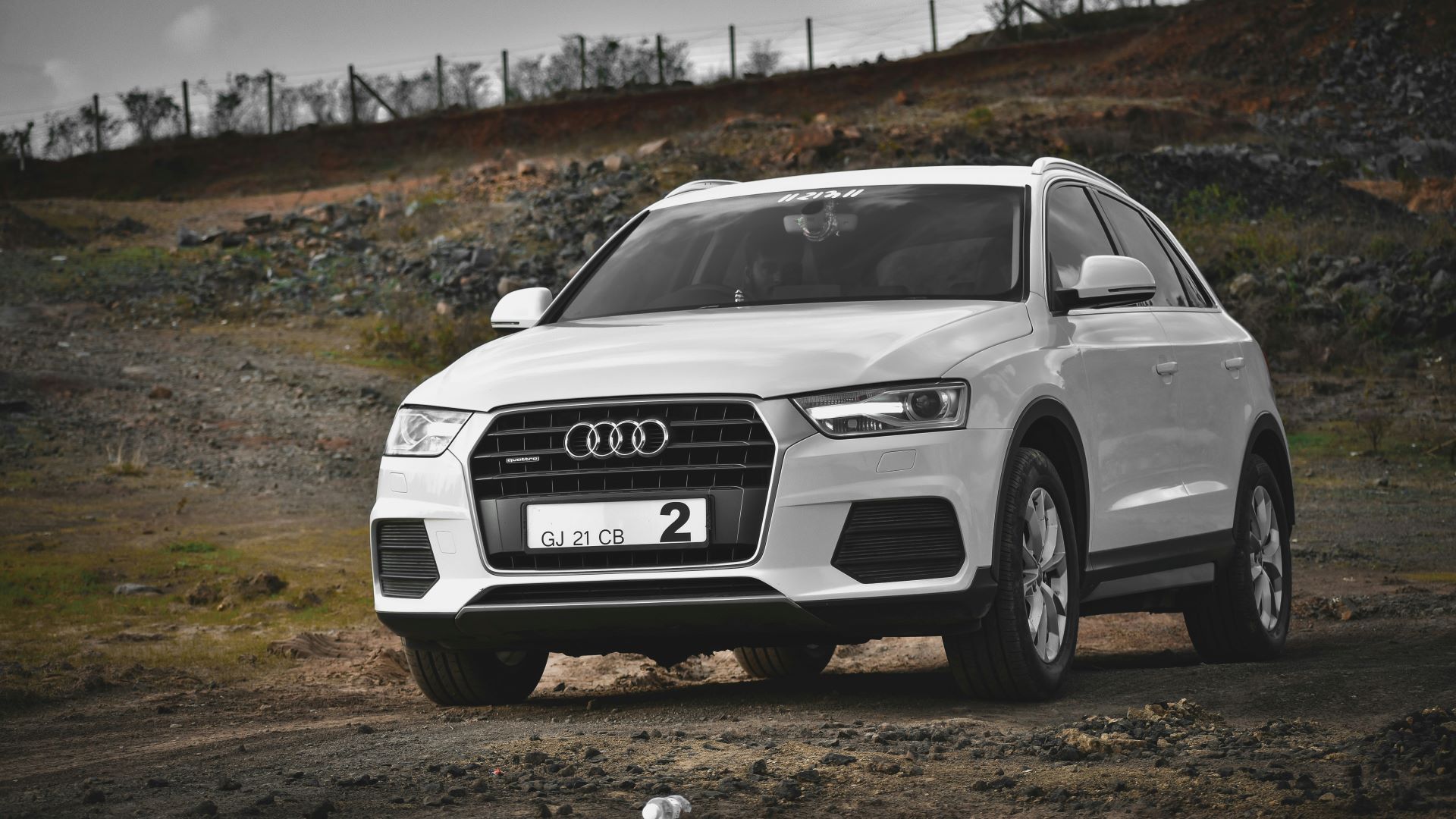
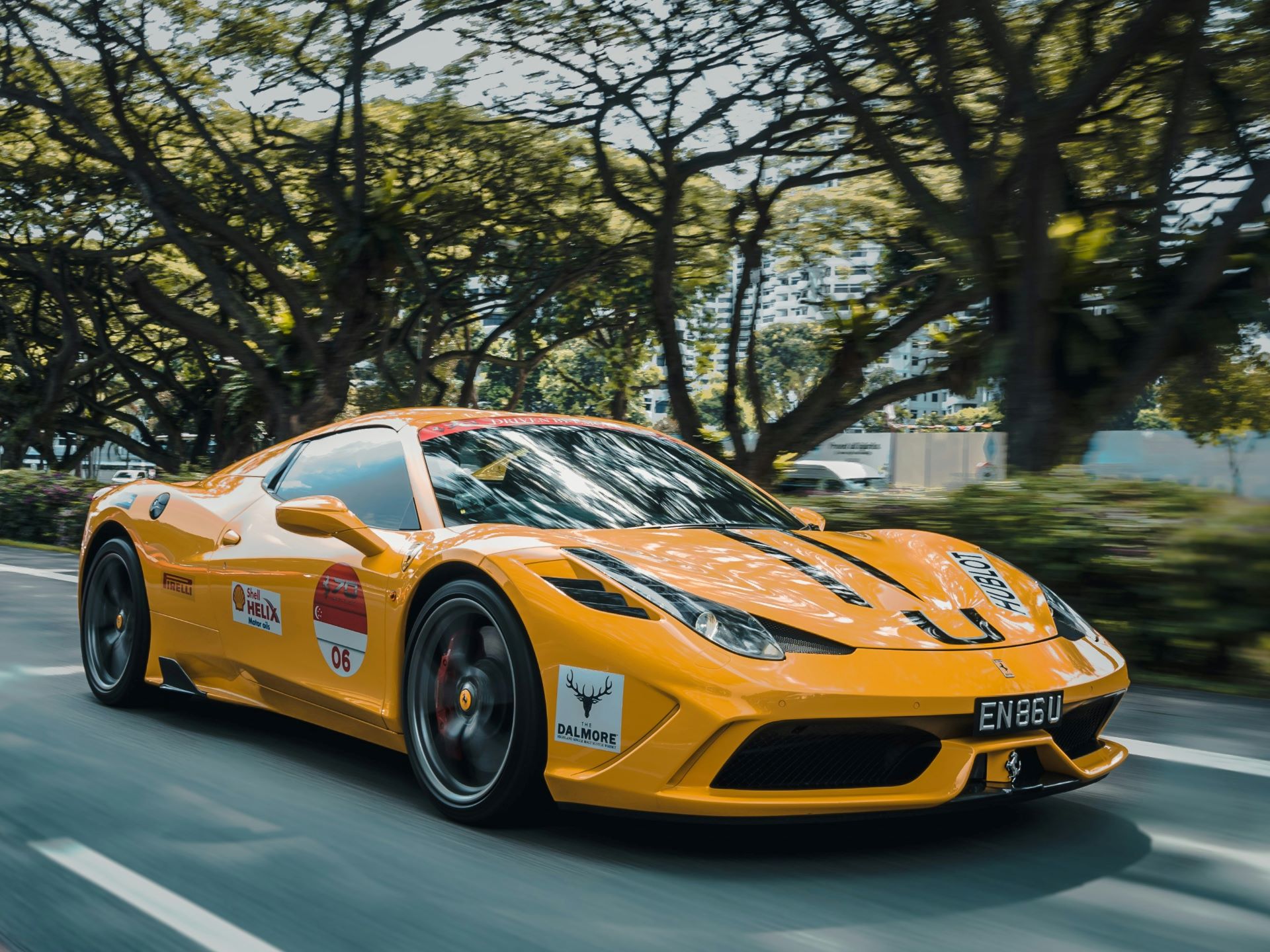
In the automotive industry, these associations are leveraged to align with a brandÔÇÖs identity and the desired emotional response from potential buyers. For example, sports cars are frequently advertised in red to emphasize speed and excitement, while family SUVs often feature shades of blue or white to communicate safety and dependability.
Historical Perspectives
The importance of color in car advertising dates back to the early 20th century. Henry FordÔÇÖs famous quip, ÔÇ£Any customer can have a car painted any color that he wants, so long as it is black,ÔÇØ reflected the industrial priorities of the time. However, as the market evolved, manufacturers began using color to differentiate their vehicles and appeal to a broader audience.
In the 1950s and 60s, vibrant pastel hues like turquoise and pink became popular, reflecting the optimism and style of the post-war era. Iconic advertising campaigns, such as ChevroletÔÇÖs ÔÇ£See the USA in Your Chevrolet,ÔÇØ often showcased cars in bright, cheerful colors that mirrored the American dream.
Color in Car Design
Beyond advertising, color plays a crucial role in car design. Manufacturers invest significant resources in developing exterior and interior palettes that resonate with consumers. Studies have shown that the color of a car can influence how it is perceived, even impacting resale value. For instance:
Impact on Consumer Behavior
Color can significantly impact consumer behavior, particularly in the automotive market. Research indicates that people form judgments about products within 90 seconds of initial viewing, and up to 90% of this assessment is based on color alone. In the context of car advertising, this means that the right color can:
Cultural and Demographic Considerations
Color preferences are not universal; they vary across cultures and demographics. For example:
Car manufacturers tailor their color strategies to these nuances. For instance, luxury brands targeting affluent markets may focus on metallic and neutral tones, while economy cars aimed at younger audiences might offer a broader spectrum of vibrant colors.
Future Trends in Automotive Color
The future of color in automotive advertising and design is poised for innovation. Emerging technologies and trends promise to revolutionize the way color is used:
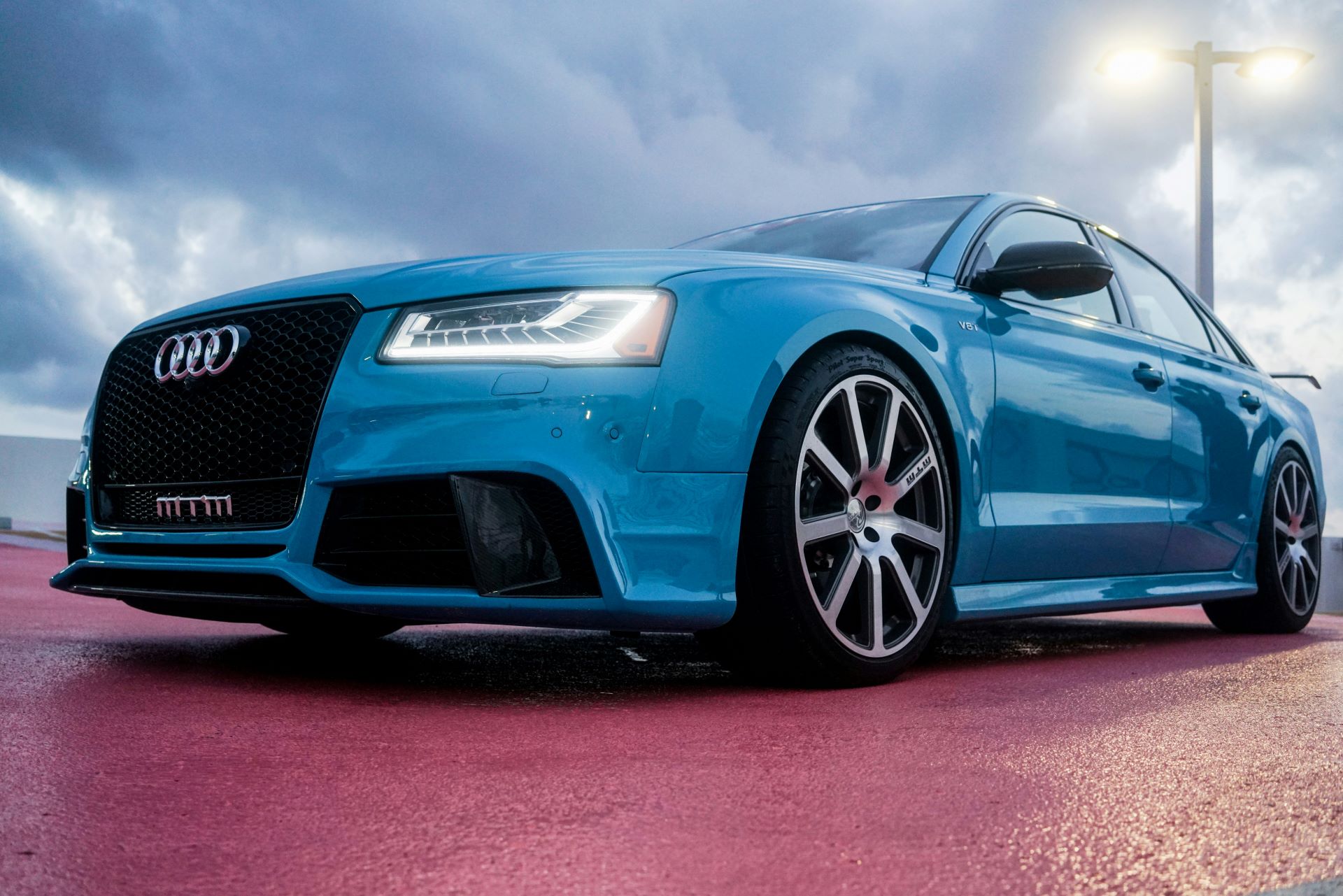
Color is more than a visual choice in car advertising; itÔÇÖs a powerful psychological tool that shapes perceptions, influences decisions, and drives emotional connections. From the fiery passion of FerrariÔÇÖs red to the calming reliability of BMWÔÇÖs blue, the strategic use of color transforms the way we see and experience cars.
As the automotive industry continues to evolve, color will remain at the forefront of innovation, offering endless possibilities to captivate consumers. So next time you see a car advertisement, take a moment to appreciate the thought and psychology behind its colors. They might just be speaking directly to you.
Breyten Odendaal
Specializing in high-performance automotive advertising and digital marketing solutions, delivering cutting-edge insights and the latest news shaping the automotive industry in South Africa.
More From Advertising

Automotive Advertising in 2026: Selling Confidence in a More Competitive Market
As South Africa’s vehicle market becomes more competitive, automotive advertising needs to do more than announce a price or specification. It needs to help buyers understand value, ownership costs and why a vehicle suits their lives.

Automotive Digital Ads in South Africa: A Shift
Exploring how South Africa’s automotive advertising evolved from print and broadcast to data-driven, programmatic digital ecosystems.

The Video Shift in Car Buying Decisions in SA
Explore how video content shapes car purchase decisions in South Africa, comparing short-form and long-form strategies for automotive marketers.