
The Aftermath of the Curtain Drop
In the high-stakes world of automotive marketing, few moments match the drama and adrenaline of a new model reveal. Months ÔÇö sometimes years ÔÇö of R&D, design iteration, and market anticipation converge into that electric instant when the covers are pulled back, the camera flashes pop, and the crowd leans in to catch their first glimpse of the latest engineering statement. For the brand manager, itÔÇÖs a victory lap. The work has been intense, the pressure relentless, and the coordination across departments exacting.
Yet as the spotlight fades and the journalists file their first impressions, a quiet but critical question looms: Now what?
This is the pivotal challenge of the post-launch glow ÔÇö that liminal space between the frenzy of unveiling and the steady grind of converting attention into enduring sales, loyalty, and brand equity. In the automotive sector, where product lifecycles are long and competition is unrelenting, the ability to sustain momentum after the big reveal is as important as the launch itself.

From Moment to Movement
The danger of the post-launch period is complacency. ItÔÇÖs easy to believe that the sheer scale of the reveal will carry the brand for months, if not years. But audiences are fickle. What captivated them yesterday is quickly replaced by the next big announcement ÔÇö sometimes from your competitors, sometimes from your own industry-adjacent players.
The key is to shift the energy from moment to movement. In practical terms, that means rethinking the launch not as a single event but as the opening chapter in a broader narrative arc. For automotive brand managers, this narrative needs to be mapped against multiple time horizons: immediate post-launch engagement, mid-term sales traction, and long-term brand positioning.
Consider the example of the Ford Bronco revival. The reveal was spectacular ÔÇö a heady mix of nostalgia and modern capability ÔÇö but Ford didnÔÇÖt let the hype dissipate. Months after the launch, they continued feeding the audience with behind-the-scenes design stories, off-road experience events, and customisation showcases. The reveal was simply the ignition point. The sustained storytelling kept the Bronco in the cultural conversation well beyond its initial news cycle.
Keeping the Dream Tangible
The day after the launch, the vehicle is no longer a tantalising secret ÔÇö itÔÇÖs a product people expect to see, touch, and drive. Managing that transition is where many brands falter. If your customers encounter a chasm between the excitement youÔÇÖve generated and the accessibility of the product, the emotional connection will weaken.
For automotive brand managers, this is where dealer coordination becomes mission-critical. Post-launch test drive availability, showroom experiences that reflect the launch narrative, and dealer staff who are deeply versed in the modelÔÇÖs story can make the difference between a fleeting curiosity and a purchase decision.
In an era when customer expectations are shaped by instant gratification, shortening the gap between want and have is essential. This doesnÔÇÖt mean rushing production or compromising quality, but it does require proactive communication. If wait times are inevitable, fill the void with content: personalised updates for customers whoÔÇÖve pre-ordered, factory footage of ÔÇ£theirÔÇØ car being assembled, or exclusive Q&A sessions with the engineering team.
Content as the Post-Launch Engine
If the launch is the spark, content is the fuel. The automotive sector is uniquely positioned to leverage rich, multi-dimensional storytelling because every model has layers ÔÇö design intent, performance engineering, safety innovation, sustainability credentials, heritage connections. The post-launch period should unpack these dimensions gradually, deepening the audienceÔÇÖs relationship with the car.
One proven approach is to build episodic content around the vehicleÔÇÖs lifestyle positioning. For example, if the launch narrative positioned your SUV as the ultimate family adventure vehicle, follow up with customer-led stories of road trips, camping expeditions, or urban commutes transformed by its features. Integrating authentic owner experiences into the brandÔÇÖs channels creates a self-reinforcing loop of trust and aspiration.
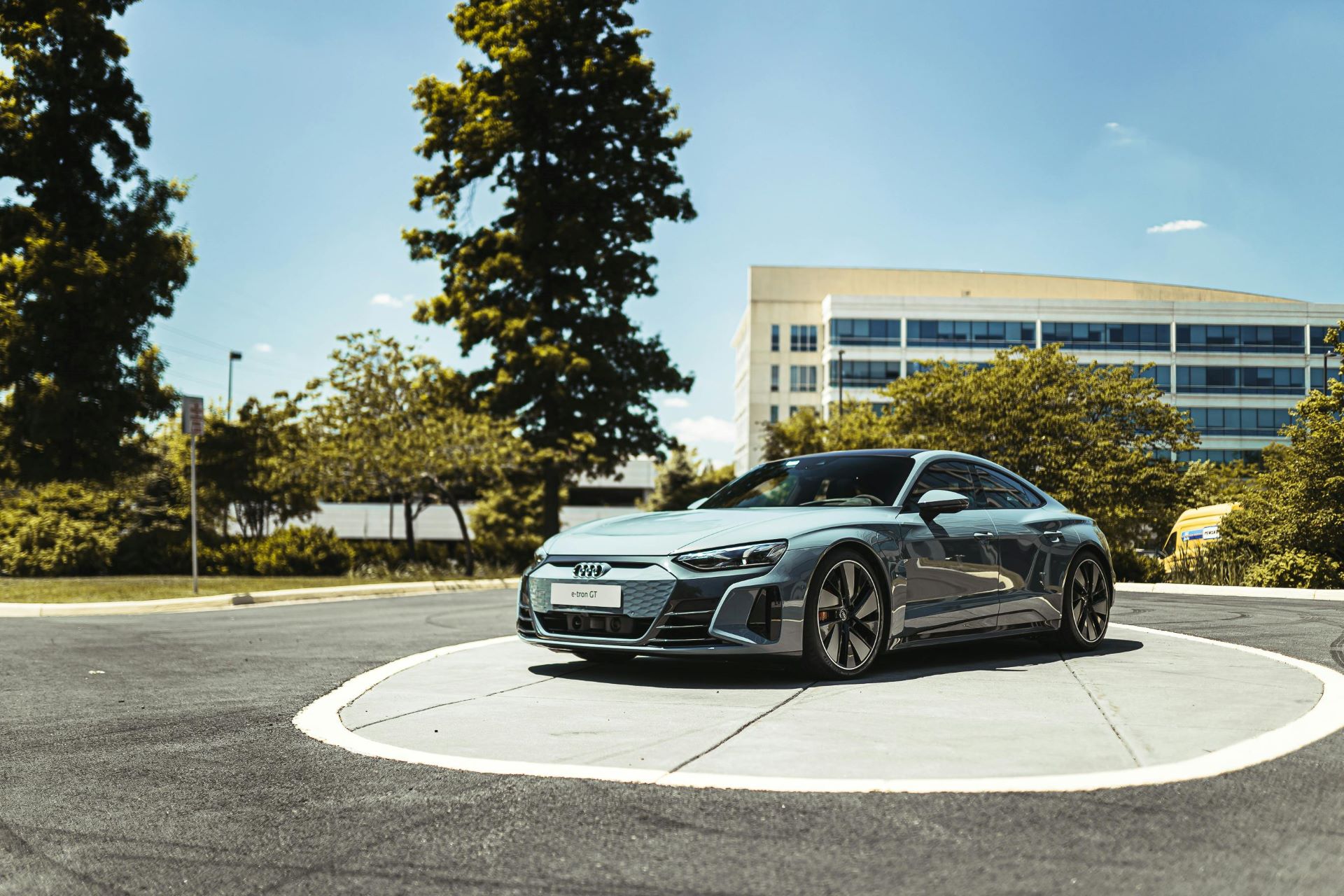
AudiÔÇÖs e-tron GT campaign is a masterclass in this approach. After the launch, Audi didnÔÇÖt just rely on static imagery and press coverage; they embedded the e-tron GT in design-led conversations, sustainability forums, and motorsport contexts, effectively stretching its relevance across multiple audience verticals.
The Role of Data in Post-Launch Strategy
For all the artistry of storytelling, sustaining momentum is also a science. Post-launch data offers invaluable insights into audience behaviour ÔÇö from website traffic patterns and configurator use, to social media sentiment and dealer-level enquiries.
Automotive brand managers who treat this data as a live feedback loop can adjust their strategies in near real-time. If engagement spikes around certain features, double down on content and dealer training that highlight them. If thereÔÇÖs confusion or negativity around aspects of the launch, address them transparently before they metastasise into lasting brand perception issues.
Brands like Tesla have demonstrated how rapid-response communication can reinforce momentum. While not without their missteps, TeslaÔÇÖs ability to pivot messaging in reaction to online chatter keeps them agile in the post-launch window, ensuring their vehicles remain in the discourse long after the reveal.
Managing the Competitive Crossfire
The post-launch period is rarely a clear runway. Rivals may accelerate their own product announcements to blunt your impact, particularly if youÔÇÖve made significant waves in the market. Media attention is a finite resource, and every headline you occupy is one less available to your competitors ÔÇö and vice versa.
Automotive brand managers need to anticipate this competitive jostling and prepare counter-programming. This could mean staging a series of smaller but highly targeted news hooks in the weeks following launch: a special edition variant, a motorsport tie-in, a technology partnership announcement. The goal is not to replicate the scale of the reveal but to maintain a steady heartbeat of brand relevance.
PorscheÔÇÖs staggered Taycan campaign is a clear example. Rather than letting the initial electric sports car reveal stand alone, Porsche followed it with regional launches, new colour palettes, software update announcements, and track-day media experiences ÔÇö effectively elongating the launch phase into a year-long narrative.
Post-Launch Dealer Marketing Integration
While national campaigns dominate the spotlight, the frontline reality resides at the dealer level. Every showroom interaction is an opportunity to convert enthusiasm into commitment. Automotive brand managers must provide dealers with the right tools: immersive launch kits, digital content assets, training modules, and incentives to host events that mirror the excitement of the reveal.
Interactive showrooms, virtual reality configurators, and experiential events are increasingly essential. Consider Land RoverÔÇÖs ÔÇ£Defender ExperienceÔÇØ events, where prospective customers could drive the vehicle in extreme conditions. This tactic reinforces the post-launch narrative with lived experience, translating marketing promises into tangible sensations.
Dealer engagement also extends to ongoing support. Brand managers should encourage dealers to share customer stories, organise local media test drives, and host post-launch events for loyalists. By creating a networked ecosystem, the post-launch momentum becomes self-sustaining rather than dependent solely on centralised marketing efforts.
Influencer and Ambassador Strategies
In todayÔÇÖs digital landscape, the voice of the brand extends far beyond traditional channels. Automotive influencers and brand ambassadors serve as modern-day storytellers, lending authenticity and reach. Post-launch campaigns should incorporate these voices to amplify engagement over time, not just at the reveal.
The Jaguar I-PACE, for instance, leveraged lifestyle influencers and tech enthusiasts to share their first drives and immersive experiences. By staggering these content releases, the brand maintained relevance for months after the initial unveiling, reaching audiences that traditional PR alone could not touch.
Sustaining Press Interest Months Later
Media attention is cyclical, and automotive launches often see coverage peak within the first weeks before tapering off. To extend the narrative, brand managers can create follow-up angles for journalists, such as highlighting real-world performance, customer testimonials, awards, or technological innovations that werenÔÇÖt emphasised at launch.
The Tesla Model 3 rollout illustrates this effectively. Initial media coverage focused on unveiling and production delays, but Tesla sustained interest with software updates, new feature announcements, and energy ecosystem integrations. By giving the press fresh stories to report, the brand maintained top-of-mind visibility long after the first headlines faded.
Building Owner Communities
An underutilised strategy in the post-launch period is community development. Owners become your most credible advocates when they feel part of a larger ecosystem. Social media groups, owner events, and loyalty programs not only reinforce brand affinity but also generate organic content that perpetuates momentum.
BMWÔÇÖs M Club and TeslaÔÇÖs regional meet-ups exemplify this. Owners share experiences, modifications, and adventures, effectively marketing the vehicle without additional expenditure from corporate channels. For brand managers, fostering these communities is a subtle but powerful mechanism for maintaining the post-launch glow.
Seasonal Campaign Tie-Ins
Strategically aligning post-launch activity with seasonal events can amplify impact. Whether itÔÇÖs summer road trips, winter adventure campaigns, or year-end lifestyle features, timing content and promotions around relevant moments keeps the vehicle integrated into the consumerÔÇÖs daily life.
Volvo, for instance, often aligns safety campaigns with winter driving conditions, reinforcing both product capabilities and brand values. Such integration ensures that the launch isnÔÇÖt a static event but part of a living, evolving narrative.
Lessons from Historic Automotive Launches
Reflecting on past campaigns offers rich insights. Consider the launch of the Mini Cooper in the early 2000s. Beyond the reveal, Mini executed a layered approach: targeted media engagement, community building, and lifestyle positioning that made ownership aspirational. The post-launch strategy turned what could have been a niche vehicle into a cultural phenomenon.
Similarly, the Jeep WranglerÔÇÖs ongoing relevance is anchored not just in new models but in sustained engagement through adventure campaigns, off-road challenges, and heritage storytelling. These lessons underscore the principle that momentum is cultivated through sustained effort, not a single grand event.
Measuring Post-Launch Success Beyond Sales
For automotive brand managers, success metrics must extend beyond immediate unit sales. Engagement metrics, brand sentiment, dealer satisfaction, and social amplification all provide a more nuanced picture. Real-time dashboards that integrate online behaviour, media coverage, and dealer feedback allow managers to adjust tactics proactively.
Longitudinal studies, tracking customer loyalty, repeat purchases, and referral behaviour, reveal the lasting impact of the post-launch strategy. Brands that treat launch as a point of origin, rather than a culmination, enjoy higher long-term returns on investment.
Sustaining the Glow
The post-launch glow is more than a fleeting sensation; itÔÇÖs a strategic opportunity. By thinking beyond the reveal, leveraging content, data, community, and dealer engagement, automotive brand managers can transform an initial moment of excitement into enduring momentum.
Every aspect of post-launch activity ÔÇö from storytelling and influencer collaboration to dealer integration and seasonal tie-ins ÔÇö contributes to a sustained narrative that reinforces brand values, deepens customer relationships, and ultimately drives market success. The reveal may light the spark, but it is the carefully orchestrated follow-through that ensures the flame continues to burn brightly.
In the ever-competitive automotive landscape, the brands that master the post-launch window are the ones whose vehicles remain aspirational, relevant, and top-of-mind long after the press lights dim. For brand managers, understanding and executing this phase is not optional; it is the difference between fleeting attention and lasting brand equity.
Breyten Odendaal
Specializing in high-performance automotive advertising and digital marketing solutions, delivering cutting-edge insights and the latest news shaping the automotive industry in South Africa.
More From Advertising
Automotive Advertising in 2026: Selling Confidence in a More Competitive Market
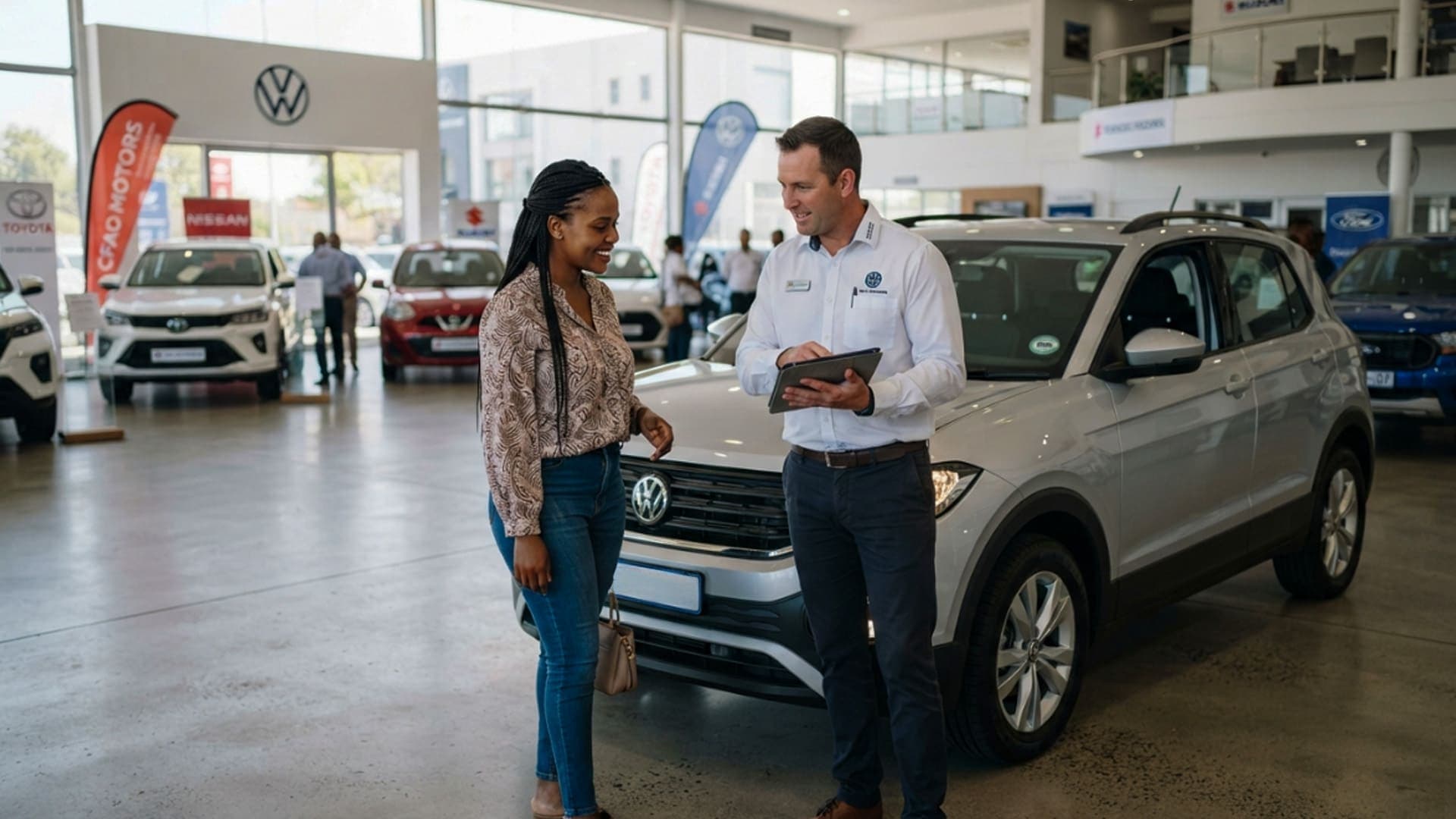
As South Africa’s vehicle market becomes more competitive, automotive advertising needs to do more than announce a price or specification. It needs to help buyers understand value, ownership costs and why a vehicle suits their lives.

Automotive Digital Ads in South Africa: A Shift
Exploring how South Africa’s automotive advertising evolved from print and broadcast to data-driven, programmatic digital ecosystems.

The Video Shift in Car Buying Decisions in SA
Explore how video content shapes car purchase decisions in South Africa, comparing short-form and long-form strategies for automotive marketers.