The Transformation of the Automotive Sales Funnel (Ôëê1100 words)
For decades, the automotive sales funnel was a predictable journey, guided more by tradition than by innovation. Consumers browsed print adverts, visited dealerships, and relied heavily on sales representatives to shape their decisions. The funnel was largely linear, and marketingÔÇÖs role was to generate foot traffic to the showroom. Yet, as digital technologies reshaped industries from retail to banking, the automotive sector began to feel pressure from a more informed, digitally empowered customer base. Buyers were no longer content with passive browsing; they wanted tailored information, seamless online journeys, and immediate reassurance that a brand understood their preferences.
At the heart of this transformation is artificial intelligence. AI has shifted the funnel from a rigid pathway into a dynamic ecosystem where every touchpoint can be personalised, predicted, and measured. Instead of waiting for customers to make the first move, brands are now able to anticipate intent, refine offers in real-time, and meet potential buyers at the exact point of decision-making. The result is a sales funnel that is less about pushing inventory and more about curating individual journeys.
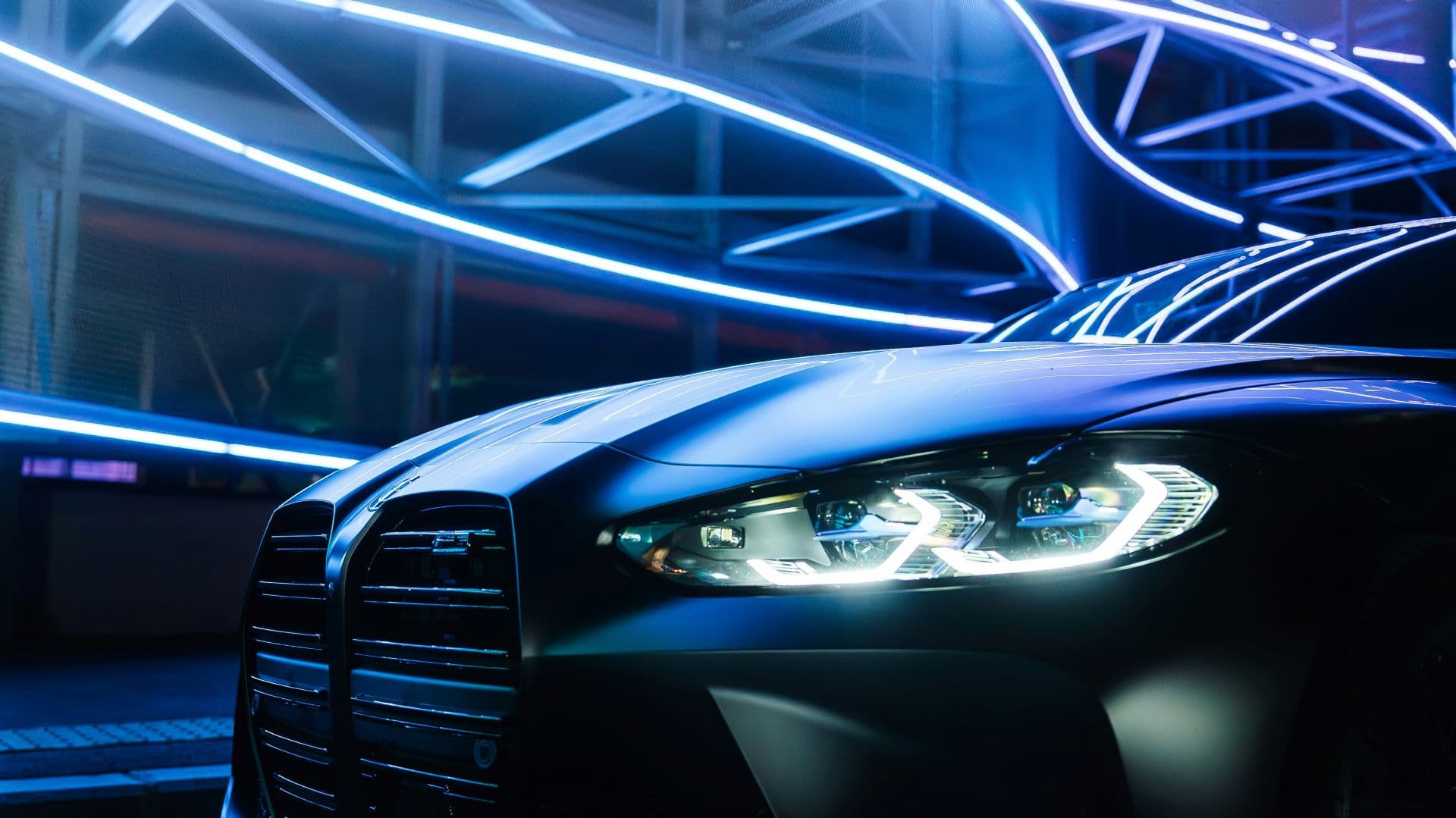
In automotive marketing, AI-powered configurators have become the most visible expression of this change. These platforms invite customers to design their ideal car online, adjusting colours, trims, and performance packages to match their lifestyles. Unlike static brochures, configurators gather rich behavioural data. Every click, pause, and modification reveals intent, from a family buyerÔÇÖs preference for safety features to an enthusiastÔÇÖs fascination with performance upgrades. This is not just engagementÔÇöit is actionable intelligence that feeds directly into CRM systems, enabling personalised follow-up and predictive campaigns.

Tesla, perhaps more than any other brand, has disrupted the funnel by redefining its very structure. With a direct-to-consumer model that bypasses dealerships, Tesla leans heavily on digital-first experiences. Prospects explore their vehicles almost entirely online, using a sleek configurator that mirrors the companyÔÇÖs brand ethos: minimalism, clarity, and control. This streamlined path reduces friction but also places immense importance on how data is captured and activated. In TeslaÔÇÖs funnel, AI is not an optional add-onÔÇöit is the foundation of how demand is nurtured and converted.
By contrast, traditional dealer-driven marketing has been slower to adapt. While dealerships offer human connection and localised presence, their marketing often relies on mass promotions, seasonal discounts, and legacy advertising. The funnel is cluttered with intermediaries and inconsistent messaging. Where Tesla uses AI to predict which customer is ready to commit, many dealer networks still rely on sales staff intuition and monthly quotas. This creates gaps in efficiency and leaves room for disruptors to gain ground.
What becomes clear is that the funnel itself is no longer fixed. It is adaptive, flexible, and increasingly automated. Yet this is not automation in the sense of removing human agency. Instead, AI allows marketers to focus on higher-value strategiesÔÇöcrafting narratives, building trust, and aligning brand identityÔÇöwhile the algorithms handle the heavy lifting of segmentation, targeting, and timing. For automotive brands, the challenge is to merge the best of both worlds: the data-driven precision of AI with the relational warmth of dealership networks.
AI-Powered Configurators as the New Showroom
The online configurator has become the flagship tool of modern automotive marketing. Once considered a novelty, it is now the stage where brand storytelling, personalisation, and data collection converge. The best configurators go beyond aesthetics; they transform exploration into commitment, turning curiosity into qualified intent.
A configuratorÔÇÖs power lies in interactivity. Rather than reading about a vehicleÔÇÖs features, the customer experiences them through visualisation. Advanced platforms employ 3D rendering, AR integration, and even VR environments to allow prospects to see their chosen car in their driveway, compare trim levels in real time, or sit virtually behind the wheel. These are not mere gimmicks; they are tactile bridges between imagination and ownership.
Tesla set the benchmark by integrating its configurator directly with purchasing. Instead of guiding customers toward a dealer, the Tesla platform allows them to finalise orders online, securing delivery without leaving the digital environment. Every decisionÔÇöfrom paint colour to autopilot optionsÔÇöis seamlessly recorded, creating a profile of that customerÔÇÖs preferences. This data fuels TeslaÔÇÖs predictive CRM, ensuring that marketing messages are never generic. If a prospect lingers on the ÔÇ£Long RangeÔÇØ variant, the follow-up might highlight charging infrastructure. If another repeatedly views premium interiors, the CRM can send content around craftsmanship and comfort.
Traditional brands are racing to catch up. BMW, Audi, and Mercedes-Benz have invested heavily in configurators that blend design flair with machine learning. These tools do not just present optionsÔÇöthey guide customers intelligently. For instance, if a customer selects an SUV body type, the AI might highlight safety packages or family-oriented accessories. If performance features are prioritised, the configurator will surface track-focused upgrades. Each choice feeds a recommendation engine that mirrors the logic of e-commerce platforms like Amazon or Netflix: suggesting, refining, and nudging until the decision feels natural.
From a marketing perspective, configurators are also a goldmine for understanding demand at a granular level. Which models are most frequently customised? Which colour combinations never progress to purchase? Which features are consistently chosen as must-haves? These insights allow manufacturers to adjust inventory, tailor advertising, and even inform product development. Dealers too can benefit, using aggregated configurator data to forecast showroom demand and plan stock accordingly.
The challenge lies in integration. A configurator cannot sit in isolation; it must connect seamlessly with CRM systems, advertising platforms, and post-purchase engagement. When this integration is weak, the data is underutilised, and opportunities are lost. TeslaÔÇÖs advantage here is its closed-loop ecosystemÔÇöby owning the funnel end-to-end, it ensures that configurator data flows directly into targeted campaigns. Dealer-driven networks, however, often struggle with fragmented systems, where the manufacturer controls the digital front end, but dealers handle lead follow-up with varying degrees of sophistication.
In the years ahead, the role of configurators will only grow. Advances in AI will allow for hyper-personalisation, where platforms do not just respond to input but proactively anticipate needs. Imagine a configurator that recognises a visitorÔÇÖs browsing history, detects family status from demographic data, and opens with a pre-set configuration tailored to their lifestyle. This is where predictive CRM intersects with the configurator: a sales funnel that feels less like marketing and more like a concierge service.
Personalised Offers and the Rise of Predictive CRM
The concept of personalisation is not new, but AI has elevated it from a tactical advantage to a strategic necessity. In automotive marketing, where purchase decisions are high-value and emotionally charged, generic promotions fall flat. Consumers want to feel understood, and predictive CRM campaigns are proving to be the most effective way of delivering that assurance.
Personalisation begins with data. Every interactionÔÇöwhether a configurator choice, website visit, or social media engagementÔÇöadds to a customerÔÇÖs profile. AI systems then analyse these signals to predict readiness to buy, preferred communication channels, and even potential objections. Instead of blasting out uniform promotions, marketers can craft offers that resonate on a one-to-one level.
Tesla exemplifies this precision. Its CRM does not just track prospects; it anticipates their progression. A customer who configures a Model Y but abandons the checkout might receive a reminder highlighting financing options, addressing the unspoken barrier of affordability. Another who repeatedly views Model S content could be nudged with updates about performance milestones or owner testimonials. These are not random emails but carefully timed interventions designed to move the customer closer to conversion.
In traditional dealer-driven marketing, personalisation is often inconsistent. Some dealerships excel with tailored follow-ups, while others default to generic ÔÇ£come visit usÔÇØ messages. This inconsistency erodes trust and reduces efficiency. Predictive CRM addresses this by automating personalisation, ensuring that every lead receives relevant, contextual communication regardless of where they are in the funnel. The AI does not just predict what a customer wantsÔÇöit predicts when they are most receptive to hearing it.
For marketers, the implications are profound. Campaigns are no longer built around broad segments like ÔÇ£SUV buyersÔÇØ or ÔÇ£urban millennials.ÔÇØ Instead, micro-segmentation becomes the norm, where each prospect is effectively treated as a segment of one. Offers can vary not only by product but by timing, channel, and emotional appeal. The result is a funnel that feels less like a pipeline and more like a dialogue, where customers are guided rather than sold to.
Importantly, predictive CRM also enhances loyalty. Post-purchase, AI can anticipate service needs, suggest upgrades, or recommend accessories tailored to usage patterns. A driver who covers high mileage might receive reminders about maintenance plans. An EV owner with regular long-distance travel might be targeted with charging solutions. This proactive engagement turns customers into advocates, extending the funnel beyond purchase into a cycle of retention and advocacy.
The future of personalised offers lies in blending transactional precision with emotional resonance. Automotive marketing must recognise that while AI can predict behaviour, the human desire for storytelling remains. The most effective campaigns will be those that use AI to identify opportunities and timing but deliver content that connects with aspiration, lifestyle, and identity. Tesla has demonstrated the potential of predictive CRM at scale, but traditional manufacturers have an opportunity to differentiate through richer narratives layered onto AI-driven precision.
TeslaÔÇÖs Direct-to-Consumer Model vs. Dealer-Driven Marketing
TeslaÔÇÖs direct-to-consumer model represents a seismic shift in automotive sales. By bypassing the dealership, Tesla controls the funnel from end to end, creating a frictionless digital journey that aligns with consumer expectations shaped by tech giants like Apple and Amazon. The brandÔÇÖs approach hinges on minimal physical touchpoints and maximum digital engagement, with the configurator and predictive CRM doing the heavy lifting of conversion.
This model offers clear advantages. Pricing transparency eliminates haggling, and the online order process reduces friction. Customers feel empowered, and the brand benefits from a consistent, globally unified narrative. The data loop is equally powerfulÔÇöbecause Tesla owns every interaction, it can refine its strategies with unmatched precision. AI algorithms are fed with clean, direct data, enabling accurate predictions and personalised campaigns.
Traditional dealer-driven marketing, by contrast, operates within a more complex ecosystem. Dealers bring local expertise, community presence, and human connection, but the funnel is fragmented. Manufacturers may run national campaigns, but execution often relies on dealer follow-up, where messaging can vary widely. AI-powered configurators and CRM tools are introduced at the brand level, yet their effectiveness is diluted if dealers do not align.
The contrast is most evident in customer experience. Tesla customers typically describe their journey as streamlined and digital-first, with little reliance on sales staff. For traditional brands, customers often encounter disjointed experiencesÔÇöslick online configurators followed by outdated lead-handling practices at the dealer level. This inconsistency undermines the power of AI-driven marketing.
Yet it would be simplistic to declare the dealer model obsolete. Dealerships still play a vital role in markets where customers value physical test drives, personalised advice, and local support. They also provide aftersales infrastructure, which remains critical for loyalty. The challenge is to integrate AI into dealer-driven systems so that the benefits of predictive personalisation are not lost in translation. Hybrid approaches are emerging, where manufacturers handle top-of-funnel engagement with AI-powered tools, while dealers leverage predictive CRM insights to deliver personalised, in-person experiences.
TeslaÔÇÖs model highlights what is possible when control is centralised. Traditional brands highlight the importance of adaptability across diverse geographies and customer expectations. The future of automotive marketing may not lie in choosing one model over the other but in synthesising the strengths of both: TeslaÔÇÖs precision and efficiency with the relational depth of dealer networks.
The Future of AI-Driven Automotive Marketing
The trajectory of AI in automotive marketing points toward deeper integration, greater personalisation, and a redefined relationship between brands and consumers. The funnel will continue to evolve, becoming less of a pipeline and more of an ecosystem where touchpoints are fluid and responsive.
One area of growth will be predictive intent modelling. As AI becomes more sophisticated, it will not just interpret past behaviour but forecast future needs with remarkable accuracy. A customer researching electric vehicles may not only be targeted with EV content but also offered insights into charging infrastructure in their region, ownership costs, and government incentivesÔÇöanticipating the questions before they are asked.
Configurators will evolve into immersive ecosystems. With the rise of extended reality, prospects may soon step into fully virtual showrooms, interact with digital sales assistants, and experience vehicles in simulated environments tailored to their lifestyle. These platforms will double as data engines, capturing nuanced signals that feed directly into CRM systems.
For predictive CRM, the future lies in convergence. AI will merge behavioural, transactional, and emotional data to create a holistic view of the customer. Campaigns will shift from reactive to proactive, from static offers to dynamic dialogues. The CRM of tomorrow will not wait for customers to declare intentÔÇöit will anticipate it, crafting journeys that feel intuitive, personal, and even empathetic.
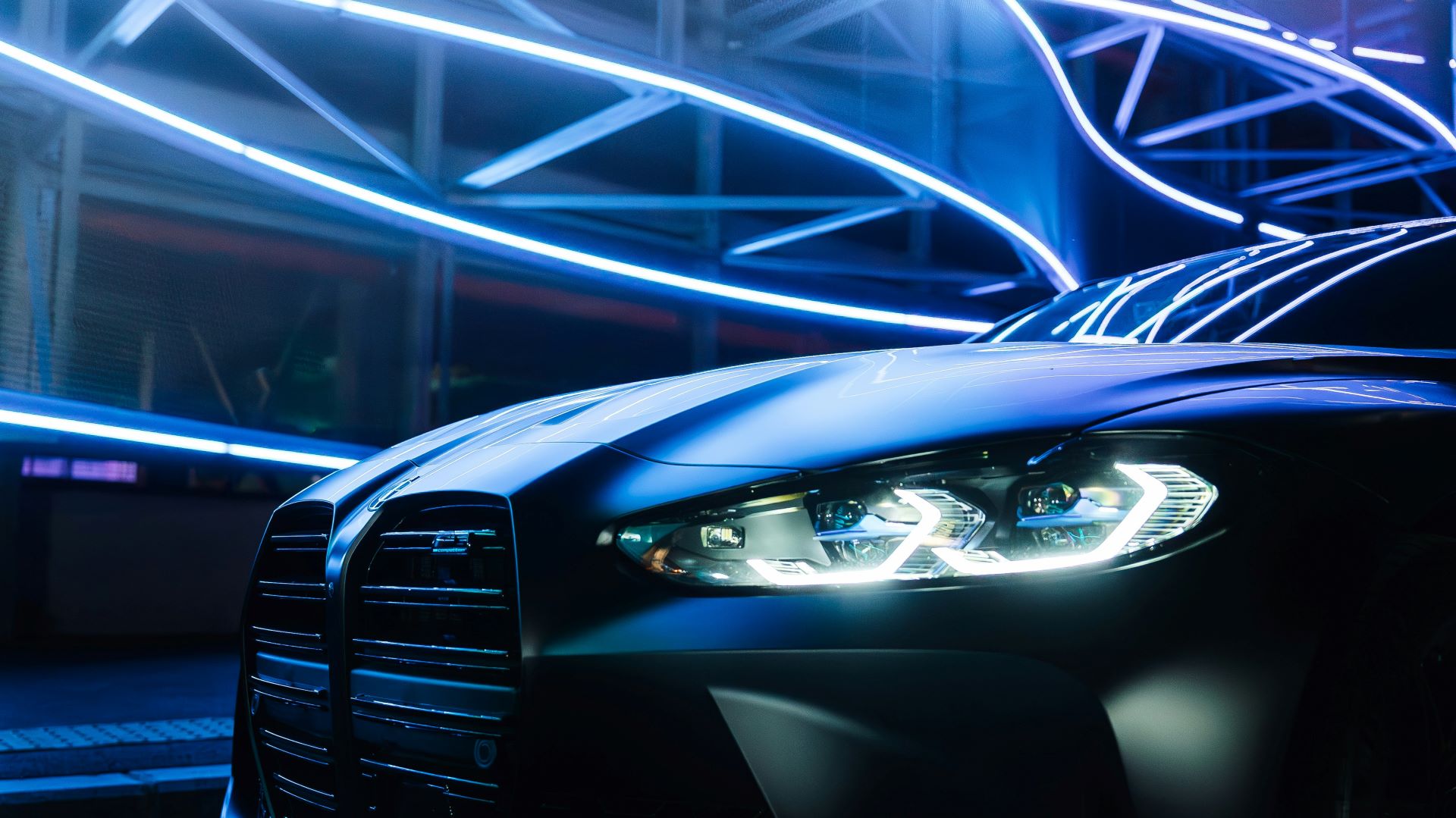
Tesla will continue to set benchmarks, but traditional manufacturers have opportunities to innovate by leveraging their dealer networks as extensions of AI-driven marketing. Imagine a scenario where a prospect configures a car online, receives predictive CRM offers, and then visits a dealership where the salesperson is fully briefed on their preferences, history, and intent. This fusion of digital precision and human connection could represent the next stage of the funnelÔÇÖs evolution.
The long-term vision is not merely to sell cars but to build ecosystems of mobility. AI-powered configurators, predictive CRM, and personalised offers will be central to subscription models, shared mobility solutions, and autonomous vehicle adoption. As customer expectations shift from ownership to access, the ability to anticipate needs and personalise journeys will define competitive advantage.
Automotive marketing is entering its most transformative era in a century. The tools are no longer optional; they are foundational. The brands that succeed will be those that see AI not as a bolt-on technology but as the architecture of their funnel. Whether through TeslaÔÇÖs direct-to-consumer clarity or the hybrid models of legacy manufacturers, the direction is unmistakable: a sales funnel that is intelligent, personalised, and predictive.
Breyten Odendaal
Specializing in high-performance automotive advertising and digital marketing solutions, delivering cutting-edge insights and the latest news shaping the automotive industry in South Africa.
More From Advertising

Automotive Digital Ads in South Africa: A Shift
Exploring how South Africa’s automotive advertising evolved from print and broadcast to data-driven, programmatic digital ecosystems.

The Video Shift in Car Buying Decisions in SA
Explore how video content shapes car purchase decisions in South Africa, comparing short-form and long-form strategies for automotive marketers.
Why Automotive Ads Must Think Like E-Commerce
Automotive ads in South Africa need e-commerce style conversion thinking to boost leads, optimise funnels, and improve dealership ROI.