
The Shift from Ownership to Experience
Luxury has always been more than a product. In the automotive world, this truth resonates even more deeply. A luxury car is not simply a vehicleÔÇöit is a statement, a reflection of personal taste, and increasingly, an extension of identity. For decades, premium marques relied on their badges, heritage, and craftsmanship to attract customers. Today, however, a new layer has emerged as the defining differentiator: personalisation. In an industry where technological parity is narrowing the gap between brands, the ability to offer a bespoke experienceÔÇöboth in vehicle and brand interactionÔÇöhas become the ultimate marketing tool.
This article explores how personalisation has reshaped premium automotive marketing, tracing its influence from product customisation to digital engagement, customer journey design, and the broader luxury ecosystem. It reveals why the road to the future of luxury mobility is not paved with uniformity, but with bespoke connections that turn customers into loyal advocates.
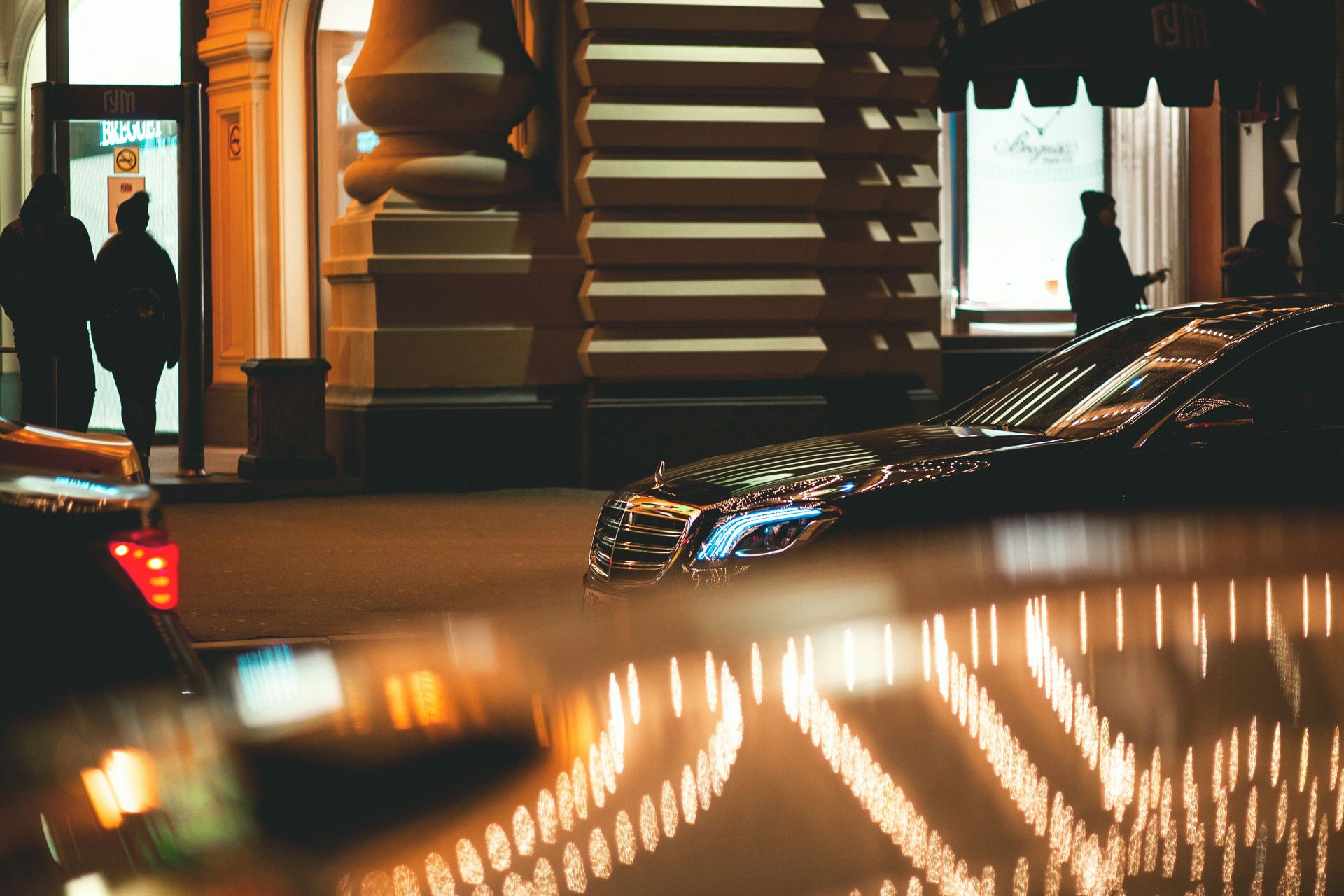
The DNA of Desire: Why Luxury Buyers Crave Personalisation
The psychology of luxury consumption has always revolved around status, exclusivity, and emotional fulfilment. In the premium automotive market, these factors play out with heightened intensity. Customers willing to spend six figures on a car are not merely purchasing mobility; they are purchasing validation and a story that aligns with their lifestyle aspirations.
Personalisation taps directly into this psyche. A mass-produced vehicleÔÇöeven if technically impressiveÔÇöcannot deliver the same resonance as one configured uniquely for its driver. Whether itÔÇÖs a paint colour mixed to match a customerÔÇÖs favourite piece of art, a monogrammed seat, or a curated in-car technology suite, personalisation amplifies the sense of ownership and belonging. It transforms a vehicle from ÔÇ£a luxury carÔÇØ into ÔÇ£my luxury car.ÔÇØ
For marketers, this presents an invaluable opportunity. Every bespoke detail becomes both a product feature and a marketing narrative, highlighting the brandÔÇÖs ability to adapt, innovate, and serve its clientele with precision. In essence, personalisation positions the brand not just as a manufacturer of vehicles, but as a curator of individual expression.
Heritage Meets Innovation: The New Face of Bespoke
Luxury carmakers have long embraced the art of tailoring. Rolls-RoyceÔÇÖs Bespoke programme and BentleyÔÇÖs Mulliner division are iconic examples, crafting one-off interiors and exteriors for discerning clients. What has changed in recent years, however, is the expectation that personalisation should no longer be reserved for the ultra-elite. Even customers purchasing entry-level premium models now expect some level of customisationÔÇöwhether itÔÇÖs upholstery stitching, ambient lighting schemes, or software-enabled drive modes that reflect their personality.
This evolution has redefined marketing strategies. No longer can campaigns rely solely on aspirational imagery of heritage estates and Alpine roads; they must showcase the tangible ability of a brand to bring individuality to life. For brands like Aston Martin, Porsche, and Maserati, showcasing their customisation programmes has become as vital as highlighting horsepower figures or design credentials.
The luxury lane is now a blend of heritage and innovation. By weaving stories of craftsmanship with digital configurators, immersive VR showrooms, and AI-driven recommendations, premium brands have created a new kind of theatreÔÇöone where customers not only dream but actively co-create their cars.
The Digital Configurator: From Tool to Theatre
The configurator has become one of the most powerful personalisation marketing tools in the premium automotive space. Once a basic website utility to select paint colours and wheel sizes, it has evolved into a digital showroom, a stage for storytelling, and a lead-generation powerhouse.
Modern configurators immerse potential buyers in high-definition, 3D-rendered environments that allow them to experiment with endless possibilities. Beyond colour and trim, they can now preview personalised interior lighting schemes, soundscapes, and even select drive mode calibrations. Some brands integrate augmented reality, enabling customers to project their dream car into their driveway via smartphone. Others, like Ferrari and Lamborghini, have elevated configurators into full VR experiences within dealerships, blending digital theatre with the tactile presence of a sales consultant.
For marketers, these tools provide more than spectacle. They generate data on customer preferences, highlight trends in demand, and reveal potential cross-sell opportunities. By capturing this information, premium brands can tailor follow-up communications with surgical precision, creating a continuum of personalisation that extends from online browsing to the dealership handshake.
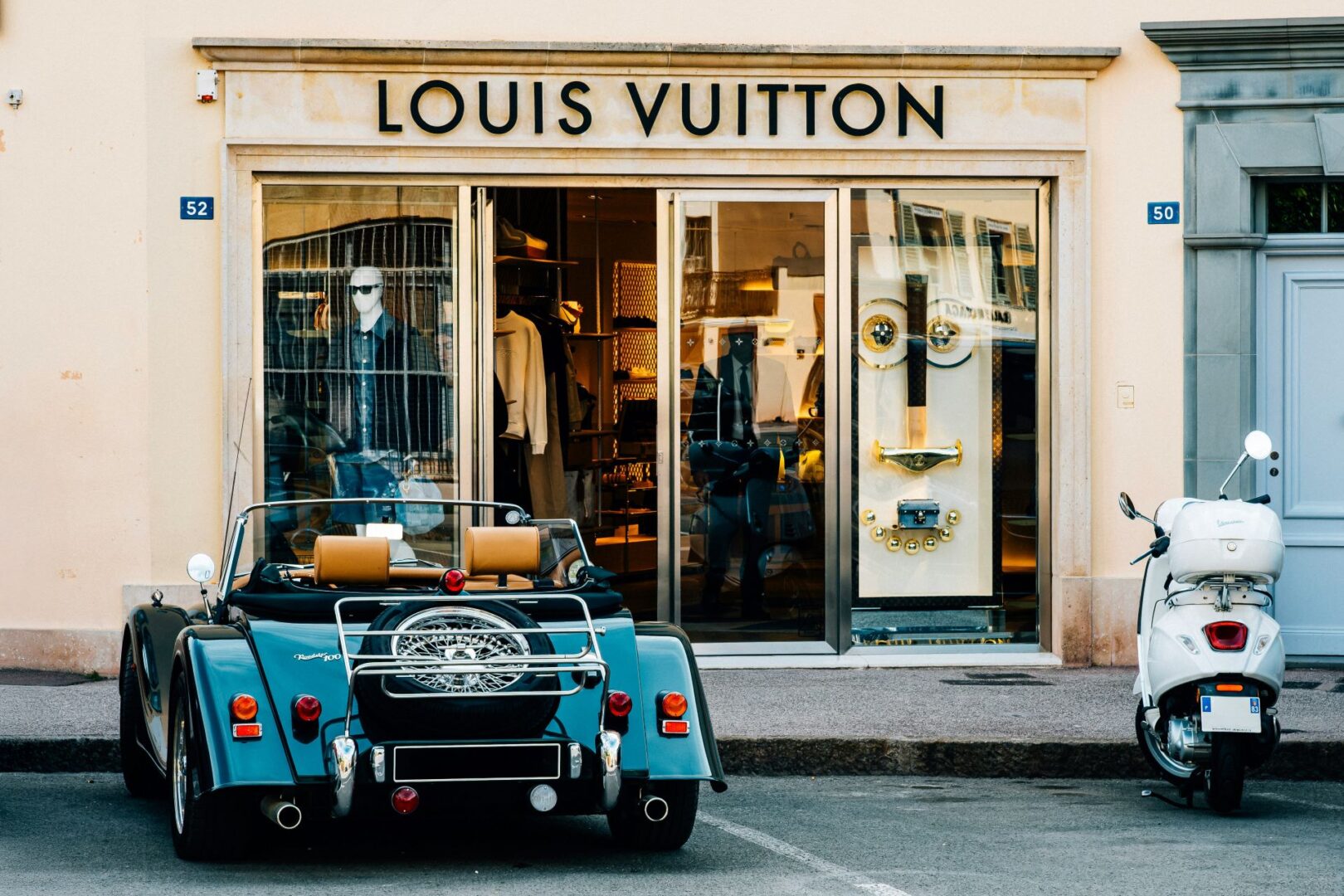
Beyond the Vehicle: Personalisation Across the Customer Journey
True personalisation in automotive marketing extends far beyond the car itself. It permeates the entire customer journeyÔÇöfrom the initial touchpoint through ownership and aftersales. Luxury customers expect brands to understand them holistically, not only in terms of product choices but also lifestyle, communication style, and service preferences.
At the awareness stage, targeted campaigns use data-driven insights to reach potential buyers with messaging that reflects their lifestyle aspirations. During consideration, immersive experiencesÔÇösuch as private test drives or curated eventsÔÇödemonstrate exclusivity. At the purchase stage, personalised interactions with sales staff reinforce the notion that this is not a transaction but a partnership.
Aftersales has become a critical frontier. Customers expect seamless, proactive service: reminders for maintenance tailored to their driving patterns, invitations to brand experiences aligned with their interests, and digital updates that evolve their cars over time. Over-the-air software upgrades, for example, now allow brands to add features long after the car leaves the showroomÔÇöextending personalisation into the ownership phase.
In this holistic approach, marketing is no longer about selling a car but orchestrating a lifetime relationship. The vehicle becomes a gateway to an ecosystem of brand experiences, each one tailored to make the customer feel singularly valued.
Data, Technology, and the Craft of Knowing the Customer
None of this would be possible without the intelligent use of data. The challenge for premium brands is to balance high-tech analytics with the high-touch ethos of luxury. In practice, this means harnessing customer data to anticipate desires without ever crossing into invasive territory.
Connected vehicles provide real-time data on driving habits, usage patterns, and even favourite destinations. Paired with CRM systems, this information allows marketers to design hyper-personalised campaigns, from suggesting bespoke performance upgrades to inviting customers to exclusive events in locations they frequent. Artificial intelligence further refines this process, enabling predictive personalisation that feels effortless and intuitive.
However, trust is paramount. Luxury buyers are acutely aware of their privacy and expect brands to handle their data with discretion. Successful premium automakers have learned to frame their use of data not as surveillance, but as craftsmanshipÔÇöan invisible layer of service that anticipates needs, saves time, and enhances the ownership experience.
Personalisation as Status: The Social Media Multiplier
In the age of Instagram and TikTok, personalisation also functions as a social currency. A bespoke car is not just driven; it is shared, photographed, and displayed as part of a digital lifestyle. Brands recognise this and often design marketing campaigns that amplify the shareability of custom features.
From Lamborghini showcasing rare paint finishes to Bugatti highlighting one-off commissions, the narrative is as much about spectacle as it is about substance. The effect is exponential: a single customerÔÇÖs personalised car can generate thousands of impressions, turning private customisation into public marketing.
By encouraging customers to showcase their individuality, premium brands effectively outsource parts of their storytelling. Personalisation becomes a viral marketing toolÔÇöone that relies less on traditional advertising and more on the organic desire of owners to broadcast their uniqueness.
From Exclusivity to Community: The Future of Personalised Luxury
The future of personalisation in premium automotive marketing lies not only in exclusivity but also in community. Historically, bespoke cars created distance between owners, each one having something no one else could replicate. Increasingly, however, brands are experimenting with shared experiences of personalisation, fostering communities around individuality.
Private launch events, customer-only forums, and curated drives bring owners together to celebrate their unique cars. Yet within these gatherings, the individuality of each vehicle is showcased, reinforcing both the sense of exclusivity and belonging. ItÔÇÖs a paradox that premium brands are uniquely equipped to manage: the ability to build communities of individualists.
Looking ahead, the intersection of sustainability and personalisation will shape the narrative further. Customisation will not just be about materials and aesthetics, but about aligning a car with a customerÔÇÖs ethical valuesÔÇöwhether through vegan leather alternatives, carbon-neutral build processes, or software features that enhance eco-conscious driving. For luxury automakers, this will be the next marketing frontier: proving that personalisation can be as responsible as it is indulgent.
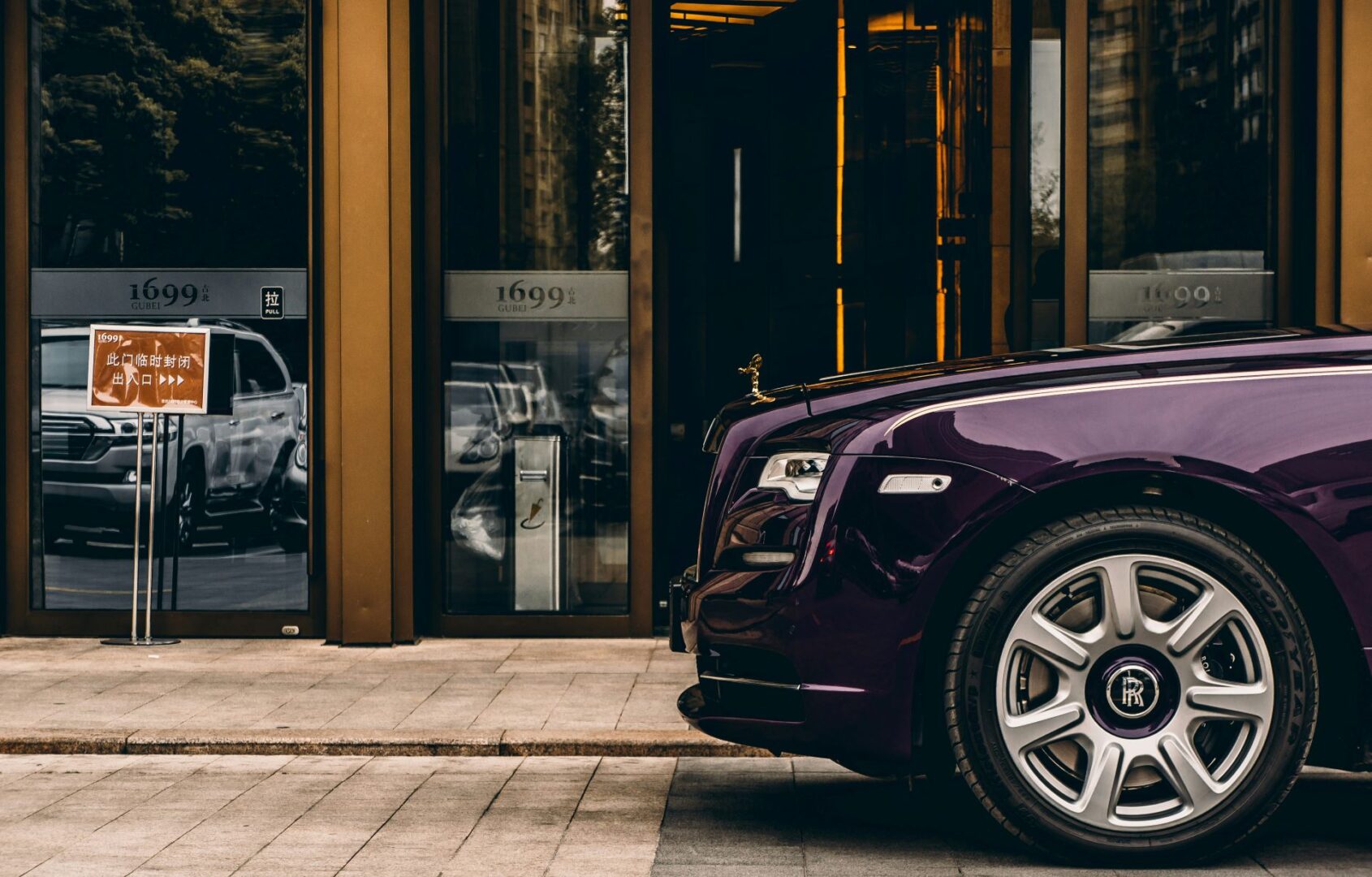
Personalisation as the New Pinnacle of Luxury Marketing
In the premium automotive world, personalisation has transcended its role as a design option to become the core of marketing strategy. It satisfies the psychological drivers of luxury consumption, harnesses the power of data and technology, and transforms the customer journey into a bespoke narrative. More than a feature, it is now the ultimate brand differentiator, setting premium marques apart in a crowded and competitive marketplace.
The luxury lane of the future is not one of uniformity or mass appeal. It is paved with stories, details, and connections so finely tailored that each customer feels as if the brand was built for them. In this world, the greatest luxury is not just owning a carÔÇöit is owning a reflection of oneself.
Breyten Odendaal
Specializing in high-performance automotive advertising and digital marketing solutions, delivering cutting-edge insights and the latest news shaping the automotive industry in South Africa.
More From Advertising
Automotive Advertising in 2026: Selling Confidence in a More Competitive Market
As South Africa’s vehicle market becomes more competitive, automotive advertising needs to do more than announce a price or specification. It needs to help buyers understand value, ownership costs and why a vehicle suits their lives.

Automotive Digital Ads in South Africa: A Shift
Exploring how South Africa’s automotive advertising evolved from print and broadcast to data-driven, programmatic digital ecosystems.

The Video Shift in Car Buying Decisions in SA
Explore how video content shapes car purchase decisions in South Africa, comparing short-form and long-form strategies for automotive marketers.