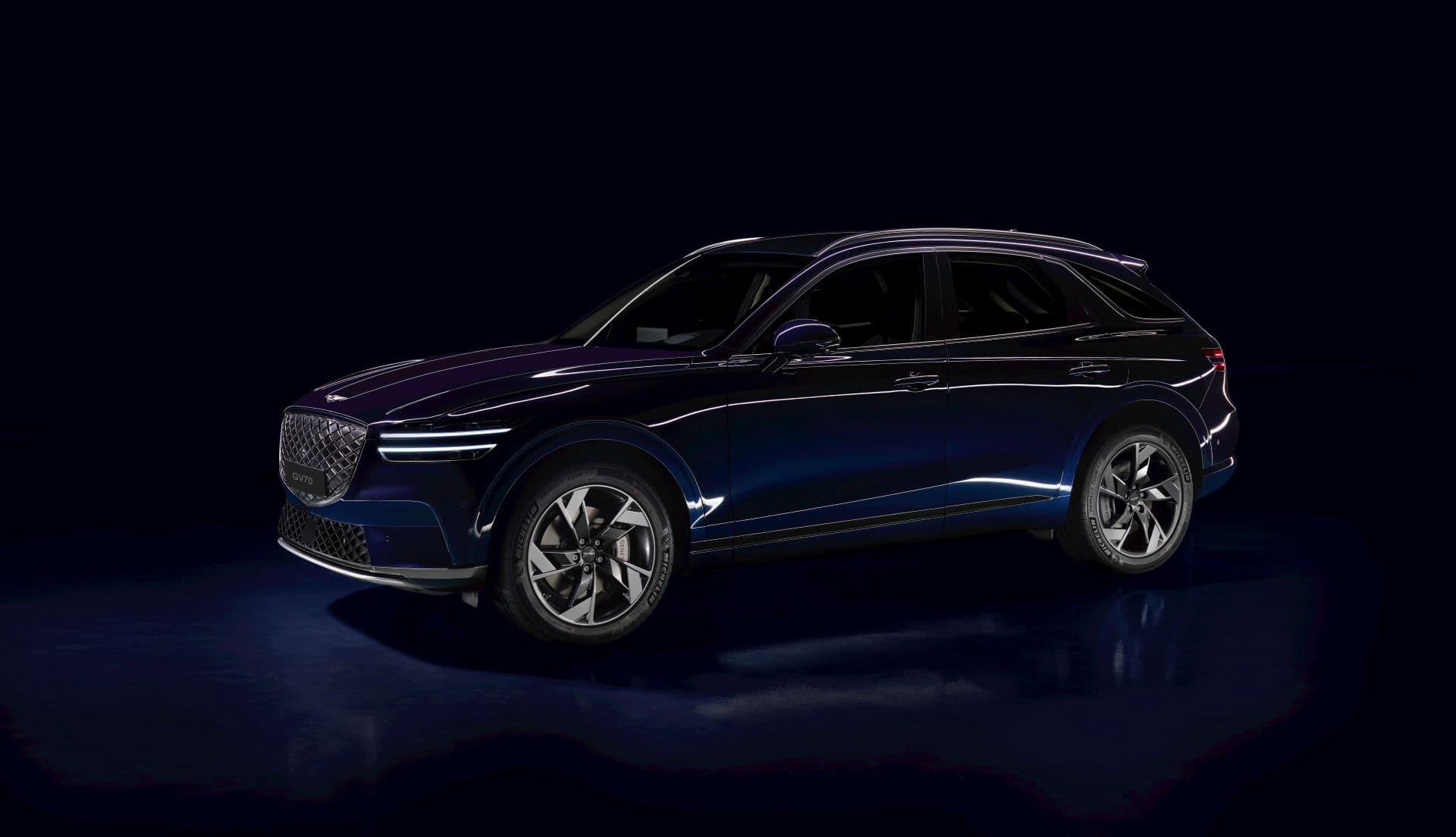
A Universal Language with Local Dialects
Cars may speak the universal language of motion, but the way theyÔÇÖre introduced, celebrated, and sold is anything but universal. Across borders, automotive marketing becomes a cultural mirror ÔÇö a reflection not only of what moves people physically, but what moves them emotionally. Global brands that once relied on sleek minimalism, cinematic storytelling, and the idea of progress have learned that tone alone cannot travel unchanged.
In markets like South Africa, where identity, pride, and aspiration are inseparable from community and cultural roots, automotive marketing is not just about mobility ÔÇö itÔÇÖs about meaning. The same tagline that resonates in Berlin or Tokyo might fall flat in Johannesburg if it doesnÔÇÖt acknowledge the texture of local experience. The ÔÇ£language of motionÔÇØ is therefore not a fixed script, but a constantly evolving dialogue between global identity and local resonance.
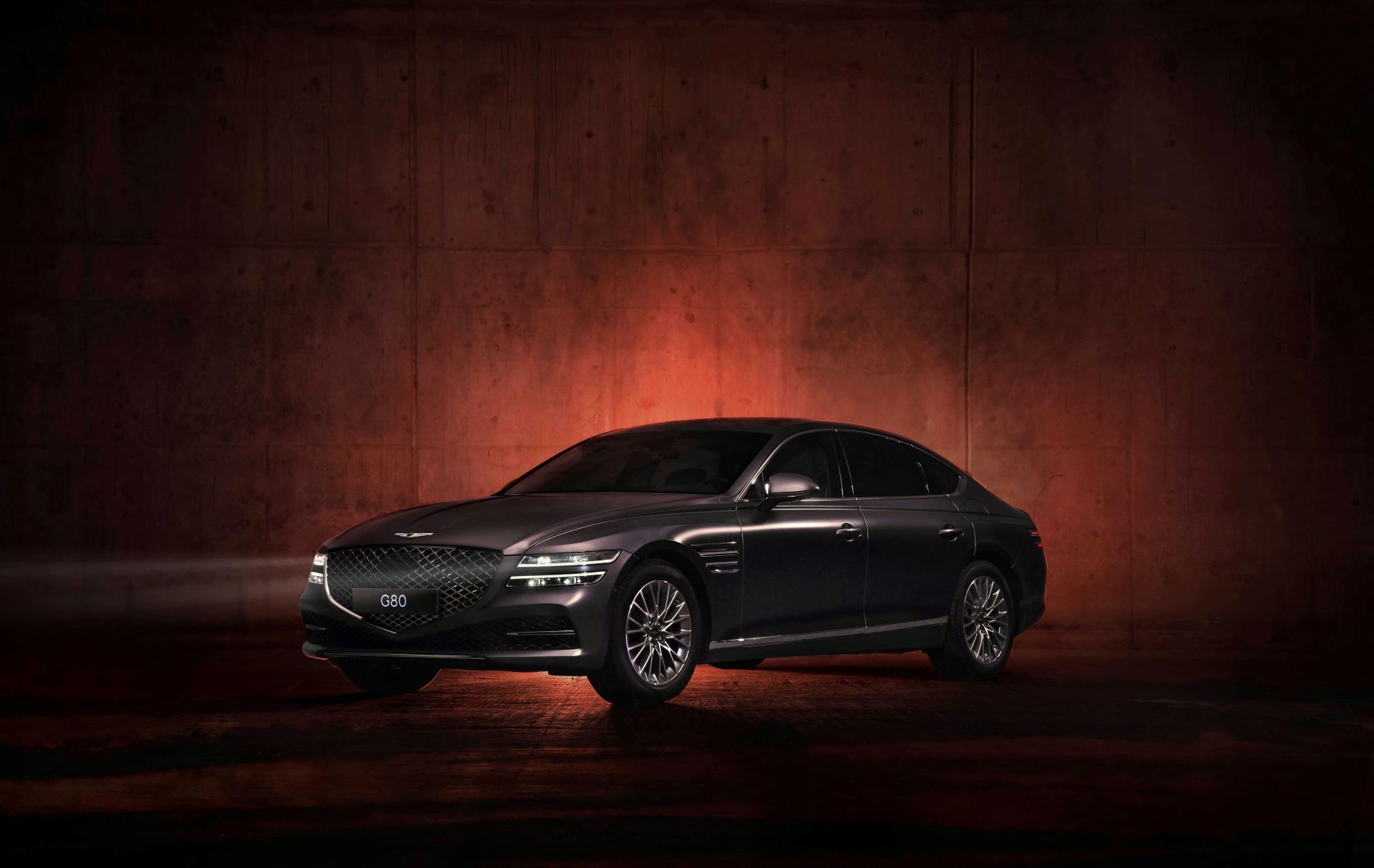
From Global Consistency to Local Authenticity
The automotive industry is perhaps one of the most globally unified ÔÇö engineering platforms, design philosophies, and brand hierarchies are meticulously aligned across continents. Yet, marketing remains its most delicate translation exercise. The BMW of Munich is not the BMW of Midrand; Toyota in Tokyo does not speak quite the same way as Toyota in Tembisa.
Local adaptation requires nuance, and in many cases, humility. It demands that marketers listen to rhythm and register ÔÇö how consumers express aspiration, success, and connection. A campaign that highlights the individualist pursuit of freedom in Europe might shift its tone in South Africa to celebrate collective progress, family journeys, or the sense of overcoming adversity.
This is where the artistry of automotive marketing lies today: in translating precision-engineered products into emotion-engineered narratives that feel genuine within each cultural context.
Decoding South AfricaÔÇÖs Drive
In South Africa, the car is rarely just a car. ItÔÇÖs a story of achievement, mobility in the literal and social sense, and often a symbol of dignity hard-earned. This is not an audience thatÔÇÖs easily swayed by aspirational clich├®s or imported storytelling. South Africans crave authenticity ÔÇö a brand that acknowledges both challenge and triumph, modernity and heritage.
Consider how Volkswagen South Africa has cultivated loyalty through campaigns like ÔÇ£PeopleÔÇÖs WheelsÔÇØ and ÔÇ£Drive Local.ÔÇØ Their messaging captures everyday realities ÔÇö not polished luxury, but relatable ambition. Similarly, ToyotaÔÇÖs enduring ÔÇ£The Journey ContinuesÔÇØ narrative aligns seamlessly with the national spirit of perseverance. ItÔÇÖs about motion as progress, not privilege.
Global tone, if unadjusted, risks sounding cold or disconnected in a country where human connection defines everything from commerce to creativity. The marketing voice that succeeds here doesnÔÇÖt merely translate language; it translates emotion.
Tone as a Mirror of Culture
Tone is the most underestimated weapon in automotive branding. ItÔÇÖs the difference between a car being seen as a foreign object or a familiar companion. The global lexicon of performance and innovation may appeal to engineers and enthusiasts, but the local lexicon of belonging and aspiration appeals to people.
Luxury brands like Mercedes-Benz have long understood this balance. Globally, their voice speaks of timeless sophistication and technical mastery. In South Africa, that voice softens ÔÇö it becomes more grounded, inviting, and human. Their local campaigns often highlight shared experiences and moments of arrival, rather than exclusivity. ItÔÇÖs not about superiority, but confidence.
Likewise, FordÔÇÖs local storytelling frequently leans into rugged optimism, mirroring the national characterÔÇÖs blend of resilience and resourcefulness. The Ranger isnÔÇÖt just built tough ÔÇö itÔÇÖs built for the terrain and temperament of its drivers. The message feels native, not imported.
In these tonal adjustments, we find the subtle artistry that separates generic marketing from cultural fluency.
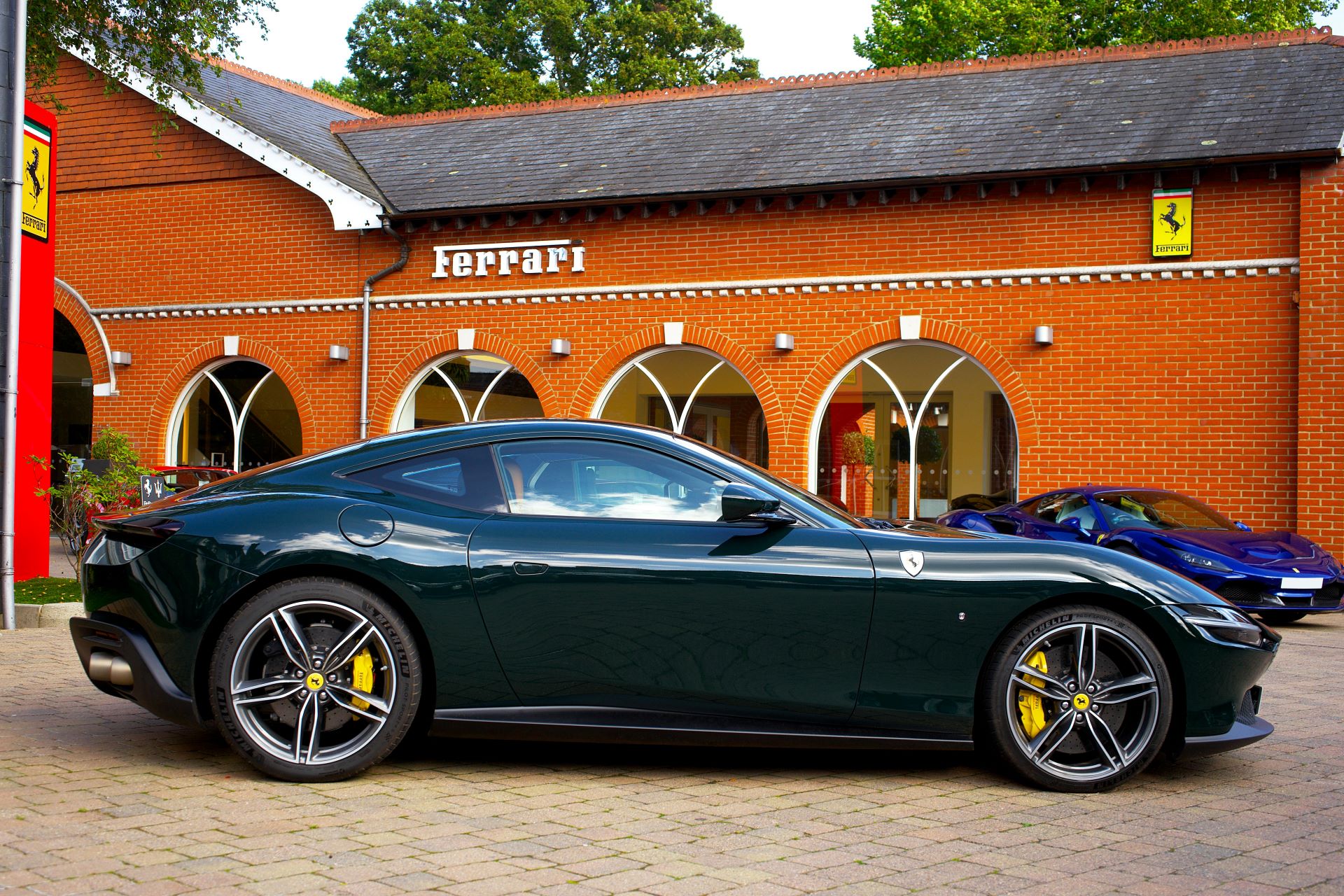
Heritage, Language, and the Semiotics of Speed
Every culture has its own vocabulary for progress. In Europe, speed often symbolises freedom; in America, itÔÇÖs about independence. In South Africa, motion can signify transformation ÔÇö personal, social, and historical. This is where global marketers must tread carefully: heritage can be a powerful touchstone, but it can also be misrepresented if reduced to visual motifs or slogans.
Automotive storytelling in local markets must therefore navigate both pride and progress ÔÇö honouring the past while expressing a forward-looking optimism. Mini South Africa, for example, often weaves humour and personality into its tone, embracing a youthful, playful sensibility that mirrors local creativity. Land Rover taps into a different current ÔÇö heritage, endurance, and the promise of exploration that resonates deeply with a nation whose landscapes are as diverse as its people.
These tonal strategies arenÔÇÖt cosmetic tweaks; theyÔÇÖre translations of identity.
The Challenge of Multilingual Markets
South AfricaÔÇÖs eleven official languages make it one of the most linguistically complex automotive markets in the world. English remains the default of commerce, but emotional connection often lies in vernacular expression. A single line of copy can carry vastly different connotations depending on its phrasing ÔÇö something that local marketing teams have learned to navigate with precision.
For instance, a campaign that uses isiZulu or isiXhosa idioms gains authenticity by signalling inclusion. The rhythm, cadence, and even humour of local speech patterns matter. In automotive marketing, this goes beyond subtitles or translation; itÔÇÖs about cultural code-switching that feels effortless.
Brands that invest in understanding linguistic nuance ÔÇö not as novelty but as narrative ÔÇö often enjoy deeper trust. They become voices that speak with their audience, not at them.
Emotion as a Universal Connector
While tone and language vary across borders, emotion remains the shared core. The hum of an engine, the glint of sunlight on a polished bonnet, the quiet satisfaction of a perfect drive ÔÇö these are sensory moments that unite audiences worldwide. The marketerÔÇÖs task is to frame them in ways that feel contextually real.
In emerging markets like South Africa, emotion often intertwines with aspiration. The car is both a vessel of independence and a tool of connection. Advertising that captures this duality ÔÇö the personal and the communal ÔÇö strikes the deepest chord.
Brands like Hyundai and Kia have excelled in this space, merging global emotional storytelling with local relevance. Their tone tends to celebrate optimism, family, and progress ÔÇö concepts universally understood but locally felt.
Digital Transformation and Local Voice
The shift toward digital-first marketing has amplified the need for local tone adaptation. Social media has flattened hierarchies between global headquarters and local markets ÔÇö audiences can instantly tell whether a brandÔÇÖs voice is authentic or algorithmically translated.
South African consumers, digitally literate and culturally expressive, expect brands to engage with wit, empathy, and awareness. Campaigns that rely solely on global templates feel sterile; those that infuse local idioms, humour, and values earn traction.
Take Audi South AfricaÔÇÖs social campaigns: the blend of cinematic sophistication with contextual storytelling ÔÇö from scenic drives through the Karoo to cityscapes of Johannesburg ÔÇö creates a narrative that feels authentically local yet aspirationally global. The brandÔÇÖs tone remains consistent with its international image, but its cadence feels distinctly African.
Collaboration: The Human Engine Behind Translation
Behind every well-translated automotive campaign lies collaboration ÔÇö between linguists, copywriters, cultural consultants, and creative directors who understand the subtleties of tone. Global headquarters might define ÔÇ£voice,ÔÇØ but itÔÇÖs the local teams who define truth.
The best marketing doesnÔÇÖt overwrite culture; it listens to it. South African agencies have become experts in balancing brand fidelity with regional authenticity, crafting campaigns that move between global consistency and local spontaneity. TheyÔÇÖre fluent in the unspoken language of audience emotion ÔÇö where silence, humour, and symbolism can all carry weight.
This cross-cultural collaboration ensures that even as cars are engineered to global standards, their stories are tuned to local frequencies.
The Future of Automotive Tone: Local First, Global Always
As the automotive industry transitions toward electrification and software-defined experiences, the marketing tone must evolve once again. The question is no longer how fast can it go, but how does it fit into your life?
In markets like South Africa, this evolution opens space for storytelling that intertwines technology with humanity. EV adoption narratives must address practical realities ÔÇö infrastructure, accessibility, affordability ÔÇö while still inspiring a sense of progress. Tone, therefore, becomes both empathetic and educational.
Global brands entering these markets must remember that local consumers value more than performance; they value partnership. Marketing that feels participatory rather than prescriptive ÔÇö that acknowledges local challenges and celebrates local innovation ÔÇö will define the next era of automotive communication.
The Rhythm of Relevance
Motion, at its core, is universal. But meaning is not. The car that crosses borders must carry a story that does too ÔÇö one that can be heard differently, yet harmoniously, in every market it enters.
For South Africa, automotive marketing isnÔÇÖt just a translation of global tone; itÔÇÖs an assertion of identity. The industryÔÇÖs success lies in understanding that language is more than words ÔÇö itÔÇÖs cadence, culture, and connection. When brands speak that language fluently, they become part of something far greater than commerce.
They become part of the movement itself ÔÇö the ongoing story of people, places, and the machines that carry them forward.
Breyten Odendaal
Specializing in high-performance automotive advertising and digital marketing solutions, delivering cutting-edge insights and the latest news shaping the automotive industry in South Africa.
More From Advertising

Automotive Advertising in 2026: Selling Confidence in a More Competitive Market
As South Africa’s vehicle market becomes more competitive, automotive advertising needs to do more than announce a price or specification. It needs to help buyers understand value, ownership costs and why a vehicle suits their lives.

Automotive Digital Ads in South Africa: A Shift
Exploring how South Africa’s automotive advertising evolved from print and broadcast to data-driven, programmatic digital ecosystems.

The Video Shift in Car Buying Decisions in SA
Explore how video content shapes car purchase decisions in South Africa, comparing short-form and long-form strategies for automotive marketers.