
Where Racing Meets Branding
Motorsport has long captivated audiences, not just for the thrill of speed or the spectacle of daring overtakes, but for the stories it tells about engineering, strategy, and human ambition. Yet beyond the adrenaline-fueled laps and pit-stop drama lies a sophisticated, highly strategic marketing ecosystem. Automotive brands have recognized that every race, every championship, and every limited-edition car represents an opportunity to communicate not merely what they build, but who they are.
The modern motorsport arenaÔÇöfrom the glitz and glamour of Formula 1 circuits to the endurance-testing WEC events and the rugged challenges of global rally campaignsÔÇöis a stage on which brands craft narratives of performance, reliability, and innovation. Sponsorships, race victories, and specially crafted limited editions serve as conduits for brand storytelling, translating victories on the track into perception in the marketplace. For marketing teams, motorsport is not a peripheral endeavor; it is a strategic instrument with the power to influence consumer behavior, elevate brand status, and drive sales.
This exploration delves deep into the mechanisms through which motorsport and marketing intersect, examining real-world campaigns, strategic decisions, and consumer psychology. It reveals how brands leverage performance to build identity, how race outcomes shape perception, and how limited-edition models act as both aspirational objects and tactical marketing tools.
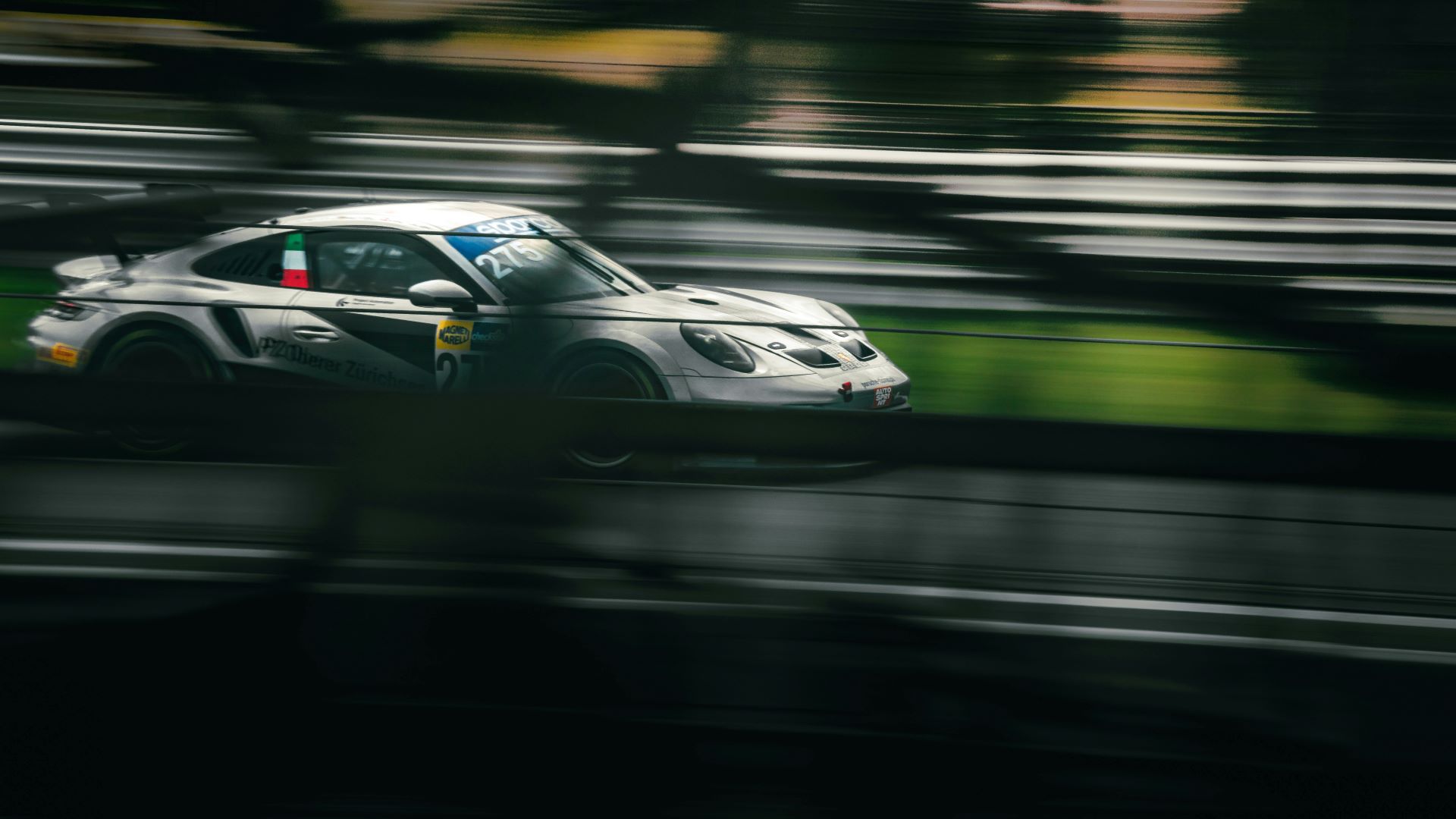
Motorsport Sponsorship: Crafting Brand Identity at Speed
Sponsorship has always been the lifeblood of motorsport. Historically, companies saw sponsorships as a way to plaster logos across cars and pit walls, but today it is far more nuanced. Modern automotive sponsorship is a complex exercise in audience alignment, brand positioning, and narrative crafting.
In Formula 1, the worldÔÇÖs most televised motorsport championship, sponsorship operates on multiple levels. Mercedes-AMG Petronas Formula 1 Team, for example, leverages its long-standing partnership with Petronas not just for brand visibility, but to associate the Malaysian oil and gas company with precision engineering and elite performance. Similarly, Red Bull Racing has transformed sponsorship into a lifestyle statement. By integrating extreme sports, entertainment, and digital content into its motorsport strategy, Red Bull has turned what might otherwise be a conventional automotive sponsorship into a global youth-centric branding platform.
The effectiveness of sponsorship lies in its subtlety. A logo alone is insufficient; it is the context, the narrative, and the performance that create resonance. Rally campaigns, in particular, showcase this principle. The World Rally Championship (WRC) exposes brands to an environment of unpredictability and resilience. Sponsoring a rally team communicates adaptability and reliability. SubaruÔÇÖs long association with rallying, for instance, has established the brand as synonymous with rugged dependability and performance in challenging conditions. Unlike static advertising, motorsport sponsorship generates engagement through storylines, emotional highs, and shared experiences.
Beyond visibility, sponsors often gain access to integrated marketing opportunities. Hospitality events, behind-the-scenes content, social media integration, and co-branded activations transform race weekends into immersive brand experiences. Fans not only see the brandÔÇöthey interact with it, creating emotional bonds that transcend conventional advertising.
The Power of Performance: Victories as Marketing Capital
Race victories are more than just points on a leaderboard; they are potent marketing assets. A win in Formula 1 or a podium finish at Le Mans communicates engineering excellence, operational precision, and competitive superiority. These attributes, once associated with a team or driver, naturally extend to the brand itself.
MercedesÔÇÖ dominance in the turbo-hybrid era of Formula 1 is a prime example. Their sustained success on the track has strengthened perceptions of the Mercedes-AMG road car lineup, reinforcing ideas of reliability, innovation, and cutting-edge performance. Similarly, FerrariÔÇÖs identity is inextricably linked to its motorsport pedigree. Each Formula 1 win is not merely a statisticÔÇöit is an affirmation of heritage, passion, and engineering mastery, reinforcing the brandÔÇÖs allure and exclusivity in the minds of consumers.
Endurance racing, such as the 24 Hours of Le Mans in the WEC, offers a slightly different narrative. Here, victory represents not only speed but durability and technological sophistication. PorscheÔÇÖs decades-long success at Le Mans communicates endurance, reliability, and continuous innovation. For consumers, these victories validate the premium positioning of PorscheÔÇÖs road cars, justifying higher price points while building brand credibility.
Even in rallying, where unpredictability is the rule rather than the exception, victories carry immense marketing weight. Toyota Gazoo Racing, through its WRC campaigns, conveys resilience, adaptability, and tactical mastery. When consumers see a rally car successfully navigating treacherous terrain, it reinforces the perception that the corresponding road cars are equally capable, trustworthy, and engineered for real-world challenges.
The impact of victories is not confined to the track. Integrated campaigns leverage wins through digital storytelling, press coverage, and experiential events. Brands can turn a podium finish into a global narrative that engages audiences, strengthens equity, and stimulates consumer action.
Limited-Edition Models: Making Victory Tangible
One of the most effective methods of translating motorsport success into consumer engagement is through limited-edition vehicles. These cars bridge the gap between racetrack excitement and everyday ownership, transforming abstract performance narratives into tangible assets.
Limited-edition models often incorporate design cues, engineering upgrades, and branding elements inspired by motorsport achievements. McLaren, for example, frequently commemorates Formula 1 victories or milestones with special road car editions. These vehicles may feature aerodynamic enhancements derived from track technology, bespoke liveries, and exclusive interior finishes, providing owners with a sense of connection to the racing world.
Similarly, SubaruÔÇÖs WRC-inspired special editionsÔÇösuch as the WRX STI S209ÔÇöoffer rally-derived performance upgrades alongside distinctive styling elements. The narrative of triumph in rallying becomes embedded in the consumer experience, allowing enthusiasts to own a piece of motorsport heritage.
Limited editions do more than celebrate victoriesÔÇöthey also generate urgency and exclusivity. Scarcity creates desirability, turning ownership into a status symbol. Consumers perceive these vehicles as collectibles, investment opportunities, or badges of brand loyalty. The interplay between limited availability, performance pedigree, and emotional resonance makes these cars powerful tools in the marketing arsenal.
The psychological impact is profound. A limited-edition vehicle communicates that the brand is not only capable of engineering excellence but is also attentive to the desires of its most passionate customers. It signals that the company values authenticity, heritage, and the thrill of drivingÔÇöa potent combination in a market increasingly defined by experiential value.
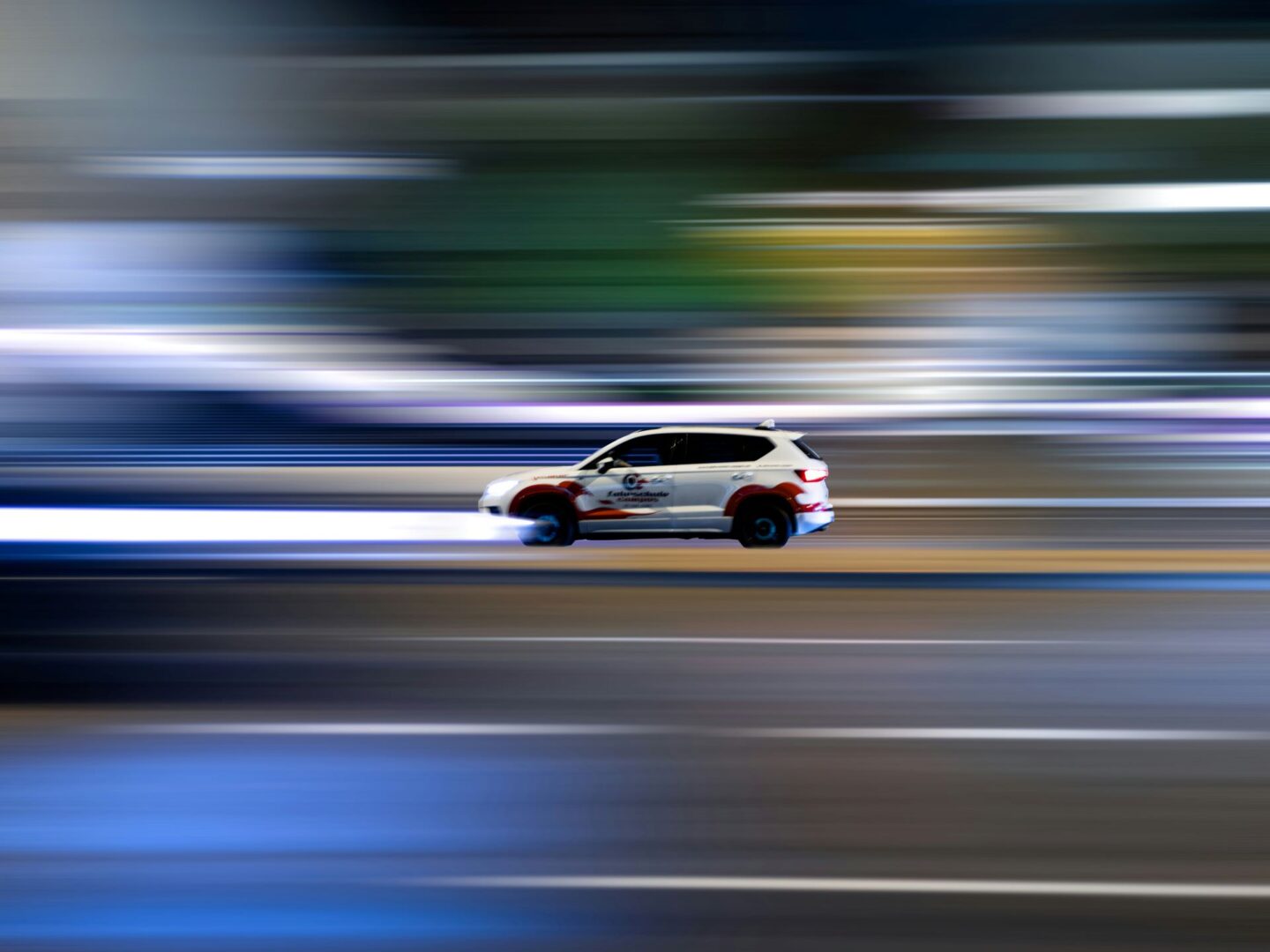
Integrated Campaigns: Turning Motorsport Into Multi-Channel Storytelling
The modern automotive consumer interacts with brands across multiple touchpoints. Motorsport marketing has evolved to meet these expectations, integrating on-track performance with off-track storytelling. Social media, digital content, experiential events, and co-branded initiatives amplify the impact of race-related achievements.
Formula 1 teams excel in this domain. Mercedes-AMG Petronas, Red Bull Racing, and Ferrari not only broadcast race results but offer behind-the-scenes insights into engineering, strategy, and team dynamics. Fans witness the technology, decision-making, and human effort behind each lap, creating an intimate connection with the brand. Platforms such as Instagram, TikTok, and YouTube serve as conduits for immersive content, humanizing teams and drivers while reinforcing aspirational qualities.
Rally campaigns offer unique storytelling opportunities as well. Audi, for example, has used cinematic digital content to document its rally and endurance heritage, portraying both technical mastery and the human drama of motorsport. Fans are drawn into narratives that highlight resilience, tactical thinking, and adventure. The integration of social media campaigns, virtual reality experiences, and live-streamed events ensures that the excitement of motorsport extends beyond traditional spectatorship, fostering engagement and loyalty among a diverse audience.
These campaigns demonstrate the symbiosis between performance and marketing. The racetrack becomes both a proving ground and a content generator, providing authentic narratives that drive brand perception, stimulate discussion, and influence consumer behavior.
Measuring Impact: From Metrics to Market Influence
Assessing the effectiveness of motorsport marketing extends beyond impressions, reach, or mere visibility. While traditional metrics remain relevant, the true impact lies in subtle shifts in consumer perception, purchase intent, and long-term brand equity.
Studies reveal that motorsport audiences tend to exhibit higher levels of brand engagement and loyalty. This effect arises not simply from exposure but from the aspirational connection established through narrative and performance. Fans are more likely to seek out branded content, participate in experiential events, and consider high-performance vehicles for purchase. Limited-edition models, in particular, serve as concrete manifestations of brand promise, converting admiration into action.
Marketing teams also track engagement through digital analytics, social sentiment analysis, and post-campaign consumer surveys. Brands can quantify increases in brand favorability, social media mentions, and showroom visits. By linking these insights to motorsport achievements, companies gain a comprehensive understanding of the symbiotic relationship between track performance and consumer behavior.
Ultimately, motorsport marketing is an investment in both credibility and aspiration. The goal is not merely to sell cars in the short term but to build enduring equity, positioning the brand as an authentic, high-performance leader in the automotive world.
The Future of Motorsport Marketing
As the automotive landscape evolves, so too does motorsport marketing. The rise of electric racing series such as Formula E, hybrid endurance prototypes, and virtual motorsport platforms offers new opportunities to communicate innovation, sustainability, and technological leadership. Brands are increasingly leveraging data analytics, immersive digital experiences, and AI-driven content personalization to connect with audiences in meaningful ways.
Electric and hybrid racing series allow brands to align performance with sustainability, signaling environmental responsibility without compromising excitement. Mercedes, Porsche, and Jaguar are already capitalizing on this trend, using electric motorsport to demonstrate technological prowess while appealing to a generation of eco-conscious consumers.
Simultaneously, virtual motorsportÔÇösim racing and esportsÔÇöhas become a powerful channel for reaching younger demographics. These platforms provide interactive, gamified experiences that reinforce brand values, showcase vehicle performance, and cultivate loyalty among audiences who may not yet be traditional motorsport spectators.
The integration of these new arenas into marketing strategies reflects a broader shift toward immersive, data-driven, and purpose-driven storytelling. Motorsport is no longer simply a platform for visibility; it is an evolving ecosystem through which brands can innovate, engage, and inspire.
The Symbiosis of Speed and Strategy
At the intersection of motorsport and marketing lies a nuanced and highly effective strategy for building brand perception and driving consumer behavior. Sponsorships align brands with values of precision, resilience, and innovation. Victories serve as proof points of engineering mastery and strategic excellence. Limited-edition models translate the thrill of competition into tangible, aspirational experiences. Integrated campaigns amplify these elements across multiple channels, creating a holistic brand ecosystem that engages, inspires, and converts.
In an era where authenticity and experience dominate consumer expectations, motorsport offers brands an unrivaled platform to communicate both performance and personality. The racetrack is no longer merely a venue for speed; it is a proving ground for strategy, creativity, and emotional resonance. Brands that master this intersection are not merely racing to winÔÇöthey are winning hearts, minds, and market share in equal measure.
The story of motorsport marketing is, ultimately, the story of human fascination with excellence, speed, and achievementÔÇöand the brands that understand this narrative can harness it to create enduring loyalty, emotional resonance, and commercial success. In every lap, every overtaking maneuver, and every podium celebration lies an opportunity to shape perception, inspire desire, and leave a lasting impression on consumers worldwide.
Breyten Odendaal
Specializing in high-performance automotive advertising and digital marketing solutions, delivering cutting-edge insights and the latest news shaping the automotive industry in South Africa.
More From Advertising
Automotive Advertising in 2026: Selling Confidence in a More Competitive Market
As South Africa’s vehicle market becomes more competitive, automotive advertising needs to do more than announce a price or specification. It needs to help buyers understand value, ownership costs and why a vehicle suits their lives.

Automotive Digital Ads in South Africa: A Shift
Exploring how South Africa’s automotive advertising evolved from print and broadcast to data-driven, programmatic digital ecosystems.

The Video Shift in Car Buying Decisions in SA
Explore how video content shapes car purchase decisions in South Africa, comparing short-form and long-form strategies for automotive marketers.