
Automotive advertising has come a long way since the early days of emphasizing horsepower, torque, and top speed. Today, the focus has shifted from mere specifications to something more profound: the lifestyle a car represents. The automotive industry has realized that car buyers are not just looking for functionality but an experience that resonates with their personal values, aspirations, and identity. This transformation marks a crucial evolution from product-focused advertising to lifestyle marketingÔÇöan approach that blends a carÔÇÖs features with the dreams, emotions, and lifestyles of the consumers. In this article, weÔÇÖll explore how lifestyle marketing has reshaped automotive advertisements, the strategies used by brands, and notable examples of campaigns that have succeeded in capturing the hearts of automotive enthusiasts.
The Shift from Product-Focused to Lifestyle-Focused Marketing
In the early days of automotive advertising, the primary focus was on the product itself. Cars were marketed through a technical lens, emphasizing features like speed, fuel efficiency, and reliability. Brands like Ford, Chevrolet, and Mercedes-Benz built their identities around the promise of engineering excellence and superior performance. Consumers were driven by the utility and practicality of the vehicles.
However, as digital technologies transformed marketing, and consumer expectations evolved, the focus began to shift. The growth of social media, the rise of influencer culture, and an increasing desire for personalized experiences have all contributed to a more lifestyle-driven marketing approach. TodayÔÇÖs consumers, especially the younger demographic, seek brands that reflect their lifestyle choices, values, and aspirations.
This shift isnÔÇÖt just about selling a product; itÔÇÖs about selling an experience and a connection to something larger. Whether itÔÇÖs the rugged independence symbolized by an off-road adventure vehicle or the sophistication embodied by a luxury sedan, automotive ads now aspire to evoke feelings and associations that extend beyond the driving experience.
Automobile brands like MINI and Land Rover were some of the earliest adopters of lifestyle-focused marketing. MINIÔÇÖs "Go with the Flow" campaign, which emphasized individuality and fun, contrasts sharply with earlier ads that focused purely on the carÔÇÖs practicality. Similarly, Land Rover's use of rugged, outdoor imagery captures the adventurous spirit of its target audience, far beyond the mechanical details of the vehicles themselves.
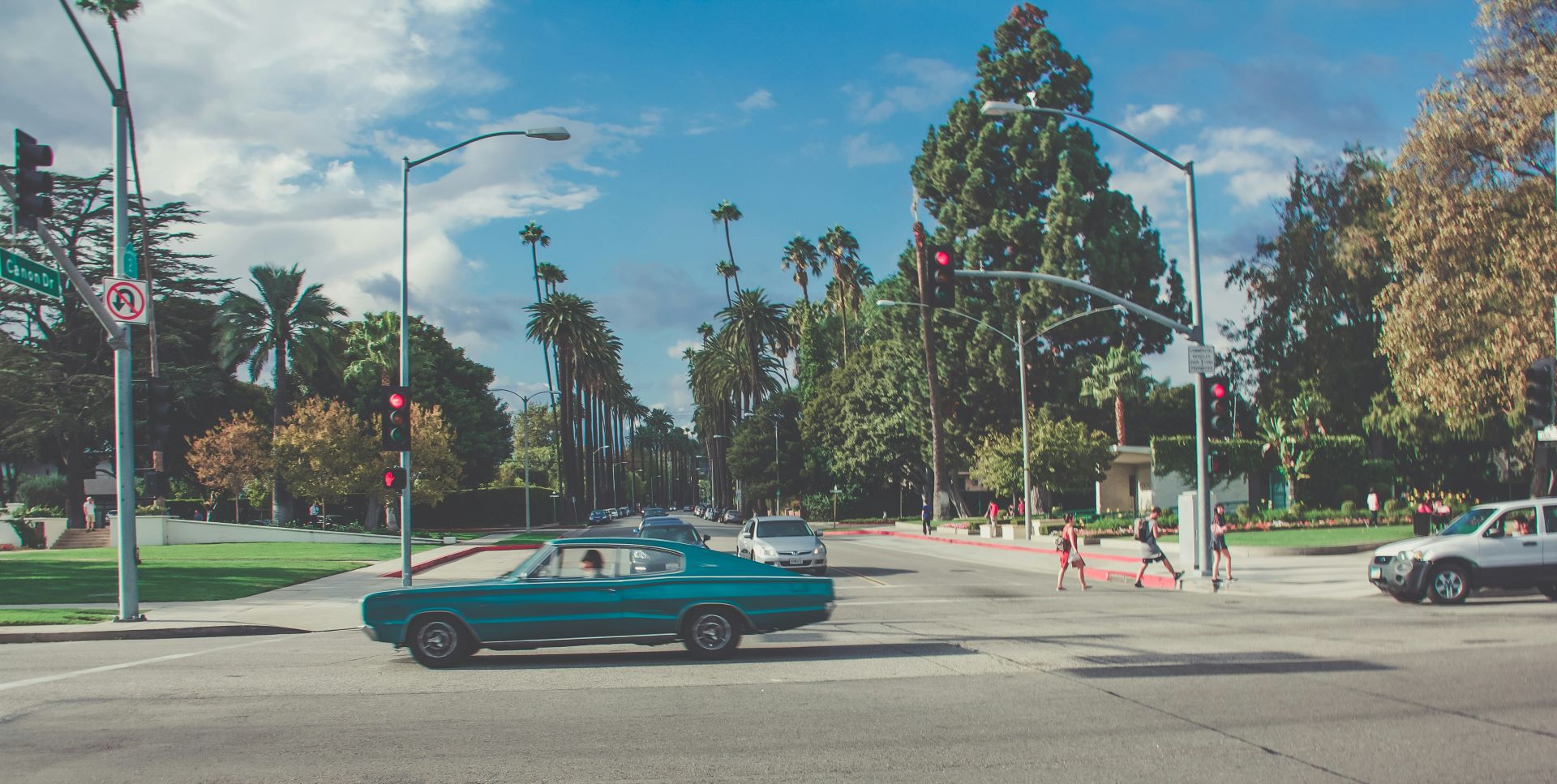
Strategies Used in Lifestyle Marketing by Automotive Brands
Lifestyle marketing in the automotive world is not just a passing trendÔÇöitÔÇÖs a strategic response to the changing needs and desires of consumers. Brands employ a range of strategies to build a strong connection with their audience.
Storytelling
Automotive brands have embraced storytelling to create narratives that resonate on an emotional level. These stories often feature aspirational lifestyles, making the car a symbol of freedom, success, or adventure. A good example is AudiÔÇÖs ÔÇ£Vorsprung durch TechnikÔÇØ campaign, which focuses on the brandÔÇÖs engineering prowess while embedding the vehicle into the aspirational lifestyle of the sophisticated driver. The story becomes as important as the car itself.
Aspirational Branding
This strategy focuses on associating the car with a desired lifestyle, such as luxury, adventure, or environmental consciousness. Tesla, for example, not only sells electric vehicles but also sells the idea of innovation, sustainability, and a future-focused lifestyle. Their marketing highlights the benefits of driving an eco-friendly, cutting-edge car without sacrificing performance or style.
Emotional Engagement
Emotions are powerful drivers of consumer behavior, and automotive brands use them strategically. Whether itÔÇÖs the joy of driving a Porsche or the sense of security and family values associated with a Toyota, emotional connection is central to automotive lifestyle marketing. Ads like SubaruÔÇÖs ÔÇ£LoveÔÇØ campaign tap into the deep emotional bond that owners feel with their cars, portraying the vehicle as a beloved family member.
Social Media and Influencer Marketing
The digital landscape has become a crucial platform for reaching the lifestyle-focused audience. Social media influencers, particularly those in the automotive, adventure, and lifestyle spaces, have become powerful allies for brands looking to market their cars as lifestyle products. Influencers create authentic, relatable content that demonstrates how a vehicle fits into a desirable lifestyle. Social media platforms like Instagram, YouTube, and TikTok allow brands to showcase their cars in real-world settings, helping to build a stronger emotional connection with potential buyers.

The Impact on Automotive Enthusiasts
For automotive enthusiasts, lifestyle marketing can deeply influence their perceptions of brands and their purchasing decisions. The shift toward lifestyle-focused campaigns resonates with a desire for more than just a functional vehicle. It taps into a sense of belonging, identity, and the pursuit of experiences that align with personal values and aspirations.
This approach to marketing has also spurred deeper brand loyalty among enthusiasts. By positioning themselves as lifestyle brands, automotive manufacturers are fostering communities where enthusiasts can find camaraderie with others who share their passions and experiences. However, the challenge lies in ensuring that the brandÔÇÖs lifestyle marketing remains authentic. Enthusiasts are quick to detect when a brand is merely jumping on the lifestyle bandwagon, and this can lead to negative backlash if the connection between the car and the lifestyle feels contrived.
The Future of Automotive Lifestyle Marketing
As technology continues to evolve, the future of automotive lifestyle marketing looks incredibly dynamic. Virtual reality (VR) and artificial intelligence (AI) are on the verge of transforming how cars are marketed, offering more immersive experiences for consumers. Imagine being able to virtually test drive a car in a dream-like environment that embodies the lifestyle you aspire to, or interacting with a vehicle through AI-driven personalization that tailors marketing content to your specific lifestyle preferences.
Moreover, as sustainability becomes a key factor in purchasing decisions, automotive brands will increasingly integrate eco-friendly features and green technologies into their marketing strategies. The future of automotive ads will likely blur the lines between product, experience, and environmental responsibility, aligning more closely with consumersÔÇÖ values and aspirations.

The intersection of automotive ads and lifestyle marketing represents a profound shift in how car brands communicate with consumers. By focusing on the emotions, values, and aspirations of their audience, automotive brands have created powerful connections that transcend the product itself. As the industry continues to evolve, it will be interesting to see how these strategies adapt and grow, especially with the advent of new technologies. Ultimately, automotive lifestyle marketing isnÔÇÖt just about selling a car; itÔÇÖs about selling a piece of the dream. The question remains: What kind of lifestyle will your next car represent?
Breyten Odendaal
Specializing in high-performance automotive advertising and digital marketing solutions, delivering cutting-edge insights and the latest news shaping the automotive industry in South Africa.
More From Advertising
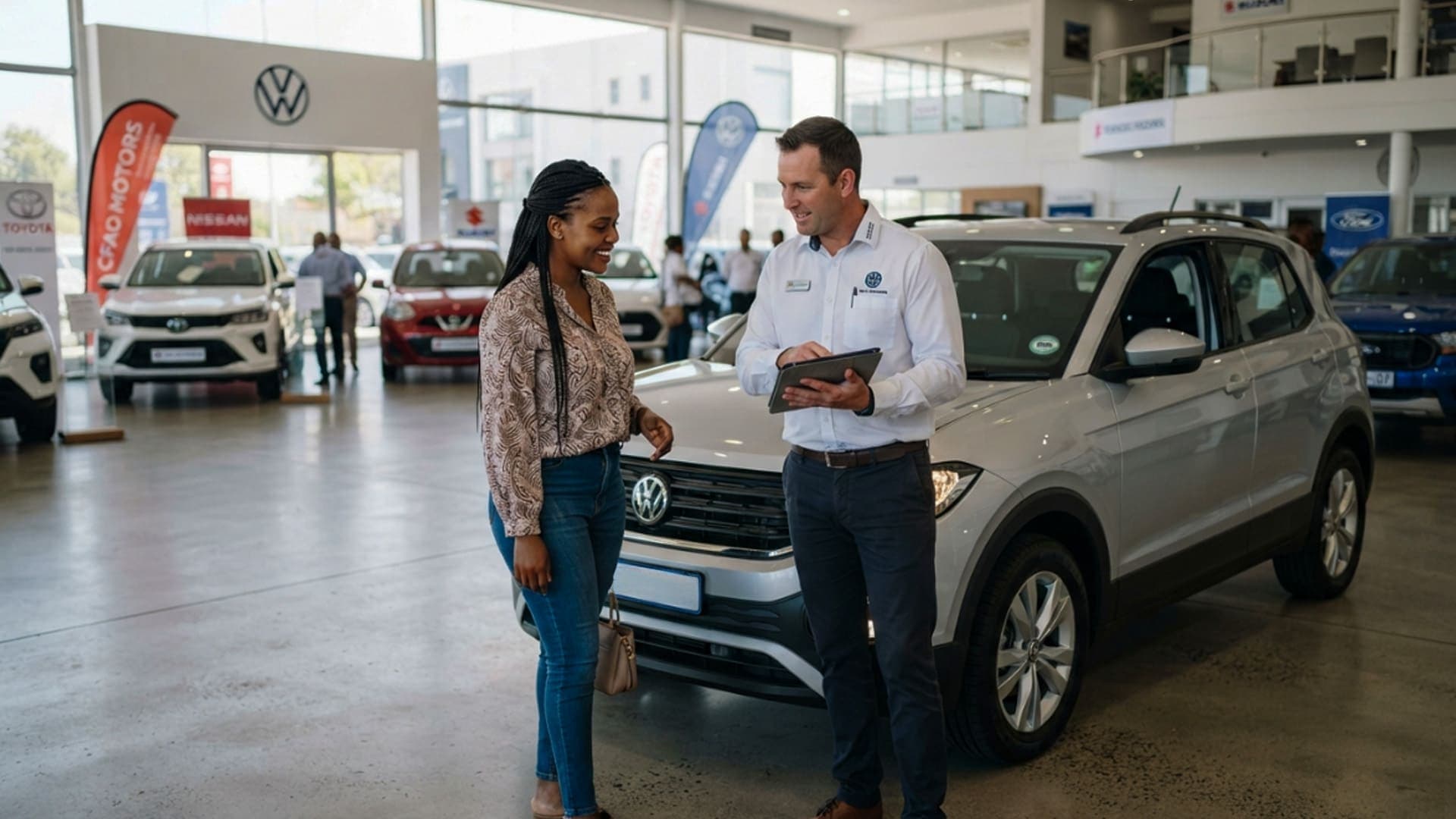
Automotive Advertising in 2026: Selling Confidence in a More Competitive Market
As South Africa’s vehicle market becomes more competitive, automotive advertising needs to do more than announce a price or specification. It needs to help buyers understand value, ownership costs and why a vehicle suits their lives.

Automotive Digital Ads in South Africa: A Shift
Exploring how South Africa’s automotive advertising evolved from print and broadcast to data-driven, programmatic digital ecosystems.

The Video Shift in Car Buying Decisions in SA
Explore how video content shapes car purchase decisions in South Africa, comparing short-form and long-form strategies for automotive marketers.