
The automotive industry has always been at the forefront of innovation, with cutting-edge designs, high-performance vehicles, and groundbreaking technology. However, in todayÔÇÖs increasingly connected world, the evolution of automotive advertising is undergoing a seismic shift. What was once a landscape dominated by billboards, TV commercials, and print ads is now being revolutionized by the power of Artificial Intelligence (AI).
AIÔÇÖs impact is far-reaching, with its ability to analyze massive amounts of data, predict consumer behavior, and personalize experiences. The automotive sector is harnessing this potential to create highly-targeted advertising campaigns that resonate with the right audience at the right time. Machine learning algorithms, a subset of AI, are driving this change, enabling brands to fine-tune their messaging and optimize engagement like never before.
In this article, weÔÇÖll explore how AI is reshaping automotive advertising. From personalized campaigns that speak directly to the desires of automotive enthusiasts, to dynamic targeting that ensures your message reaches the most likely buyers, AI is transforming the way brands connect with consumers. Join us as we navigate the intersection of AI and automotive ads, discovering how machine learning is driving innovation in marketing strategies across the industry.
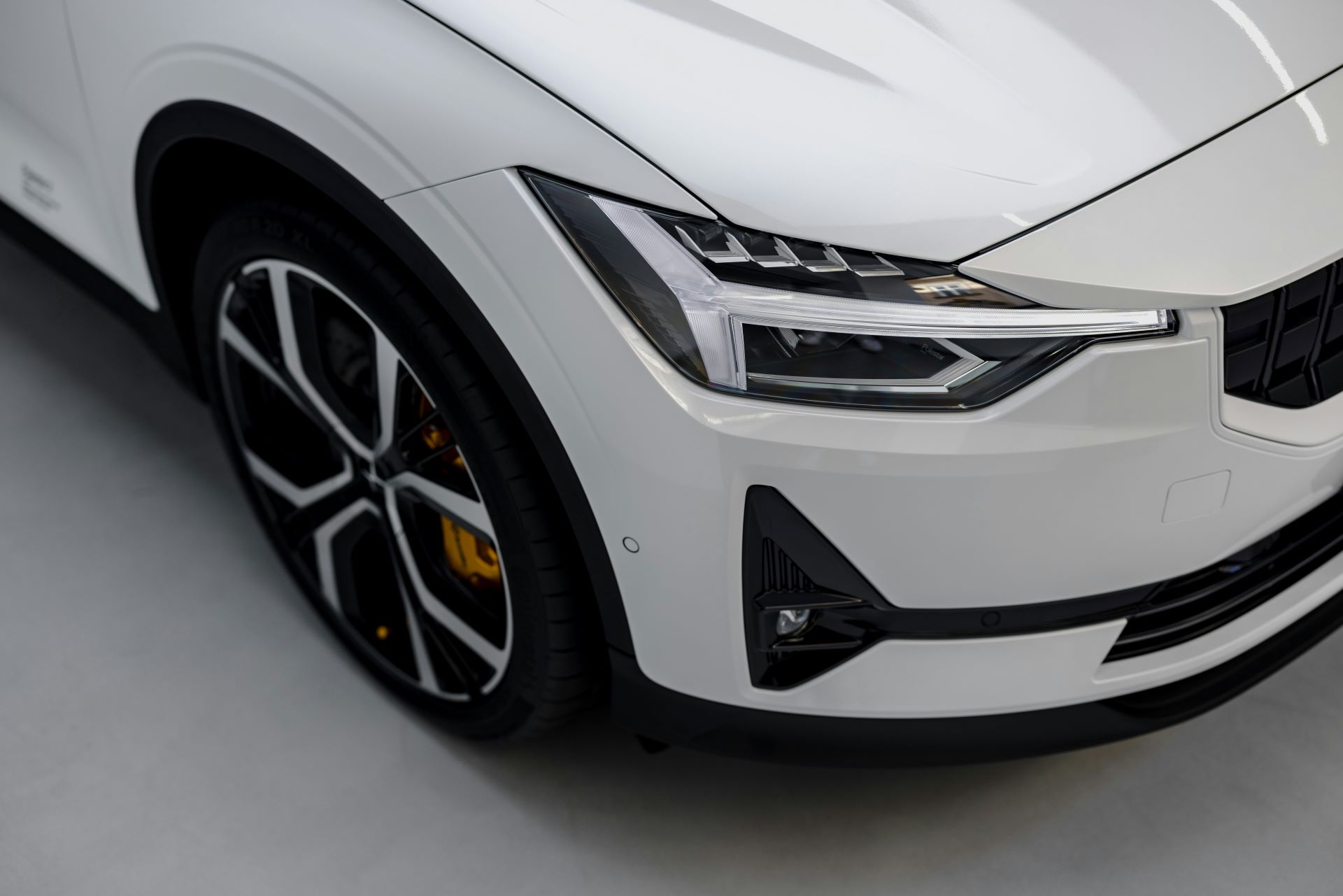
The Rise of AI in Automotive Advertising
The shift from traditional to digital advertising has been one of the most significant transformations in recent decades. In the past, automotive brands relied on print media, TV, and radio ads to reach a mass audience. The targeting was broad, the message was one-size-fits-all, and there was little room for personalization. However, as the digital age dawned, the automotive industry began to tap into new opportunitiesÔÇöparticularly through digital platforms like social media, Google Ads, and online video content.
Today, AI plays a central role in refining advertising strategies, moving beyond broad targeting to hyper-specific and personalized approaches. The use of AI in automotive advertising allows brands to gather and analyze large datasets about consumer preferences, behavior, and demographics. This wealth of information empowers brands to create highly targeted campaigns that are more likely to convert leads into customers.
AIÔÇÖs ability to predict consumer behavior with precision is a key benefit for automotive brands. Machine learning algorithms can analyze online activity, track browsing patterns, and even predict when a consumer is likely to purchase a new vehicle. This allows for more efficient use of advertising budgets, as brands can focus their efforts on the most promising leads. Moreover, AI-powered tools can optimize campaigns in real time, ensuring that the right message is delivered to the right person at the right time.
As more automotive companies embrace AI, they are finding that it not only improves targeting but also enhances cost efficiency. Advertising budgets are being stretched further, with fewer resources wasted on ineffective ads. As a result, AI is enabling the automotive industry to unlock new levels of efficiency and innovation in advertising.
Understanding Machine Learning in Advertising: Machine learning, a subset of AI, is the technology that powers many of the most impressive advancements in automotive advertising. At its core, machine learning involves algorithms that analyze large datasets, identify patterns, and make predictions or decisions without being explicitly programmed to do so. In the context of advertising, machine learning enables brands to predict consumer behavior, personalize ads, and optimize campaigns in ways that were once unimaginable.
For instance, machine learning algorithms can analyze the browsing history, social media activity, and even past purchase behavior of potential customers to predict which type of car they are most likely to purchase. This predictive capability allows automotive brands to serve hyper-targeted ads that speak directly to a consumer's needs and desires. For example, if a user has been browsing SUVs, they may see ads featuring the latest models in that category, or even receive a personalized offer based on their search history.
Dynamic ad targeting is one of the most powerful tools that machine learning offers. With traditional advertising, a brand might create a single ad that is shown to a wide audience, regardless of their interests. However, machine learning allows for dynamic targeting, where the content of an ad changes in real-time based on the individual viewer's behavior. This could mean showing a different vehicle model, adjusting the pricing based on location, or even tailoring the ad copy to resonate with a consumerÔÇÖs unique interests. The result is a more personalized and engaging experience that increases the likelihood of conversion.
The Role of Personalization and Customer Engagement
In todayÔÇÖs digital-first world, personalization is key to building meaningful connections between brands and consumers. Consumers are no longer satisfied with generic, one-size-fits-all advertising. They expect tailored experiences that speak to their unique needs, desires, and preferences. This is where AI and machine learning shine, enabling automotive brands to deliver highly personalized ad experiences that resonate deeply with their target audience.
AI enables brands to go beyond surface-level personalization, delivering ads that are not only relevant but also timely and contextually aware. For example, if a consumer is actively researching electric vehicles, AI can serve them ads showcasing the latest electric models, highlighting their eco-friendly features, and even offering incentives for test drives. This level of personalization is proven to increase customer engagement, as consumers feel more connected to the brand and its offerings.
Moreover, AI-driven personalization enhances customer loyalty. By delivering highly relevant content and experiences, automotive brands can build stronger relationships with their customers, fostering long-term loyalty and increasing the likelihood of repeat purchases.

Future Trends in AI-Driven Automotive Advertising
As AI technology continues to evolve, so too will its applications in automotive advertising. In the future, we can expect even more sophisticated uses of machine learning to create hyper-targeted, fully personalized advertising experiences. With advancements in natural language processing and computer vision, we may see ads that adapt in real-time based on consumer emotions, actions, or even facial expressions.
In addition, the integration of AI with augmented reality (AR) and virtual reality (VR) technologies could open up entirely new ways for automotive brands to engage consumers. Imagine being able to take a virtual test drive of a car directly from an advertisement, or using AI to visualize how a vehicle would look in your driveway. These immersive experiences could transform the way consumers interact with automotive ads, making them more engaging and impactful than ever before.
Challenges and Ethical Considerations
While the potential of AI in automotive advertising is immense, itÔÇÖs not without its challenges. One of the primary concerns is data privacy. With the vast amounts of personal data being collected and analyzed, itÔÇÖs essential for brands to ensure that they are respecting consumer privacy and adhering to relevant data protection regulations. Transparency is keyÔÇöconsumers need to know what data is being collected and how it is being used.
Another challenge is algorithmic bias. Machine learning algorithms are only as good as the data they are trained on, and if that data is biased, the outcomes can be too. Automotive brands must ensure that their AI systems are trained on diverse, representative datasets to avoid perpetuating bias in their advertising strategies.
To address these challenges, automotive brands should adopt ethical AI practices, ensuring transparency, accountability, and fairness in their advertising efforts. By doing so, they can build trust with their audience and foster long-term brand loyalty.

AI has the potential to revolutionize the world of automotive advertising, providing brands with the tools they need to deliver more personalized, engaging, and effective campaigns. From predictive targeting to dynamic personalization, machine learning is transforming the way automotive brands connect with consumers. As the industry continues to embrace these technologies, we can expect even more exciting developments in the years to come.
By staying informed and adapting to the evolving landscape of AI-driven advertising, automotive brands can create deeper connections with their customers and drive long-term success. The future of automotive advertising is bright, and AI is leading the way.
Breyten Odendaal
Specializing in high-performance automotive advertising and digital marketing solutions, delivering cutting-edge insights and the latest news shaping the automotive industry in South Africa.
More From Advertising

Automotive Advertising in 2026: Selling Confidence in a More Competitive Market
As South Africa’s vehicle market becomes more competitive, automotive advertising needs to do more than announce a price or specification. It needs to help buyers understand value, ownership costs and why a vehicle suits their lives.

Automotive Digital Ads in South Africa: A Shift
Exploring how South Africa’s automotive advertising evolved from print and broadcast to data-driven, programmatic digital ecosystems.

The Video Shift in Car Buying Decisions in SA
Explore how video content shapes car purchase decisions in South Africa, comparing short-form and long-form strategies for automotive marketers.