
Sports sponsorships have become a pivotal marketing strategy for brands seeking to enhance their visibility and connect with diverse audiences. Over the years, the relationship between sports and advertising has evolved, creating a symbiotic connection that benefits both parties. In particular, automotive brands have shown a keen interest in sports sponsorships, investing substantial resources to associate their products with high-profile events and athletes.
The allure of sports sponsorships for automotive brands lies in their ability to reach a vast and engaged audience. Sports events often attract millions of viewers, providing a prime platform for brands to showcase their vehicles and build brand recognition. Moreover, the dynamic and competitive nature of sports aligns well with the attributes automotive brands wish to conveyÔÇöspeed, performance, reliability, and innovation.
This article delves into the profound impact sports sponsorships have on automotive brands, exploring how these partnerships influence brand image and consumer behavior. By examining historical milestones, strategic importance, and successful case studies, we will uncover the myriad ways in which sports sponsorships have become an integral part of automotive marketing strategies.
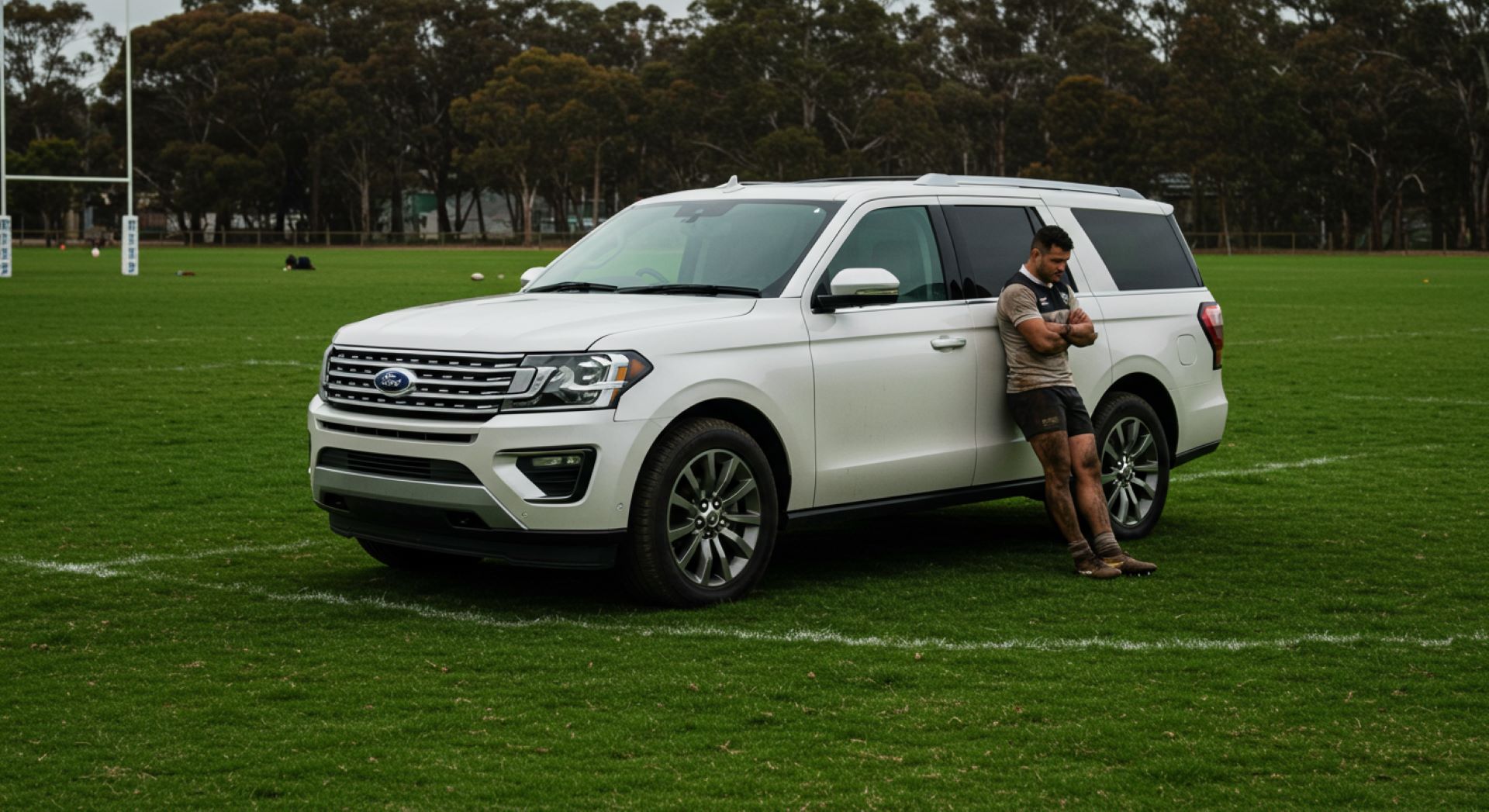
The History of Automotive Brand Sponsorship in Sports
The journey of automotive brands in sports sponsorships dates back to the early 20th century. One of the earliest instances was when car manufacturers began sponsoring motor racing events. For example, in the 1920s, brands like Ford and Mercedes-Benz started associating themselves with prominent racing competitions, marking the beginning of a long-standing relationship between the automotive industry and sports.
Over the decades, automotive brands expanded their sponsorships beyond motor racing to a variety of sports, including football, basketball, tennis, and the Olympic Games. A notable milestone occurred in the 1980s when Audi became the official vehicle sponsor of the prestigious World Cup. This partnership not only enhanced Audi's global presence but also set a precedent for future automotive sponsorships in major sporting events.
These early efforts in sports sponsorships played a crucial role in shaping the public perception of automotive brands. By aligning themselves with popular and high-energy sports, car manufacturers were able to project an image of dynamism, strength, and innovation. The continuous presence of automotive brands in sports arenas further solidified their association with excellence and performance.
The Strategic Importance of Sports Sponsorships for Automotive Brands
Sports sponsorships offer automotive brands a unique opportunity to achieve several strategic objectives. One of the primary goals is brand positioning. By sponsoring high-profile sports events, car manufacturers can position themselves as premium and desirable brands. For instance, BMW's sponsorship of the PGA Tour helps reinforce its image as a luxury brand synonymous with sophistication and precision.
Increased visibility is another significant benefit of sports sponsorships. The extensive media coverage of sports events ensures that automotive brands receive widespread exposure. This visibility is not limited to television broadcasts but extends to social media, digital platforms, and on-ground activations. Toyota's sponsorship of the Olympic Games exemplifies how brands can leverage multi-channel exposure to maximize their reach.
Consumer engagement is a key aspect of successful sports sponsorships. By associating with sports, automotive brands can foster a deeper connection with their target audience. Sponsorships provide opportunities for experiential marketing, such as test drives, fan meet-and-greets, and branded merchandise giveaways. These interactions help build emotional bonds between consumers and brands, enhancing loyalty and advocacy.
Examples of current partnerships demonstrate the effective execution of sports sponsorship strategies. Mercedes-Benz's long-standing partnership with Formula 1 showcases how consistent sponsorship can enhance brand credibility and loyalty among motorsport enthusiasts. Similarly, Chevrolet's sponsorship of Manchester United has allowed the brand to tap into the massive global fan base of the football club, driving brand awareness and affinity.
Impact on Brand Image and Consumer Perception
Sports sponsorships have a profound impact on the brand image of automotive companies. By aligning with prestigious sports events and teams, brands can enhance their reputation and perceived value. A compelling case is the partnership between Lexus and the U.S. Open tennis championship. This association has bolstered Lexus's image as a premium and innovative brand, resonating with the tournament's affluent and discerning audience.
Aligning with specific sports can also influence brand perception among different demographics. For example, Volkswagen's sponsorship of the FIFA World Cup allows the brand to appeal to a diverse global audience, including families, young adults, and sports enthusiasts. This broad appeal helps Volkswagen reinforce its position as a versatile and approachable brand.
Sports sponsorships often lead to increased consumer loyalty and brand affinity. When consumers see their favorite automotive brands supporting the sports they love, it creates a sense of shared passion and values. A case in point is Subaru's sponsorship of the U.S. ski team. This partnership has endeared Subaru to adventure seekers and outdoor enthusiasts, translating into strong brand loyalty and repeat purchases.
Case studies and data further illustrate the impact of sports sponsorships on consumer perception. A study by Nielsen revealed that 60% of consumers feel more positive about brands that sponsor their favorite sports teams. Additionally, the same study found that 45% of consumers are more likely to consider purchasing products from brands associated with sports events. These statistics underscore the effectiveness of sports sponsorships in shaping consumer attitudes and driving purchasing decisions.
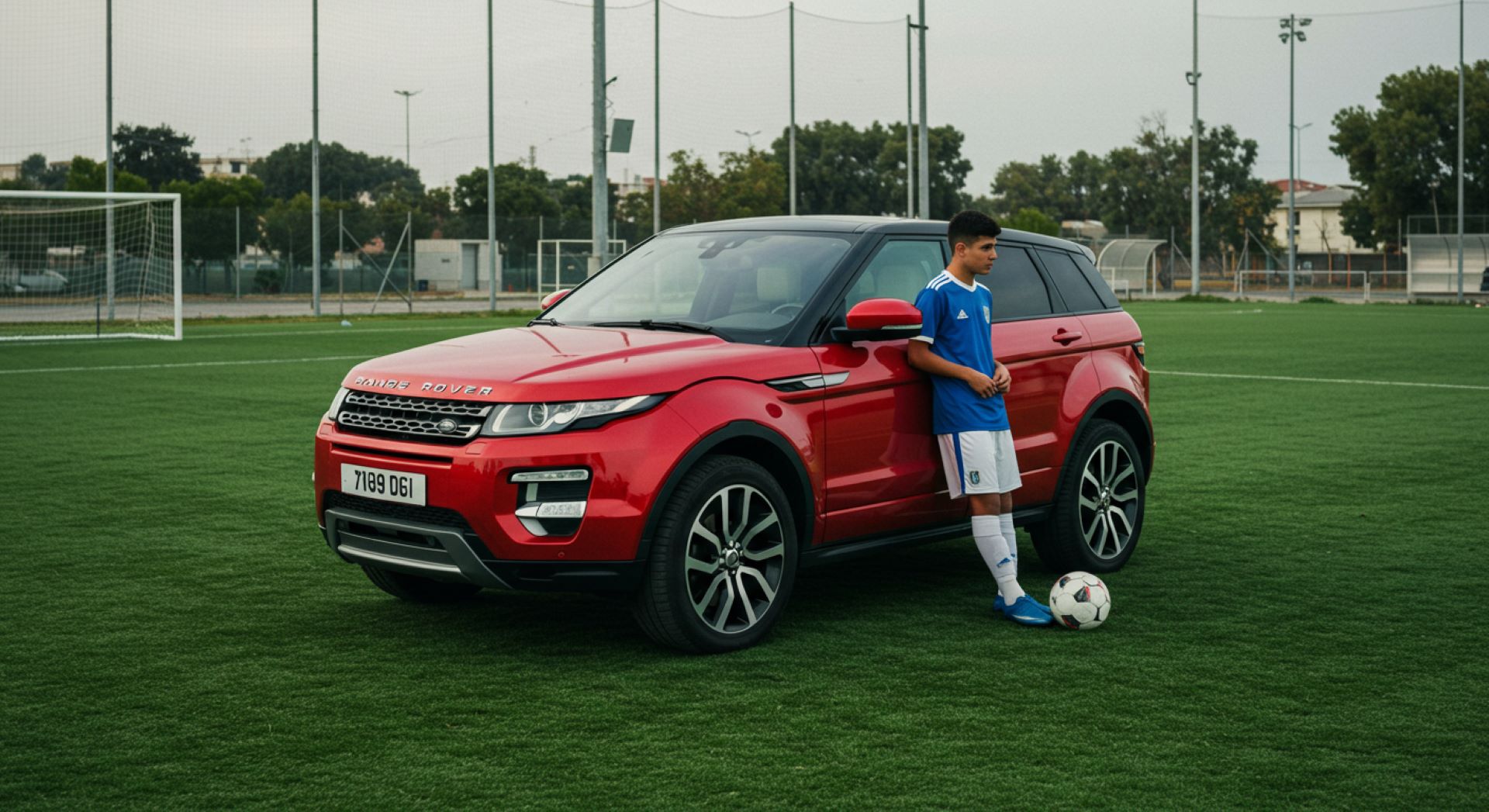
Case Studies of Successful Sponsorship Campaigns
Several automotive brands have executed successful sports sponsorship campaigns, reaping significant benefits in terms of brand recognition and sales. One notable example is Audi's partnership with FC Bayern Munich. As the official automobile partner of the football club, Audi has leveraged this sponsorship to enhance its brand presence in Germany and beyond. The collaboration includes joint marketing initiatives, exclusive fan experiences, and branded events, resulting in increased brand visibility and affinity.
Another successful case is the partnership between Toyota and the Olympic Games. Toyota's role as a worldwide mobility partner has allowed the brand to showcase its commitment to innovation and sustainability. Through this sponsorship, Toyota has introduced cutting-edge technologies, such as hydrogen fuel cell vehicles and autonomous driving solutions, aligning its brand with progress and environmental stewardship.
A compelling example from motorsport is the collaboration between Red Bull Racing and Aston Martin. The partnership, which began in 2016, has elevated Aston Martin's presence in the competitive world of Formula 1. The co-branded team, Aston Martin Red Bull Racing, has not only achieved notable on-track success but also boosted Aston Martin's brand prestige and desirability among performance car enthusiasts.
Lastly, Nissan's sponsorship of the UEFA Champions League stands out as a successful campaign. By associating with one of the most-watched football tournaments in the world, Nissan has significantly increased its brand exposure and engagement. The sponsorship includes exclusive content, interactive fan experiences, and digital activations, driving both brand awareness and consumer interest.
Challenges and Considerations in Sports Sponsorship for Automotive Brands
Despite the numerous benefits, automotive brands face certain challenges in sports sponsorships. One of the primary concerns is the high cost associated with sponsoring major sports events and teams. These sponsorships require substantial financial investments, which may not always yield immediate returns. Brands must carefully evaluate the potential ROI and ensure that their sponsorships align with their overall marketing budget and objectives.
Changing consumer interests and preferences pose another challenge. Sports sponsorships must evolve to stay relevant and resonate with target audiences. For instance, as younger generations become more interested in eSports and digital entertainment, automotive brands must explore sponsorship opportunities in these emerging fields to capture their attention.
Market saturation is a consideration that brands must address. In highly competitive sports sponsorship landscapes, it can be challenging to stand out and make a lasting impact. To overcome this, automotive brands should focus on unique and creative activations that differentiate them from competitors. Partnering with niche sports or leveraging innovative technologies can help brands carve out a distinctive presence.
The digital transformation of the sports industry also affects sponsorship strategies. Brands must adapt to the increasing influence of digital platforms and social media in sports marketing. Engaging with fans through online content, interactive campaigns, and real-time experiences is crucial for maximizing the impact of sports sponsorships. The integration of data analytics and insights can further enhance the effectiveness of these strategies.

Sports sponsorships have become a vital component of automotive marketing, offering brands unparalleled opportunities to enhance their visibility, credibility, and consumer engagement. By strategically aligning with sports events and teams, automotive brands can project a dynamic and aspirational image, resonating with diverse audiences.
The historical significance of automotive sponsorships in sports underscores their enduring value. From early motor racing associations to contemporary partnerships with global events, these sponsorships have played a pivotal role in shaping public perception and driving brand loyalty. Successful case studies, such as Audi's collaboration with FC Bayern Munich and Toyota's partnership with the Olympic Games, highlight the tangible benefits and best practices in sports sponsorship.
As the sports industry continues to evolve, automotive brands must navigate challenges and adapt their strategies to stay relevant. By addressing considerations such as costs, changing consumer interests, and digital transformation, brands can ensure that their sports sponsorships remain effective and impactful.
Looking ahead, the evolution of sports sponsorships presents exciting possibilities for automotive brands. The integration of innovative technologies, sustainability initiatives, and immersive fan experiences will shape the future of sponsorships, allowing brands to forge deeper connections with consumers and drive long-term brand equity.
Breyten Odendaal
Specializing in high-performance automotive advertising and digital marketing solutions, delivering cutting-edge insights and the latest news shaping the automotive industry in South Africa.
More From Advertising
Automotive Advertising in 2026: Selling Confidence in a More Competitive Market
As South Africa’s vehicle market becomes more competitive, automotive advertising needs to do more than announce a price or specification. It needs to help buyers understand value, ownership costs and why a vehicle suits their lives.

Automotive Digital Ads in South Africa: A Shift
Exploring how South Africa’s automotive advertising evolved from print and broadcast to data-driven, programmatic digital ecosystems.

The Video Shift in Car Buying Decisions in SA
Explore how video content shapes car purchase decisions in South Africa, comparing short-form and long-form strategies for automotive marketers.