
The automotive industry has always been at the forefront of innovation, from engineering breakthroughs to cutting-edge marketing campaigns. In recent years, the rise of digital entertainment has presented brands with new frontiers: the intersection of gaming, virtual worlds, and the metaverse. These platforms are no longer peripheral; they are central to how automotive companies engage with audiences, build brand loyalty, and reimagine the buying experience.
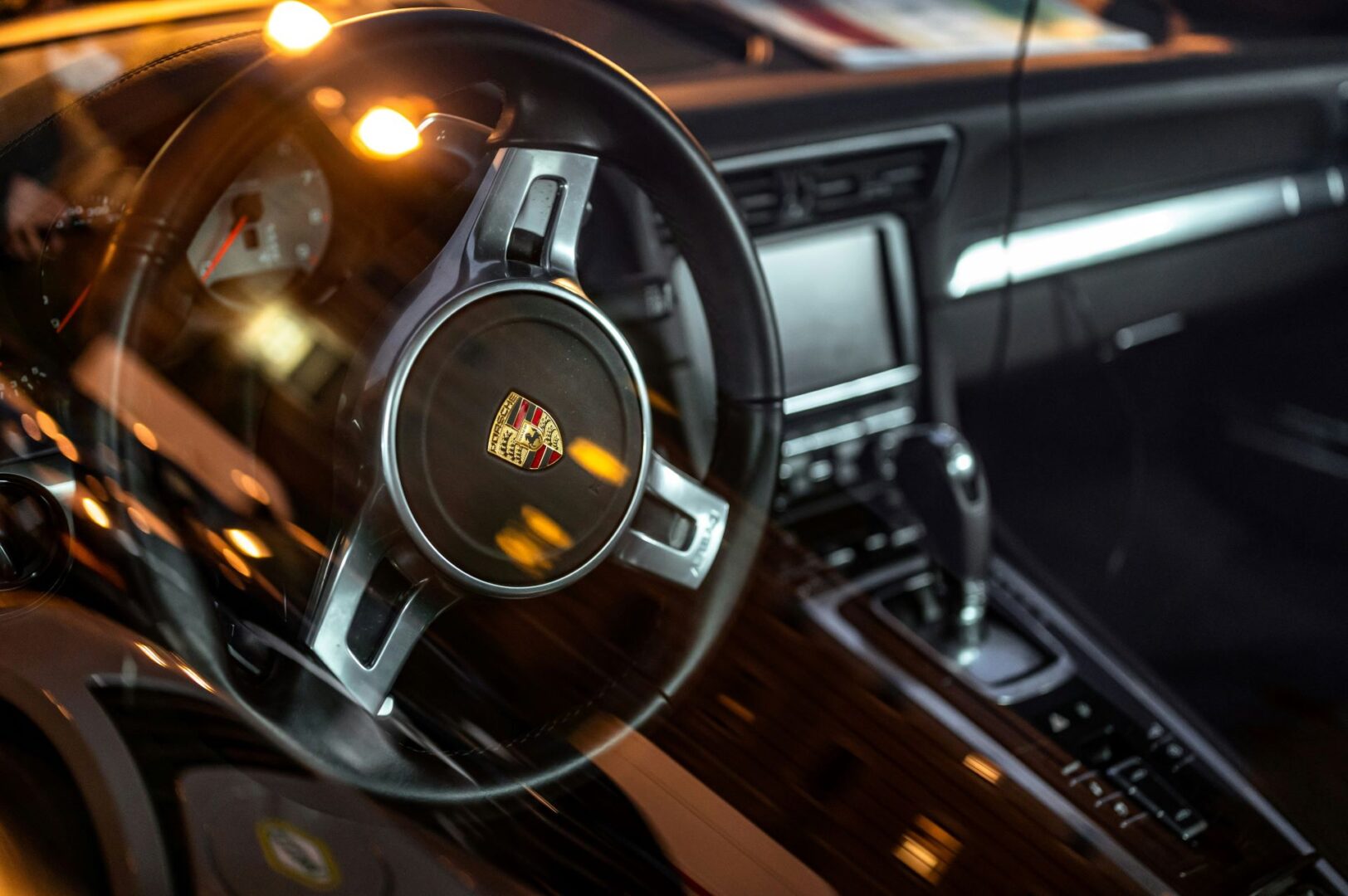
From Consoles to Cars: The Rise of Gaming in Automotive Engagement
The influence of gaming on car culture is not new. Racing games like Gran Turismo, Forza Motorsport, and Need for Speed have long served as simulators for enthusiasts, giving them a taste of high-performance driving from the comfort of their homes. However, what began as a simple pastime has evolved into a sophisticated marketing channel.
Automotive brands are no longer merely licensing their vehicles for in-game use; they are creating bespoke experiences tailored to the gaming environment. For example, manufacturers have launched exclusive vehicles in virtual worlds that do not exist in the real world, offering gamers a sense of exclusivity and anticipation. In-game car launches, often synchronized with real-world events, generate buzz and create a new layer of experiential marketing. By embedding vehicles within popular gaming titles, brands can reach millions of users, including younger demographics that may not yet be traditional buyers but represent the next generation of automotive consumers.
Moreover, gaming allows brands to experiment with design concepts in ways that real-world limitations do not permit. Virtual prototypes can be tested, tweaked, and showcased to global audiences instantaneously, bridging the gap between concept and consumer engagement.
Metaverse Showrooms: Redefining the Consumer Journey
While gaming provides entertainment-driven engagement, the metaverse offers a new dimension for transactional and experiential marketing. Virtual showrooms, powered by immersive 3D environments, allow consumers to explore vehicles in unprecedented detail. Shoppers can walk around cars, customize features, and even take virtual test drives, all without setting foot in a dealership.
This approach is particularly relevant as automotive brands grapple with changing consumer behaviors. Younger buyers, digital natives who are accustomed to online experiences, increasingly expect a seamless blend of physical and digital interactions. The metaverse answers this expectation, providing a space where automotive brands can control every aspect of the consumer journey, from exploration to purchase intent.
Beyond the individual showroom experience, the metaverse enables social engagement on a scale traditional dealerships cannot match. Multiple users can enter the same virtual environment, discussing features, sharing impressions, and participating in brand-led events. This social dimension not only strengthens community but also transforms marketing into a participatory experience rather than a one-way communication.
Collaborations and Cross-Industry Synergies
Some of the most innovative automotive marketing campaigns emerge from collaborations between car brands, game developers, and digital platforms. One high-profile example is LamborghiniÔÇÖs partnership with Forza Horizon, where the launch of a new supercar coincided with its digital debut in the game. This approach allowed fans to experience the thrill of the new model virtually before seeing it on the road, generating anticipation and media coverage simultaneously.
Similarly, brands like Audi, Porsche, and BMW have experimented with virtual test drives and augmented reality showrooms integrated into gaming and social platforms. By creating experiences that straddle both reality and fantasy, these campaigns tap into the emotional engagement gamers have with virtual worlds. The result is marketing that feels interactive rather than intrusive, aligning brand messaging with lifestyle and entertainment rather than traditional advertising formats.
Even beyond racing genres, automotive brands are exploring unexpected territories. Open-world multiplayer games, social VR platforms, and metaverse hubs like Roblox or Decentraland offer opportunities to engage with audiences through gamified experiences, virtual car clubs, and branded events. These collaborations are particularly effective at creating brand awareness among younger audiences, who may spend more time in digital environments than in front of traditional media channels.
Measuring Impact in the Virtual Space
While the creative possibilities are vast, automotive marketers must also navigate the challenge of measuring impact. Traditional metrics like dealership footfall or TV ad impressions are insufficient in virtual worlds. Instead, brands are adopting data-driven approaches to track engagement within games and metaverse platforms. Metrics such as in-game interactions, virtual test drive completions, customization activity, and social sharing behaviors provide rich insights into consumer preferences and behavior.
Some forward-thinking brands are even using these interactions to inform real-world design and marketing decisions. Insights gathered from virtual showrooms, gaming environments, and metaverse events can guide product development, pricing strategies, and feature prioritization. In this sense, virtual engagement is no longer just marketingÔÇöit becomes a component of the broader product lifecycle.
Challenges and Considerations
Despite the opportunities, entering the metaverse and gaming spaces is not without challenges. One critical consideration is authenticity. Gaming audiences are highly discerning and quick to detect inauthentic or overly commercial experiences. Automotive brands must ensure that virtual engagements offer genuine value, whether through unique experiences, exclusive content, or meaningful interactions.
Another challenge is accessibility. While gaming and metaverse adoption are growing, not all consumers have access to high-end hardware or high-speed internet required for fully immersive experiences. Brands must balance high-end immersive experiences with more accessible options, such as mobile-compatible virtual showrooms or AR-enhanced apps.
Finally, regulatory and data privacy considerations remain important. The digital nature of these platforms allows brands to collect unprecedented amounts of data, but handling it responsibly is critical to maintaining consumer trust.
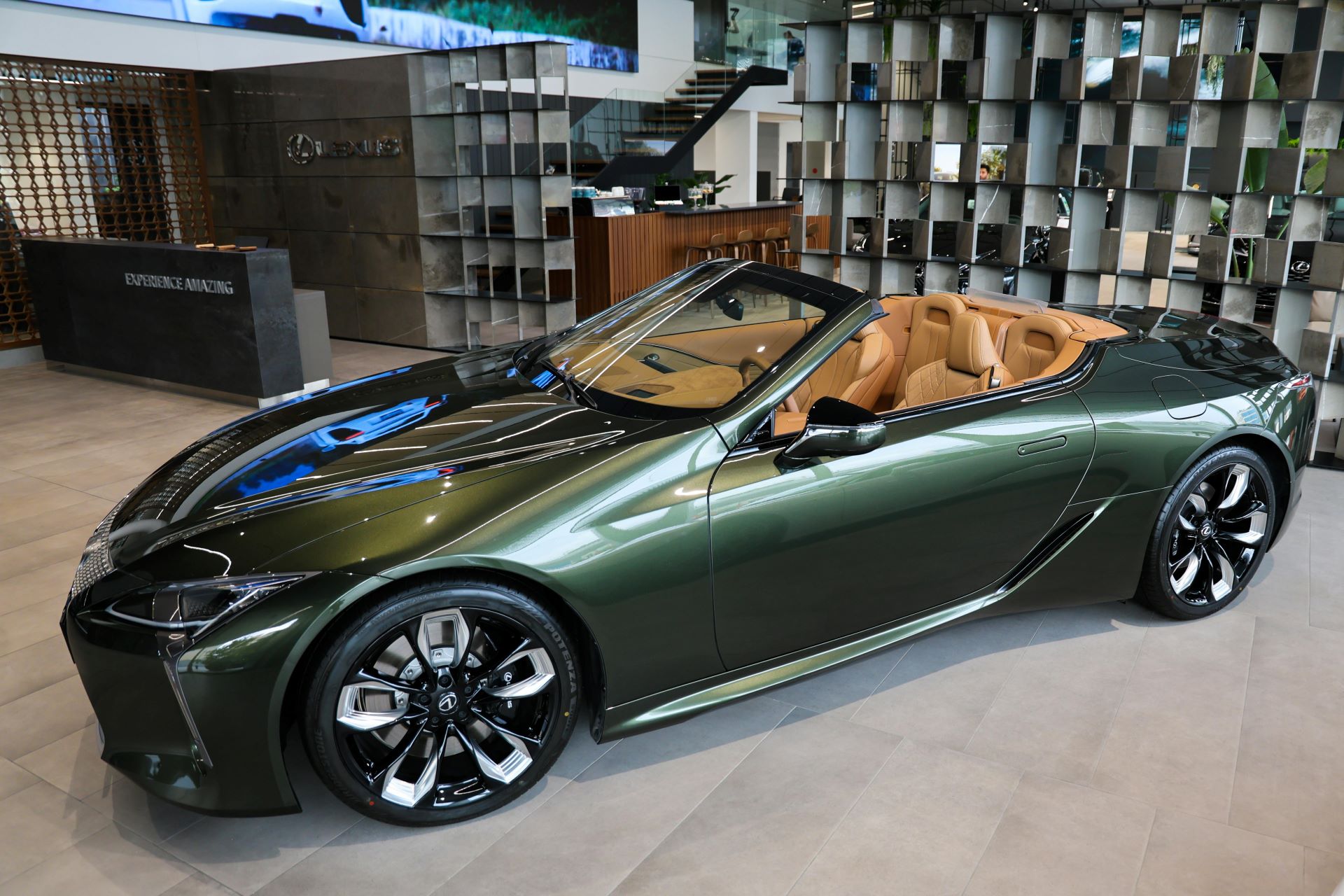
Case Studies: Pioneers in Virtual Automotive Marketing
A few brands have distinguished themselves as pioneers in leveraging gaming and the metaverse.
BMW: The automaker has embraced AR and VR experiences to allow users to interact with vehicles virtually. From virtual test drives to digital configurators integrated into mobile apps, BMW has turned the car-buying process into a highly interactive journey.
Ferrari: Collaborations with games like Gran Turismo have allowed Ferrari to showcase concept cars and celebrate anniversaries in immersive ways. By integrating racing simulations with brand storytelling, Ferrari reinforces its performance-oriented brand identity while reaching a digital-native audience.
Hyundai: The brand has explored metaverse spaces for virtual car launches and experiential campaigns, offering interactive experiences where users can explore vehicles, learn about sustainability initiatives, and even participate in gamified challenges.
Mercedes-Benz: Through partnerships with VR platforms, Mercedes has hosted virtual car exhibitions where visitors can engage with both current models and futuristic concept cars. The integration of social VR elements allows for peer-to-peer interaction and shared experiences, amplifying engagement.
These case studies illustrate that automotive brands willing to embrace digital innovation can enhance both reach and brand resonance.
The Future of Automotive Marketing in Virtual Worlds
The fusion of gaming, virtual worlds, and automotive marketing is still in its early stages, yet the trajectory is clear. As VR and AR technologies mature, and as the metaverse becomes more integrated into daily life, automotive brands will find even more sophisticated ways to engage consumers.
Imagine a future where potential buyers can experience an entire dealership from their living room, test-drive vehicles across iconic virtual landscapes, and interact with other enthusiasts in immersive car clubs. Beyond individual experiences, entire marketing campaigns could be gamified, with loyalty points, achievements, and digital collectibles tied directly to consumer engagement.
Moreover, the integration of AI and digital twins may allow automotive brands to create personalized experiences tailored to each userÔÇÖs preferences, driving a level of engagement and insight far beyond traditional marketing. In this new paradigm, the line between entertainment, engagement, and commerce blurs, creating richer, more dynamic relationships between brands and consumers.

Driving Engagement Through Digital Innovation
The influence of gaming and the metaverse on automotive marketing represents a fundamental shift in how brands communicate with audiences. No longer confined to showrooms or traditional media, automotive experiences are now interactive, immersive, and highly social. Gaming allows enthusiasts to engage with vehicles in playful yet meaningful ways, while the metaverse offers a platform for experiential marketing that is both scalable and personalized.
For automotive marketers, embracing these platforms requires creativity, authenticity, and a willingness to experiment. Those who succeed will not only capture attention but also build lasting connections with a generation of consumers for whom digital experiences are as vital as the vehicles themselves.
The road ahead may be virtual, but its impact on real-world automotive engagement is undeniable. By combining the thrill of gaming with the interactivity of the metaverse, brands are redefining the way cars are marketed, sold, and experiencedÔÇöcreating a future where the lines between reality and imagination are not just blurred, but seamlessly integrated.
Breyten Odendaal
Specializing in high-performance automotive advertising and digital marketing solutions, delivering cutting-edge insights and the latest news shaping the automotive industry in South Africa.
More From Advertising

Automotive Advertising in 2026: Selling Confidence in a More Competitive Market
As South Africa’s vehicle market becomes more competitive, automotive advertising needs to do more than announce a price or specification. It needs to help buyers understand value, ownership costs and why a vehicle suits their lives.

Automotive Digital Ads in South Africa: A Shift
Exploring how South Africa’s automotive advertising evolved from print and broadcast to data-driven, programmatic digital ecosystems.

The Video Shift in Car Buying Decisions in SA
Explore how video content shapes car purchase decisions in South Africa, comparing short-form and long-form strategies for automotive marketers.