
Motorsport sponsorships have become a cornerstone of automotive brand strategy, offering a high-octane platform to capture the attention of millions of sports fans worldwide. The thrill of motorsport racing, combined with its associations with innovation, performance, and resilience, creates a unique opportunity for car manufacturers to align their brands with these powerful attributes.
Automotive companies have long recognized the value of motorsport as a branding tool, pouring billions into sponsorship deals across disciplines such as Formula 1, NASCAR, and rally racing. But how exactly does this investment translate into brand perception? Does backing a winning team or driver tangibly enhance consumer trust and loyalty? Or are the risks and challengesÔÇösuch as exorbitant costs or association with controversiesÔÇötoo significant to ignore?
In this article, we delve into the history, benefits, and challenges of motorsport sponsorships, illustrating their profound impact on automotive brand perception. Through case studies and an exploration of emerging trends, we aim to paint a comprehensive picture of this symbiotic relationship and its future trajectory.
A Brief History of Motorsport Sponsorship
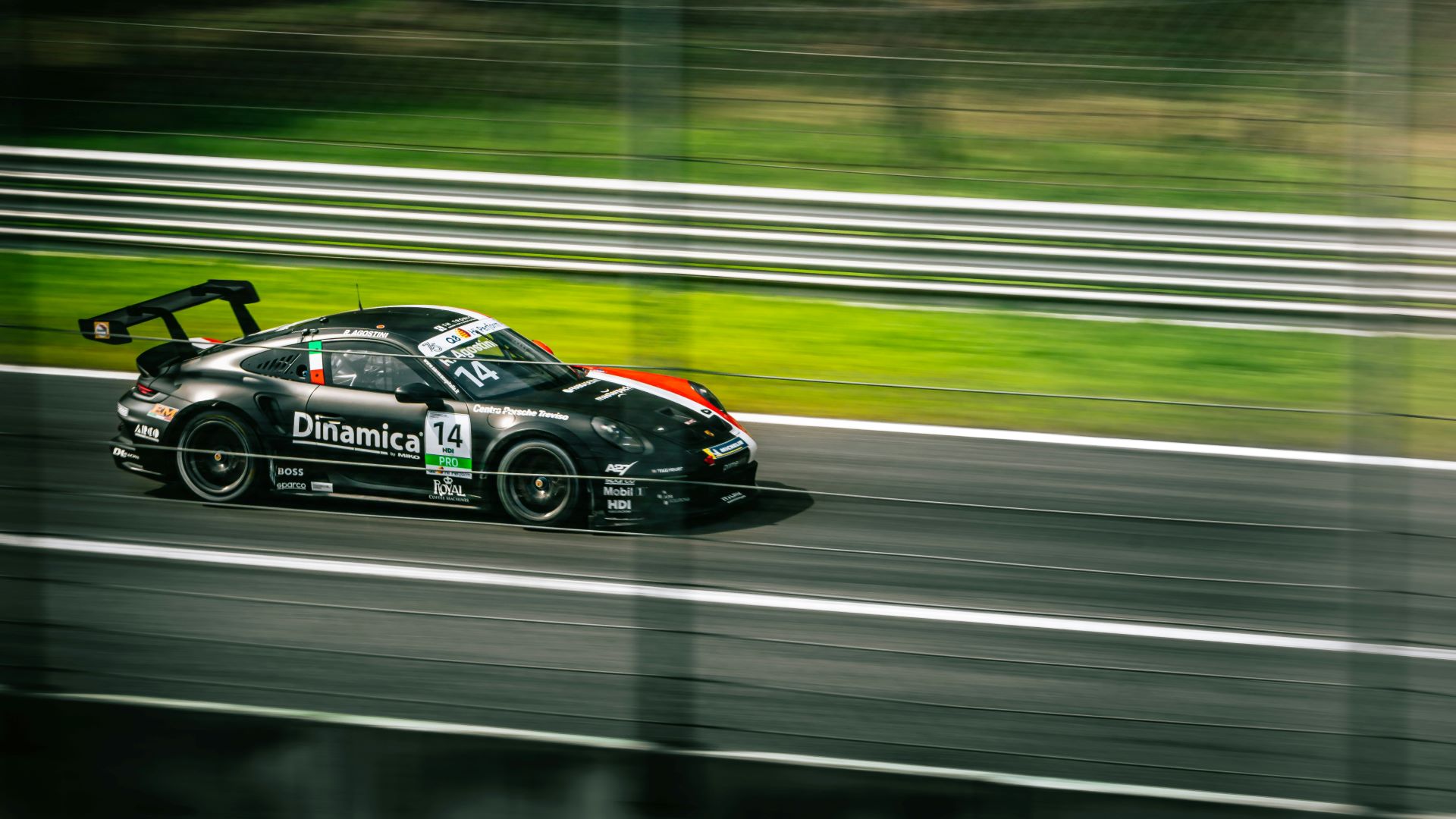
The journey of motorsport sponsorship began in the mid-20th century when brands first saw the commercial potential of aligning with racing teams. One of the earliest and most iconic examples is Ferrari's partnership with Shell, a relationship dating back to the 1930s. This collaboration not only underscored Ferrari's engineering excellence but also showcased Shell's fuel performance under extreme conditions.
By the 1970s, sponsorships in motorsport evolved from modest collaborations into major marketing investments. Tobacco companies such as Marlboro and Camel dominated the scene, their bold logos emblazoned on racing cars and driver uniforms. Marlboro's association with McLaren and later Ferrari in Formula 1 is a case study in how sponsorships can embed a brand in the cultural zeitgeist.
As societal norms shifted, brands with a focus on technology, sustainability, and luxury replaced tobacco companies as the primary sponsors. Partnerships like Mercedes-Benz and Petronas, or Aston Martin's collaborations with Cognizant, represent the modern ethos of motorsport sponsorshipÔÇöperformance meets innovation.
Understanding Brand Perception
What is Brand Perception?
Brand perception is how consumers interpret and respond to a brandÔÇÖs image, values, and offerings. For automotive companies, it directly influences market share, customer loyalty, and long-term success. Unlike tangible qualities like price or product features, brand perception is shaped by emotional and psychological factors.
Factors Influencing Brand Perception
How Sports Fans Perceive Automotive Brands
Sports fans are a passionate, detail-oriented audience. They often view automotive brands involved in motorsport as aspirational, associating them with excellence, risk-taking, and resilience. This connection can translate into greater admiration and trust compared to the general consumer base.
The Benefits of Motorsport Sponsorships
Enhancing Brand Image
Motorsport sponsorships enable brands to align with high-performance attributes, such as speed, durability, and innovation. For instance, Mercedes-AMG Petronas Formula One Team has amplified Mercedes-BenzÔÇÖs reputation for precision engineering and luxury.
Increased Consumer Engagement
Racing events provide immersive opportunities for brands to engage directly with fans. Through activities like pit lane tours, virtual reality experiences, or branded content, sponsors create memorable interactions that deepen consumer connection.
Expanding Global Reach
Motorsport is a global phenomenon, with fans spanning continents. This exposure is invaluable for automotive brands seeking to penetrate emerging markets or solidify their presence in established ones. Formula 1ÔÇÖs expansion into countries like Saudi Arabia and Qatar illustrates this potential.
The Challenges of Motorsport Sponsorships
Financial Burdens
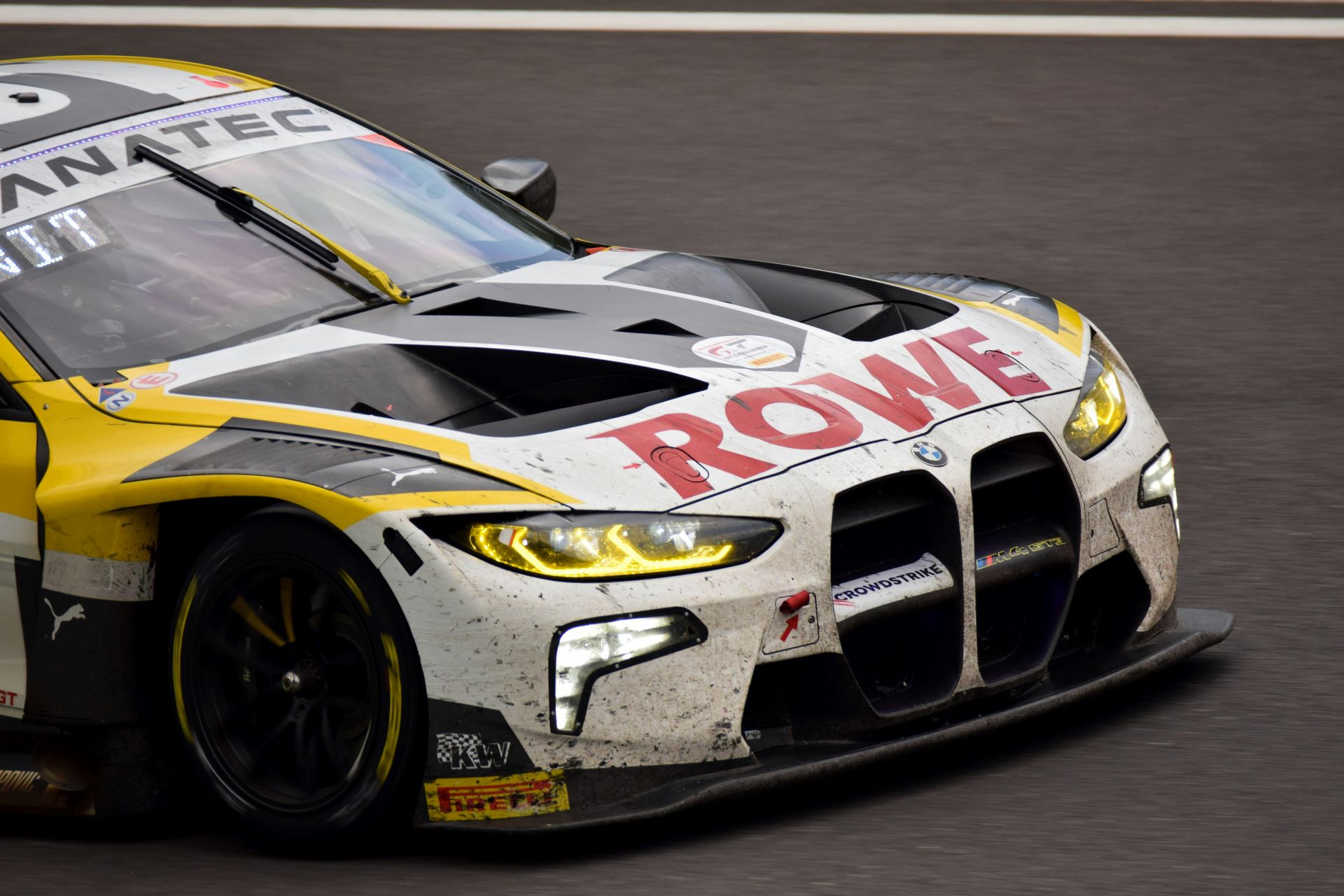
Sponsorships come with a hefty price tag. A primary sponsorship deal in Formula 1 can cost upwards of $50 million annually. Smaller brands often struggle to justify such investments, especially when ROI is uncertain.
Risk of Negative Associations
Motorsport is unpredictable. A teamÔÇÖs underperformance or involvement in controversies can tarnish a sponsorÔÇÖs reputation. For instance, the McLaren-Honda partnership in the mid-2010s faced backlash due to consistent mechanical failures, impacting HondaÔÇÖs image as a reliable brand.
Balancing Sustainability Goals
As the automotive industry embraces electrification and sustainability, traditional motorsports, with their reliance on fossil fuels, can seem at odds with a brandÔÇÖs eco-friendly messaging.
The Future of Motorsport Sponsorships
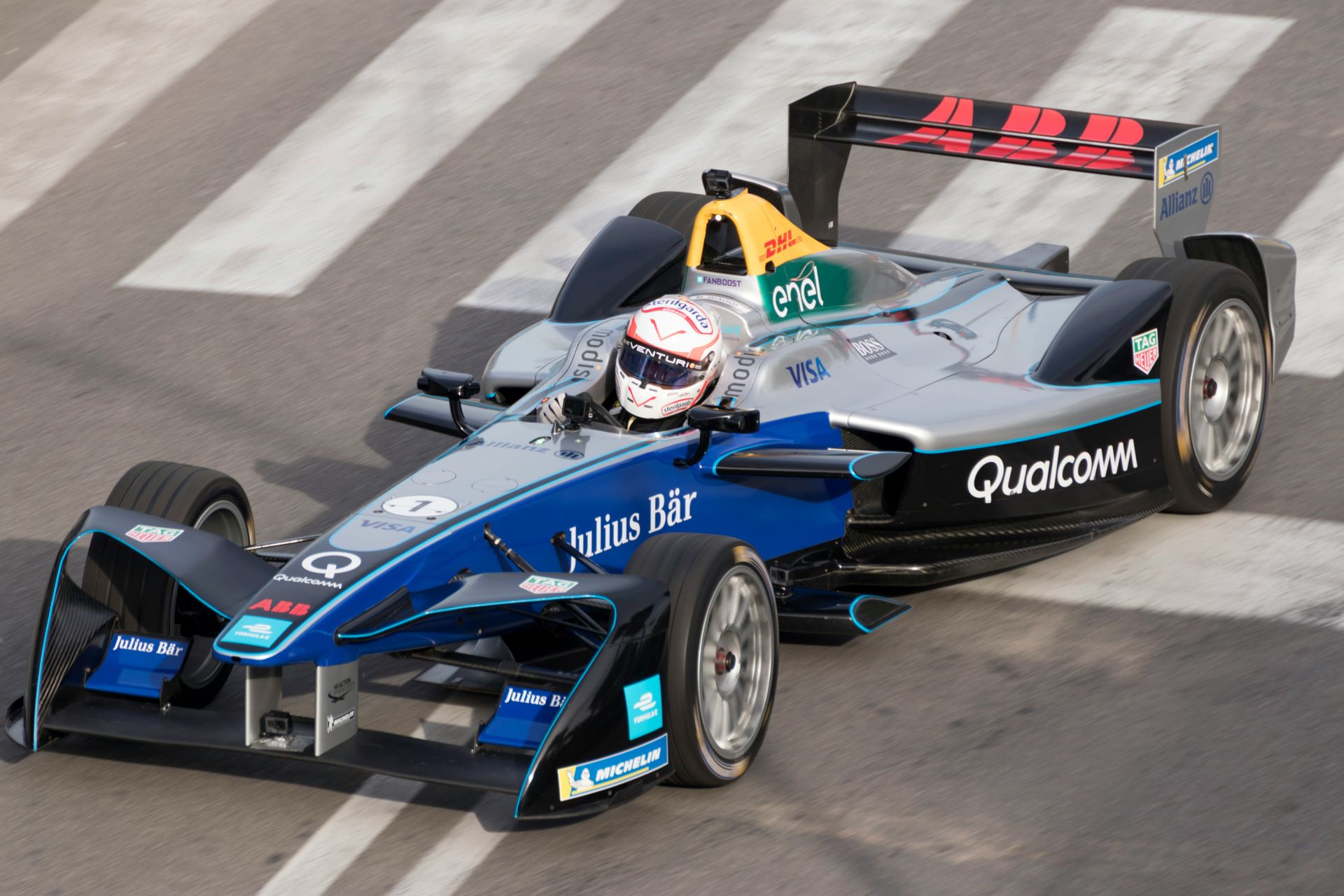
As motorsport evolves, so do sponsorship strategies. The rise of electric racing series like Formula E and Extreme E highlights a shift toward sustainability and innovation. Brands such as Nissan and Porsche are leveraging these platforms to showcase their electric vehicle (EV) capabilities, appealing to environmentally conscious consumers.
Technological advancements, particularly in virtual and augmented reality, will also redefine fan engagement. Expect more interactive sponsorship campaigns that bridge the gap between the track and the living room.
Motorsport sponsorships remain a powerful tool for shaping automotive brand perception. While the benefits of association with speed, innovation, and global appeal are clear, the challengesÔÇöfinancial, reputational, and strategicÔÇöcannot be ignored.
For automotive brands, the key lies in aligning sponsorships with broader business objectives and consumer expectations. In an era defined by sustainability and technology, motorsport sponsorships must adapt to remain relevant and impactful.
By navigating these complexities thoughtfully, automotive brands can continue to harness the exhilarating world of motorsport to drive their image forward.
Breyten Odendaal
Specializing in high-performance automotive advertising and digital marketing solutions, delivering cutting-edge insights and the latest news shaping the automotive industry in South Africa.
More From Advertising
Automotive Advertising in 2026: Selling Confidence in a More Competitive Market
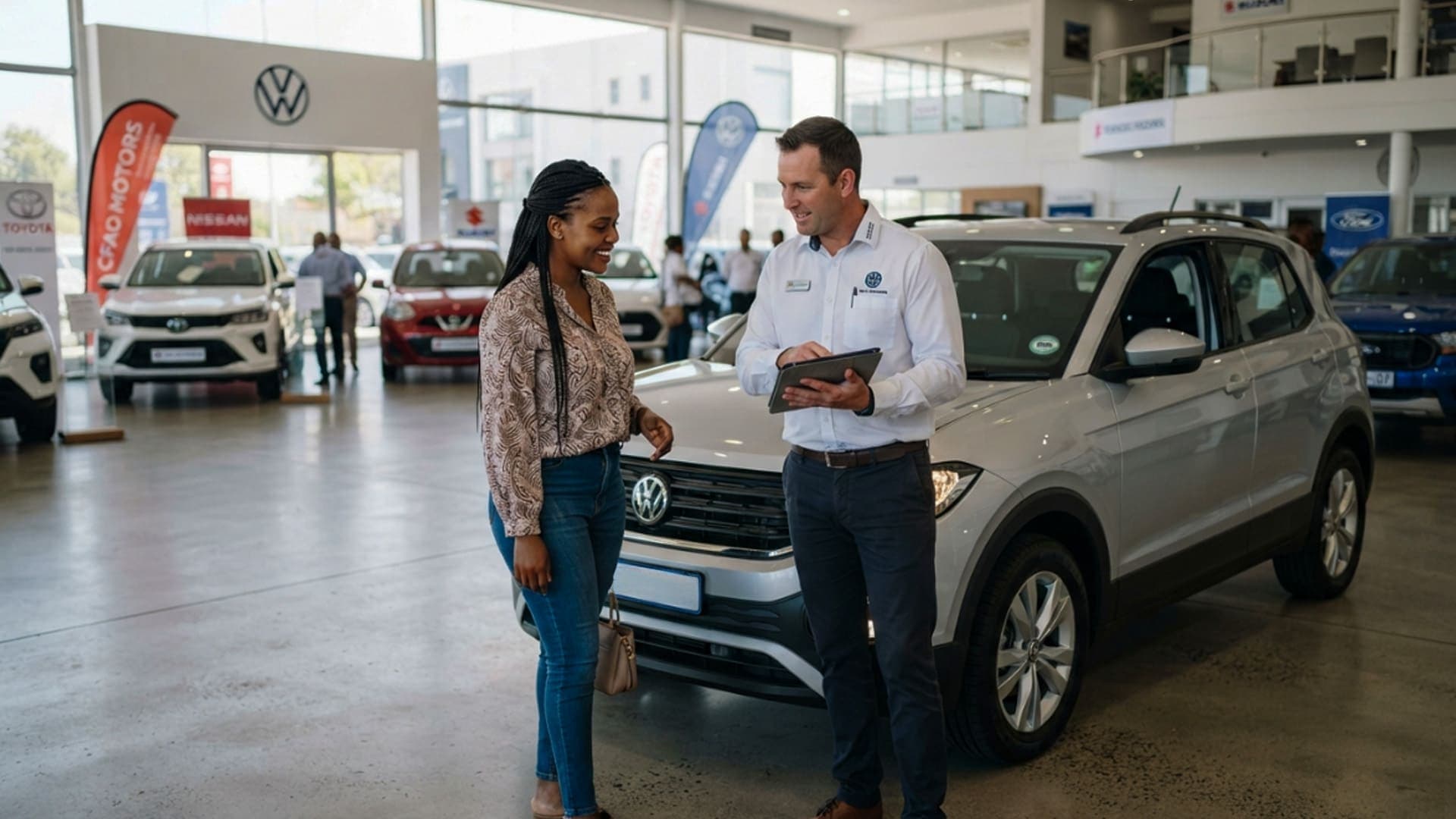
As South Africa’s vehicle market becomes more competitive, automotive advertising needs to do more than announce a price or specification. It needs to help buyers understand value, ownership costs and why a vehicle suits their lives.

Automotive Digital Ads in South Africa: A Shift
Exploring how South Africa’s automotive advertising evolved from print and broadcast to data-driven, programmatic digital ecosystems.

The Video Shift in Car Buying Decisions in SA
Explore how video content shapes car purchase decisions in South Africa, comparing short-form and long-form strategies for automotive marketers.