
Imagine scrolling through your favourite motoring website and encountering an ad for the very SUV youÔÇÖve been researching moments agoÔÇötailored just for you. Welcome to the era of data-driven advertising, where every click, like and search fuels a highly personalized marketing machine. In 2024, global digital ad spend surpassed $600 billion, with more than 60 percent powered by sophisticated data analytics platforms. TodayÔÇÖs automotive brands no longer rely solely on glossy magazine spreads or prime-time television spots; they harness terabytes of consumer data to deliver the right message, to the right person, at exactly the right moment.
At its core, data-driven advertising taps into vast pools of consumer informationÔÇöonline behaviours, purchase histories, demographic profilesÔÇöand leverages advanced analytics to craft hyper-targeted campaigns. Traditional advertising in the automotive sector was largely a one-size-fits-all affair: national TV commercials showcasing sleek new models, commuter-belt billboards extolling fuel efficiency, or glossy print ads touting showroom events. While these methods built brand awareness, they lacked precision and often delivered inflated costs with limited measurable ROI.
This article explores how data-driven advertising has revolutionized the automotive industry. WeÔÇÖll trace the evolution from generic media buys to pinpoint digital campaigns, unpack the mechanics of data collection and targeting, and examine the tangible benefits and challenges for carmakers and dealers. Along the way, real-world case studies will illustrate how leading marques are leveraging data to drive sales, deepen customer relationships, and gain a decisive edge in an increasingly competitive marketplace.
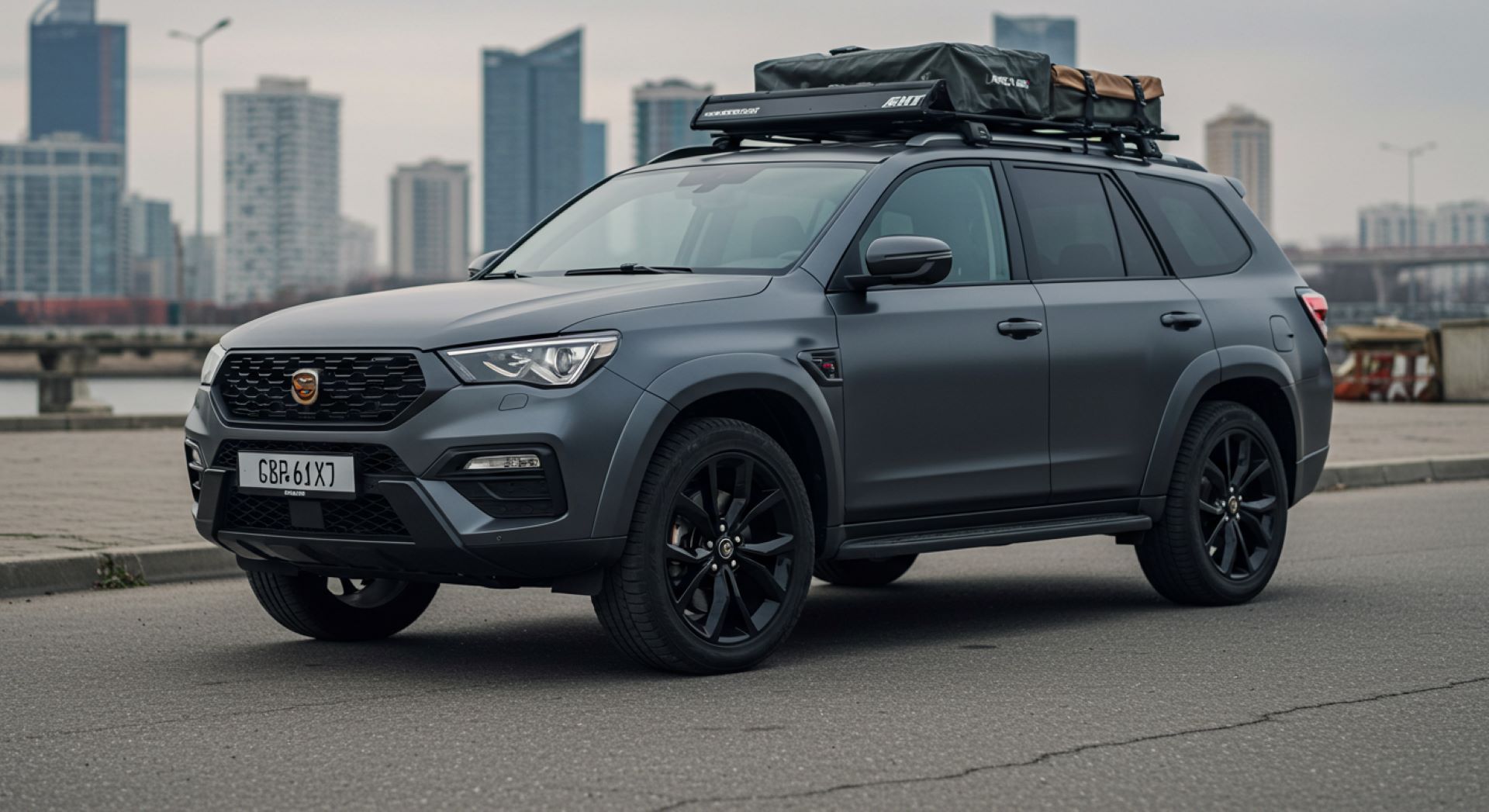
The Evolution of Advertising in the Automotive Industry
For decades, automotive advertising was dominated by three pillars: television, print and outdoor. In the 1960s and ÔÇÖ70s, TV spotsÔÇöoften cinematic, sometimes comedicÔÇöset the tone for aspirational driving. Iconic campaigns like VolkswagenÔÇÖs ÔÇ£Think SmallÔÇØ print ads in the 1960s demonstrated the power of clever copy to change perceptions. Billboards on highways reinforced model launches and dealer promotions, while national newspapers and magazines provided the tactile luxury of glossy spreads.
The late 1990s and early 2000s saw a seismic shift. As consumers embraced the internet, carmakers established official websites and banner ads began appearing on automotive portals. Yet these early digital efforts were essentially transplanted from print and broadcast: standard display advertising with little personalization, bought on an impression-based model.
By the early 2010s, however, the proliferation of cookies, mobile tracking and sophisticated ad-serving networks heralded the rise of targeted digital campaigns. Programmatic advertising platforms emerged, enabling real-time bidding on impressions tailored by demographic and behavioural data. Suddenly, a dealer could retarget visitors who abandoned a vehicle configurator halfway through, delivering follow-up ads offering incentives or financing options.
Key milestones include:
This evolution reflects a broader marketing paradigm shift: from brand-centric messaging to customer-centric dialogue. TodayÔÇÖs automotive advertisers view each interaction as an opportunity to deepen relationships, not just broadcast a one-way sales pitch.
How Data-Driven Advertising Works
At the heart of data-driven advertising lies a four-step process: data collection, analysis, audience segmentation and campaign execution.
Real-Life Example:When Ford launched its all-electric Mustang Mach-E in 2020, it employed highly targeted YouTube and Instagram ads focused on tech-savvy millennials in key metro areas. By integrating first-party test-drive sign-up data, Ford retargeted visitors with local dealer event invites, achieving a 35 percent higher test-drive-to-sale conversion than with generic digital banners.
Benefits of Data-Driven Advertising for the Automotive Industry
Precise Audience Reach
Targeted campaigns eliminate wasted impressions. Rather than broadcasting nationally, brands zero in on high-value prospectsÔÇöthose most likely to engage or purchase. HyundaiÔÇÖs IONIQ 5 launch in Europe generated a 4:1 return on ad spend (ROAS) by targeting EV-interest segments gleaned from search-query data and auto-enthusiast forums.
Enhanced Cost Efficiency
Programmatic buying tools optimize bids in real time, ensuring budgets stretch further. Dealers can cap spend on underperforming segments and reallocate to audiences with proven higher conversion rates. One large dealer group reported a 25 percent reduction in cost per lead after shifting to a data-driven DSP model.
Improved ROI and Sales Metrics
Data-driven campaigns deliver measurable resultsÔÇöclick-through rates (CTR), cost per acquisition (CPA), and ultimately sales. Analytics dashboards tie digital ad exposure directly to lead forms, dealership visits and purchases. Audi UK attributed a 20 percent uplift in Q4 EV orders to its targeted Facebook lead-gen campaigns.
Personalised Customer Experience
Dynamic ads adapt messagingÔÇöshowing lease deals or finance options unique to individual credit profiles, for instance. Land RoverÔÇÖs ÔÇ£Own the ExtraordinaryÔÇØ campaign dynamically showcased lifestyle imagery aligned with usersÔÇÖ travel and adventure interests, increasing engagement by 30 percent versus static banners.

Challenges and Criticisms
Data Privacy and Compliance
Harvesting and leveraging consumer data raises legitimate privacy concerns. Regulators worldwide have responded: GDPR in Europe enforces strict consent requirements; South AfricaÔÇÖs Protection of Personal Information Act (POPIA) mandates secure data handling and explicit opt-in. Automotive advertisers must ensure transparent data-collection practices and robust security to avoid fines and reputational damage.
Technical and Skill Barriers
Implementing a data-driven stack demands investment in DMPs, analytics talent and ongoing optimization. Smaller dealers may lack the budgets or in-house expertise to effectively interpret data, leading to suboptimal targeting or wasted spend.
Perceived Intrusiveness
Highly personalized ads can feel invasive if consumers arenÔÇÖt aware ofÔÇöor comfortable withÔÇötheir data being used. A 2023 J.D. Power survey found that 42 percent of respondents viewed retargeted auto ads as ÔÇ£creepy,ÔÇØ underscoring the need for balanced frequency capping and clear privacy messaging.
Risk of Data Breaches
Centralizing sensitive consumer information creates honeypots for cyber attackers. A breach exposing credit or purchase history could erode brand trust. Automotive marketers must partner with reputable vendors and enforce stringent cybersecurity protocols.
Future Trends in Data-Driven Advertising in the Automotive Industry
AI and Machine Learning
The next frontier lies in generative AI and advanced predictive modeling. AI-driven creative engines will dynamically generate ad copy and imagery tailored to individual tastes. Early experiments by BMW utilize generative-AI to craft personalized video ads that reference recent user interactions, such as browsing a virtual showroom.
Increased Personalization and Omnichannel Integration
Data-driven insights will power seamless experiences across touchpoints: an ad viewed on Instagram might trigger an SMS reminder, followed by a personalized email offer. Dealers are piloting CRM-to-DSP integrations to coordinate campaigns across digital, email and in-dealership displays.
Immersive Technologies
Virtual and augmented reality ads promise immersive vehicle walkaround experiences. Imagine an AR banner that, when tapped, launches a life-size holographic projection of the new SUV in your driveway. FordÔÇÖs VR showroomsÔÇönow integrated with targeted adsÔÇöreduce in-person visits yet drive qualified leads for local dealers.
Electric and Autonomous Vehicle Influence
EV and AV buyers exhibit distinct research behavioursÔÇödeep dives into range data, charging infrastructure, or autonomous feature demos. Data-driven ads will increasingly cater to these nuance-rich segments, highlighting relevant specs and software updates. As over-the-air updates become standard, automakers can retarget owners with upgrade-offer campaigns based on actual vehicle telematics.
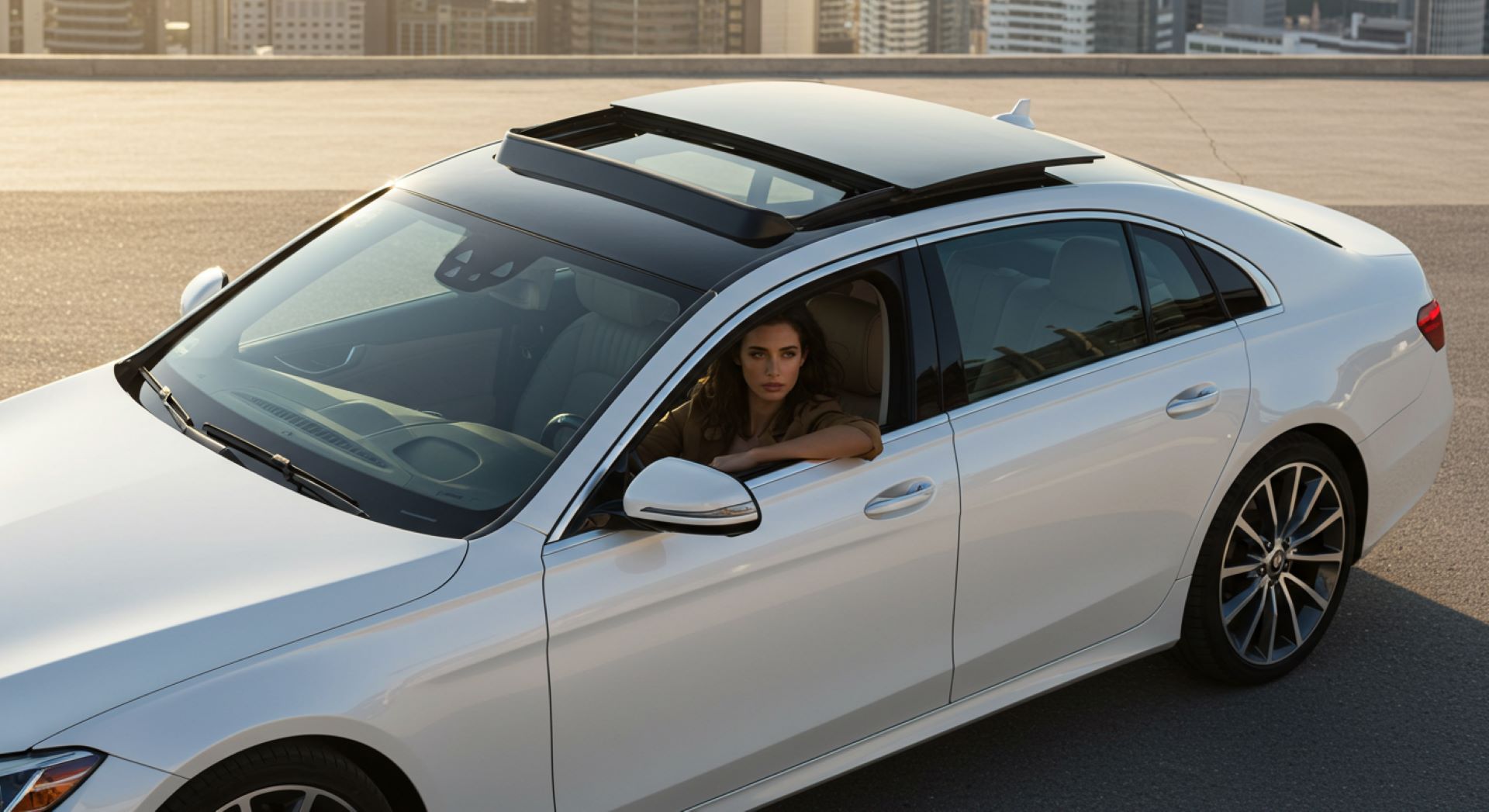
From the golden age of billboards and TV spots to the data-rich, hyper-targeted digital campaigns of today, automotive advertising has undergone a profound transformation. Data-driven advertising empowers brands to cut through the noise, deliver personalized experiences and drive measurable business outcomes. Yet with great power comes great responsibility: safeguarding consumer privacy, respecting opt-in preferences and maintaining transparent practices are paramount.
For automotive enthusiasts and buyers alike, these developments mean more relevant, timely and engaging communicationsÔÇöwhether itÔÇÖs a tailored lease offer in your inbox or a VR test-drive invite delivered just as you contemplate your next vehicle. As the industry accelerates into a future defined by AI, EVs and autonomous tech, data-driven advertising will remain a critical gear in the marketerÔÇÖs toolkit.
WhatÔÇÖs your take on data-driven advertising in the automotive world? Have you ever been intriguedÔÇöor put offÔÇöby a hyper-targeted car ad? Share your experiences in the comments below. Next time you browse your favourite brandÔÇÖs website or social feed, pay attention to how your interactions shape the ads you seeÔÇöand discover how these insights could guide your next automotive purchase. Stay tuned for the latest developments as marketers and technologists continue to reinvent the road ahead.
Breyten Odendaal
Specializing in high-performance automotive advertising and digital marketing solutions, delivering cutting-edge insights and the latest news shaping the automotive industry in South Africa.
More From Advertising
Automotive Advertising in 2026: Selling Confidence in a More Competitive Market
As South Africa’s vehicle market becomes more competitive, automotive advertising needs to do more than announce a price or specification. It needs to help buyers understand value, ownership costs and why a vehicle suits their lives.

Automotive Digital Ads in South Africa: A Shift
Exploring how South Africa’s automotive advertising evolved from print and broadcast to data-driven, programmatic digital ecosystems.

The Video Shift in Car Buying Decisions in SA
Explore how video content shapes car purchase decisions in South Africa, comparing short-form and long-form strategies for automotive marketers.