
Imagine stepping into a showroom and instantly customizing your dream carÔÇöchanging its color, wheels, or interior featuresÔÇöall with a swipe of your hand or a tap on your smartphone. Augmented Reality (AR) is turning this vision into reality, revolutionizing how consumers interact with automotive brands.
AR, a technology that overlays digital elements onto the physical world, has rapidly gained traction across industries, from gaming to healthcare. In the automotive sector, AR is redefining both showrooms and advertising. By blending the physical and virtual, AR provides immersive, engaging, and highly personalized experiences that traditional methods cannot match.
This article explores how AR is transforming automotive showrooms and advertisements, enhancing customer experiences, and unlocking new opportunities for brands. From the evolution of showrooms to the rise of interactive ad campaigns, AR is reshaping the automotive landscape in ways that demand attention.
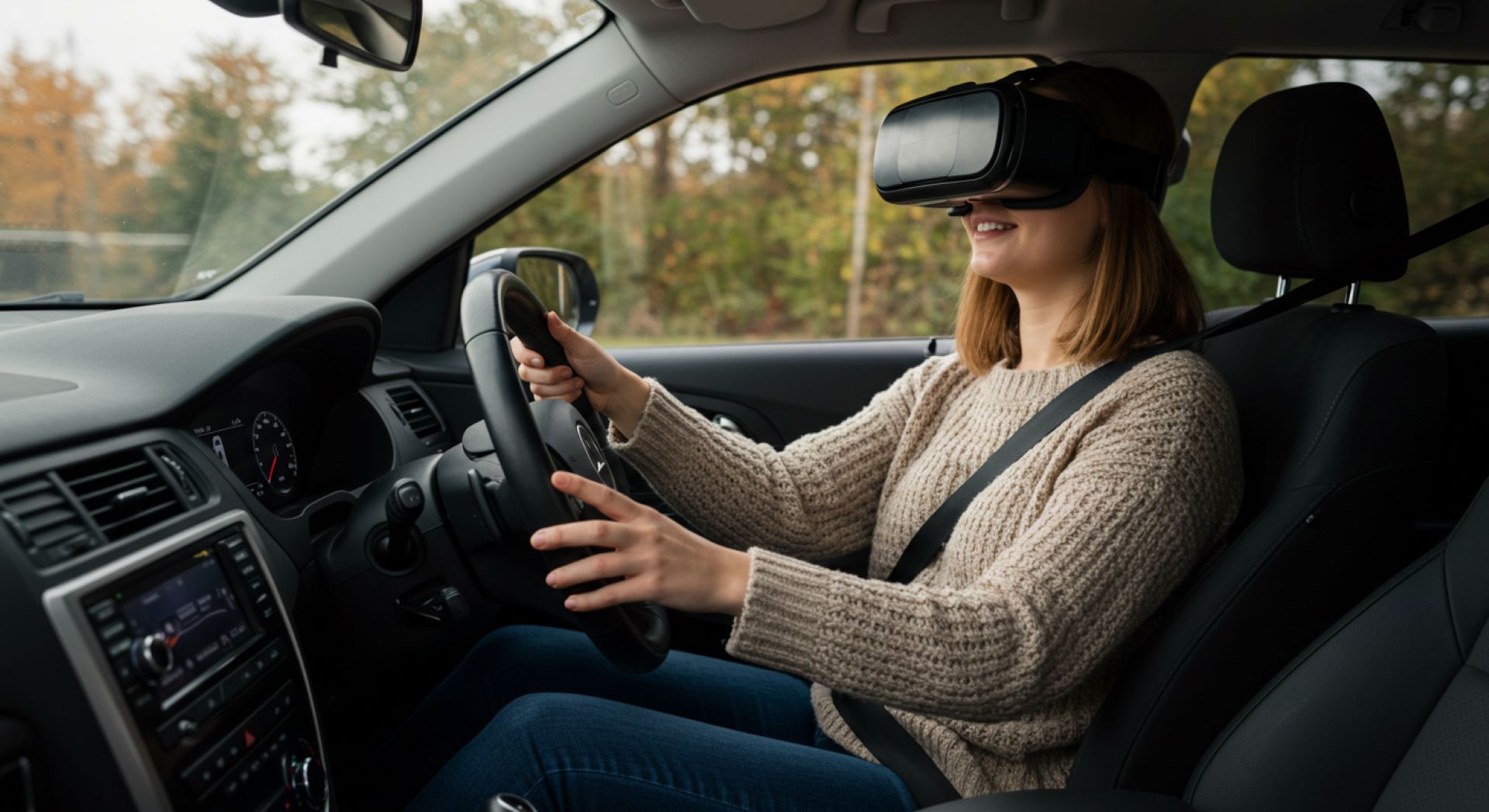
Evolution of Automotive Showrooms
Historical Overview
Automotive showrooms have long been central to the car-buying journey. Traditionally, they served as physical spaces where potential buyers could view, test, and purchase vehicles. Early showrooms were simple, functional spaces showcasing limited inventory. Over time, they evolved into elaborate venues designed to evoke luxury and excitement, reflecting the aspirational nature of car ownership.
Traditional vs. Digital Showrooms
The digital age brought significant changes to the showroom experience. With the advent of online platforms, customers began exploring cars virtually before visiting physical locations. Digital tools like 360-degree vehicle views, online configurators, and virtual test drives became commonplace. However, these solutions, while convenient, often lacked the tactile and immersive qualities of an in-person experience.
Introduction to AR in Showrooms
Enter AR, a technology that bridges the gap between physical and digital experiences. AR-enabled showrooms allow customers to visualize vehicles in their environment, customize features in real time, and even "test drive" cars virtually. This innovation not only enhances the customer journey but also reduces the need for extensive physical inventory, creating cost efficiencies for dealers.
AR in Showrooms ÔÇô Enhancing Customer Experience
Immersive Experience
AR technology transforms passive browsing into an interactive adventure. Customers can use AR apps to visualize cars in their driveway, adjust paint colors, and explore interior features as if the vehicle were physically present. This immersive experience fosters deeper engagement, helping customers make confident purchasing decisions.
Convenience and Flexibility
AR offers unparalleled convenience. Virtual showrooms enable customers to explore and customize vehicles from the comfort of their homes. Features like AR-powered virtual test drives eliminate geographical barriers, allowing potential buyers to experience vehicles without stepping into a dealership.
Case Studies/Examples
Pioneering brands like BMW and Audi have successfully integrated AR into their showrooms. BMWÔÇÖs AR app lets users visualize vehicles in their surroundings, while AudiÔÇÖs "AR Experience" offers detailed views of car interiors and exteriors. HyundaiÔÇÖs AR-powered showrooms have also garnered praise, showcasing how AR can elevate customer satisfaction and drive sales.

Augmented Reality in Automotive Advertising
Transformation of Advertising
Traditional automotive advertising relied heavily on static visuals and video commercials. AR has disrupted this paradigm, enabling dynamic, interactive campaigns that engage audiences on a deeper level. AR ads create memorable experiences by inviting users to interact with the content rather than passively consuming it.
Interactive Campaigns
With AR, advertising becomes an immersive journey. Campaigns can allow users to place virtual vehicles in their surroundings, explore features in 3D, or even "drive" cars in augmented environments. These experiences not only capture attention but also foster a sense of ownership and excitement.
Examples/Campaigns
Several automotive brands have launched groundbreaking AR campaigns. VolvoÔÇÖs "AR Test Drive" campaign let users virtually drive their XC90 SUV using a smartphone app. PorscheÔÇÖs AR ads allowed users to project a 3D model of the Taycan onto their driveway, enabling them to explore the carÔÇÖs design and features. Such campaigns highlight ARÔÇÖs potential to transform advertising into a more engaging and effective tool.
Benefits and Challenges of AR in the Automotive Sector
Benefits
The integration of AR into automotive showrooms and ads offers numerous advantages:
Challenges
Despite its benefits, AR adoption in the automotive sector faces hurdles:
Future Outlook
As AR technology advances, its applications in the automotive sector are set to expand. Innovations like AI-driven AR experiences and integration with emerging technologies like virtual reality (VR) and mixed reality (MR) promise to elevate customer experiences further. In the coming years, AR could become a standard feature of automotive marketing and retail.
The Reflective Perspective
Reflective Analysis
ARÔÇÖs transformative impact on the automotive sector invites reflection on how technology reshapes our interactions with brands. For many, the car-buying journey is as much about the experience as the product. AR amplifies this by making the process more engaging, informative, and personalized.
Societal Impact
Beyond individual experiences, ARÔÇÖs integration into automotive marketing reflects broader shifts in consumer behavior. As customers demand more interactive and convenient solutions, AR-driven experiences set new benchmarks for engagement and satisfaction. This evolution also underscores the increasing convergence of technology and consumer lifestyles.
Personal Connection
Have you ever explored a car using AR or experienced an interactive ad? These moments exemplify how technology deepens our connection to products and brands. ARÔÇÖs ability to make the intangible tangible is its greatest strength, transforming curiosity into action.
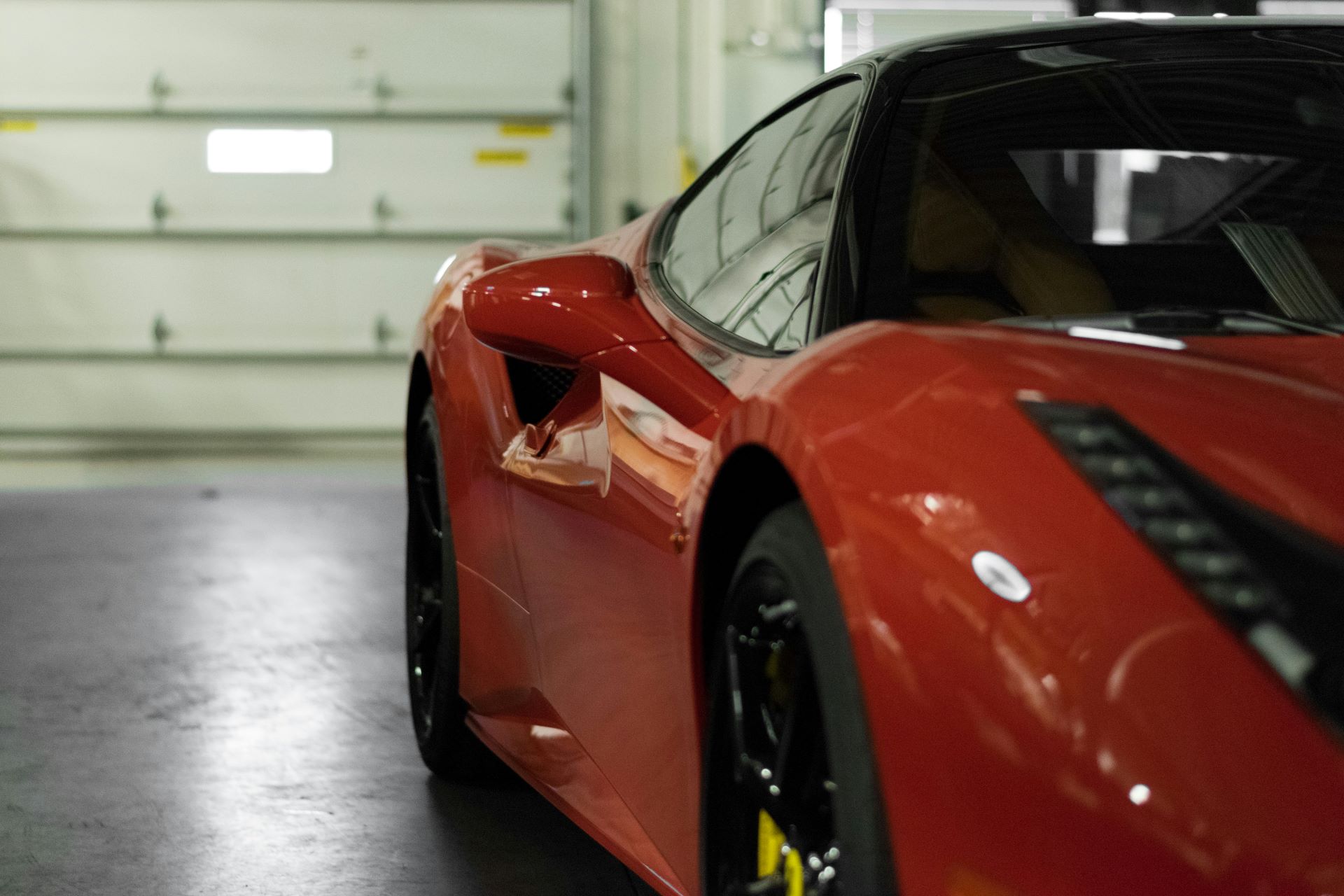
AR is revolutionizing the automotive industry by transforming showrooms and advertising. It bridges the gap between physical and digital experiences, offering immersive, engaging, and highly personalized interactions that redefine the customer journey.
As AR technology continues to evolve, its impact on the automotive sector will only grow, setting new standards for customer engagement and brand storytelling. For automotive enthusiasts, these innovations promise a future where exploring, customizing, and purchasing vehicles becomes a seamless and captivating experience.
The question now is not whether AR will dominate the automotive landscape but how quickly brands can embrace its potential to drive the industry forward. In this new era, the line between imagination and reality is becoming delightfully blurred.
Breyten Odendaal
Specializing in high-performance automotive advertising and digital marketing solutions, delivering cutting-edge insights and the latest news shaping the automotive industry in South Africa.
More From Advertising

Automotive Advertising in 2026: Selling Confidence in a More Competitive Market
As South Africa’s vehicle market becomes more competitive, automotive advertising needs to do more than announce a price or specification. It needs to help buyers understand value, ownership costs and why a vehicle suits their lives.

Automotive Digital Ads in South Africa: A Shift
Exploring how South Africa’s automotive advertising evolved from print and broadcast to data-driven, programmatic digital ecosystems.

The Video Shift in Car Buying Decisions in SA
Explore how video content shapes car purchase decisions in South Africa, comparing short-form and long-form strategies for automotive marketers.