
In an industry long defined by roaring engines, blistering speed, and luxurious power, a quiet revolution is underway in automotive advertising. Gone are the days when the automotive ad was a symphony of speed, with cars streaking across vast stretches of open road. Today, the trend is shifting towards something much simpler ÔÇö minimalist automotive ads. This subtle yet profound change represents a fundamental departure from the traditional high-octane approach that once dominated the automotive world. It is a shift from showcasing power and velocity to promoting elegance and sophistication through simplicity.
Minimalist advertising isnÔÇÖt just a stylistic choice; itÔÇÖs a strategic pivot that aligns with changing consumer preferences and evolving brand identities. It represents a move towards a more introspective and deliberate way of connecting with audiences ÔÇö a stark contrast to the overwhelming barrage of visual stimuli typically associated with automotive advertising. This trend invites consumers to pause, reflect, and appreciate the essence of the vehicle, rather than just its performance.
Why is this change significant? The automotive industry has long used speed as a shorthand for power, excitement, and desire. But todayÔÇÖs consumers are looking for more than just performance; they seek authenticity, sustainability, and design that resonates with their values. This article will explore the rise of minimalist automotive advertising, how it influences consumer perception, and why simplicity may be the future of automotive marketing.

Exploring Minimalism in Automotive Advertising
Minimalism in advertising refers to the deliberate use of simplicity in design elements, such as visuals, text, and messaging. ItÔÇÖs about stripping away the unnecessary to reveal the core message in its purest form. In the context of automotive ads, minimalism often means sparse landscapes, muted colors, and concise copy that allows the car to speak for itself. This approach contrasts sharply with the traditional, speed-focused ads that have been the mainstay of automotive marketing for decades.
The roots of minimalist design can be traced back to the mid-20th century, with movements like the Bauhaus and Swiss Style influencing graphic design. These schools of thought prioritized clarity, functionality, and simplicity. As advertising evolved, these principles were incorporated into campaigns across various industries, from fashion to technology. Automotive advertising, however, was slow to embrace this shift. For years, high-speed chases, powerful engine sounds, and sleek designs were central to car commercials, reinforcing the idea that speed and power were the ultimate selling points.
However, in recent years, some automotive brands have begun to adopt minimalist ads that focus on subtler aspects, such as the craftsmanship of the car, its design, and the lifestyle it promotes. Tesla, for instance, has consistently relied on minimalist ads, focusing on clean visuals and messaging that emphasize sustainability and innovation. Another example is Volvo, which has used simple yet powerful ads to highlight the safety and quality of their vehicles without overwhelming viewers with high-speed action shots.
The reason for this shift is multi-faceted. For one, modern consumers are bombarded by information and advertising in every aspect of their lives. In this context, simplicity stands out. It offers a refreshing break from the noise and clutter of traditional ads. Furthermore, minimalist ads often carry a sense of sophistication and exclusivity, making them a perfect fit for brands looking to position themselves as premium or aspirational.
Effects on Consumer Perception
Minimalist advertising has a profound effect on consumer perception. In a market saturated with flashy, high-energy ads, a minimalist approach can evoke a sense of calm, sophistication, and understated luxury. Rather than simply focusing on speed or performance, minimalist ads tap into emotions and values that resonate more deeply with modern consumers.
Research has shown that minimalist design can influence how consumers perceive a brand. A study published in the Journal of Consumer Research found that consumers tend to associate minimalist ads with high-quality products, even if they have no prior experience with the brand. This is particularly relevant in the automotive industry, where purchasing decisions are often driven by both emotional and rational factors. A well-executed minimalist ad can evoke feelings of trust, stability, and exclusivity, which are powerful drivers of consumer loyalty.
One prominent example of a brand successfully using minimalist advertising is Audi. Their "Vorsprung durch Technik" campaign, which translates to "Advancement through Technology," was built on the concept of simplicity. The ads were stripped down to the bare essentials, focusing on the carÔÇÖs innovative features rather than its speed or performance. This approach positioned Audi as a forward-thinking, technologically advanced brand, appealing to consumers who value innovation over brute power.
In contrast, traditional speed-centric ads often focus on eliciting an immediate emotional response ÔÇö the thrill of acceleration, the excitement of the open road. While effective in appealing to adrenaline junkies, these ads can often feel formulaic and impersonal. Minimalist ads, on the other hand, invite consumers to engage on a deeper level, encouraging them to connect with the brandÔÇÖs ethos and values rather than just its performance.
Strategic Implementation of Minimalism
Implementing minimalist design in automotive advertising requires a careful balance of elements. A successful minimalist ad isnÔÇÖt simply one that uses less; itÔÇÖs one that uses only what is necessary to convey the message effectively. Imagery, typography, and messaging must be carefully chosen to evoke the right emotions without overwhelming the viewer.
One of the most important elements of minimalist automotive ads is the use of space. Negative space ÔÇö the empty areas around the subject ÔÇö is a key feature of minimalist design. It allows the car to breathe, drawing attention to its shape, design, and features. For example, a brand like Jaguar might use a single, well-lit image of a sleek, angular vehicle parked on a simple, neutral-colored background. The lack of distractions directs the viewerÔÇÖs focus entirely on the car itself, making a statement without the need for excessive copy or imagery.
Typography plays a crucial role in minimalist ads as well. Bold, clean fonts that are easy to read are preferred, with minimal or no use of decorative elements. The message is often short and impactful, designed to be understood quickly without unnecessary elaboration. For instance, a simple phrase like "Drive the Future" or "Elegance in Motion" can convey powerful ideas with minimal words.
Industry experts often emphasize the power of simplicity in advertising. "Minimalism allows the product to stand out without competing with extraneous elements," says renowned advertising strategist Emily Roberts. "It allows the consumer to focus on the essence of the product and what it represents, rather than being distracted by unnecessary embellishments."

Comparative Analysis: Minimalism vs Speed-focused Ads
When comparing minimalist ads to traditional speed-focused automotive ads, the differences in approach become clear. Speed-focused ads are designed to create a visceral, high-energy experience. They typically feature high-speed chases, thrilling stunts, and powerful engine sounds, all intended to evoke excitement and a sense of adventure. These ads are often dynamic and packed with action, reflecting the performance-oriented nature of the car.
In contrast, minimalist ads are more subdued and introspective. They often rely on still images, muted color palettes, and simple messaging. The focus is on the productÔÇÖs craftsmanship, design, or the lifestyle it represents, rather than its speed or power. While speed-focused ads can evoke excitement and adrenaline, minimalist ads tend to create a sense of calm, sophistication, and thoughtfulness.
The strengths of speed-focused ads are clear: they appeal to consumersÔÇÖ desires for adventure, performance, and excitement. However, they can sometimes feel formulaic or over-the-top, particularly in an age when consumers are looking for more authenticity and depth. Minimalist ads, on the other hand, excel in their ability to create an emotional connection with the audience by emphasizing simplicity, elegance, and thoughtfulness. While they may not generate the same immediate excitement as speed-focused ads, they are more likely to resonate with todayÔÇÖs discerning, values-driven consumers.
Future Trends and Predictions
As consumer preferences continue to evolve, itÔÇÖs likely that minimalist automotive advertising will become even more prevalent. With the rise of electric vehicles and a growing focus on sustainability, brands are likely to adopt minimalist campaigns that emphasize these values. Consumers are increasingly drawn to brands that prioritize transparency, quality, and environmental consciousness, and minimalist advertising is a natural fit for communicating these ideals.
In the coming years, we may also see more brands experimenting with interactive and digital minimalist ads, leveraging technologies like augmented reality and virtual reality to create immersive yet simple experiences. These innovations will allow automotive brands to convey their messages in new, engaging ways while still maintaining the clean, simple aesthetic that has become synonymous with minimalist design.
However, challenges remain. While minimalist ads can be highly effective in certain contexts, they may not always be suitable for every brand or demographic. Younger consumers, for example, may respond more positively to high-energy, performance-driven campaigns, especially when engaging with luxury or sports car brands. Thus, the key to success will be understanding when and how to incorporate minimalism into campaigns in a way that resonates with the target audience.
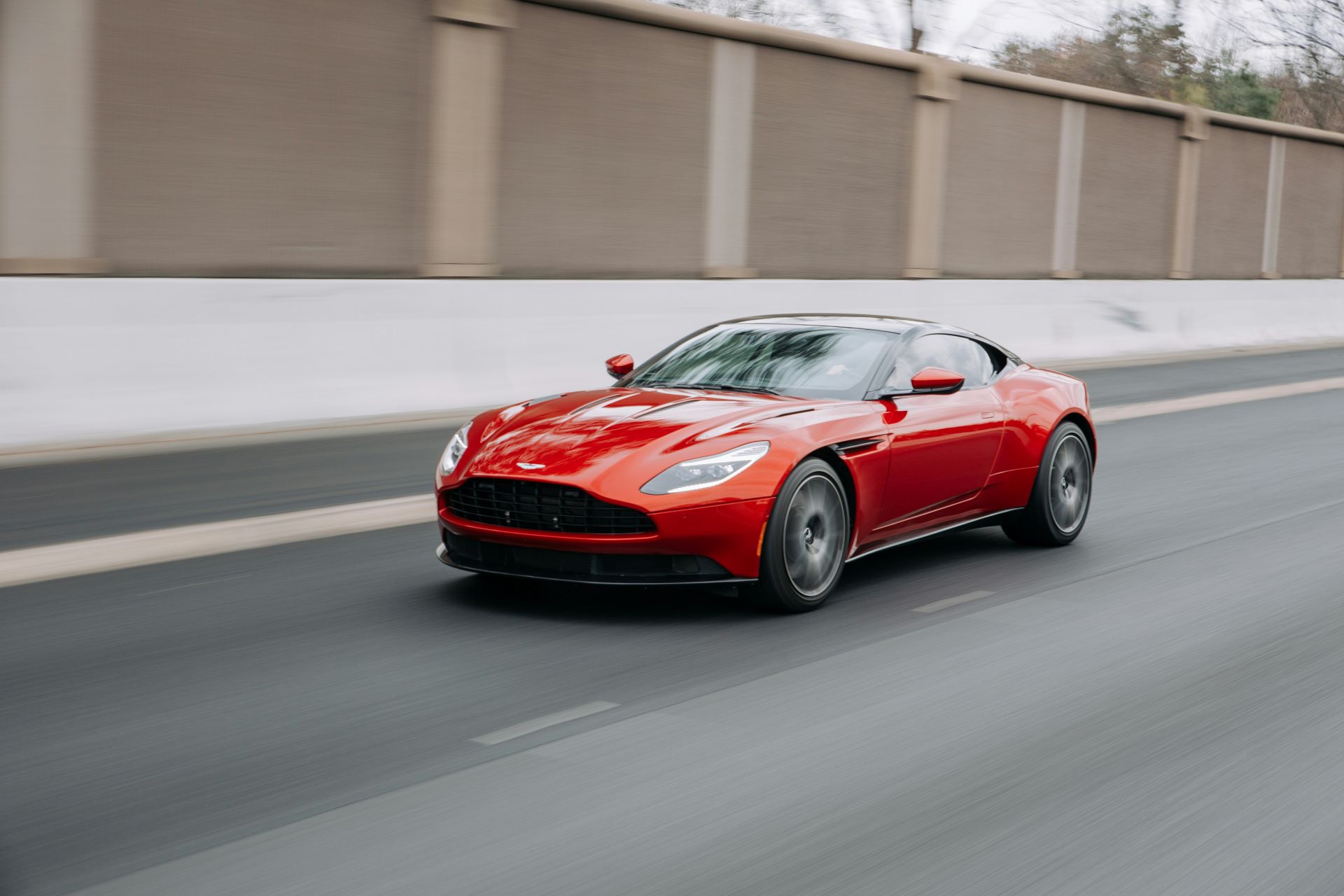
The rise of minimalist automotive advertising marks a significant shift in the way brands communicate with their audiences. By focusing on simplicity over speed, these ads offer a refreshing alternative to the high-octane, adrenaline-fueled campaigns of the past. As consumers increasingly seek authenticity, sustainability, and thoughtful design, minimalist ads provide a powerful way for brands to connect with their audience on a deeper level.
For automotive enthusiasts, this trend represents an exciting evolution in how we perceive the cars and brands we love. Whether itÔÇÖs the sleek lines of a luxury sedan or the innovative technology of an electric vehicle, minimalist ads remind us that there is beauty and sophistication in simplicity. As this trend continues to grow, it will be interesting to see how brands continue to evolve their advertising strategies to meet the changing needs of the modern consumer.
Breyten Odendaal
Specializing in high-performance automotive advertising and digital marketing solutions, delivering cutting-edge insights and the latest news shaping the automotive industry in South Africa.
More From Advertising

Automotive Digital Ads in South Africa: A Shift
Exploring how South Africa’s automotive advertising evolved from print and broadcast to data-driven, programmatic digital ecosystems.

The Video Shift in Car Buying Decisions in SA
Explore how video content shapes car purchase decisions in South Africa, comparing short-form and long-form strategies for automotive marketers.
Why Automotive Ads Must Think Like E-Commerce
Automotive ads in South Africa need e-commerce style conversion thinking to boost leads, optimise funnels, and improve dealership ROI.