
Revolutionizing Automotive Marketing: How 3D and Interactive Ads Drive Car Sales
In the competitive landscape of automotive sales, standing out requires more than traditional advertising. The integration of 3D and interactive ads has emerged as a game-changer, offering car manufacturers and dealerships innovative ways to engage potential buyers. These advanced advertising techniques not only capture attention but also provide immersive experiences that can significantly influence purchasing decisions. By leveraging technology, the automotive industry is transforming how consumers interact with brands, making the car-buying process more interactive, personalized, and engaging.
Enhancing Consumer Engagement with 3D Visualizations
Immersive Product Experiences
Imagine stepping into a virtual showroom where every curve and detail of a new car model is rendered in stunning 3D. This immersive product experience allows consumers to explore vehicles from every angle, providing a level of detail that traditional photos or videos simply cannot match. The tactile sensation of virtually touching the carÔÇÖs surface, opening doors, and even sitting inside creates a deeper connection between the consumer and the product. This heightened engagement not only captures attention but also fosters a stronger emotional bond, making the vehicle more memorable and desirable.
3D visualizations can showcase a car's features in a dynamic and interactive manner. For instance, users can customize colors, wheels, and interiors in real-time, seeing instant visual feedback on their choices. This interactive customization process empowers consumers to visualize their ideal vehicle, enhancing their investment in the decision-making process. As a result, the likelihood of converting interest into actual sales increases, as customers feel more confident and excited about their personalized options.
Real-Time Customization Features
Customization is a key factor in modern car sales, and 3D ads take this to the next level by enabling real-time adjustments. Potential buyers can experiment with various configurations, such as different engine types, trim levels, and accessory packages, all within a 3D interactive platform. This hands-on approach allows customers to tailor the vehicle to their specific preferences and needs, providing a sense of ownership even before making a purchase.
Additionally, real-time customization features can integrate pricing updates, helping consumers understand the financial implications of their choices instantly. This transparency builds trust and simplifies the decision-making process, as buyers can see exactly how each modification affects the overall cost. By offering a seamless and interactive customization experience, 3D ads not only enhance user engagement but also streamline the path to purchase, making it easier for consumers to commit to their desired vehicle.
Virtual Showrooms: A New Frontier
Virtual showrooms represent a significant advancement in how car brands present their vehicles to the market. These digital spaces replicate the experience of visiting a physical showroom, allowing users to navigate through different sections, explore various models, and access detailed information without leaving their homes. The convenience and accessibility of virtual showrooms make them an attractive option for tech-savvy consumers who prefer online interactions over traditional in-person visits.
Virtual showrooms can incorporate interactive elements such as live chat support, video demonstrations, and virtual test drives. These features enhance the overall experience by providing immediate assistance and personalized guidance, mimicking the role of a sales representative. By bridging the gap between digital and physical retail environments, virtual showrooms offer a comprehensive and engaging platform that can effectively attract and retain potential buyers, ultimately driving car sales.
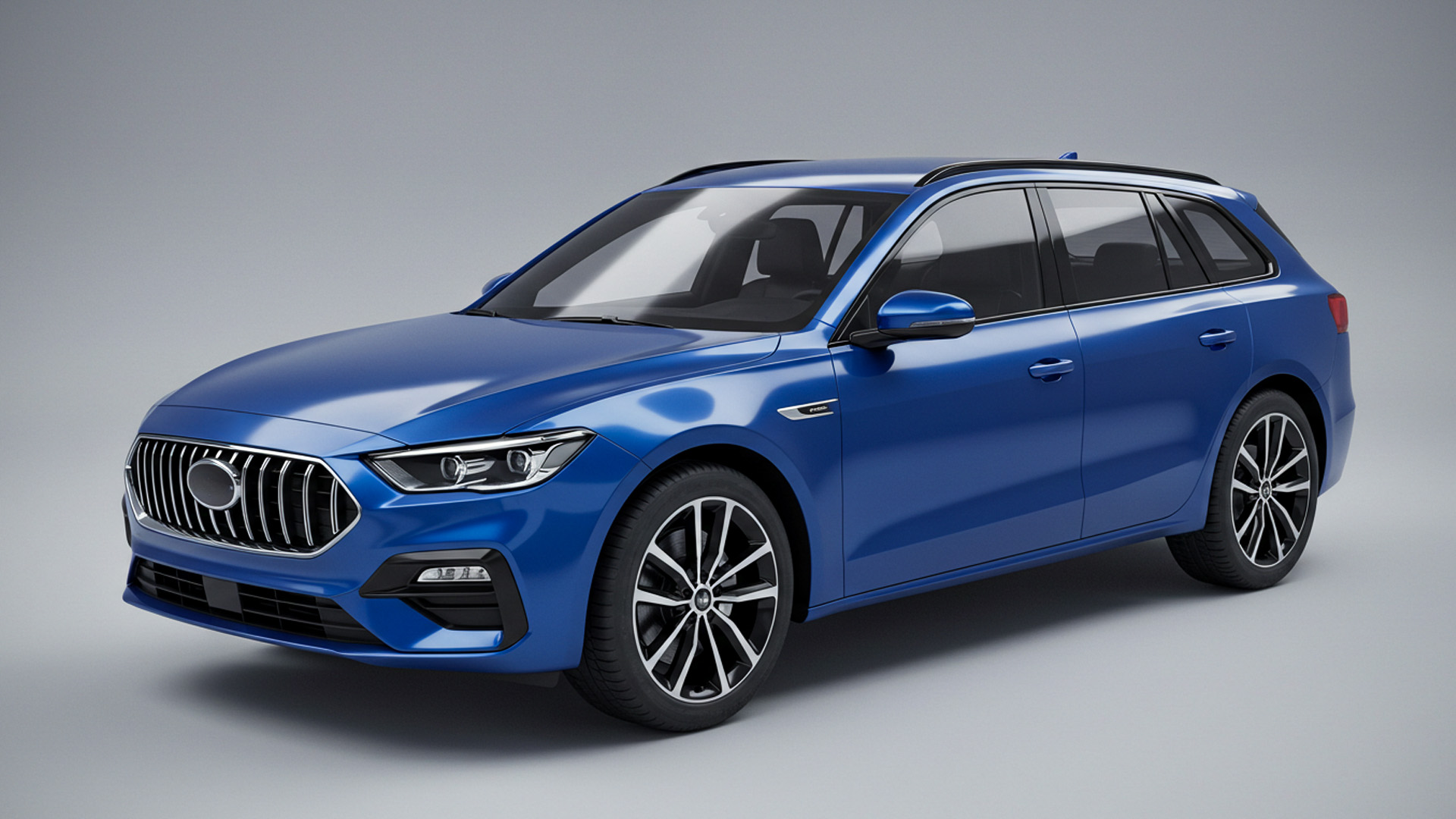
Interactive Advertisements: Bridging the Gap Between Digital and Physical
Gamification in Automotive Ads
Gamification introduces game-like elements into advertising, transforming passive viewers into active participants. In the context of automotive ads, this can involve interactive quizzes, challenges, or virtual races that engage users while subtly highlighting the features of a vehicle. For example, a car company might create a virtual obstacle course where users can test the performance of different models, making the advertising experience both entertaining and informative.
This interactive approach not only captures attention but also encourages deeper engagement with the brand. By making the ad experience fun and rewarding, gamification can enhance brand recall and create positive associations with the vehicle. Additionally, it provides valuable insights into consumer preferences and behaviors, allowing marketers to tailor future campaigns more effectively. Ultimately, gamification in automotive ads bridges the gap between digital content and real-world product experiences, fostering a stronger connection between the consumer and the brand.
Augmented Reality Test Drives
Augmented Reality (AR) is revolutionizing the way consumers experience car test drives. With AR, potential buyers can visualize a vehicle in their own environment, such as their driveway or a local parking lot, using their smartphones or AR glasses. This technology allows users to see how a car fits in their space, explore its exterior and interior features, and even simulate driving it through various terrains.
AR test drives offer a convenient and risk-free alternative to traditional test drives, making it easier for consumers to evaluate multiple models without the need for physical visits to dealerships. This accessibility can lead to increased interest and faster decision-making, as buyers can compare different vehicles side by side in a virtual setting. AR experiences can be easily shared on social media, amplifying the reach of the advertisement and attracting a broader audience. By integrating AR into their marketing strategies, car manufacturers can provide a more engaging and personalized test drive experience that drives sales and enhances customer satisfaction.
Personalized User Interactions
Personalization is a critical component of effective advertising, and interactive ads excel in delivering tailored experiences to individual users. By leveraging data analytics and user behavior tracking, car ads can dynamically adjust content to match the specific interests and preferences of each viewer. For instance, an interactive ad might showcase features that align with a user's past browsing history or highlight models that fit their budget and lifestyle.
This level of personalization not only makes the advertising content more relevant and engaging but also increases the likelihood of conversion. When consumers feel that an ad is specifically designed for them, they are more likely to respond positively and take the desired action, such as scheduling a test drive or requesting more information. Personalized user interactions create a sense of exclusivity and attentiveness, reinforcing the brand's commitment to meeting the unique needs of each customer. As a result, interactive ads can effectively nurture leads and drive higher sales by delivering a customized and meaningful advertising experience.
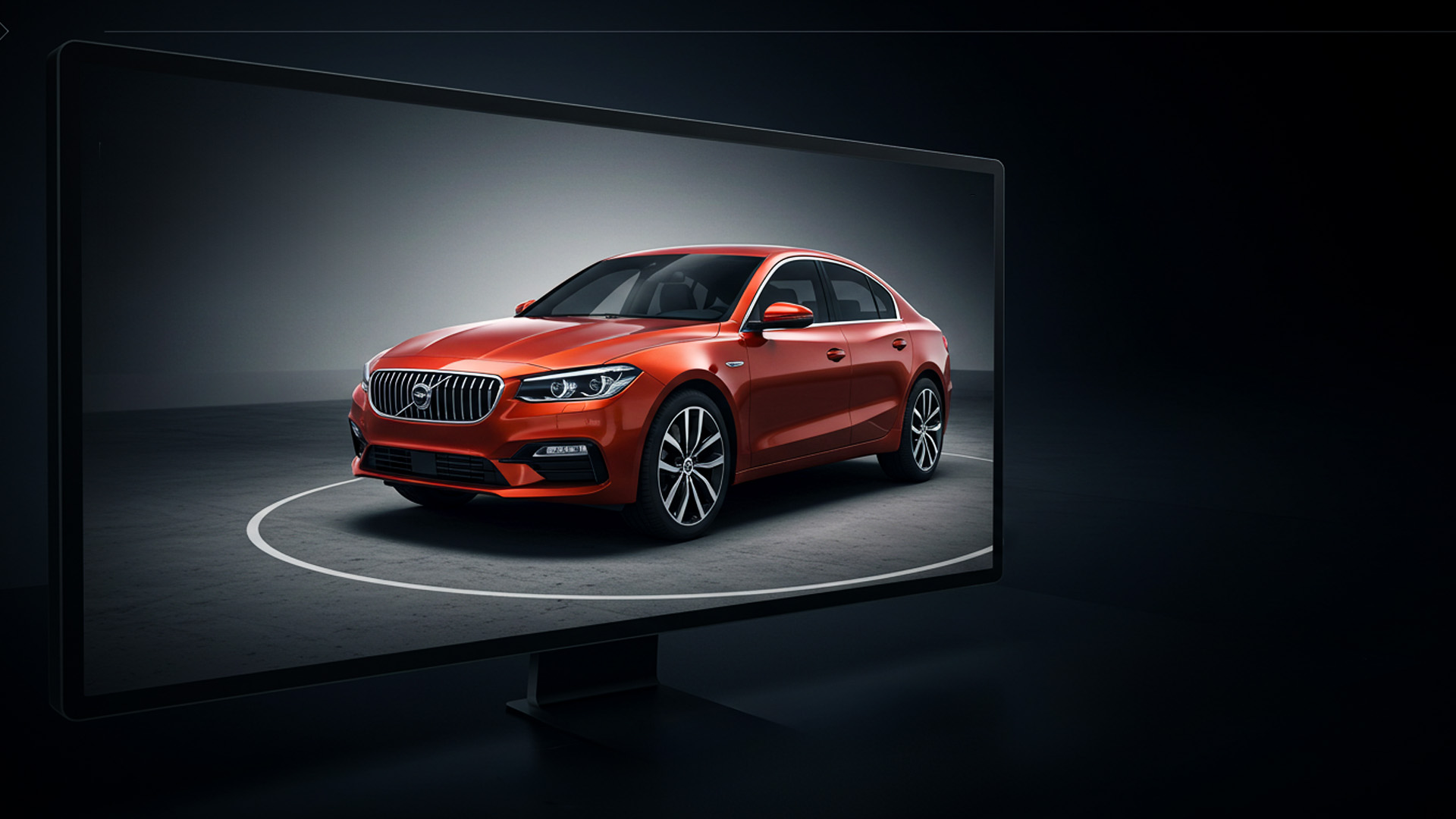
Data-Driven Strategies in 3D and Interactive Advertising
Leveraging Analytics for Targeted Campaigns
Data analytics plays a pivotal role in the success of 3D and interactive advertising campaigns. By collecting and analyzing data on user interactions, preferences, and behaviors, car marketers can gain valuable insights into what resonates with their target audience. This information can then be used to refine and optimize advertising strategies, ensuring that campaigns are highly targeted and effective.
For example, analytics can reveal which features of a vehicle are most appealing to different segments of the market, allowing marketers to highlight these aspects in their ads. Additionally, data on user engagement can help identify the most effective ad formats and channels, enabling brands to allocate their resources more efficiently. By leveraging analytics, car manufacturers can create more precise and impactful advertising campaigns that not only attract attention but also drive meaningful engagement and sales.
Behavioral Insights and Ad Personalization
Understanding consumer behavior is essential for creating personalized and effective advertising experiences. Behavioral insights derived from user interactions with 3D and interactive ads can inform the development of highly customized content that aligns with individual preferences and needs. For instance, if data shows that a particular user spends more time exploring a vehicleÔÇÖs safety features, the ad can dynamically adjust to provide more detailed information on those aspects.
This level of personalization enhances the user experience by making the content more relevant and engaging, increasing the likelihood of conversion. Additionally, behavioral insights can help identify patterns and trends that inform broader marketing strategies, such as which features to emphasize in future campaigns or how to segment the audience more effectively. By integrating behavioral data into their advertising efforts, car marketers can create more targeted and compelling ads that resonate with consumers on a deeper level, ultimately driving higher sales and customer satisfaction.
Optimizing Ad Performance Through A/B Testing
A/B testing is a powerful technique for optimizing the performance of 3D and interactive ads. By creating multiple versions of an ad with slight variations, marketers can test different elements such as visuals, messaging, and calls to action to determine which combination yields the best results. This data-driven approach allows for continuous improvement and ensures that advertising efforts are as effective as possible.
For example, a car brand might test two different 3D ad layouts to see which one generates more engagement or leads. The results of the A/B test can provide insights into user preferences and behaviors, guiding future ad design and content decisions. Additionally, A/B testing can help identify the most effective channels and formats for reaching the target audience, enabling brands to optimize their advertising spend and maximize return on investment. By systematically testing and refining their ads, car marketers can enhance the overall effectiveness of their campaigns and achieve better sales outcomes.

The Technological Backbone: Tools and Platforms
Leading 3D Ad Creation Software
Creating high-quality 3D ads requires specialized software that can deliver detailed and realistic visualizations. Leading 3D ad creation tools such as Autodesk Maya, Blender, and Unity offer robust features for designing and animating automotive models with precision and creativity. These platforms enable marketers to produce visually stunning ads that accurately represent the look and feel of each vehicle, capturing the attention of potential buyers through their lifelike details and dynamic presentations.
These software solutions often come with built-in libraries and assets that streamline the ad creation process, allowing for faster turnaround times and greater flexibility in design. The ability to render different environments and lighting conditions also enhances the realism of 3D ads, making the vehicles appear more appealing and desirable. By utilizing advanced 3D ad creation software, car marketers can produce high-impact advertisements that effectively showcase their products and differentiate their brand in a crowded market.
Interactive Ad Platforms for Automotive Brands
Interactive ad platforms are essential for delivering engaging and responsive advertising experiences. Platforms such as Ceros, Shakr, and H5P provide the tools needed to create interactive content that can be seamlessly integrated into various digital channels. These platforms support a range of interactive elements, including clickable hotspots, embedded videos, and dynamic content updates, allowing car brands to craft ads that actively involve users in the exploration of their vehicles.
Additionally, these platforms often offer analytics and reporting features that track user interactions and engagement levels, providing valuable insights into the performance of interactive ads. This data can inform future advertising strategies and help optimize content for maximum impact. By leveraging interactive ad platforms, automotive brands can create immersive and responsive advertisements that not only capture attention but also drive deeper engagement and higher conversion rates.
Integrating 3D and Interactive Ads with Existing Marketing Channels
To maximize the effectiveness of 3D and interactive ads, it is crucial to integrate them seamlessly with existing marketing channels. This holistic approach ensures a consistent brand message and enhances the overall customer experience across all touchpoints. For example, 3D ads created for social media platforms can be linked to the brandÔÇÖs website or virtual showroom, providing a cohesive journey from ad engagement to product exploration.
Integrating interactive ads with email marketing, search engine marketing, and content marketing strategies can amplify their reach and impact. By coordinating campaigns across multiple channels, car marketers can reinforce their messaging and increase the likelihood of reaching potential buyers at various stages of the decision-making process. Additionally, cross-channel integration allows for more comprehensive tracking and measurement of ad performance, enabling brands to refine their strategies based on a complete view of user interactions and behaviors. By embedding 3D and interactive ads into their broader marketing ecosystem, automotive brands can enhance engagement, drive traffic, and ultimately boost car sales.
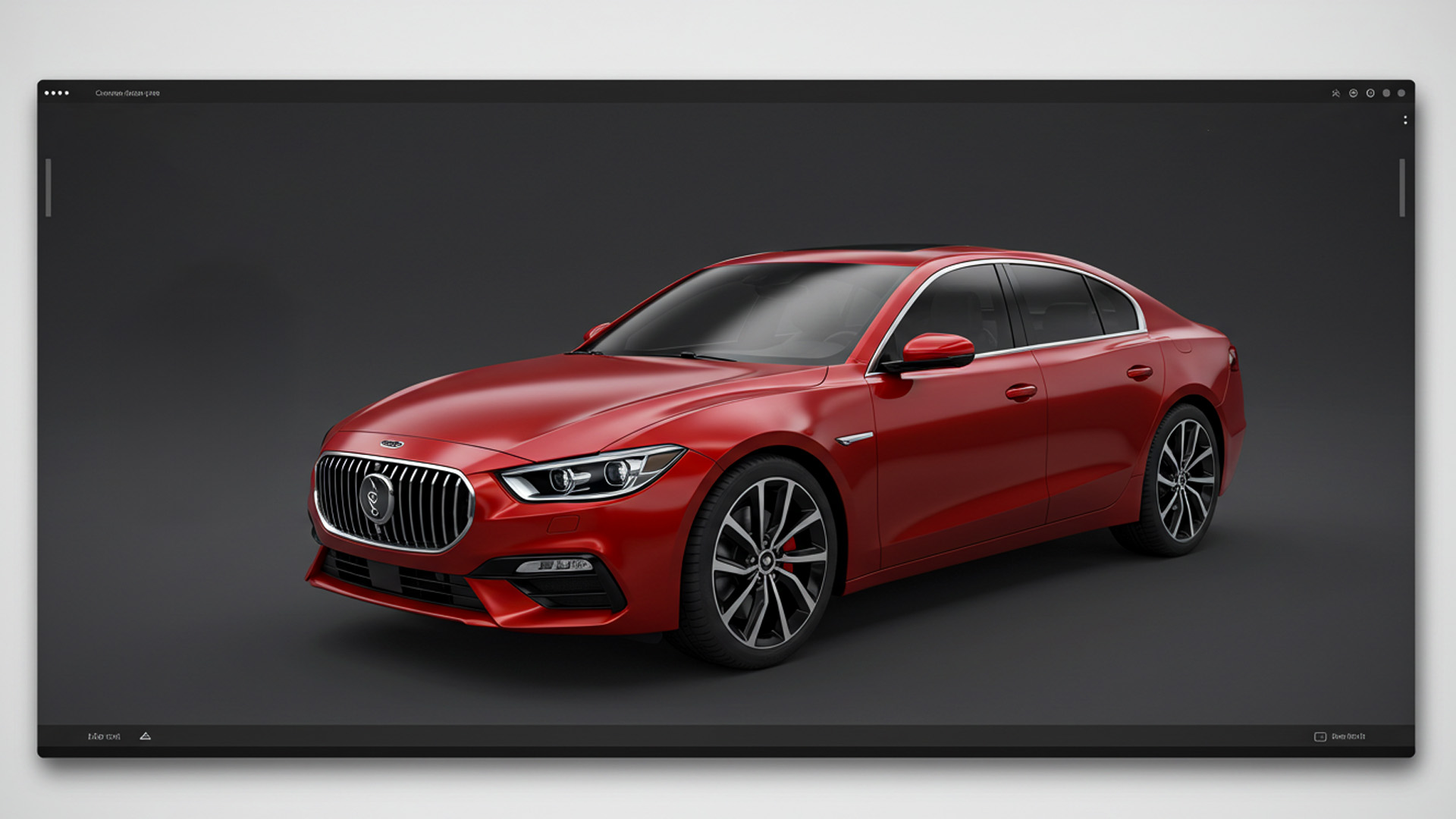
Future Trends: The Evolution of 3D and Interactive Advertising in Car Sales
AI and Machine Learning Enhancements
Artificial Intelligence (AI) and Machine Learning (ML) are set to revolutionize 3D and interactive advertising in the automotive sector. These technologies can analyze vast amounts of data to predict consumer behavior, personalize ad content, and optimize ad placements in real-time. For instance, AI algorithms can identify patterns in user interactions with 3D ads, enabling the creation of more targeted and effective advertisements that resonate with individual preferences.
Machine learning can enhance the interactivity of ads by enabling more sophisticated user interactions, such as voice commands or gesture controls. This allows for a more intuitive and seamless user experience, making the ad content more engaging and accessible. As AI and ML continue to advance, their integration into 3D and interactive advertising will lead to more intelligent and responsive ad campaigns, further driving engagement and sales in the automotive industry.
Virtual Reality Showrooms
Virtual Reality (VR) showrooms represent the next frontier in automotive advertising, offering fully immersive experiences that simulate the feel of a physical dealership. With VR, potential buyers can explore and interact with vehicles in a virtual environment, experiencing features such as interior layouts, engine performance, and driving dynamics in a highly realistic setting. This technology bridges the gap between digital and physical interactions, providing a comprehensive and engaging platform for car exploration.
VR showrooms also offer the advantage of accessibility, allowing consumers to visit the showroom from anywhere in the world without the constraints of time or location. This opens up new opportunities for car brands to reach a global audience and cater to the needs of tech-savvy consumers who prefer virtual interactions. Additionally, VR showrooms can incorporate interactive elements such as virtual consultations with sales representatives and real-time customization options, further enhancing the user experience and driving sales through immersive and personalized engagements.
The Role of 5G in Interactive Ad Experiences
The advent of 5G technology is poised to significantly enhance the capabilities of 3D and interactive ads in the automotive industry. With its high-speed connectivity and low latency, 5G enables more complex and data-intensive ad experiences, such as real-time rendering of 3D models, seamless video streaming, and instant interactivity. This means that users can engage with interactive ads without experiencing delays or disruptions, resulting in a smoother and more engaging experience.
5G facilitates the integration of advanced technologies like AR and VR into advertising, allowing for more immersive and responsive interactions. For example, users can engage in real-time virtual test drives or explore vehicle features in augmented reality without the need for cumbersome hardware. The enhanced connectivity provided by 5G also supports the seamless integration of interactive ads across multiple devices and platforms, ensuring a consistent and high-quality user experience. As 5G becomes more widespread, its impact on 3D and interactive advertising will be profound, enabling car brands to deliver more dynamic, engaging, and effective ad campaigns that drive sales and enhance customer satisfaction.
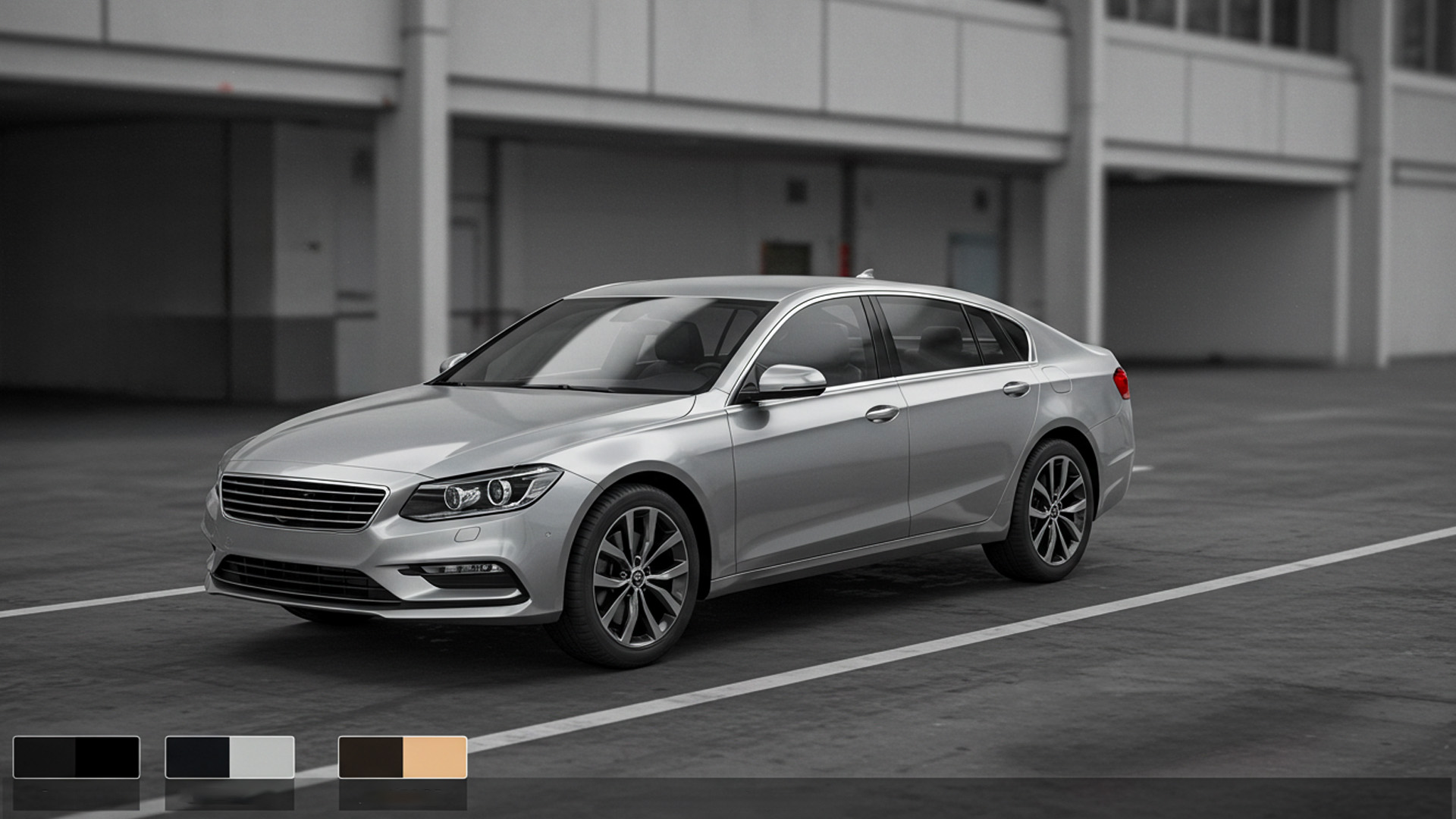
The Evolution Of 3d And Interactive Advertising In Car Sales
Breyten Odendaal
Specializing in high-performance automotive advertising and digital marketing solutions, delivering cutting-edge insights and the latest news shaping the automotive industry in South Africa.
More From Advertising

Automotive Advertising in 2026: Selling Confidence in a More Competitive Market
As South Africa’s vehicle market becomes more competitive, automotive advertising needs to do more than announce a price or specification. It needs to help buyers understand value, ownership costs and why a vehicle suits their lives.

Automotive Digital Ads in South Africa: A Shift
Exploring how South Africa’s automotive advertising evolved from print and broadcast to data-driven, programmatic digital ecosystems.

The Video Shift in Car Buying Decisions in SA
Explore how video content shapes car purchase decisions in South Africa, comparing short-form and long-form strategies for automotive marketers.