
Driving Engagement in the Digital Era
The automotive industry has always been about more than transportation. From the roaring engines of classic muscle cars to the silent sophistication of electric vehicles, car ownership carries with it an emotional narrativeÔÇöa story of status, freedom, and identity. Yet in todayÔÇÖs hyper-digital age, the way consumers engage with vehicles has shifted dramatically. Traditional marketing methodsÔÇöglossy brochures, static showroom displays, and standard test drivesÔÇöare no longer sufficient to captivate audiences who are accustomed to dynamic, interactive experiences.
Enter gamification: the strategic application of game design principles in non-game contexts, where consumers are motivated to engage, compete, and reward themselves in ways that create meaningful connections with brands. In automotive marketing, gamification represents a frontier where digital play meets purchasing decisions, transforming car sales from transactional exchanges into immersive experiences.
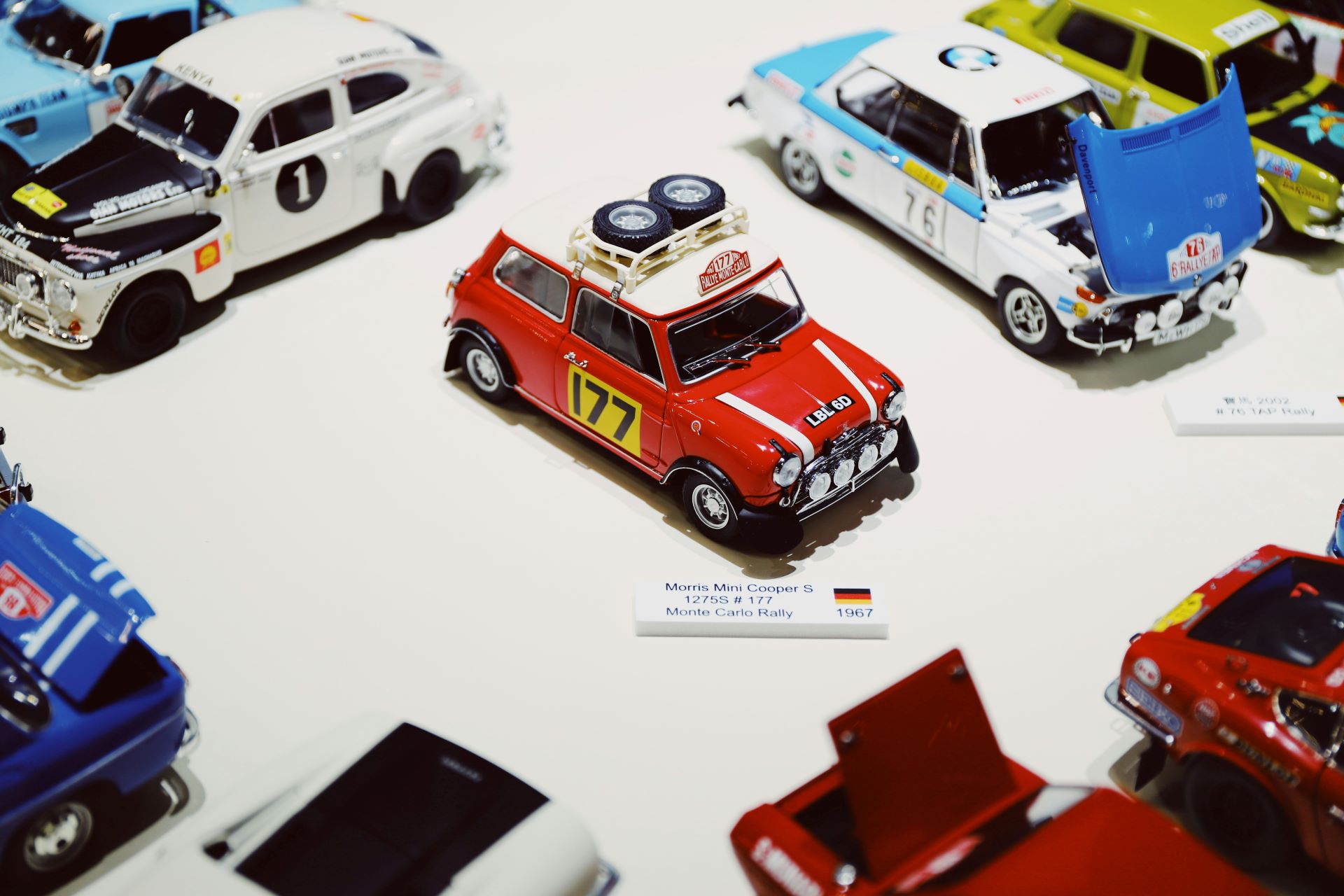
The Psychology of Play in Automotive Marketing
Gamification thrives on fundamental human psychology. At its core, it leverages the drive for achievement, competition, social recognition, and instant feedback. Car buyers, historically influenced by aspiration and lifestyle, are increasingly responsive to experiences that reward exploration and engagement.
Imagine a potential buyer navigating a virtual showroom, customizing every element of their dream car, earning badges for exploring advanced safety features, or competing in a virtual challenge to test vehicle handling. These interactions create micro-moments of satisfaction, subtly reinforcing brand loyalty and desire. Every click, every choice, and every digital reward becomes a point of connection between the consumer and the carmaker.
This shift is not just about noveltyÔÇöitÔÇÖs rooted in measurable marketing outcomes. Gamified experiences encourage deeper interaction with product features, extend time spent on brand platforms, and increase the likelihood of conversion. The digital play environment becomes both an educational tool and an emotional bridge, turning potential buyers into engaged brand advocates.
Interactive Configurators: The First Level of Engagement
One of the most potent applications of gamification in automotive marketing is the vehicle configurator. Traditionally, these tools allowed buyers to visualize color options and trims, but todayÔÇÖs configurators are more sophisticated, often incorporating augmented reality, 3D modeling, and AI-driven recommendations.
Gamification enhances these configurators by introducing challenges, rewards, and social elements. For example, a configurator might present a series of ÔÇ£missionsÔÇØ where users optimize performance features, design aesthetics, or eco-efficiency, awarding points or virtual badges for completing each task. These systems create a sense of accomplishment and encourage repeat engagement.
Furthermore, integrating social sharing capabilities allows users to showcase their custom builds, sparking organic peer-to-peer marketing. A digitally configured car shared on social media not only amplifies brand reach but also establishes a sense of community around shared automotive passion. In this way, the configurator becomes more than a toolÔÇöit evolves into a gamified ecosystem that rewards creativity, exploration, and social interaction.
Virtual Rewards: Beyond Discounts
While traditional marketing often relies on tangible incentives such as cash rebates or free accessories, gamification introduces a nuanced layer of reward psychology. Virtual rewardsÔÇöpoints, badges, leaderboards, and exclusive contentÔÇöoffer recognition and status within a digital ecosystem, which can be as compelling as monetary incentives.
Brands like Nissan and BMW have experimented with virtual loyalty programs, rewarding users for engaging with online configurators, completing virtual test drives, or participating in brand-related challenges. These rewards often unlock exclusive experiences, early access to new models, or invitations to branded events, creating a premium sense of belonging.
The beauty of virtual rewards lies in their ability to scale and personalize. Gamified systems can track individual preferences, engagement patterns, and achievements, tailoring rewards that resonate with each consumer. A high-performance enthusiast might unlock an exclusive digital badge for mastering virtual handling challenges, while an environmentally conscious buyer could earn recognition for exploring EV technology in-depth. By aligning rewards with user identity, automotive brands deepen emotional investment and foster long-term loyalty.
Contests and Challenges: Competitive Engagement as Marketing
Gamification thrives on the human instinct to compete. Contests and challenges transform passive browsing into active participation, giving consumers a reason to engage repeatedly with a brand. In automotive marketing, these challenges often take the form of virtual driving simulations, scavenger hunts within digital showrooms, or social media competitions centered around vehicle knowledge and creativity.
Consider a virtual rally challenge hosted by a sports car manufacturer. Participants navigate a digital course that mirrors the handling characteristics of a particular model, collecting points for precision, speed, or innovation. Winners receive tangible rewards, such as exclusive event invitations, branded merchandise, or early access to limited-edition vehicles. But the real power lies in the process: by actively engaging with the vehicle in a virtual environment, consumers gain a deep, memorable understanding of its features, strengths, and personality.
Challenges also foster a sense of accomplishment and progress. When consumers complete milestonesÔÇöwhether optimizing a carÔÇÖs performance setup in a configurator or correctly identifying innovative technology featuresÔÇöthey receive immediate feedback in the form of points, badges, or leaderboard rankings. This constant reinforcement encourages repeated interaction, turning sporadic website visits into an ongoing relationship.
Moreover, these contests often extend beyond individual experiences into the social realm. By allowing participants to share achievements, compete with friends, or form teams, brands tap into community-driven motivation. Social recognition amplifies engagement, creating a ripple effect that can significantly expand reach and brand visibility.
Augmented Reality and Immersive Showrooms
The concept of a showroom has evolved far beyond polished floors and static displays. Augmented reality (AR) and immersive digital environments are redefining how consumers explore vehicles, offering experiences that blend the tactile with the virtual. Gamification integrates seamlessly with these technologies, enhancing both education and excitement.
With AR-enabled apps, consumers can project life-size models of cars into their own environment, explore interiors down to the finest detail, and interact with features in real-time. Gamification adds layers of engagement, such as interactive challenges to ÔÇ£discover hidden featuresÔÇØ or score points for correctly identifying vehicle specifications. These small, playful interactions create memorable experiences that transcend traditional product demonstrations.
Immersive showrooms also allow brands to personalize the journey for each user. By analyzing engagement patterns, brands can dynamically adjust challenges and rewards, guiding consumers toward features and models that match their preferences. A prospective buyer interested in advanced driver-assistance systems might unlock bonus points for exploring safety functionalities, while an enthusiast focused on performance could be rewarded for mastering virtual handling tests.
The fusion of AR and gamification extends beyond individual interaction. Collaborative or competitive experiences can be designed, where multiple participants explore, race, or problem-solve together in a shared virtual environment. These social elements replicate the communal excitement of motorsport events or brand clubs, further strengthening emotional connections.
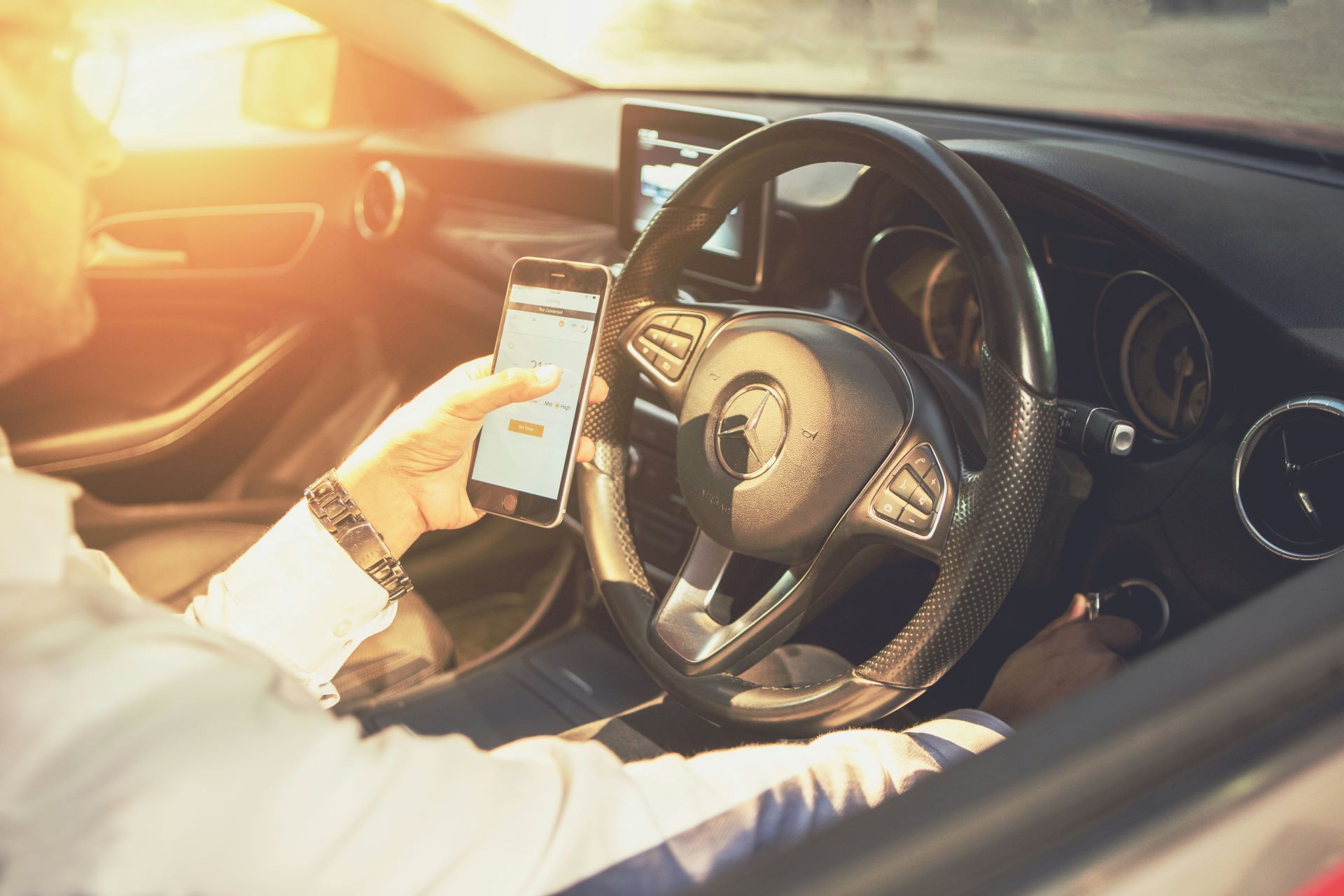
Social Gamification: Building Brand Communities
Automotive gamification does not exist in isolationÔÇöit thrives in social contexts. Digital play transforms individual engagement into communal participation, fostering vibrant brand ecosystems. Social gamification leverages the inherent desire for recognition, status, and shared identity, enabling brands to create networks of loyal, enthusiastic advocates.
Platforms can reward users for sharing their virtual configurations, posting competition results, or participating in community-driven challenges. Leaderboards, badges, and achievement milestones showcase top contributors, creating aspirational pathways for others. Over time, these interactions build a sense of belonging, where enthusiasts recognize each otherÔÇÖs expertise and passion.
Communities also serve as invaluable sources of peer-to-peer influence. Positive social proofÔÇöfriends sharing virtual victories, exclusive previews, or insights into brand experiencesÔÇöcan have a more persuasive impact than traditional advertising. Gamified platforms facilitate these interactions in a structured way, ensuring that every participant feels both challenged and celebrated.
Crucially, social gamification allows brands to tap into niche segments of car culture. Enthusiasts focused on sustainability, for instance, can engage in eco-focused challenges, while performance-oriented communities can compete in driving simulations or tuning exercises. By segmenting experiences according to interests, brands deliver highly relevant engagement, deepening both loyalty and advocacy.
Data-Driven Insights: Tracking Engagement and Optimizing Strategy
Gamification is more than a creative marketing tactic; it is a data-rich strategy that provides actionable insights into consumer behavior. Every interaction within a gamified platformÔÇöfrom the colors chosen in a configurator to the time spent in a virtual test driveÔÇöcan be tracked, analyzed, and leveraged to refine marketing strategies.
Automotive marketers can segment users based on engagement patterns, identifying high-potential buyers and tailoring communications to their specific interests. A participant who consistently engages with performance challenges signals a high likelihood of purchasing sports or premium models, while those exploring eco-friendly features may be ideal targets for electric vehicle campaigns.
Data also enables continuous iteration of gamified experiences. Which challenges capture attention? Which virtual rewards motivate repeat engagement? By applying analytics, brands can optimize the balance between play and persuasion, ensuring that gamification remains a driver of both enjoyment and conversion. Importantly, insights gained extend beyond the digital experience. Understanding how consumers interact with features virtually informs product development, dealership training, and offline marketing campaigns, creating a seamless omnichannel strategy.
Case Studies: Brands Leading the Gamification Revolution
Several automotive brands have pioneered gamification, transforming the way consumers interact with cars. BMW, for example, has leveraged virtual reality and interactive configurators to allow users to explore vehicles in unprecedented detail. Its ÔÇ£DriveNow VRÔÇØ experience gamifies exploration, rewarding users for learning about technology features and sharing configurations online.
Similarly, Nissan has employed driving simulators and online competitions to showcase electric vehicles, integrating leaderboards, virtual rewards, and social sharing to cultivate a community of engaged enthusiasts. Winners of virtual challenges gain access to exclusive events or first opportunities to test new models, translating digital achievements into tangible brand experiences.
TeslaÔÇÖs approach also embodies elements of gamification, particularly through software features that reward drivers for efficiency or skillful driving. While not strictly marketing-focused, these in-car gamified experiences reinforce brand identity and loyalty, demonstrating the power of digital play in fostering emotional connections beyond the showroom.
These examples illustrate that gamification is not a gimmick but a strategic approach that bridges marketing, product engagement, and customer experience. Brands that integrate interactive challenges, rewards, and social dynamics create ecosystems where consumers are both educated and emotionally invested.
Challenges and Ethical Considerations in Gamified Automotive Marketing
While gamification offers immense opportunities, it also presents unique challenges and ethical considerations. The balance between engagement and manipulation is delicate. Overly competitive or psychologically intensive gamified systems risk alienating consumers or fostering frustration rather than enjoyment.
Privacy and data security are particularly critical. Gamified platforms often collect detailed personal data, including behavioral patterns and preferences. Brands must ensure transparency, secure handling of information, and compliance with data protection regulations to maintain trust. Mismanagement can damage brand reputation far more than poorly designed gamified experiences.
Additionally, accessibility must be considered. Gamified experiences should cater to diverse audiences, including those with varying digital literacy or physical abilities. Inclusivity ensures that gamification reinforces engagement without excluding potential buyers.
Finally, marketers should avoid over-reliance on gamification as a substitute for genuine product quality or customer service. Playful engagement can enhance perception, but ultimately, the vehicle itself and the overall ownership experience remain the cornerstone of lasting loyalty.
Future Outlook: The Road Ahead for Digital Play in Car Sales
Looking forward, gamification in automotive marketing will continue to evolve in sophistication and scope. Emerging technologies such as mixed reality, AI-driven personalization, and blockchain-based rewards systems will create richer, more immersive experiences.
Imagine a future where buyers navigate virtual cities in realistic simulations, test-driving vehicles across digital terrain that mirrors real-world conditions, competing with peers globally, and earning blockchain-based tokens redeemable for exclusive events or upgrades. These scenarios transform the car-buying journey into a fully interactive, socially connected adventure.
Moreover, as autonomous vehicles and mobility-as-a-service models gain traction, gamified experiences will play a crucial role in helping consumers understand new modes of transportation. Digital play can educate, entertain, and guide users in adopting innovative mobility solutions, ensuring that brand engagement remains relevant even as ownership models shift.

From Interaction to Conversion
The gamification of car sales represents a paradigm shift in automotive marketing, where digital play becomes a bridge between engagement and conversion. By integrating interactive configurators, contests, virtual rewards, and social ecosystems, brands create experiences that are educational, entertaining, and emotionally resonant.
Gamified platforms not only attract attention but also deepen understanding of product features, foster community, and generate actionable insights. They transform consumers from passive observers into active participants, making every interaction meaningful and memorable.
In an era where attention is fragmented and consumer expectations are high, gamification offers a powerful tool to differentiate brands, inspire loyalty, and accelerate sales. The road ahead will be defined by creativity, data-driven strategy, and the seamless blending of entertainment and marketing. For automotive brands, embracing gamification is no longer optionalÔÇöit is an essential step in creating dynamic, engaging, and enduring relationships with the drivers of tomorrow.
Breyten Odendaal
Specializing in high-performance automotive advertising and digital marketing solutions, delivering cutting-edge insights and the latest news shaping the automotive industry in South Africa.
More From Advertising

Automotive Advertising in 2026: Selling Confidence in a More Competitive Market
As South Africa’s vehicle market becomes more competitive, automotive advertising needs to do more than announce a price or specification. It needs to help buyers understand value, ownership costs and why a vehicle suits their lives.

Automotive Digital Ads in South Africa: A Shift
Exploring how South Africa’s automotive advertising evolved from print and broadcast to data-driven, programmatic digital ecosystems.

The Video Shift in Car Buying Decisions in SA
Explore how video content shapes car purchase decisions in South Africa, comparing short-form and long-form strategies for automotive marketers.