
The automotive industry has always been intertwined with innovation. From the assembly line to electric propulsion, car manufacturers have consistently pushed technological boundaries. Yet, when it comes to dealershipsÔÇöthe crucial bridge between brands and buyersÔÇöthe pace of evolution has historically been slower. Traditional dealerships, with their polished floors and rows of cars, are facing a profound transformation in the digital age.
Increasingly, consumers expect seamless online experiences alongside the tactile engagement of visiting a showroom. This fusion of physical and digital interaction is reshaping how cars are marketed, sold, and experienced. In this article, we explore how dealerships are embracing hybrid strategies, leveraging online tools, virtual reality, and personalized service to remain relevant in a competitive market.
The Changing Consumer Mindset
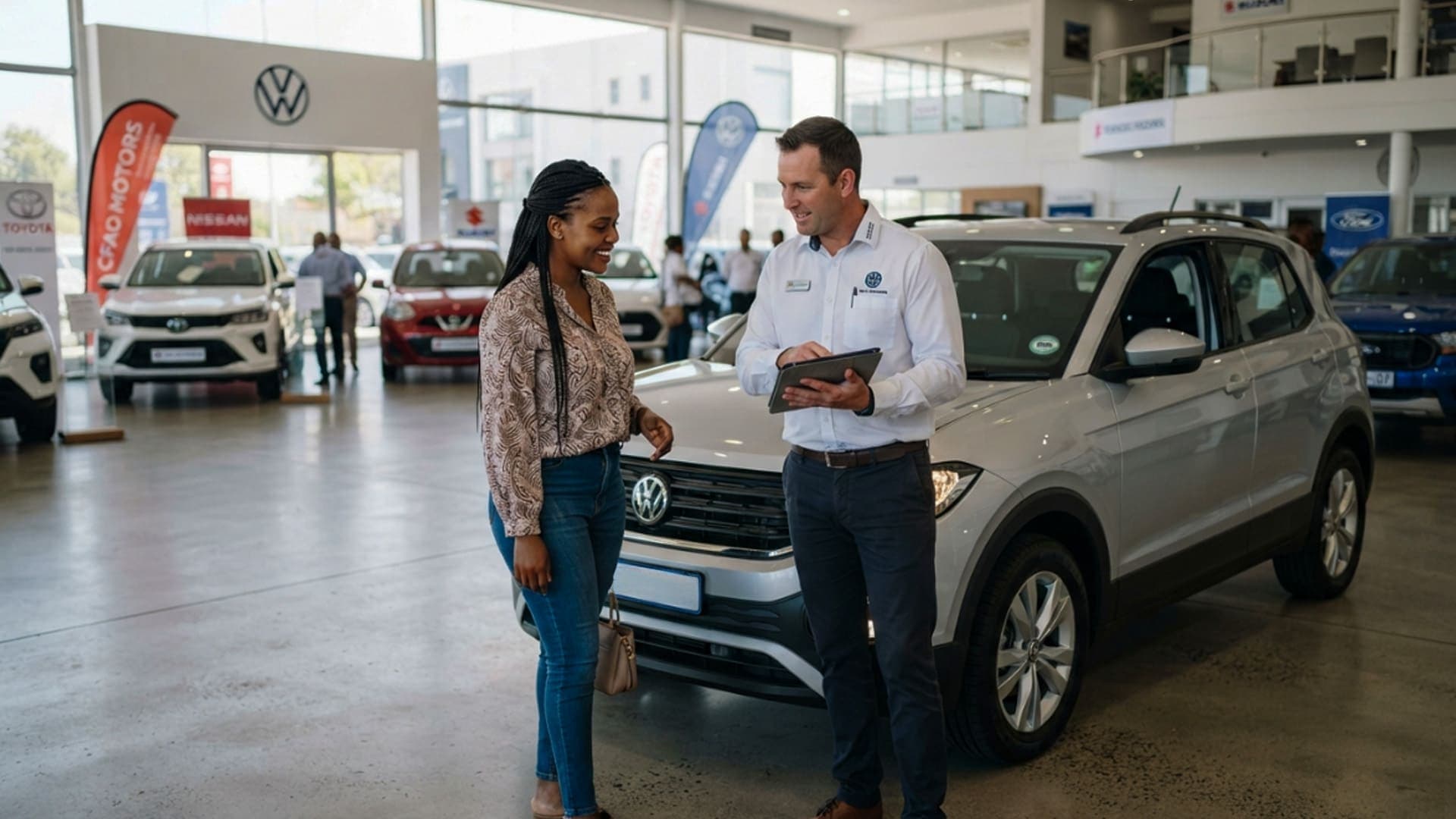
Automotive buyers in 2026 are no longer passive participants in the sales process. The rise of online research, comparison tools, and review platforms means that customers often arrive at dealerships well-informed. They have already browsed models, read specifications, and even explored financing options before speaking to a sales representative.
This shift is forcing dealerships to rethink their value proposition. The traditional model, where the showroom experience is the centerpiece of car buying, is no longer enough. Customers now demand speed, convenience, and transparency. Dealerships that fail to provide these digitally enhanced experiences risk losing relevance.
Integrating Online Tools
The first step toward a hybrid dealership strategy involves integrating robust online tools into the sales process. Inventory management systems, virtual configurators, and instant quote generators are no longer optionalÔÇöthey are essential.
By allowing customers to explore vehicles online, configure options, and calculate payments before setting foot in a showroom, dealerships meet modern expectations. Beyond convenience, these tools provide sales teams with crucial data on customer preferences, enabling more targeted and effective interactions.
Imagine a prospective buyer exploring a luxury SUV online. They configure the trim, colour, and packages in minutes, then schedule a test drive at a time that suits them. By the time they visit the dealership, the sales associate already has a detailed understanding of the customerÔÇÖs preferences, turning a traditionally transactional encounter into a tailored experience.
The Role of Virtual Reality
Virtual reality is emerging as a game-changer for automotive retail. VR showrooms allow customers to explore vehicles in immersive, interactive environments, no matter where they are. From inspecting the interior layout to experiencing driving simulations, VR bridges the gap between online browsing and in-person engagement.
Dealerships can use VR to showcase high-end models, limited editions, or concept vehicles that may not be physically available in-store. It also offers the advantage of scalability; a single VR setup can provide a luxury experience for multiple customers simultaneously without requiring additional inventory.
Some forward-thinking dealerships are combining VR with augmented reality (AR) tools to overlay customization options in real time. Customers can visualize different paint finishes, wheel designs, and accessory packages on a digital model of the car. This enhances decision-making, reduces buyer hesitation, and creates a sense of excitement that static images cannot replicate.
Personalized Service in a Digital Context
While technology transforms the car-buying process, personalized service remains the cornerstone of successful dealerships. A hybrid model does not eliminate human interactionÔÇöit enhances it. Sales associates can leverage customer data collected online to tailor conversations, offer relevant recommendations, and address concerns proactively.
Personalization extends beyond the sales floor. Digital communications, including follow-up emails, service reminders, and maintenance tips, build long-term relationships. By combining data-driven insights with empathy and expertise, dealerships can create experiences that feel bespoke and genuine.
Hybrid strategies also allow for flexible customer journeys. Some buyers prefer starting online and completing the purchase remotely, while others want a traditional in-person experience enhanced with digital tools. The ability to adapt to diverse preferences differentiates modern dealerships from competitors relying solely on outdated models.
Optimizing the Hybrid Experience
Successfully integrating online and offline elements requires strategic planning. Dealerships must invest in technology infrastructure, staff training, and customer engagement platforms. However, the benefits are clear: higher conversion rates, improved customer satisfaction, and stronger brand loyalty.
Marketing plays a pivotal role in this hybrid model. Targeted campaigns, social media engagement, and interactive content drive awareness and interest. Video demonstrations, VR previews, and online configurators act as digital touchpoints that funnel customers into the sales process. By analyzing engagement metrics, dealerships can refine their strategies, ensuring that digital tools complementÔÇönot replaceÔÇöthe human touch.
Case Studies and Early Successes
Several global brands are already reaping the benefits of hybrid strategies. For instance, premium automotive dealerships have introduced VR lounges where customers experience high-performance vehicles in virtual test drives. Other brands are offering online-first sales processes, allowing buyers to reserve cars digitally, complete financing online, and schedule at-home delivery.
These innovations not only enhance convenience but also drive sales. Early adopters report increased lead generation, faster deal cycles, and higher customer satisfaction scores. For automotive marketing teams, these examples provide valuable insights into crafting campaigns that emphasize technology-enabled experiences without losing the personal connection.
Challenges and Considerations
Adopting a hybrid approach is not without challenges. Technology investments can be significant, and integrating multiple platforms requires careful planning. Staff must be trained to handle both digital interactions and traditional customer service seamlessly. Data privacy and cybersecurity are also critical considerations, as online tools collect sensitive customer information.
Additionally, not all customers will embrace digital experiences at the same pace. Dealerships must balance cutting-edge technology with inclusive, accessible service that accommodates varying levels of comfort with online platforms.
Looking Ahead
The future of automotive dealerships lies in the ability to merge the best aspects of digital and physical experiences. Online configurators, VR showrooms, and data-driven personalization are not mere trendsÔÇöthey are essential tools for remaining competitive.
Dealerships that embrace hybrid strategies position themselves as forward-thinking, customer-centric, and adaptable. By integrating technology thoughtfully, training staff effectively, and maintaining a focus on personalized service, dealerships can create compelling experiences that resonate with the modern consumer.
In a rapidly evolving automotive landscape, those that succeed will be the ones that recognize that the showroom of the future is not just a physical spaceÔÇöit is a connected, dynamic environment where technology and human expertise intersect.

As automotive marketing evolves, so too must the dealerships that serve as the industryÔÇÖs frontline. The digital age presents unprecedented opportunities to enhance customer experiences, increase operational efficiency, and strengthen brand loyalty. By combining online tools, VR, and personalized service, dealerships can transcend traditional boundaries and redefine what it means to buy a car in 2026.
The future is hybrid, immersive, and tailoredÔÇöand dealerships that embrace this vision will not only survive but thrive in the digital era.
Breyten Odendaal
Specializing in high-performance automotive advertising and digital marketing solutions, delivering cutting-edge insights and the latest news shaping the automotive industry in South Africa.
More From Advertising
Automotive Advertising in 2026: Selling Confidence in a More Competitive Market
As South Africa’s vehicle market becomes more competitive, automotive advertising needs to do more than announce a price or specification. It needs to help buyers understand value, ownership costs and why a vehicle suits their lives.

Automotive Digital Ads in South Africa: A Shift
Exploring how South Africa’s automotive advertising evolved from print and broadcast to data-driven, programmatic digital ecosystems.

The Video Shift in Car Buying Decisions in SA
Explore how video content shapes car purchase decisions in South Africa, comparing short-form and long-form strategies for automotive marketers.