
In the fast-paced automotive world, the journey from design to sale often involves a complex series of marketing strategies aimed at capturing the attention of potential customers. Among these, billboard advertising has long held a prominent position, standing as an enduring symbol of traditional marketing in the automotive industry. Yet, as we accelerate further into the digital age, the way we advertise has evolved dramatically. The familiar, static billboards that once dotted highways and city streets are now making way for high-tech, dynamic displays that leverage the power of digital technology.
In this article, we will explore how digital advancements are reshaping the landscape of billboard advertising in the automotive sector. By examining the history, current trends, and future possibilities, weÔÇÖll offer a deep dive into how the marriage of digital technology and outdoor advertising is changing the way car brands communicate with consumers. As we traverse the intersection of innovation and tradition, we will highlight the opportunities and challenges that lie ahead in this space.
Historical Context
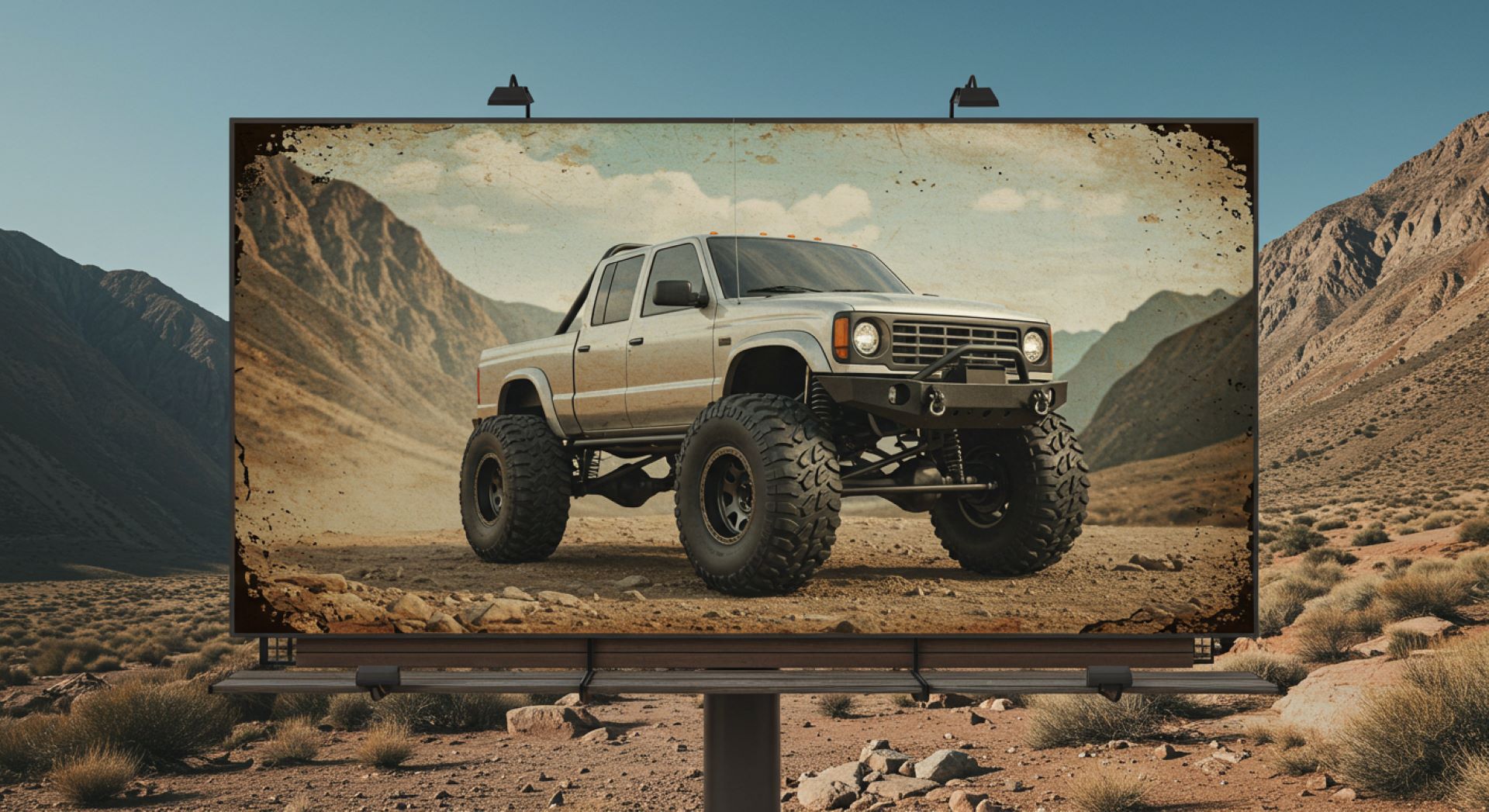
Billboard advertising has a long and rich history in the automotive industry, with its roots stretching back to the early 20th century. The first automobile billboards appeared alongside the rapid expansion of car ownership in the 1920s. During this era, billboards were largely static, painted signs, often featuring large images of the latest car models, accompanied by catchy taglines. These early billboards were designed to capture the attention of drivers and passengers traveling along popular routes, reinforcing brand recognition in an era when the automobile was still a novel product.
The rise of the automobile in the post-WWII period ushered in a new era of advertising. Billboards became more vibrant, larger, and more strategically placed near key points of interestÔÇögas stations, highways, and city centersÔÇöwhere they were guaranteed maximum exposure. The 1950s and 1960s saw the golden age of billboard advertising, with automotive brands using these platforms to announce new model releases, promote features, and establish brand identities. The sheer scale and visibility of these massive, static boards made them one of the most effective tools for reaching mass audiences.
In the 1980s and 1990s, however, as television, print media, and digital advertising began to rise, billboards were seen as a more limited tool for automotive marketing. While still a staple of traditional advertising, their static nature and inability to target specific demographics created challenges. However, as technology advanced, the demand for more interactive and measurable forms of advertising began to shape a new era in outdoor promotion.
Current Trends in Billboard Advertising
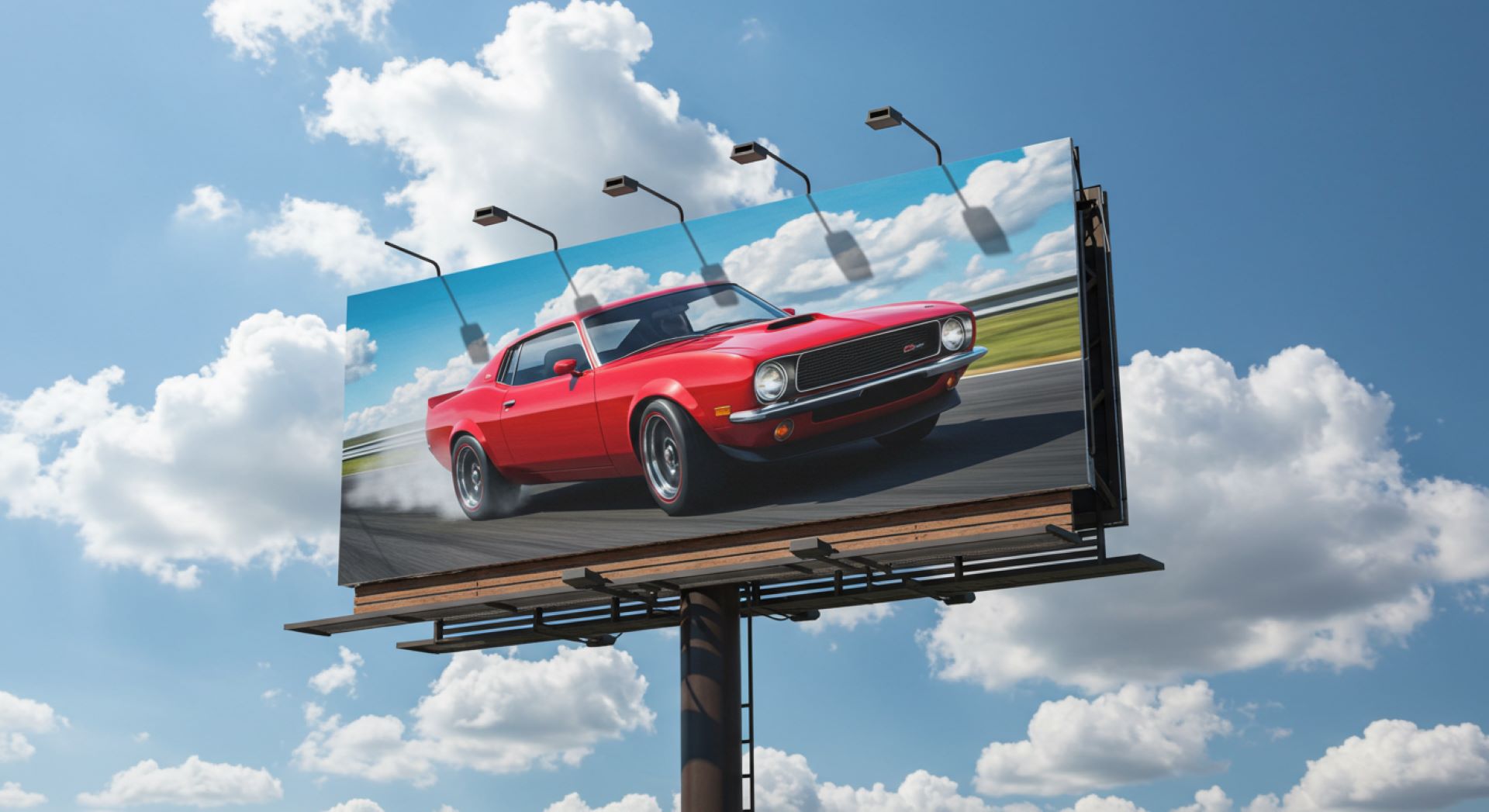
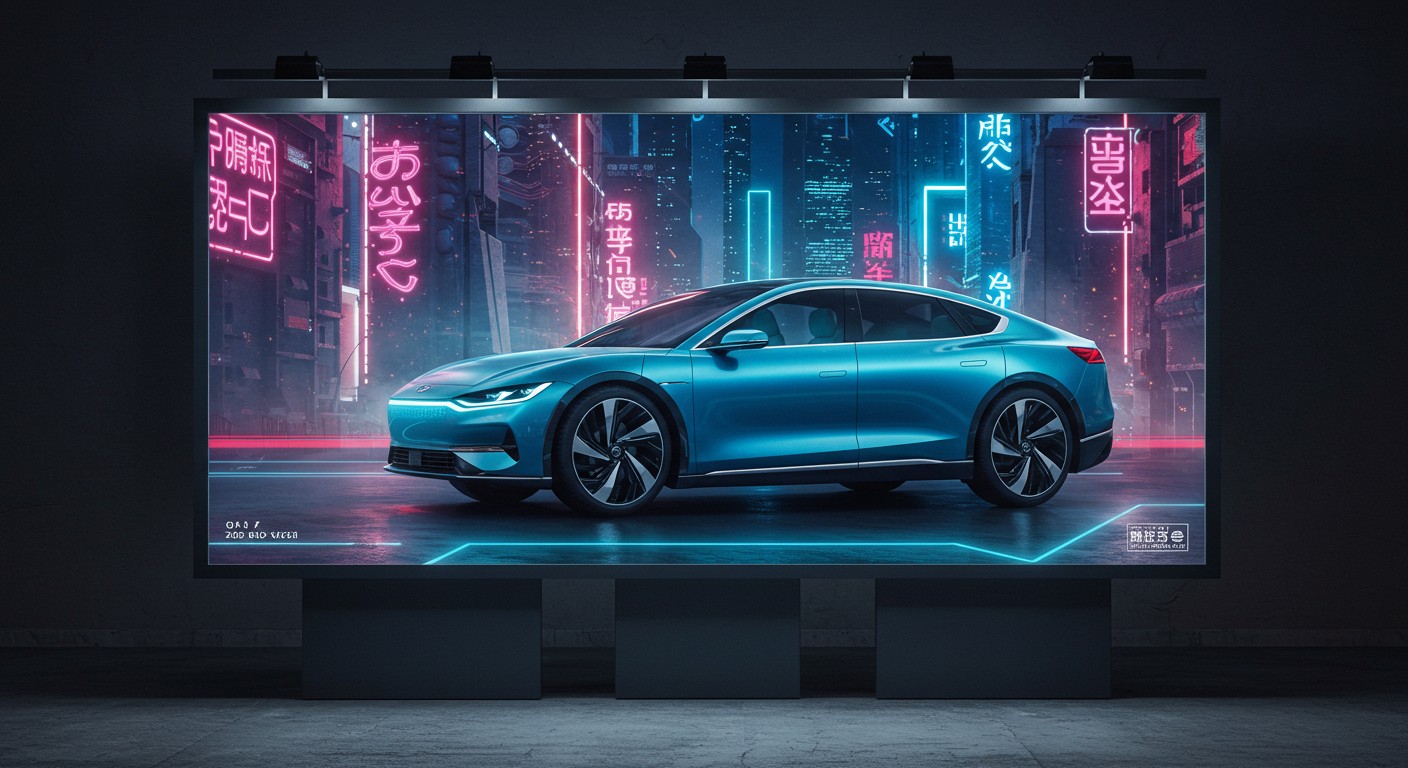
Today, the landscape of billboard advertising for cars has undergone a dramatic transformation. Digital billboards have revolutionized the industry, allowing for real-time updates, vibrant colors, and, most notably, the ability to display dynamic content. These digital displays can be programmed to show a range of content, from videos and animations to interactive features that engage consumers directly.
One of the most significant shifts in billboard advertising for cars is the integration of data analytics. With the power of digital technology, advertisers can now track the effectiveness of their campaigns with unprecedented accuracy. Data can be used to assess engagement levels, monitor traffic patterns, and even gauge audience demographics. Through these insights, automotive brands can tailor their messages in real time, adjusting content based on the time of day, weather conditions, or local events. This level of personalization has opened up new possibilities for more targeted advertising.
Moreover, interactive billboards are increasingly becoming a trend. Some digital billboards allow passersby to engage with the display through mobile technology. For instance, QR codes displayed on billboards enable consumers to interact directly with car brands on their phones, offering additional information about the latest models, special offers, or even scheduling a test drive. This seamless integration between physical billboards and digital platforms bridges the gap between offline and online marketing.
Additionally, successful modern billboard campaigns in the automotive sector have leveraged the power of social media. Car brands are encouraging consumers to share their experiences with the billboard displays via social media, creating a viral loop that amplifies their marketing efforts. For example, campaigns that feature interactive elementsÔÇösuch as personalized messages or live streaming capabilitiesÔÇöhave gone viral on platforms like Instagram, enhancing brand visibility far beyond the physical reach of the billboards themselves.
The Impact of Digital Technology
The most profound impact of digital technology on billboard advertising is the ability to personalize and dynamically alter content. This transformation is not only changing how car brands advertise but also how consumers perceive those ads. Digital billboards now have the ability to showcase personalized content that speaks directly to the consumerÔÇÖs interests, preferences, and even location.
For example, augmented reality (AR) is beginning to play a role in automotive billboard advertising. Imagine driving by a billboard displaying a car model, and through your smartphone, you can interact with the display. You might be able to virtually explore the interior of the vehicle, take a test drive in a simulated environment, or view a 360-degree image of the car in your own driveway. This level of interactivity offers consumers an immersive experience that traditional billboards could never provide.
Moreover, mobile technology is helping to bridge the gap between the digital billboard and the consumerÔÇÖs personal device. Through location-based services, billboards can push personalized content to users' smartphones, creating an instant connection between the ad and the consumer. Imagine a driver passing a billboard advertising a new car model, only to receive a special offer or discount directly on their phone in real-time.
The future of dynamic content on billboards is also tied to real-time data integration. Digital billboards can now adapt their messaging based on data inputs such as the time of day, local weather, or nearby events. For instance, during a summer heatwave, a billboard might feature a carÔÇÖs cooling system or climate control features, while during a major sports event, it might promote a vehicleÔÇÖs performance attributes.
Challenges and Opportunities
While the digital revolution in billboard advertising presents exciting new opportunities, it is not without its challenges. One of the primary concerns is the high cost of digital billboards compared to traditional static boards. The initial investment for a digital billboard, as well as ongoing maintenance and content management, can be significant. This can create barriers for smaller automotive brands or those with limited marketing budgets.
Another challenge is the technological complexity involved in creating interactive and dynamic content. Developing and maintaining digital content that resonates with the target audience requires skilled professionals, including designers, data analysts, and software engineers. Additionally, the rapid pace of technological change means that advertisers must constantly adapt to new platforms, formats, and devices, which can be resource-intensive.
However, the opportunities for innovation in automotive marketing far outweigh these challenges. The ability to collect real-time data and tailor campaigns to specific audiences offers a level of precision and effectiveness that traditional advertising could never achieve. Digital billboards provide an unprecedented opportunity for automotive brands to push the boundaries of creativity, offering immersive experiences that blend the physical and digital worlds.
Moreover, the ability to target specific demographics based on location, time of day, and consumer behavior opens up entirely new possibilities for reaching the right audience at the right moment. With the right strategies in place, automotive brands can harness the power of digital billboards to create memorable, impactful campaigns that drive consumer action.
Future Predictions
As we look to the future, the role of billboard advertising in the automotive industry is poised to evolve even further. The next decade will likely see the continued rise of AI and machine learning technologies, which will further enhance the ability to personalize and optimize digital billboard content.
In particular, artificial intelligence will play a significant role in creating highly customized advertising experiences. By analyzing vast amounts of consumer data, AI will be able to predict what content will resonate best with each individual viewer, adjusting billboard displays in real-time based on their preferences and behaviors. This level of personalization will make digital billboards an even more powerful tool in automotive marketing.
Additionally, as autonomous vehicles become more widespread, billboards may take on an entirely new role. Instead of simply targeting pedestrians and drivers, billboards could begin to target passengers inside autonomous vehicles. With passengers no longer focused on driving, they will become more receptive to digital advertising, opening up new possibilities for automotive brands to engage with their audience in innovative ways.
Case Studies
To understand how digital billboard advertising is changing the automotive landscape, letÔÇÖs look at some notable campaigns that have made a lasting impact. One standout example is ToyotaÔÇÖs ÔÇ£Smart BillboardÔÇØ campaign, which employed real-time data to deliver personalized ads to passing drivers. The billboard displayed car promotions based on the weather, the time of day, and the driverÔÇÖs location, ensuring that the content was highly relevant and engaging.
Another example is AudiÔÇÖs use of interactive billboards during the launch of the Audi A4. The digital billboards allowed passersby to interact with the ad via their smartphones, receiving instant information on the carÔÇÖs features, pricing, and availability. The campaign was a massive success, combining digital technology with a seamless consumer experience that drove engagement and sales.
Billboard advertising has come a long way from its humble beginnings as static, painted signs. Today, digital technology has transformed outdoor advertising into an interactive, data-driven experience that offers unprecedented opportunities for automotive brands. By embracing innovations such as augmented reality, mobile integration, and AI, car brands can create dynamic campaigns that engage consumers in entirely new ways.
While challenges remain, particularly regarding cost and technological complexity, the future of billboard advertising for cars is bright. As technology continues to advance, the potential for personalized, real-time advertising will only grow, offering exciting opportunities for innovation in automotive marketing.
For automotive enthusiasts, itÔÇÖs a thrilling time to witness the transformation of a once traditional advertising medium into a cutting-edge platform that blends the physical and digital worlds. Whether nostalgic for the classic billboards of the past or excited by the possibilities of the future, one thing is certain: the future of billboard advertising for cars is unfolding before our eyes.
Breyten Odendaal
Specializing in high-performance automotive advertising and digital marketing solutions, delivering cutting-edge insights and the latest news shaping the automotive industry in South Africa.
More From Advertising
Automotive Advertising in 2026: Selling Confidence in a More Competitive Market
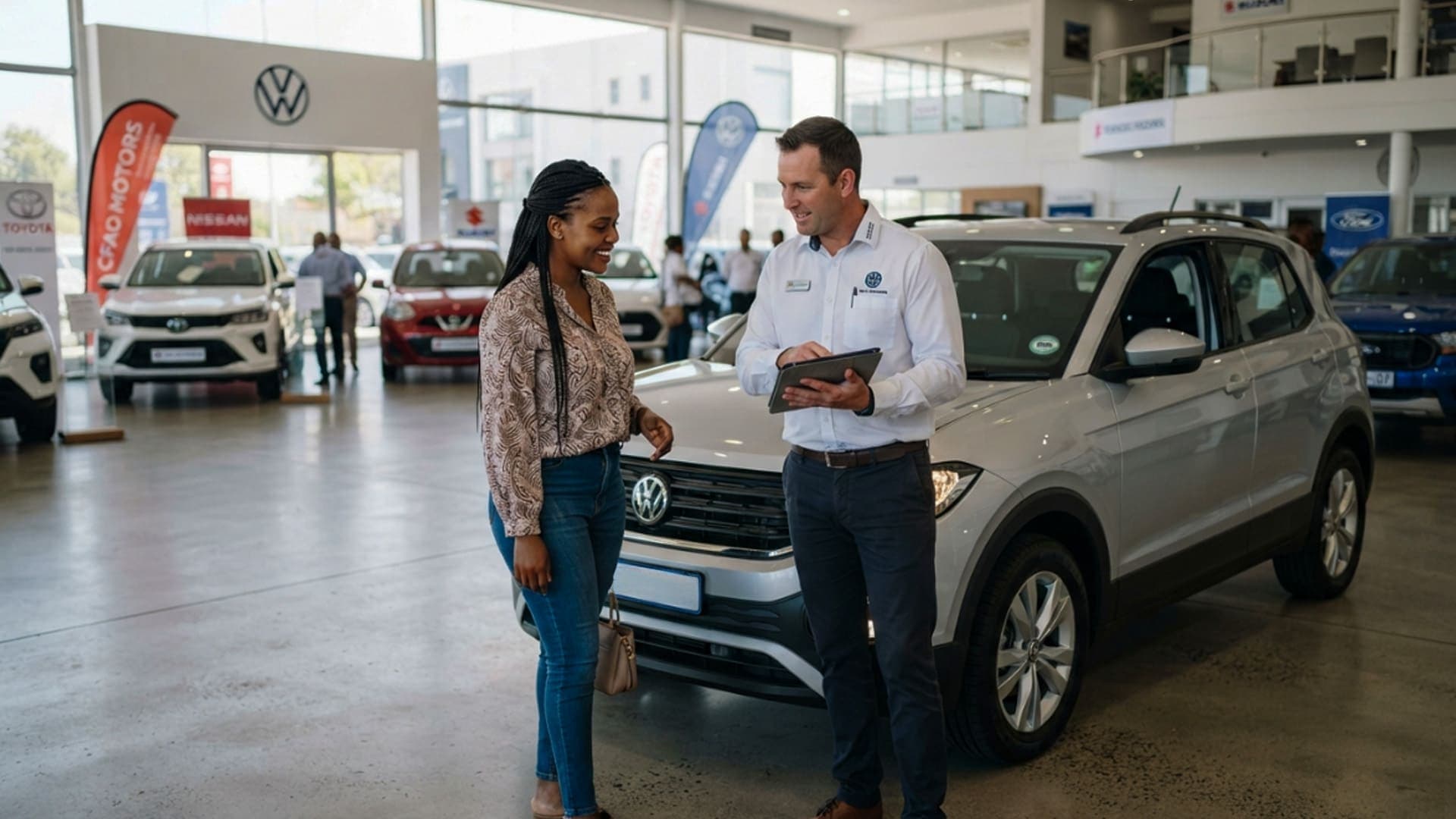
As South Africa’s vehicle market becomes more competitive, automotive advertising needs to do more than announce a price or specification. It needs to help buyers understand value, ownership costs and why a vehicle suits their lives.

Automotive Digital Ads in South Africa: A Shift
Exploring how South Africa’s automotive advertising evolved from print and broadcast to data-driven, programmatic digital ecosystems.

The Video Shift in Car Buying Decisions in SA
Explore how video content shapes car purchase decisions in South Africa, comparing short-form and long-form strategies for automotive marketers.