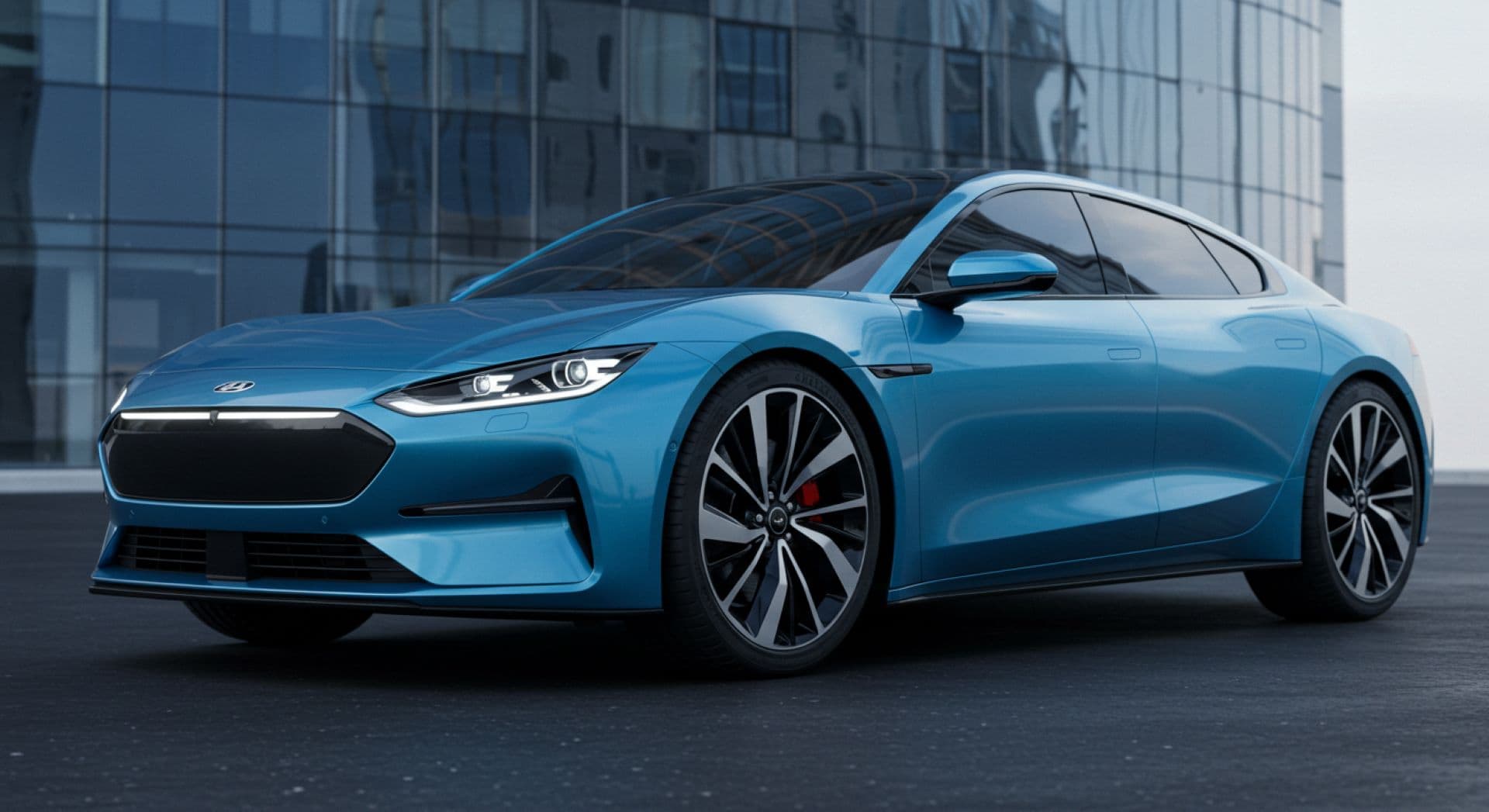
In an era defined by rapid technological advancement, the automotive industry is poised for a transformation like never before. Car enthusiasts, manufacturers, and marketers alike are beginning to understand that the future of automotive marketing lies in the convergence of three groundbreaking technologies: Artificial Intelligence (AI), Automation, and Blockchain. These powerful innovations are not only reshaping how brands interact with customers, but they also offer a glimpse into a more personalized, efficient, and transparent future for the industry. As we stand on the precipice of this digital revolution, itÔÇÖs clear that these technologies will play a pivotal role in crafting the future of automotive marketing.
With AI paving the way for hyper-personalized customer experiences, automation streamlining marketing processes, and blockchain ensuring greater transparency and trust, these technologies are more than just buzzwordsÔÇöthey are the keys to unlocking an automotive marketing landscape where precision, efficiency, and trust reign supreme. In this article, weÔÇÖll explore how these cutting-edge technologies are already making waves and what we can expect in the near future. Buckle up as we dive into the exciting possibilities that lie ahead.
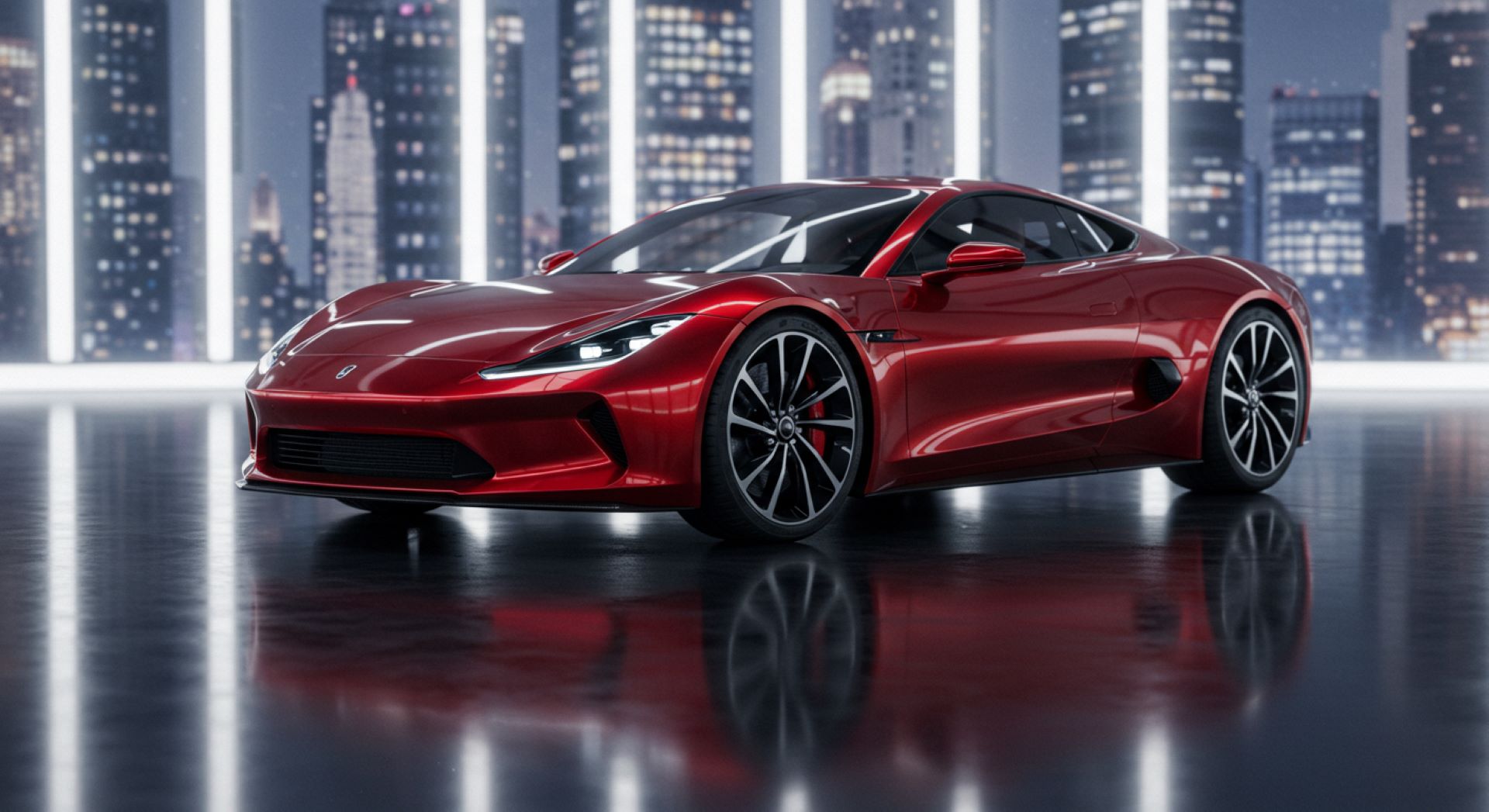
Artificial Intelligence in Automotive Marketing
Artificial Intelligence has already made significant strides within the automotive industry, transforming everything from vehicle design to manufacturing processes. But when it comes to marketing, AIÔÇÖs impact is truly game-changing. One of the most immediate applications of AI in automotive marketing is the use of virtual assistants, such as chatbots and voice-activated tools. These AI-powered systems are becoming an integral part of the customer journey, offering personalized support, answering queries in real-time, and even guiding prospective buyers through the entire car buying process.
One of the most remarkable benefits of AI in automotive marketing is its ability to deliver highly personalized customer experiences. By leveraging data from a variety of touchpointsÔÇöwebsites, social media, purchase history, and even in-car dataÔÇöAI can create tailored advertisements and messages that resonate with individual customers. For example, if a consumer has been researching hybrid cars online, an AI system might serve them ads for specific hybrid models or special offers, increasing the likelihood of conversion.
Moreover, AI is revolutionizing the decision-making process for marketers by enhancing data analysis and predictive analytics. AI tools can sift through enormous amounts of data in real-time to uncover trends, customer preferences, and behaviors that might otherwise go unnoticed. This allows marketing teams to make more informed decisions, optimizing their campaigns for better ROI and more effective customer engagement.
As we look to the future, AI-driven technologies will continue to evolve, with chatbots becoming even more intelligent and capable of providing a seamless, human-like customer service experience. AI can also help create customized user journeys by predicting future needs and suggesting relevant products or services. In fact, the next frontier of AI in automotive marketing lies in fully autonomous chatbots capable of holding natural conversations, further enhancing customer satisfaction.
Case Study: BMWÔÇÖs AI-Powered Marketing
BMWÔÇÖs ÔÇ£BMW GeniusÔÇØ program is a prime example of how AI can elevate customer experiences. Through the use of AI chatbots, BMW is able to offer instant, 24/7 support to potential buyers, answering questions about vehicles, features, pricing, and financing options. The program has not only enhanced customer satisfaction but has also helped BMW collect valuable data, which is then used to tailor future marketing campaigns.
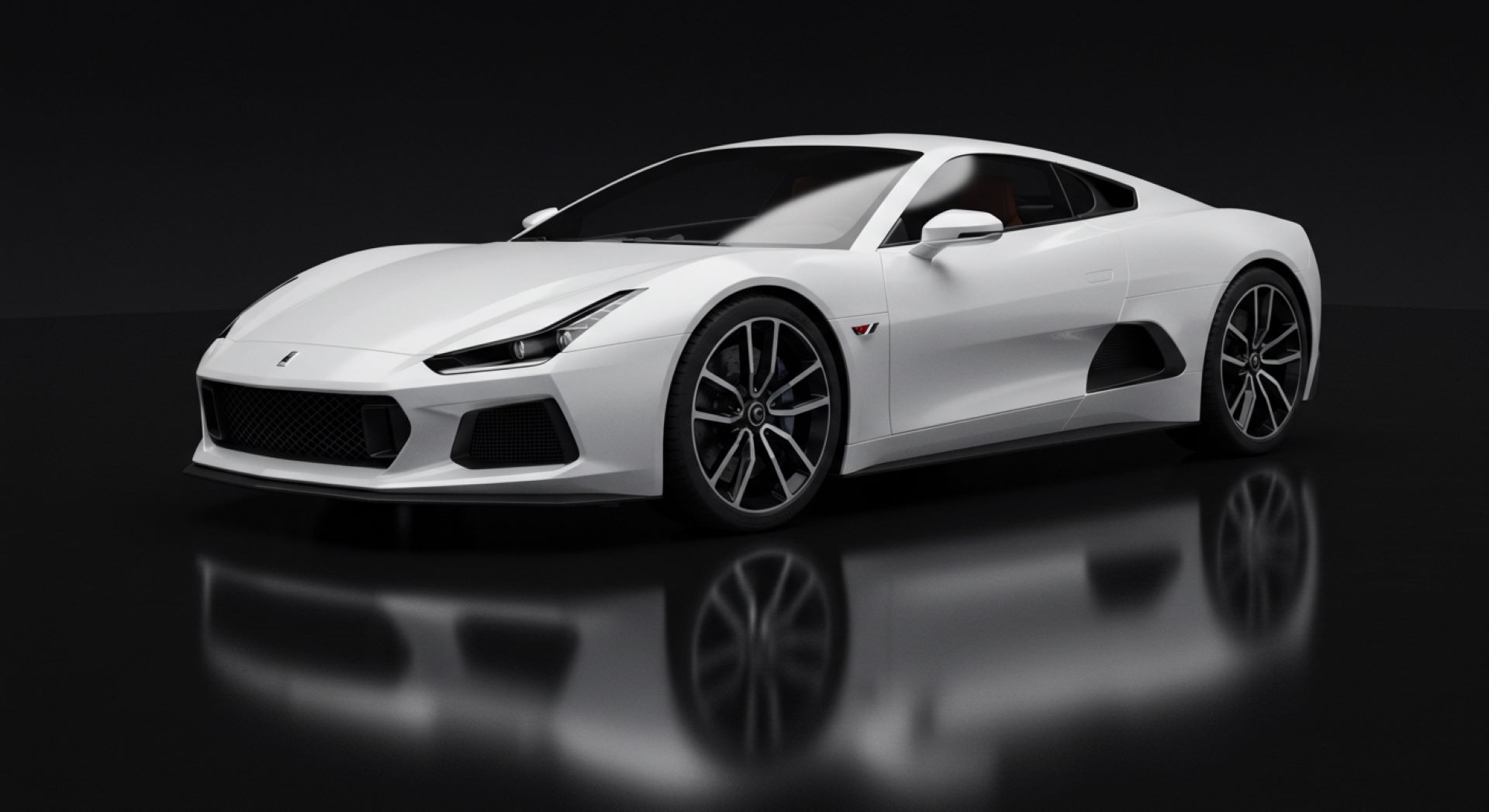
The Impact of Automation on Automotive Marketing
While AI is driving personalization, automation is streamlining and simplifying marketing processes, enabling automotive brands to reach more customers with less effort. Automation in marketing, particularly through Customer Relationship Management (CRM) systems and campaign management tools, allows brands to connect with consumers in a more consistent, efficient, and timely manner.
One of the most significant advantages of automation in automotive marketing is its ability to manage complex, multi-channel campaigns effortlessly. For example, automated systems can schedule and distribute content across websites, social media platforms, and email newsletters without requiring manual intervention. This reduces the risk of errors, increases productivity, and ensures that content reaches the right audience at the right time.
Furthermore, automation is driving efficiencies in customer segmentation and targeting. With tools like programmatic advertising, automotive marketers can ensure that their ads are shown to the most relevant audiences based on real-time data. Automated content creation tools are also helping marketers generate personalized ads and social media posts at scale, saving time while maintaining high-quality output.
Despite these advantages, the integration of automation technologies must be done strategically. Brands must ensure that their automated systems are working harmoniously with other marketing efforts, avoiding a robotic or impersonal feel. The human touch remains essential, and automation should augmentÔÇönot replaceÔÇöthe personal connections that consumers value.
Looking ahead, we can expect automation technologies to become even more sophisticated. Robotic Process Automation (RPA) could be used to handle repetitive tasks such as data entry or inventory management, while AI-powered automation tools will allow for more intuitive, context-driven interactions with customers. As these technologies evolve, automotive marketing will become increasingly seamless, providing a frictionless experience for both marketers and consumers.
Example: AudiÔÇÖs Automated Marketing Campaigns
Audi has embraced automation in its marketing campaigns through tools that integrate with customer data platforms. These automated campaigns not only ensure timely, personalized communication but also allow Audi to scale its marketing efforts while maintaining a high level of customization. By using these technologies, Audi has been able to reduce operational costs and improve the overall effectiveness of their campaigns.
Blockchain Technology Transforming Automotive Marketing
While AI and automation have captured much of the attention, blockchain technology is quietly but powerfully transforming automotive marketing in ways that many are only beginning to understand. Blockchain, a decentralized ledger system that ensures transparent, secure transactions, is providing automotive brands with a way to enhance customer trust and offer new marketing opportunities.
One of the most important uses of blockchain in automotive marketing is the ability to provide verifiable and transparent vehicle histories. By recording every transaction, repair, and service event on a blockchain, brands can offer consumers complete transparency about the vehicleÔÇÖs past. This not only enhances trust but also creates a more honest and reliable marketplace for used cars.
Furthermore, blockchain technology can offer greater data privacy, giving consumers more control over their personal information. In a world where data breaches and misuse are all too common, blockchain provides a secure way for customers to engage with brands while maintaining their privacy. The decentralized nature of blockchain also ensures that no single party can manipulate or misuse the data, creating a level of trust that is especially important in the automotive industry.
In the future, blockchain could open new doors for loyalty programs and decentralized marketing platforms. Imagine a scenario where customers can earn cryptocurrency rewards for engaging with a brand or making purchases, or where advertising networks are powered by blockchain to ensure that consumer data is never misused. These innovations are already being explored, and the potential is vast.
Case Study: CarVerticalÔÇÖs Blockchain Vehicle History
CarVertical, a blockchain-based vehicle history platform, is already making waves in the automotive sector. By leveraging blockchain, CarVertical provides consumers with immutable records of a vehicleÔÇÖs past, including ownership history, accidents, and service details. This transparency not only enhances consumer trust but also helps dealerships build credibility by offering verifiable histories of the vehicles they sell.
Integrating AI, Automation, and Blockchain ÔÇô A Unified Approach
As we look toward the future, the real magic will happen when AI, automation, and blockchain work together in a unified approach. By integrating these technologies, automotive marketers can create a holistic and streamlined marketing strategy that delivers both efficiency and personalized experiences.
AIÔÇÖs ability to analyze data can be combined with automationÔÇÖs power to implement targeted campaigns, while blockchain ensures the security and transparency of every transaction. Together, these technologies can create seamless consumer journeys, from personalized advertising to secure transactions, building trust and loyalty at every touchpoint.
For example, imagine a future where a customer receives personalized ads based on their behavior and preferences (AI), is automatically guided through the car-buying process (automation), and has access to a transparent vehicle history (blockchain) all in one integrated experience. This synergy not only improves customer satisfaction but also maximizes the effectiveness of marketing campaigns.
The future of automotive marketing is bright, powered by the synergistic potential of AI, automation, and blockchain. These technologies are not just transforming how brands market their productsÔÇöthey are reshaping the entire consumer experience. With AI creating personalized journeys, automation driving efficiency, and blockchain ensuring trust and transparency, the automotive industry is poised for a revolution in how it connects with consumers.
As automotive enthusiasts, we have a front-row seat to this exciting evolution. The question is not if these technologies will change the landscape of automotive marketing, but when. The time to embrace these innovations is now, and the possibilities are boundless. LetÔÇÖs look ahead to a future where automotive marketing is not just about selling cars, but creating lasting relationships with consumers based on trust, innovation, and a shared passion for the road ahead.
Breyten Odendaal
Specializing in high-performance automotive advertising and digital marketing solutions, delivering cutting-edge insights and the latest news shaping the automotive industry in South Africa.
More From Advertising

Automotive Advertising in 2026: Selling Confidence in a More Competitive Market
As South Africa’s vehicle market becomes more competitive, automotive advertising needs to do more than announce a price or specification. It needs to help buyers understand value, ownership costs and why a vehicle suits their lives.

Automotive Digital Ads in South Africa: A Shift
Exploring how South Africa’s automotive advertising evolved from print and broadcast to data-driven, programmatic digital ecosystems.

The Video Shift in Car Buying Decisions in SA
Explore how video content shapes car purchase decisions in South Africa, comparing short-form and long-form strategies for automotive marketers.