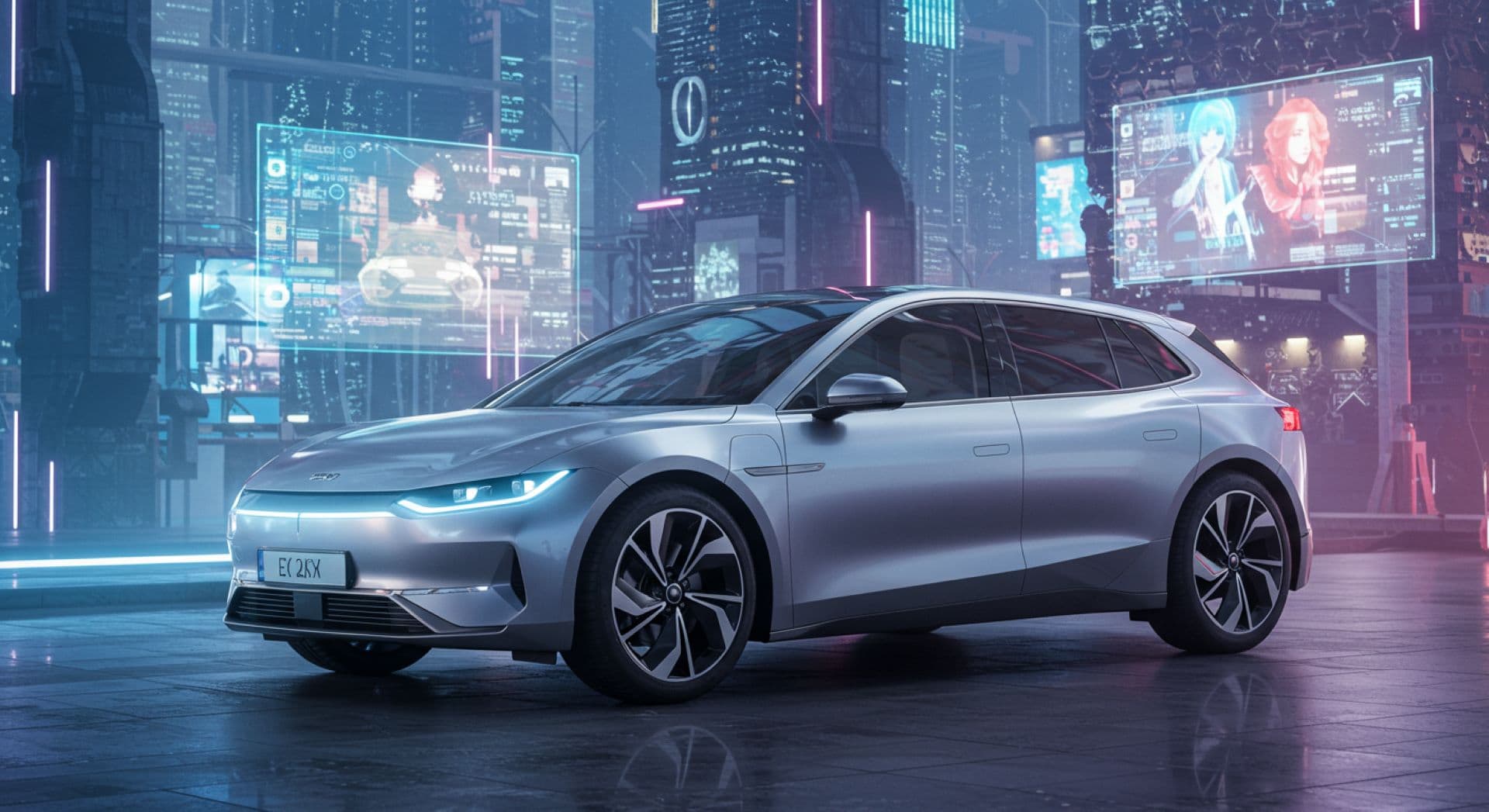
The automotive world is no stranger to innovation, and nowhere is this more evident than in the realm of advertising. Today, technology is not just supporting automotive brandsÔÇöit is revolutionizing how they connect with enthusiasts. From the bustling streets to the digital highways, the marriage of automation and interactive content is transforming traditional advertising into a dynamic, immersive experience that captivates audiences like never before.
As we stand on the brink of a new era, automotive advertising is shifting gears, leaving behind old paradigms of static images and generic messaging. In this article, we delve into two groundbreaking developments: automation and interactive content. Automation is streamlining ad creation and delivery, enabling brands to reach the right audience with pinpoint accuracy, while interactive content is inviting consumers to experience vehicles in an entirely new lightÔÇöthrough virtual showrooms, augmented reality test drives, and 360-degree immersive tours.
Embracing this optimistic future, industry leaders are already pioneering techniques that not only enhance brand visibility but also deepen consumer engagement. With technology steering the wheel, automotive advertising is evolving into an arena where creativity meets precision, offering an unparalleled journey of discovery for enthusiasts. The road ahead is filled with promise, and as we explore these innovative trends, it becomes clear that the future of automotive advertising is set to be as exhilarating as the cars themselves.
The Current State of Automotive Advertising
For decades, automotive advertising relied heavily on traditional mediums. TV commercials showcased the sleek design and power of new models, while print ads in magazines and newspapers told stories of luxury and performance. Sponsorships and endorsements were the lifeblood of the industry, creating an aura of aspiration and credibility around the brands. However, these conventional methods were limited by their broad reach and one-size-fits-all messaging.
In recent years, digital strategies have dramatically reshaped the landscape. Online advertising has enabled car manufacturers to target specific demographics with tailored messages, and social media platforms have emerged as vital channels for engaging with a tech-savvy audience. Brands now leverage influencer partnerships to inject authenticity and relatability into their campaigns, reaching consumers in a more personal and conversational manner.
Despite these advancements, traditional and digital strategies each have their challenges. TV spots and print ads can be expensive and lack the immediacy of digital interactions, while online ads sometimes struggle with issues of oversaturation and fleeting consumer attention. The inherent limitations of both realms have paved the way for a new era of advertising innovationÔÇöone where automation and interactivity not only address these challenges but also open up exciting new avenues for consumer engagement.
Innovations in Automation
The automotive advertising industry is witnessing a transformative shift as automation takes center stage. Automation, once a peripheral tool, is now driving the future of ad creation and deployment, revolutionizing the way brands reach and engage their audiences. At the heart of this transformation is programmatic advertising, an automated process that uses data-driven insights to target the right consumer at the right time. With programmatic platforms, automotive brands can bid on ad placements in real time, ensuring that every advertising dollar is spent with precision.
Artificial intelligence (AI) and machine learning further amplify these capabilities by analyzing vast amounts of dataÔÇöfrom consumer behavior to market trendsÔÇöto optimize ad performance continuously. By predicting consumer preferences and dynamically adjusting ad content, AI ensures that each advertisement is personalized to resonate deeply with the target audience. This level of precision targeting not only boosts engagement but also drives significant improvements in return on investment (ROI). For instance, brands leveraging AI-driven platforms have reported a marked increase in click-through rates and conversion metrics, validating the effectiveness of these technologies.
One of the standout benefits of automation is its ability to streamline processes. Tasks that once required extensive manual oversightÔÇösuch as audience segmentation, bid adjustments, and campaign analyticsÔÇöare now efficiently handled by sophisticated algorithms. This automation frees up creative teams to focus on ideation and content development, ultimately leading to more innovative and engaging campaigns. The efficiency gains are not merely operational; they also translate to cost savings, enabling even smaller automotive brands to compete on a larger stage without compromising quality.
Several industry leaders have already reaped the rewards of automation. For example, major automotive manufacturers have partnered with digital agencies that specialize in programmatic advertising, resulting in campaigns that are both agile and highly effective. These campaigns leverage real-time data to adapt to changing market conditions, ensuring that the messaging remains relevant throughout the duration of the campaign.
Moreover, automation extends beyond ad placement and targeting. It is reshaping the creative process itself. AI tools are now capable of generating ad copy, suggesting visual elements, and even predicting which creative variations will resonate best with specific audiences. This convergence of technology and creativity not only enhances efficiency but also paves the way for innovative ad formats that were previously unimaginable.
The benefits of automation in automotive advertising are manifold. With precise targeting, brands can significantly reduce wastage in ad spend while maximizing impact. The seamless integration of AI and machine learning ensures that campaigns are continually refined for optimal performance, making it possible to achieve higher engagement rates and a better overall consumer experience. As automation continues to evolve, its potential to drive cost-effectiveness, precision targeting, and improved ROI will only grow, heralding a new age of advertising excellence in the automotive industry.
The Rise of Interactive Content
In an era where consumer engagement is paramount, interactive content is emerging as the game-changer in automotive advertising. Gone are the days when a static image or a conventional video could suffice; todayÔÇÖs consumers crave immersive, hands-on experiences that allow them to explore and interact with brands on a deeper level.
Interactive content in the automotive sector takes many forms. Virtual reality (VR) and augmented reality (AR) experiences have transformed how potential buyers explore new models. With VR, users can take virtual test drives, sitting behind the wheel of their dream car from the comfort of their living rooms. AR, on the other hand, overlays digital enhancements onto the real world, enabling consumers to see how a particular model would look in their driveway or even how customizable features might appear in real life. Additionally, 360-degree videos offer an engaging way to showcase the intricate design details of a vehicle, giving viewers a comprehensive look at both the exterior and interior from every angle.
These immersive experiences are not just technological noveltiesÔÇöthey are powerful tools for storytelling. They allow automotive brands to convey the essence of their vehicles in a way that static media cannot. Interactive content creates an emotional connection by engaging multiple senses, making the consumer feel as if they are a part of the brandÔÇÖs narrative. This deeper engagement fosters a stronger bond between the consumer and the brand, paving the way for long-term loyalty and advocacy.
Several case studies highlight the success of interactive campaigns. For instance, a leading automotive brand launched a VR experience that allowed users to virtually build and test drive their cars. The campaign not only generated buzz but also saw a significant increase in website traffic and conversion rates. Another notable example is an AR-enabled app that let users visualize car customizations in real time. By providing a platform for creative expression, the app resonated with a younger, tech-savvy demographic, driving both engagement and sales.
Beyond enhancing consumer engagement, interactive content offers substantial marketing benefits. It provides valuable insights into consumer preferences through data captured during interactions, enabling brands to tailor future campaigns more effectively. This data-driven approach allows for continuous improvement, ensuring that every new campaign is more refined and targeted than the last.
Moreover, interactive content invites collaboration. Automotive brands are partnering with tech companies and creative agencies to push the boundaries of what is possible. These partnerships are yielding innovative solutions that merge cutting-edge technology with artistic vision, resulting in campaigns that are not only visually stunning but also highly effective in communicating the brand message.
As the digital landscape continues to evolve, interactive content will play an increasingly critical role in automotive advertising. Its ability to create memorable experiences that resonate with consumers is unmatched. By fostering a sense of adventure and participation, interactive content transforms passive viewers into active participants in the brand story. This shift is essential in todayÔÇÖs competitive market, where consumer attention is fleeting and the demand for unique experiences is at an all-time high.
In embracing interactive content, automotive brands are not just keeping pace with technologyÔÇöthey are leading the charge into a future where every ad is an opportunity for engagement and every interaction is a step toward building lasting customer relationships. With ongoing advancements in VR, AR, and immersive video technologies, the horizon for interactive automotive advertising is boundless, promising a future where the line between the physical and digital worlds is beautifully blurred.

The Role of Social Media and Influencers
Social media has become the heartbeat of modern automotive advertising, fundamentally reshaping how brands interact with their audiences. Platforms like Instagram, YouTube, and TikTok provide a dynamic space for automotive brands to showcase their vehicles in creative, engaging formats that resonate with a digital-savvy audience. Social mediaÔÇÖs real-time nature allows brands to engage directly with consumers, fostering a sense of community and shared passion for automobiles.
One of the most significant impacts of social media is the rise of influencer partnerships. Influencers and content creators have amassed large, loyal followings by sharing their personal experiences with automotive products. Their endorsements, reviews, and behind-the-scenes glimpses of vehicle features create a sense of authenticity that traditional advertising often lacks. When an influencer highlights a carÔÇÖs performance or design, it carries a relatable, trusted voice that can drive significant consumer interest.
Collaborations between automotive brands and influencers have yielded impressive results. Successful campaigns often involve influencers taking prospective buyers on virtual test drives, hosting interactive live sessions, or creating immersive content that highlights the vehicleÔÇÖs unique features. These initiatives not only generate buzz but also encourage organic sharing, which extends the campaignÔÇÖs reach far beyond traditional advertising channels.
However, while the benefits are plentiful, there are challenges to navigating social media influencer partnerships. Authenticity remains a critical factor. Consumers are quick to detect insincere endorsements, and any hint of inauthenticity can quickly erode trust. Automotive brands must therefore carefully select influencers whose values align with their own and who can present the brand in a genuine, relatable manner. This means vetting potential partners thoroughly and working closely with them to ensure that the final content truly reflects the brandÔÇÖs vision and messaging.
Despite these challenges, the role of social media in automotive advertising continues to grow. The convergence of influencer credibility with the interactive nature of social media platforms creates a potent formula for engagement. The visual storytelling capabilities of these platforms allow brands to craft narratives that are both informative and entertaining, thereby driving consumer interest and loyalty in ways that traditional media simply cannot match.
Looking Forward: Future Trends
As we look to the future, automotive advertising is poised to become even more innovative and data-driven. One of the most exciting trends is the integration of AI with AR/VR technologies to create hyper-personalized and immersive experiences. Imagine a scenario where a potential buyer receives a tailored AR experience based on their browsing history, showcasing the exact features theyÔÇÖve shown interest in, or a VR test drive that adapts in real time to reflect the buyerÔÇÖs preferences. This convergence of technologies promises to not only engage consumers but also provide them with unique, interactive experiences that are both memorable and impactful.
Another trend that is gaining traction is the use of blockchain technology in advertising. Blockchain has the potential to revolutionize transparency and accountability in advertising metrics by providing an immutable ledger of ad performance data. This means brands and consumers alike can trust that the metrics reportedÔÇöfrom impressions to conversionsÔÇöare accurate and unaltered. For automotive advertisers, this transparency is crucial in building long-term consumer trust, especially as digital ad spend continues to grow.
Connected car technology is also emerging as a significant factor in the evolution of automotive advertising. As vehicles become more integrated with digital ecosystems, they offer a unique platform for advertisers to interact with drivers in real time. Future campaigns might include in-car advertising experiences that are personalized based on real-time data, such as location, driving habits, and even mood. These connected experiences could provide drivers with timely information, exclusive offers, or interactive content directly from their vehicleÔÇÖs interface, seamlessly blending the physical and digital worlds.
Sustainability is another key focus area that will shape future trends. As environmental concerns grow, automotive brands are increasingly promoting their sustainability initiatives. Future advertising campaigns are likely to highlight eco-friendly features, such as electric drivetrains and reduced emissions, while also showcasing the brandÔÇÖs commitment to sustainability through interactive, technology-driven content. This not only appeals to environmentally conscious consumers but also positions brands as forward-thinking leaders in the industry.
Looking further ahead, the continued evolution of data analytics and machine learning will enable even more precise targeting and campaign optimization. With access to increasingly granular data, brands can predict consumer behavior with unprecedented accuracy, allowing for real-time adjustments that maximize engagement and conversion rates. This level of sophistication in advertising strategy is set to redefine the metrics of success in automotive marketing.
Finally, as technology advances, the very nature of consumer interaction with automotive advertising is set to evolve. The rise of immersive technologies, coupled with real-time connectivity and data insights, will foster an advertising landscape that is not only more engaging but also more integrated into the consumerÔÇÖs daily life. The future of automotive advertising is one where every interaction is a carefully crafted experience, driven by innovation, precision, and a commitment to creating lasting consumer relationships.
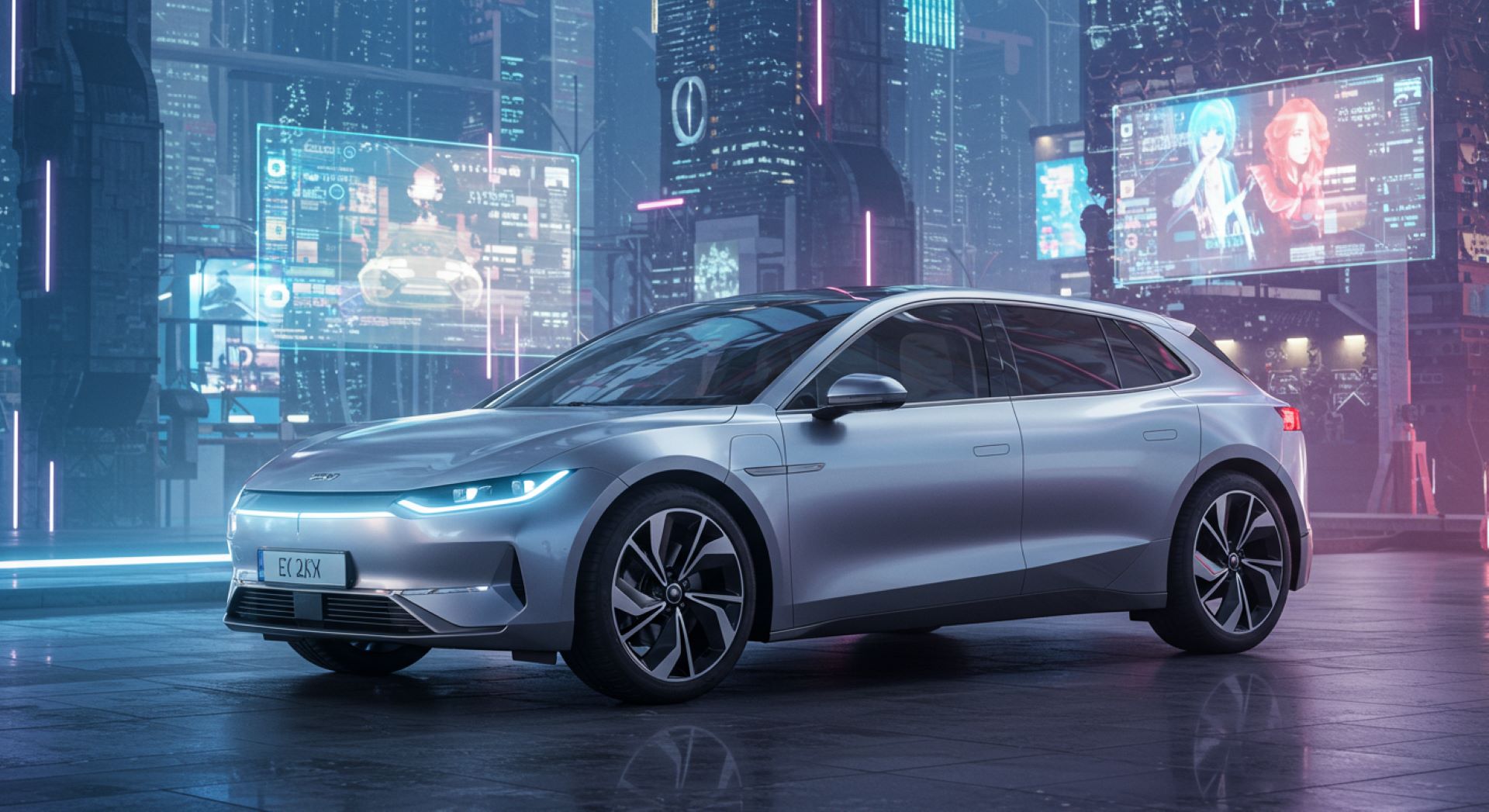
The future of automotive advertising is bright and brimming with potential. As the industry shifts from traditional methods to technology-driven strategies, the combined power of automation and interactive content is set to redefine how brands connect with consumers. Automation streamlines processes, enhances precision, and delivers cost-effective solutions, while interactive content transforms passive viewers into active participants in a brandÔÇÖs story.
Looking ahead, automotive advertising will continue to evolve, integrating AI, AR/VR, blockchain, and connected car technology to create immersive, personalized experiences. This innovative approach not only captures the imagination of automotive enthusiasts but also builds deeper, more authentic relationships between brands and their audiences. The journey into this new era of advertising is one marked by creativity, technological advancement, and an unwavering commitment to engaging consumers in novel and exciting ways.
In this optimistic landscape, automotive enthusiasts can look forward to a future where every advertisement is not just a marketing message, but a unique, interactive experience that inspires and excites. As technology continues to push boundaries, the industry is set to accelerate into a future where the intersection of automation and interactive content drives innovation, enhances consumer engagement, and ultimately redefines the automotive advertising experience for generations to come.
Breyten Odendaal
Specializing in high-performance automotive advertising and digital marketing solutions, delivering cutting-edge insights and the latest news shaping the automotive industry in South Africa.
More From Advertising

Automotive Advertising in 2026: Selling Confidence in a More Competitive Market
As South Africa’s vehicle market becomes more competitive, automotive advertising needs to do more than announce a price or specification. It needs to help buyers understand value, ownership costs and why a vehicle suits their lives.

Automotive Digital Ads in South Africa: A Shift
Exploring how South Africa’s automotive advertising evolved from print and broadcast to data-driven, programmatic digital ecosystems.

The Video Shift in Car Buying Decisions in SA
Explore how video content shapes car purchase decisions in South Africa, comparing short-form and long-form strategies for automotive marketers.