
The automotive industry has long been at the forefront of technological advancement, and advertising within this sector is no exception. Traditionally, automotive advertising has relied on visually striking campaigns through print, television, and digital platforms, all aimed at captivating audiences with the allure of sleek designs, powerful engines, and innovative features. However, with the rapid evolution of technology, the landscape of automotive advertising is shifting. The latest breakthrough in this transformation is the integration of immersive technologies, specifically Augmented Reality (AR) and Virtual Reality (VR), which are redefining how automotive brands engage with their audiences.
AR, VR, and other immersive experiences have the potential to not only revolutionize how car manufacturers advertise but also how automotive enthusiasts interact with brands. These technologies provide a level of engagement that traditional advertising platforms simply cannot match, offering consumers the ability to explore, personalize, and even experience vehicles in virtual spaces. This article explores the evolving role of AR, VR, and immersive technologies in automotive advertising, examining how these innovations are reshaping the industry and offering new opportunities for automotive brands to connect with their target audience.
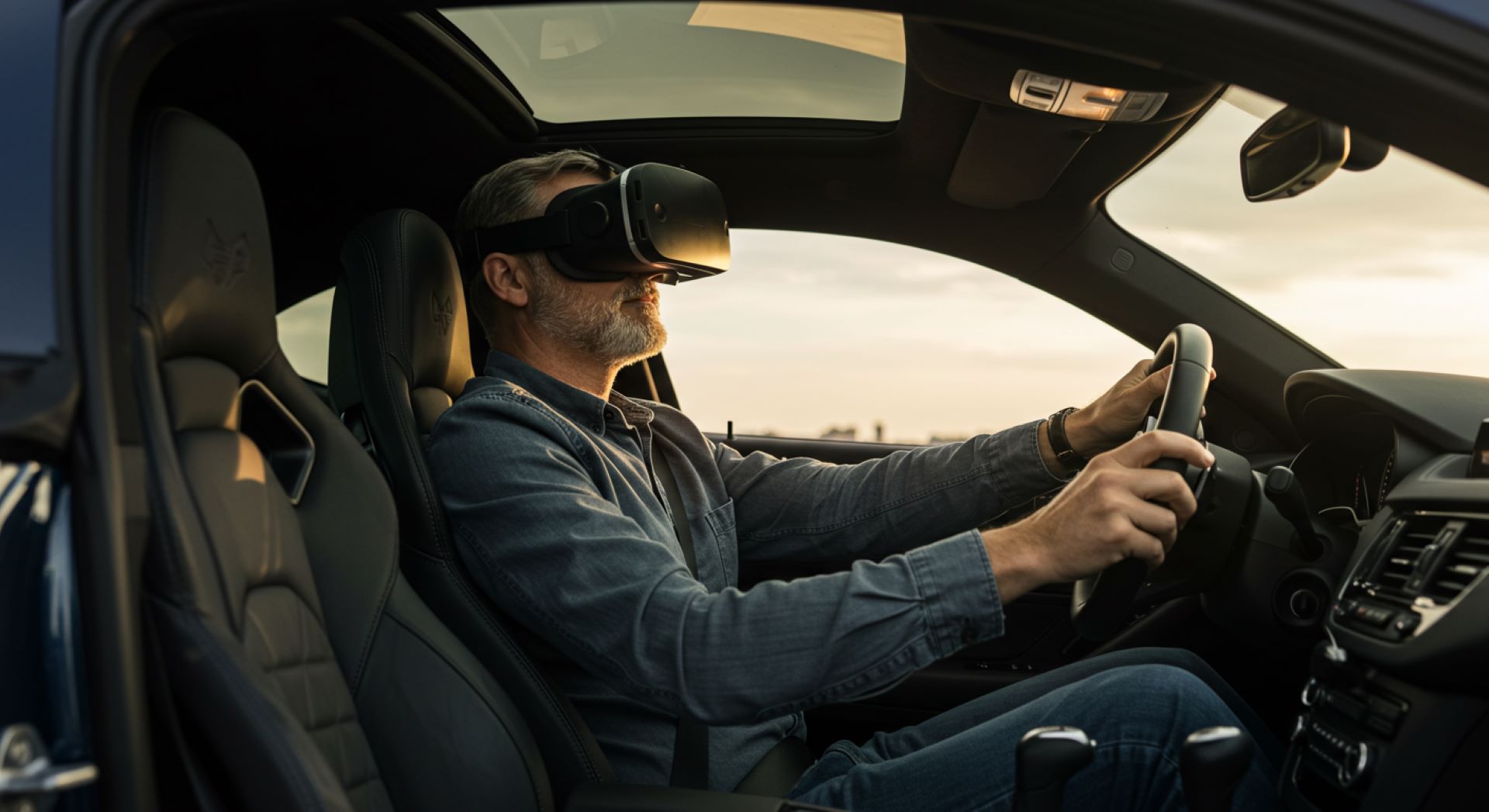
The Evolution of Automotive Advertising
Automotive advertising has come a long way since its inception. In the early days of the automobile, advertising was primarily done through print media, radio spots, and billboards. These methods focused on introducing new models and emphasizing the basic features of cars, often using images or videos of sleek vehicles on scenic roads to appeal to consumers' desires for luxury, comfort, and performance.
As television became a dominant force in the mid-20th century, automotive brands adapted by creating high-budget commercials that showcased the power, design, and features of their vehicles. Iconic ads, like the Ford Mustang commercials in the 1960s, helped create an emotional connection between the consumer and the brand, further solidifying advertising as a critical component of the automotive sales process.
The digital age marked a pivotal moment in the evolution of automotive advertising. The rise of the internet brought with it new advertising opportunities, such as banner ads, email marketing, and the first-generation websites for car manufacturers. By the early 2000s, digital platforms allowed for more dynamic and interactive experiences, with websites showcasing 360-degree views of cars and offering car configurators that allowed consumers to visualize different color options and features.
However, despite these advancements, traditional digital advertising platforms still have their limitations. Banner ads, video ads, and other conventional methods struggle to offer the same level of engagement and interactivity that modern consumers demand. The increasing popularity of ad-blockers and the saturation of digital ads have led to diminishing returns for automotive advertisers, prompting the search for new, innovative ways to connect with their audiences.
Enter immersive technologiesÔÇöAR and VRÔÇöwhich offer automotive brands the ability to create far more engaging, personalized, and interactive experiences than ever before.
Understanding AR and VR Technologies
To understand how AR and VR are transforming automotive advertising, it is essential first to define these technologies and explore their technological foundations.
Augmented Reality (AR) is a technology that overlays digital contentÔÇösuch as images, sounds, or informationÔÇöonto the real-world environment. Unlike virtual reality, which completely immerses users in a computer-generated world, AR enhances the user's perception of their physical surroundings by adding virtual elements that interact with the real world. For example, AR can be used to superimpose virtual models of vehicles onto a userÔÇÖs real-time view of their environment via a smartphone or AR glasses.
Virtual Reality (VR), on the other hand, creates a fully immersive, computer-generated environment that users can explore. Using specialized headsets, VR allows users to experience simulated experiences, such as test-driving a car or exploring a vehicleÔÇÖs interior, all from the comfort of their home or at a dealership. The technology tracks the user's movements and provides feedback in real-time, further enhancing the sense of presence within the virtual world.
The infrastructure behind both AR and VR technologies includes hardware such as smartphones, AR glasses, and VR headsets, as well as software platforms that create and deliver immersive content. The development of 5G networks has also played a crucial role in enabling these technologies, as faster data speeds are necessary to stream high-quality immersive experiences in real-time.
When applied to automotive advertising, AR and VR offer several distinct advantages over traditional methods. For instance, these technologies allow consumers to engage with automotive content in ways that were previously impossible. With VR, users can experience the sensation of driving a car, while AR allows them to visualize a vehicle within their own space. These interactive, personalized experiences enhance the emotional connection between consumers and the brand, which is a significant shift from the passive consumption of traditional ads.
Immersive Experience in Automotive Advertising
The application of AR and VR technologies has already begun to change the landscape of automotive advertising, creating immersive experiences that captivate consumers in ways traditional ads simply cannot. One of the most significant advantages of these technologies is their ability to engage users on a deeper level by offering interactive and personalized experiences.
Several automotive brands have already embraced AR and VR to create innovative advertising campaigns. For example, AudiÔÇÖs ÔÇ£Virtual Audi TourÔÇØ is an immersive experience that allows users to explore the interior and exterior of a car virtually, offering an in-depth view of features such as the cockpit, seating, and multimedia systems. This experience not only allows potential buyers to explore the vehicle from the comfort of their homes but also provides them with a deeper understanding of the product than a static ad or even a test drive could offer.
Another standout example is BMWÔÇÖs ÔÇ£The Ultimate Test DriveÔÇØ VR experience. This virtual reality campaign invites users to experience driving a BMW 7 Series through a virtual environment, simulating the performance and handling of the car on a test track. By providing this experience, BMW not only engages potential customers but also showcases the driving dynamics of their vehicles in an interactive and memorable way.
These campaigns have proven successful in terms of consumer engagement. According to a study by Nielsen, VR and AR advertising experiences drive significantly higher levels of emotional engagement compared to traditional media, with users spending up to 34% more time interacting with immersive content than conventional video ads. Additionally, consumer feedback on these campaigns often highlights the novelty and excitement of the experience, further reinforcing the idea that immersive advertising has the potential to be more effective than traditional methods.
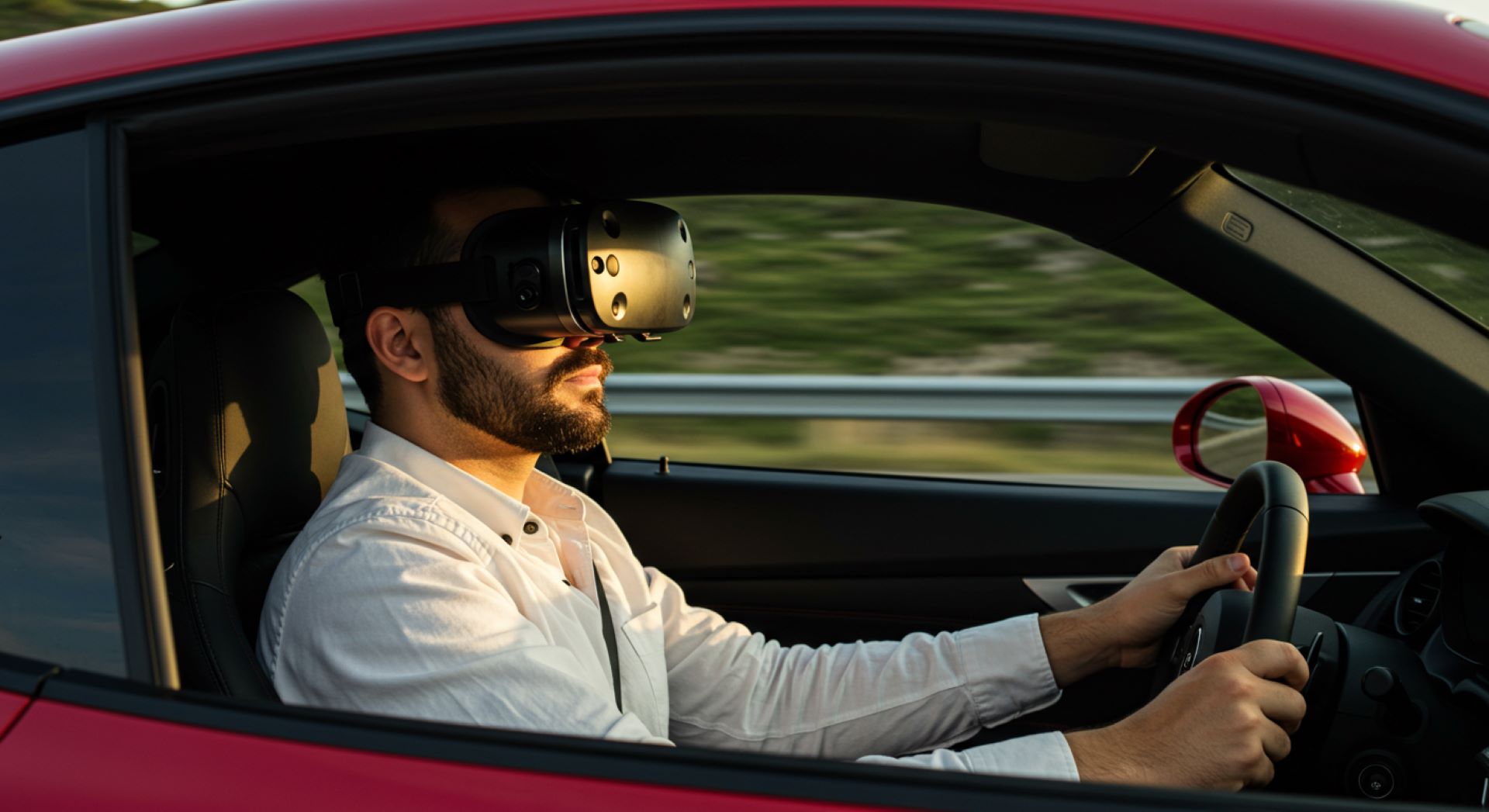
Benefits for Automotive Enthusiasts
Automotive enthusiasts are particularly well-suited to benefit from AR and VR advertising campaigns. Enthusiasts, who often have a deep knowledge of cars and an emotional connection to the brands they love, crave interactive and personalized experiences that allow them to engage with vehicles on a deeper level. AR and VR allow enthusiasts to explore every detail of a car, from its design to its features, in ways that were not possible through traditional media.
One of the most appealing aspects of AR and VR for automotive enthusiasts is the ability to customize and personalize their vehicles. With AR, users can visualize how different optionsÔÇösuch as wheel designs, paint colors, and interior materialsÔÇöwould look on a specific model, giving them a more hands-on and tailored approach to vehicle configuration. VR takes this a step further by allowing users to virtually ÔÇ£test driveÔÇØ customized vehicles, offering a more immersive and personalized experience than ever before.
Moreover, AR and VR technologies allow automotive enthusiasts to learn about and explore vehicles in more depth. For example, virtual tours of vehicle engines, features, and performance capabilities allow enthusiasts to examine the finer details of a carÔÇÖs design and mechanics, something that would be difficult to achieve in traditional advertising formats. This level of interactivity satisfies the curiosity and passion that automotive enthusiasts have for the industry and provides them with valuable insights into the vehicles they are considering.
Challenges and Limitations
While the potential of AR and VR in automotive advertising is immense, there are challenges and limitations to consider. Implementing these technologies requires significant financial investment in both hardware and software development, making it a costly undertaking for brands, especially smaller automakers or dealerships. Additionally, creating high-quality immersive content is time-consuming and requires expertise in areas such as 3D modeling, animation, and user experience design.
There are also logistical challenges related to the accessibility of AR and VR experiences. Not all consumers have access to the necessary hardware, such as high-end VR headsets or AR glasses, which could limit the reach of immersive advertising campaigns. While smartphones can support basic AR experiences, the best VR experiences require specialized equipment, potentially excluding a large portion of the audience.
Privacy concerns also come into play when it comes to immersive advertising. With AR and VR technologies tracking user movements and behaviors, there is potential for data collection that could raise privacy and security issues. Automotive brands must navigate these concerns and ensure that their use of immersive technologies complies with privacy regulations and consumer expectations.
The Future Outlook
Looking ahead, the future of automotive advertising is likely to be shaped by even more advanced immersive technologies. As AR and VR technologies continue to evolve, we can expect to see increasingly sophisticated advertising campaigns that provide more realistic and interactive experiences. For example, the development of mixed-reality technologies, which combine elements of AR and VR, could offer consumers the ability to interact with both real and virtual worlds simultaneously, creating even more dynamic and engaging experiences.
Advancements in AI and machine learning are also expected to play a significant role in the future of automotive advertising. By leveraging AI, brands can personalize AR and VR experiences based on user preferences and behaviors, offering hyper-targeted and relevant content that resonates with individual consumers. Furthermore, AI could enable the creation of more interactive, responsive virtual environments that adapt to users' actions and choices in real time.
Additionally, the increasing availability of 5G networks will likely enhance the quality and accessibility of AR and VR experiences, enabling faster and more seamless delivery of immersive content to users. As these technologies become more accessible and widespread, we can expect immersive automotive advertising to become a standard in the industry rather than a novelty.

The integration of AR, VR, and other immersive technologies is reshaping the automotive advertising landscape, offering brands new ways to engage with consumers, build emotional connections, and create personalized, interactive experiences. While there are challenges and limitations to overcome, the potential benefits of immersive advertising for both brands and consumers are undeniable. As these technologies continue to evolve and become more accessible, the future of automotive advertising looks increasingly immersive, interactive, and personalized, providing exciting opportunities for both automotive enthusiasts and brands alike.
By embracing these innovations, the automotive industry can drive the next wave of advertising that not only showcases vehicles but also engages and inspires the audience on a deeper, more personal level.
Breyten Odendaal
Specializing in high-performance automotive advertising and digital marketing solutions, delivering cutting-edge insights and the latest news shaping the automotive industry in South Africa.
More From Advertising

Automotive Advertising in 2026: Selling Confidence in a More Competitive Market
As South Africa’s vehicle market becomes more competitive, automotive advertising needs to do more than announce a price or specification. It needs to help buyers understand value, ownership costs and why a vehicle suits their lives.

Automotive Digital Ads in South Africa: A Shift
Exploring how South Africa’s automotive advertising evolved from print and broadcast to data-driven, programmatic digital ecosystems.

The Video Shift in Car Buying Decisions in SA
Explore how video content shapes car purchase decisions in South Africa, comparing short-form and long-form strategies for automotive marketers.