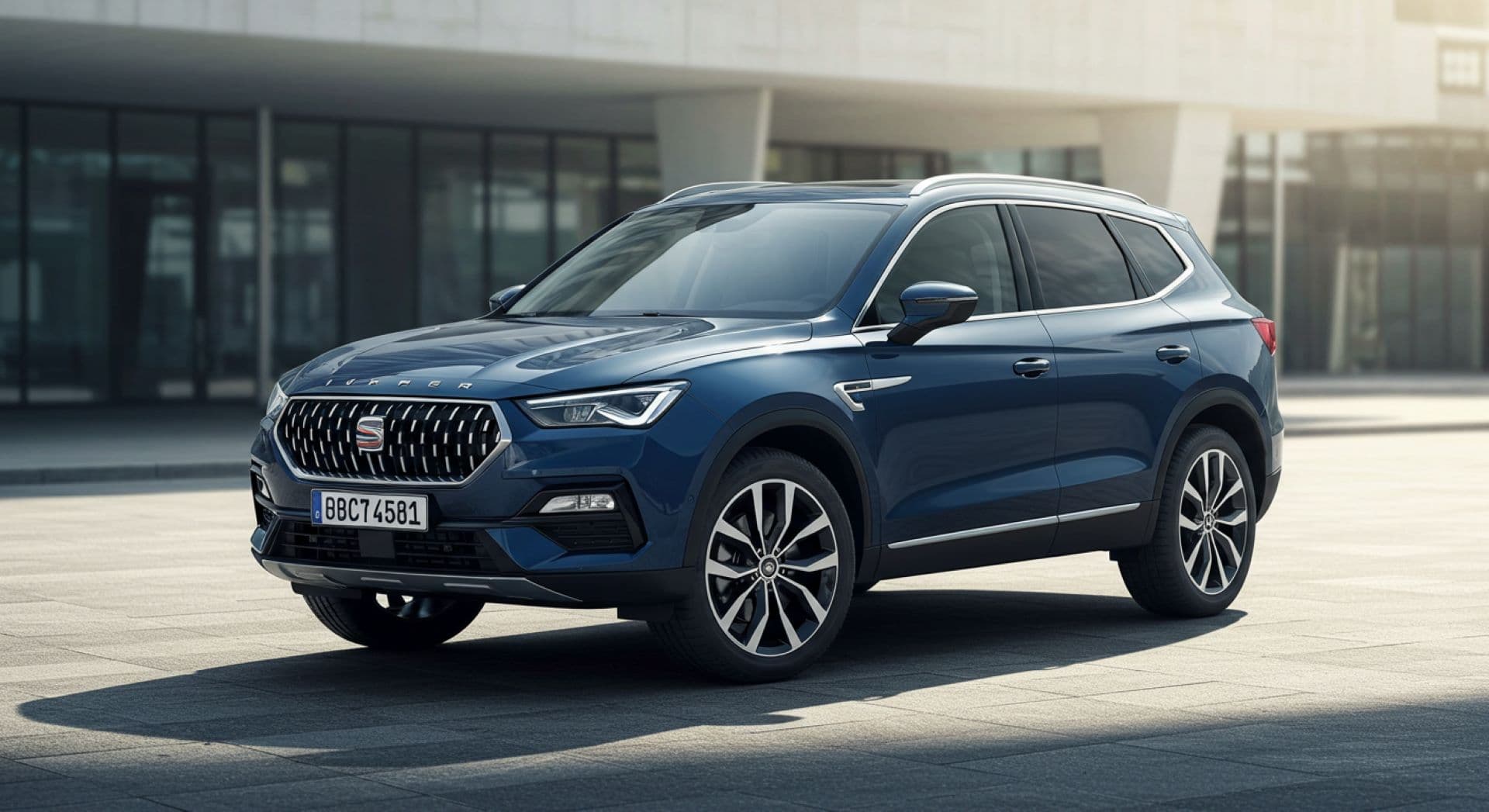
A Driving Force in Family Life
Family cars have been at the heart of countless journeys ÔÇö from the weekend getaways to school runs, long road trips to daily commutes. In fact, nearly 80% of car owners in the U.S. cite their vehicle as a crucial component of their family lifestyle, highlighting the importance of these cars in shaping family life. WhatÔÇÖs more, the average family spends up to 500 hours a year in their cars, making the family vehicle a key element in everyday routines.
The evolution of the family car, from the iconic station wagons of the 1950s to todayÔÇÖs tech-laden SUVs, is a reflection of societyÔÇÖs ever-changing needs. But the journey doesn't stop there. With the promise of electric, autonomous, and fully connected vehicles, the future of family cars is boundless. This article takes a deep dive into how consumer preferences, technological breakthroughs, and shifting lifestyles have transformed family cars, and how theyÔÇÖll continue to evolve in the future.
Historical Overview of the Family Car: A Roadmap of Change
The Rise of the Station Wagon
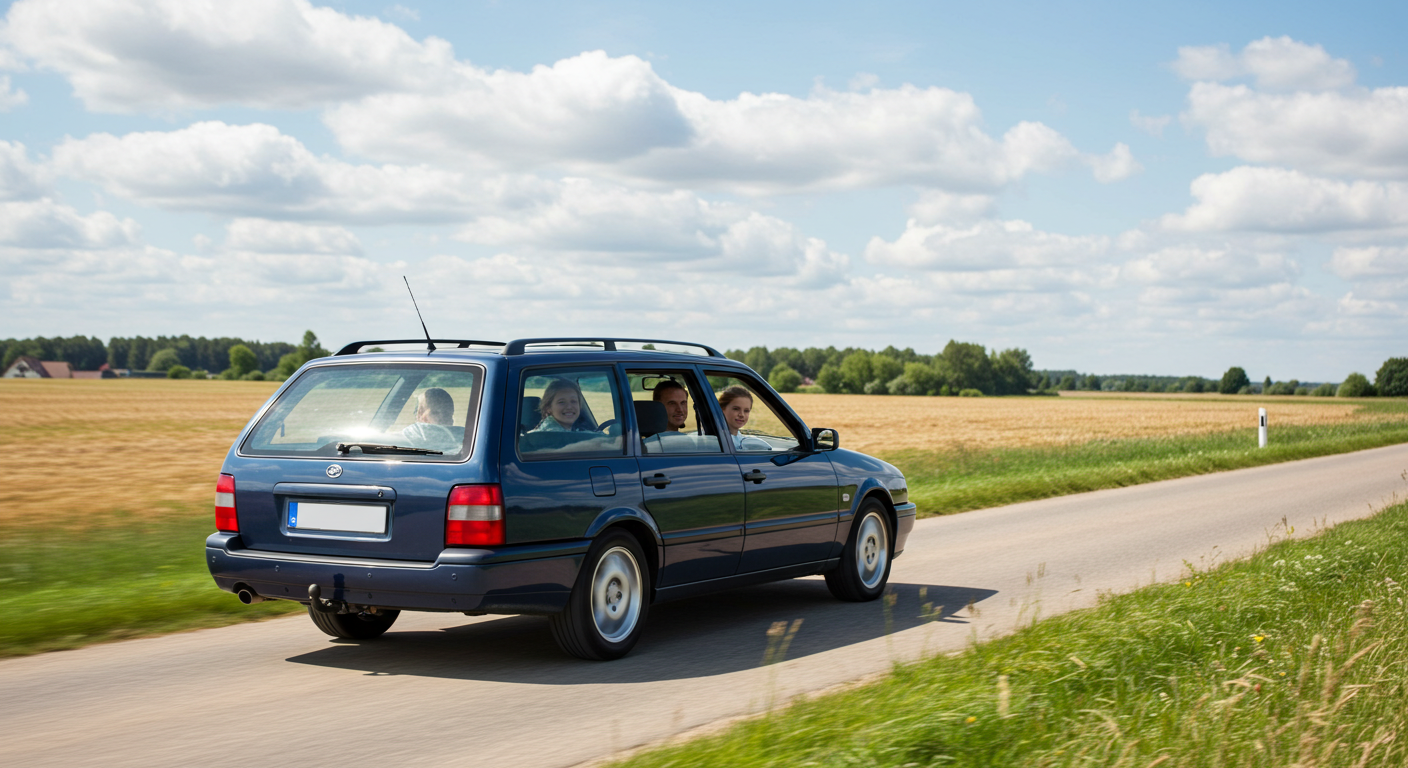
The family car as we know it today has humble roots. In the mid-20th century, the family vehicle of choice was the station wagon ÔÇö a versatile, spacious car with a long roofline and rear seats that could fold flat to accommodate larger loads. Perfect for transporting kids, pets, and groceries, these cars became the epitome of family practicality. It was the 1950s when the station wagon truly found its place, thanks to innovations like rear-facing third-row seats and expansive storage spaces.
For many families, the station wagon was synonymous with adventure and freedom. Iconic models such as the Ford Country Squire and Chevrolet Bel Air not only offered comfort but also embodied the optimism of post-war America. With their wood paneling, spacious interiors, and distinctive design, station wagons became symbols of family-friendly vehicles, making them a staple on American highways.
The Minivan Revolution
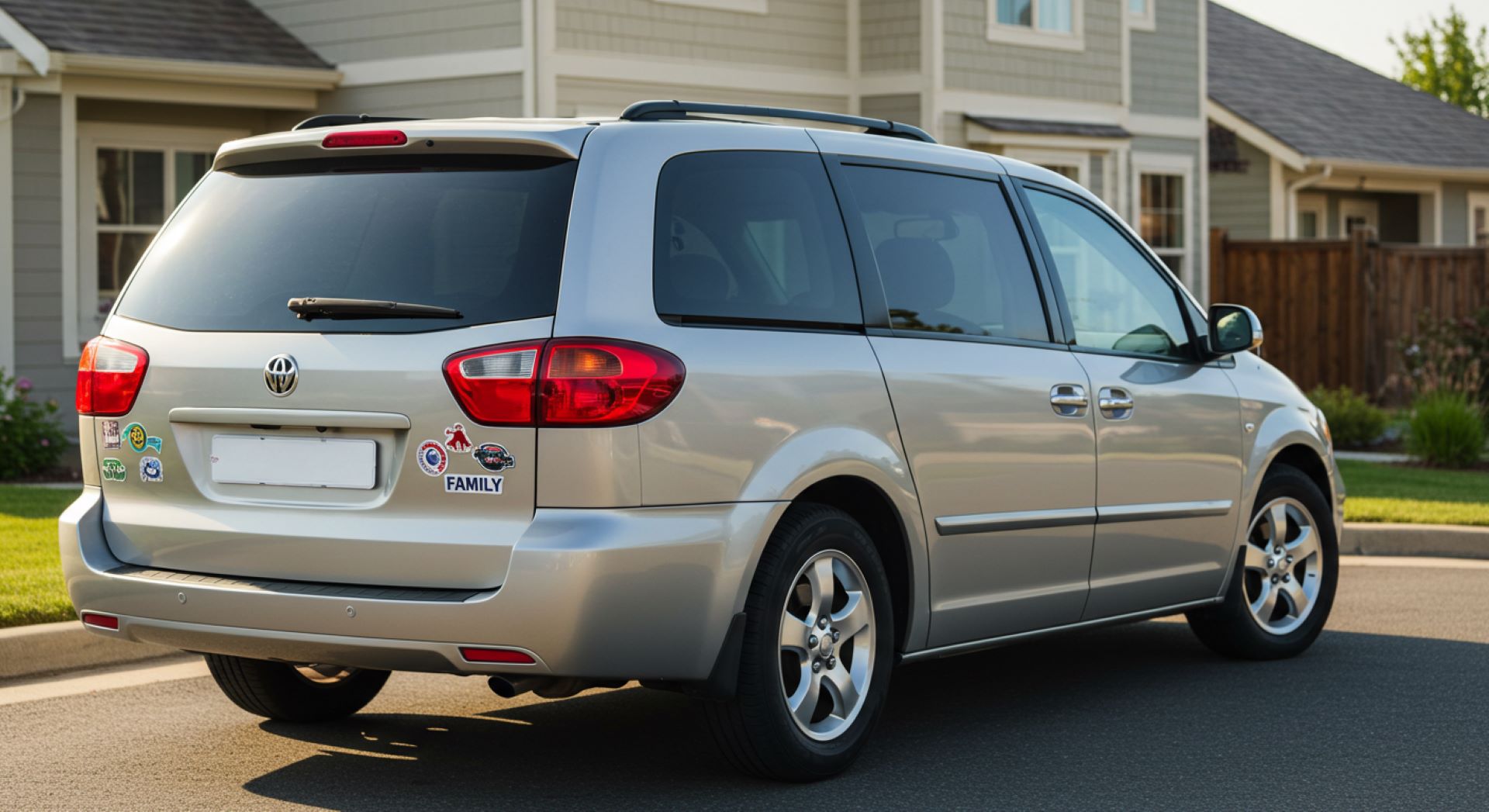
In the 1980s, however, the family vehicle landscape was transformed once again. The minivan emerged as the perfect solution for families in need of a vehicle that was not only spacious but also easy to maneuver and more fuel-efficient than the full-size station wagons. The Chrysler Pacifica, released in 1984, was one of the first to redefine the family car with a more compact design and clever use of space.
The minivan was a marvel of design, offering sliding doors for easy access in tight parking spaces, rear seats that could be stowed or folded flat for cargo space, and plenty of legroom for growing families. It catered to parentsÔÇÖ needs for comfort, practicality, and a sense of security. For over two decades, minivans ruled the road, and models like the Honda Odyssey, Toyota Sienna, and Dodge Caravan became synonymous with family life.
Technological Innovations in the 90s and 2000s
As family cars became more technologically advanced, manufacturers began to introduce innovations like air conditioning, power windows, advanced safety features, and entertainment systems. The 1990s saw airbags become a standard feature in most family vehicles, enhancing safety for passengers. By the 2000s, features like DVD players and Bluetooth connectivity began to appear, improving the comfort and entertainment experience for families on the road.
The Rise of the SUV: A Cultural Shift
Changing Tastes and a Growing Desire for Versatility
The 1990s saw the SUV surge in popularity, slowly overtaking the once-dominant minivan. While SUVs had existed for decades, the mid-1990s marked a turning point, with models like the Toyota RAV4 and Honda CR-V appealing to families seeking more rugged versatility and a higher driving position. These compact SUVs blended the utility of a truck with the comfort and style of a sedan, making them a perfect choice for families who wanted a car that could handle both the school drop-off and weekend excursions to the mountains or beach.
The popularity of SUVs continued to climb in the 2000s as manufacturers began offering more options, from compact crossovers to larger, full-sized SUVs like the Ford Expedition and Chevrolet Suburban. The SUVÔÇÖs appeal was driven by its practicality ÔÇö a larger interior, ample cargo space, higher ground clearance, and a better driving view ÔÇö all wrapped in an image of adventure and luxury.
Design Shifts: The Crossover Era
The crossover, a subcategory of the SUV, took the market by storm in the 2000s, combining the high driving position of an SUV with the fuel efficiency and handling of a car. With more family-friendly features, a smooth ride, and improved fuel efficiency, crossovers like the Nissan Rogue and Subaru Outback became hugely popular among families looking for a vehicle that balanced comfort with performance.
The crossoverÔÇÖs appeal was in its ability to provide ample space without sacrificing the ease of driving. The idea of a car with the performance of an SUV but with the handling and design of a sedan resonated with families, leading to the growth of models designed specifically for family-centric consumers.
Current Trends and Innovations: From Eco-friendly to Tech-Driven
Electric and Hybrid Options
Fast forward to today, and the family car is not only about comfort and space, but also about sustainability. With the growing emphasis on reducing carbon footprints, electric and hybrid SUVs are becoming a cornerstone of the family car market. Vehicles like the Tesla Model Y, Ford Mustang Mach-E, and Toyota Highlander Hybrid offer families the ability to enjoy the benefits of modern SUV design while minimizing their environmental impact.
Electric family cars are no longer confined to the luxury market. Thanks to advancements in battery technology and the expansion of electric charging infrastructure, the appeal of electric SUVs and crossovers is undeniable. The ability to go on a road trip without worrying about fuel consumption or carbon emissions is an exciting prospect for eco-conscious families.
Smart Technology Integration
TodayÔÇÖs family cars come packed with technology that was once unimaginable. From Apple CarPlay and Android Auto to advanced safety systems like lane-keeping assist, blind-spot detection, and automatic emergency braking, the modern family vehicle is safer, smarter, and more connected than ever. These innovations not only keep passengers safe but also make long drives more enjoyable with integrated entertainment systems, voice-controlled navigation, and real-time updates on weather and traffic conditions.
Automakers are also increasingly focusing on autonomous driving technology. While fully autonomous vehicles are still years away from mainstream adoption, many family cars now feature semi-autonomous capabilities, including self-parking and hands-free driving assistance on highways.
The Role of Family Cars in the Future
An Outlook on TomorrowÔÇÖs Family Car
As we look to the future, itÔÇÖs clear that family cars will continue to evolve in line with societal needs and technological advancements. The push for electrification will only intensify, with governments around the world introducing stricter emissions regulations and offering incentives for electric vehicle (EV) purchases. By 2030, itÔÇÖs expected that 40% of all new car sales will be electric ÔÇö a figure that speaks volumes about the future direction of the family car.
Smart technology will play an even bigger role. Cars will become more integrated into the digital ecosystem, allowing for seamless connectivity with smart homes, predictive maintenance, and AI-driven features that adapt to the driving habits of families. Moreover, innovations in vehicle-to-everything (V2X) communication will pave the way for safer, more efficient roads.
Case Study Comparisons: Vehicles That Changed the Family Car Game
Toyota RAV4: A Game-Changer in Compact SUVs
Launched in 1994, the Toyota RAV4 was one of the first compact SUVs to hit the market and quickly became one of the best-selling family cars. Its combination of compact size, fuel efficiency, and practicality made it ideal for small families or individuals looking for more versatility than a traditional sedan.
Chrysler Pacifica: The Renaissance of the Minivan
While SUVs have captured much of the family car market, the Chrysler Pacifica has redefined the minivan with its hybrid version. As one of the first hybrid minivans on the market, it appeals to eco-conscious families who need the space and comfort of a traditional minivan but want the benefits of better fuel efficiency and lower emissions.
The Future: Imagining the Family Car of Tomorrow
The family car will continue to adapt to meet the ever-changing demands of consumers. With advancements in AI, battery technology, and smart infrastructure, the family vehicle of the future will offer more comfort, safety, and sustainability than ever before. Perhaps we will see vehicles that can adapt their configurations on the fly, creating dynamic layouts depending on the number of passengers or the amount of cargo.
WhatÔÇÖs certain is that family cars will continue to be central to the way families live, work, and explore. By embracing innovation and sustainability, future vehicles will not just meet the needs of todayÔÇÖs families but exceed the expectations of those to come.
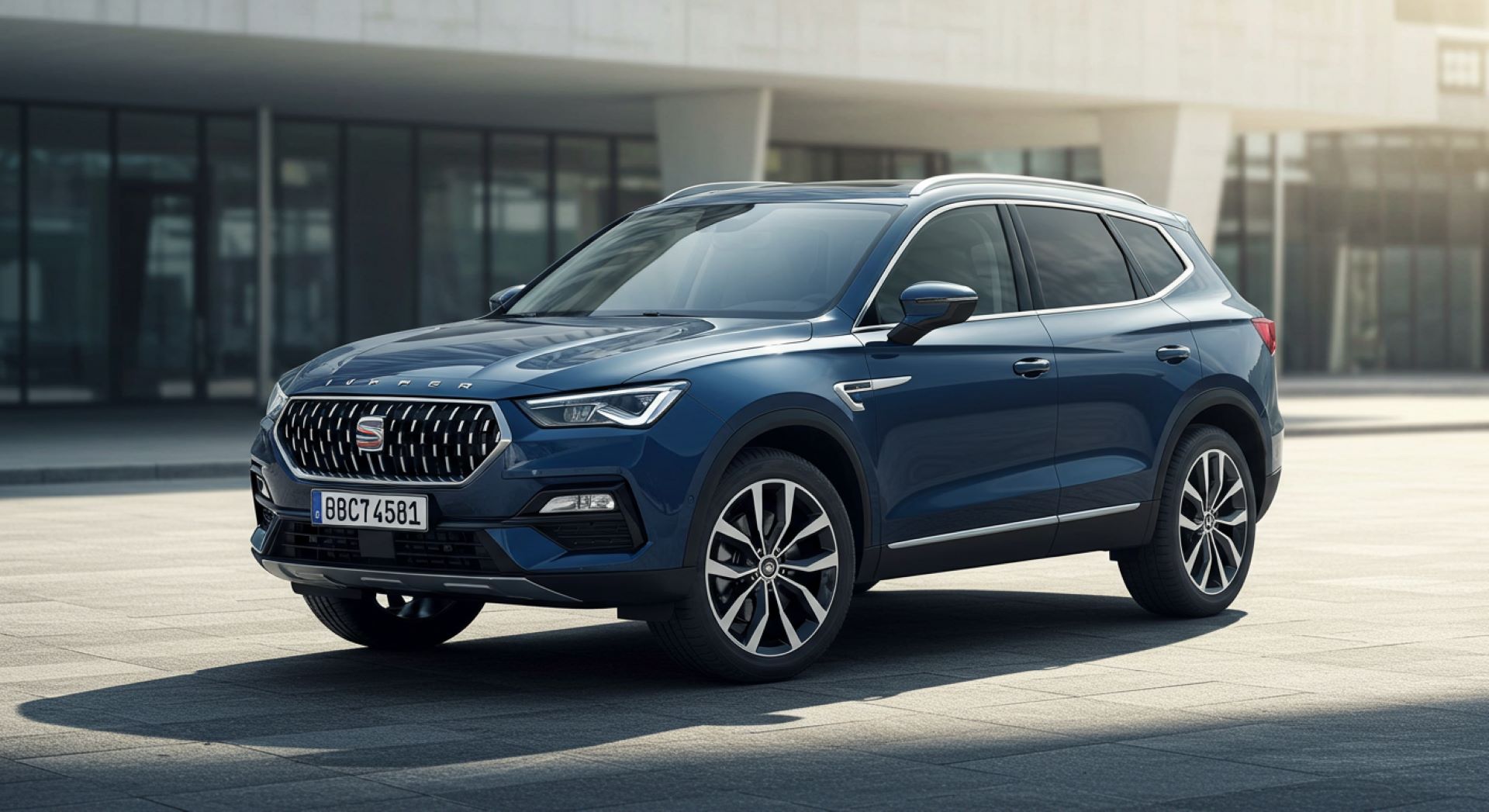
The Road Ahead is Bright
The evolution of the family car has been an inspiring journey. From the practical station wagons of the 1950s to the tech-laden, eco-friendly SUVs of today, each generation of family cars has been a response to the changing needs and aspirations of families. As we look to the future, the promise of electric vehicles, smart technology, and even autonomous driving presents an exciting new chapter in the history of the family car.
For automotive enthusiasts, the evolution of the family car offers a wealth of innovation, showcasing how far weÔÇÖve come and how much more there is to look forward to. With each new model, families will continue to enjoy greater comfort, safety, and connectivity, making the journey of tomorrow more enjoyable than ever before.
Breyten Odendaal
Specializing in high-performance automotive advertising and digital marketing solutions, delivering cutting-edge insights and the latest news shaping the automotive industry in South Africa.
More From Advertising

Automotive Advertising in 2026: Selling Confidence in a More Competitive Market
As South Africa’s vehicle market becomes more competitive, automotive advertising needs to do more than announce a price or specification. It needs to help buyers understand value, ownership costs and why a vehicle suits their lives.

Automotive Digital Ads in South Africa: A Shift
Exploring how South Africa’s automotive advertising evolved from print and broadcast to data-driven, programmatic digital ecosystems.

The Video Shift in Car Buying Decisions in SA
Explore how video content shapes car purchase decisions in South Africa, comparing short-form and long-form strategies for automotive marketers.