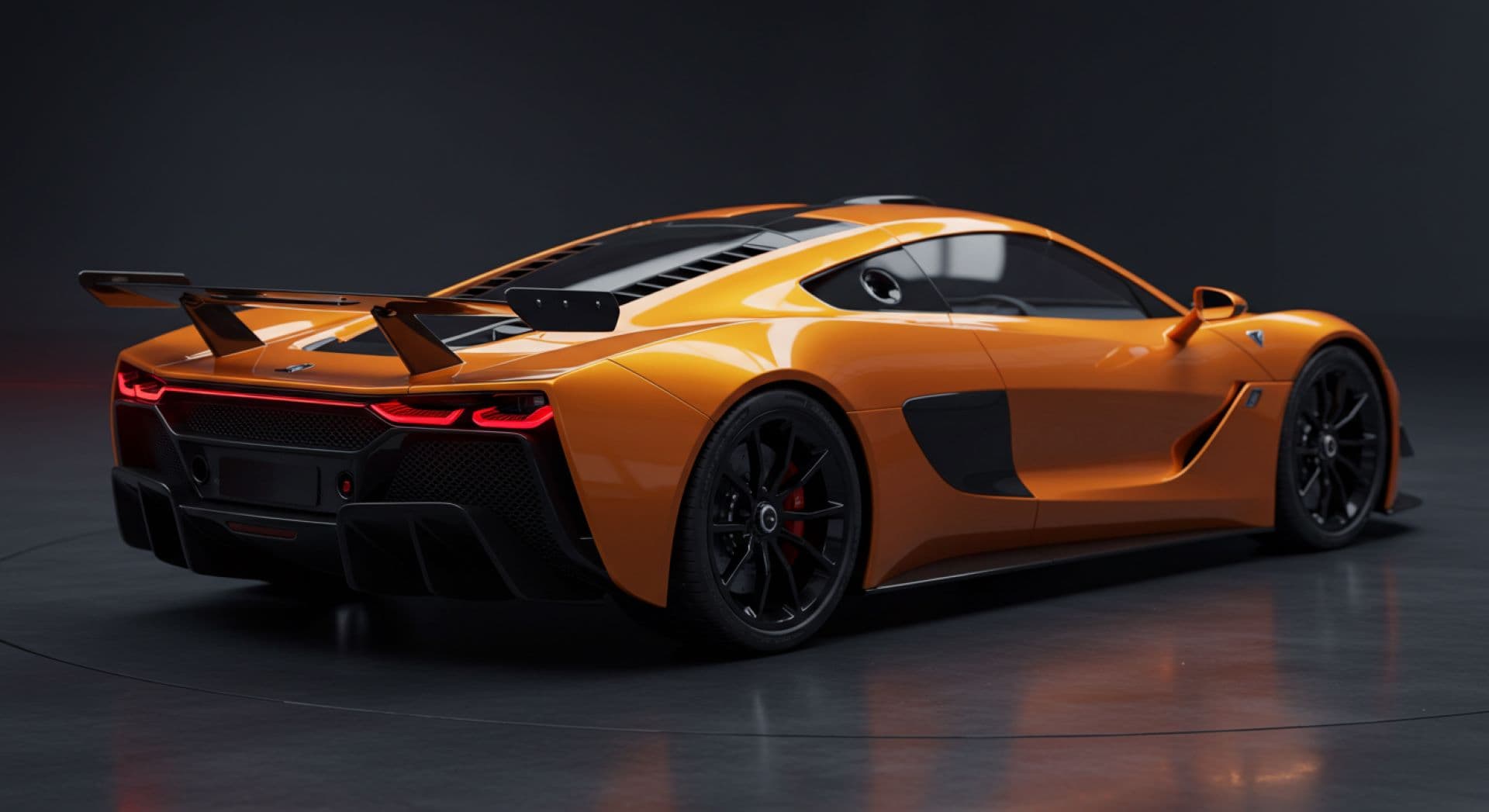
In the world of high-performance automobiles, few categories evoke as much fascination and admiration as hypercars. These machines represent the pinnacle of engineering, design, and exclusivityÔÇöeach one a masterpiece of technology and luxury. For the privileged few who can afford them, owning a hypercar is not merely about driving; it's about making a statement, joining an elite club, and embracing a lifestyle reserved for the worldÔÇÖs most discerning automotive enthusiasts.
But what is it that makes hypercars so captivating? ItÔÇÖs not just their mind-boggling speeds or jaw-dropping aesthetics. ItÔÇÖs the way brands have masterfully crafted a narrative around exclusivity, innovation, and prestige. Hypercar marketing, more than any other sector of the automotive industry, relies on the delicate balance of desire, rarity, and unmatched performance.
This article explores how hypercar brands have evolved their marketing strategies to create an aura of exclusivity that attracts elite buyers. WeÔÇÖll journey through the history of hypercar marketing, examine the strategies that make these cars so alluring, and look toward the future of the hypercar market, all while highlighting the ways brands engage with their high-net-worth clientele.
History and Evolution of Hypercars
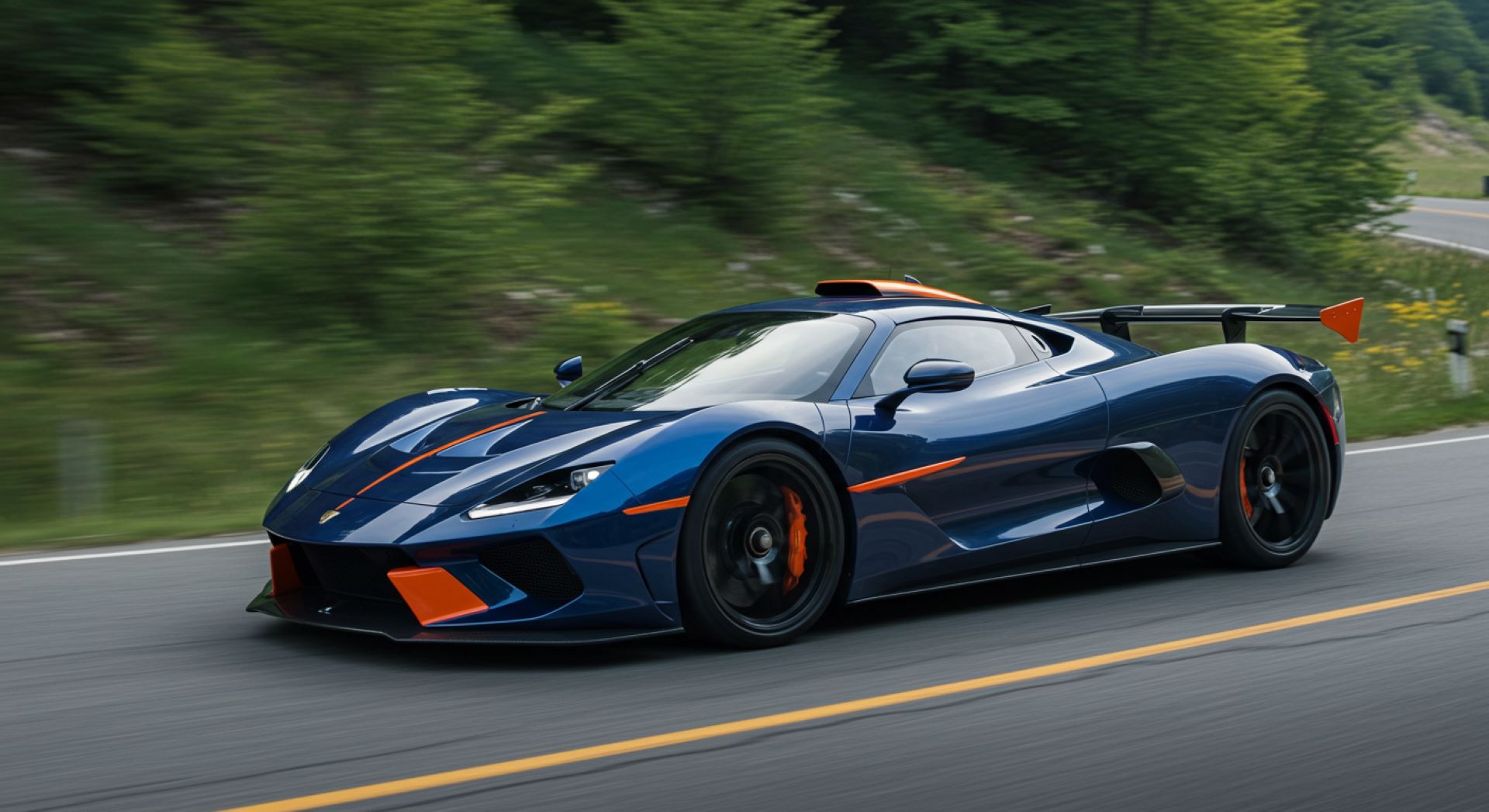
The term "hypercar" may seem like a modern invention, but the foundations of this automotive category were laid long before the 21st century. The concept of a car that combines extreme performance with luxurious design can trace its roots back to the 1960s, when manufacturers like Ferrari and Lamborghini were redefining what a car could be. While these vehicles were not labeled as hypercars at the time, they set the stage for the future.
The real birth of the hypercar, however, came in the early 2000s with the introduction of models such as the Bugatti Veyron. When it was launched in 2005, the Veyron shattered speed records and captivated the world with its 1,001 horsepower and top speed of over 250 mph. The Veyron was the first car to truly embody the concept of a hypercarÔÇöcombining staggering performance with engineering that seemed almost otherworldly.
The rise of hypercars coincided with the explosion of social media and digital marketing, giving brands a platform to showcase their innovations like never before. But while the technology and design of these vehicles continued to evolve, so too did the way brands marketed them. Hypercars are no longer simply about performance; they are about creating a brand experience that transcends the product itself.
The early marketing strategies focused on exclusivity, limited production runs, and celebrity endorsements. But as the competition in the hypercar space intensified, brands began to fine-tune their approaches, relying on bespoke customization options, highly selective events, and tailored experiences to further elevate their status in the eyes of the elite buyer.
Creating Exclusivity in Marketing
Exclusivity is the linchpin of hypercar marketing, and brands go to great lengths to ensure their vehicles are seen as rare treasures. Limited production numbers are one of the most common ways to convey rarity. When a manufacturer announces that only a handful of a certain model will be made, it automatically drives up demand. This strategy is especially effective in the hypercar market, where scarcity is often directly linked to desirability.
Take the example of the Ferrari LaFerrari, a hybrid hypercar that was produced in limited quantitiesÔÇöjust 500 units were made. Its rarity, combined with cutting-edge hybrid technology, helped cement FerrariÔÇÖs reputation as a maker of exclusive vehicles for the wealthy elite. Similarly, McLarenÔÇÖs P1, which was produced in just 375 units, employed the same tactic of creating an air of exclusivity that appealed to its affluent target audience.
But exclusivity isnÔÇÖt only about numbers; itÔÇÖs also about personalization. Hypercar buyers are not simply looking for a fast car; they want a vehicle that reflects their individuality. Brands have responded by offering a wide range of customization options, from bespoke paint jobs to custom interior finishes. McLaren Special Operations (MSO) is a prime example of this approach, offering customers the opportunity to create one-of-a-kind vehicles tailored to their exact specifications.
Even beyond the cars themselves, brands have crafted exclusive events and private sales experiences that deepen the connection between the buyer and the brand. The invitation-only nature of these eventsÔÇöwhether itÔÇÖs an unveiling at a secret location or a private driving experience on a closed circuitÔÇöfurther reinforces the allure of exclusivity. These experiences are not just about the car; they are about immersing the buyer in a world of luxury and status.
The psychological appeal of exclusivity cannot be underestimated. It taps into a deep desire for uniqueness and social distinction. For many buyers, owning a hypercar is not only about speed and performance but about possessing something that few others canÔÇösomething that elevates their status in the eyes of their peers.
The Role of Innovation and Technology
For hypercars, innovation and cutting-edge technology are more than just selling pointsÔÇöthey are integral components of the vehicleÔÇÖs identity. Every hypercar manufacturer, from Ferrari to Porsche to Bugatti, focuses heavily on pushing the boundaries of what is possible in automotive engineering. These brands leverage innovation not only to improve performance but also to differentiate themselves in an intensely competitive market.
Take, for instance, the Rimac C_Two, an all-electric hypercar that boasts a powertrain capable of delivering 1,914 horsepower. This car is a beacon of how electric vehicles are changing the hypercar landscape, offering an environmentally conscious alternative to traditional petrol-powered models without sacrificing performance. RimacÔÇÖs marketing emphasizes its groundbreaking battery technology and electric drivetrain, positioning the C_Two as a next-gen hypercar that represents the future of performance vehicles.
Similarly, the Koenigsegg Jesko Absolut, with its top speed in excess of 300 mph, exemplifies the brandÔÇÖs commitment to pushing the boundaries of speed and performance. KoenigseggÔÇÖs marketing highlights the carÔÇÖs unique technical features, such as its AeroDisc wheels and the innovative Transmission of the Future, designed to optimize both performance and efficiency.
Technology in hypercars is also increasingly about sustainability. Manufacturers are using carbon-neutral materials, cutting-edge aerodynamics, and hybrid powertrains to reduce environmental impact while maintaining unmatched performance. The hybrid Ferrari SF90 Stradale, for instance, combines traditional Ferrari engineering with hybrid technology to deliver blistering speed while reducing emissions. By positioning themselves as leaders in sustainability, these brands are appealing to a new generation of buyers who value both performance and environmental consciousness.
Brand Narratives and Identity
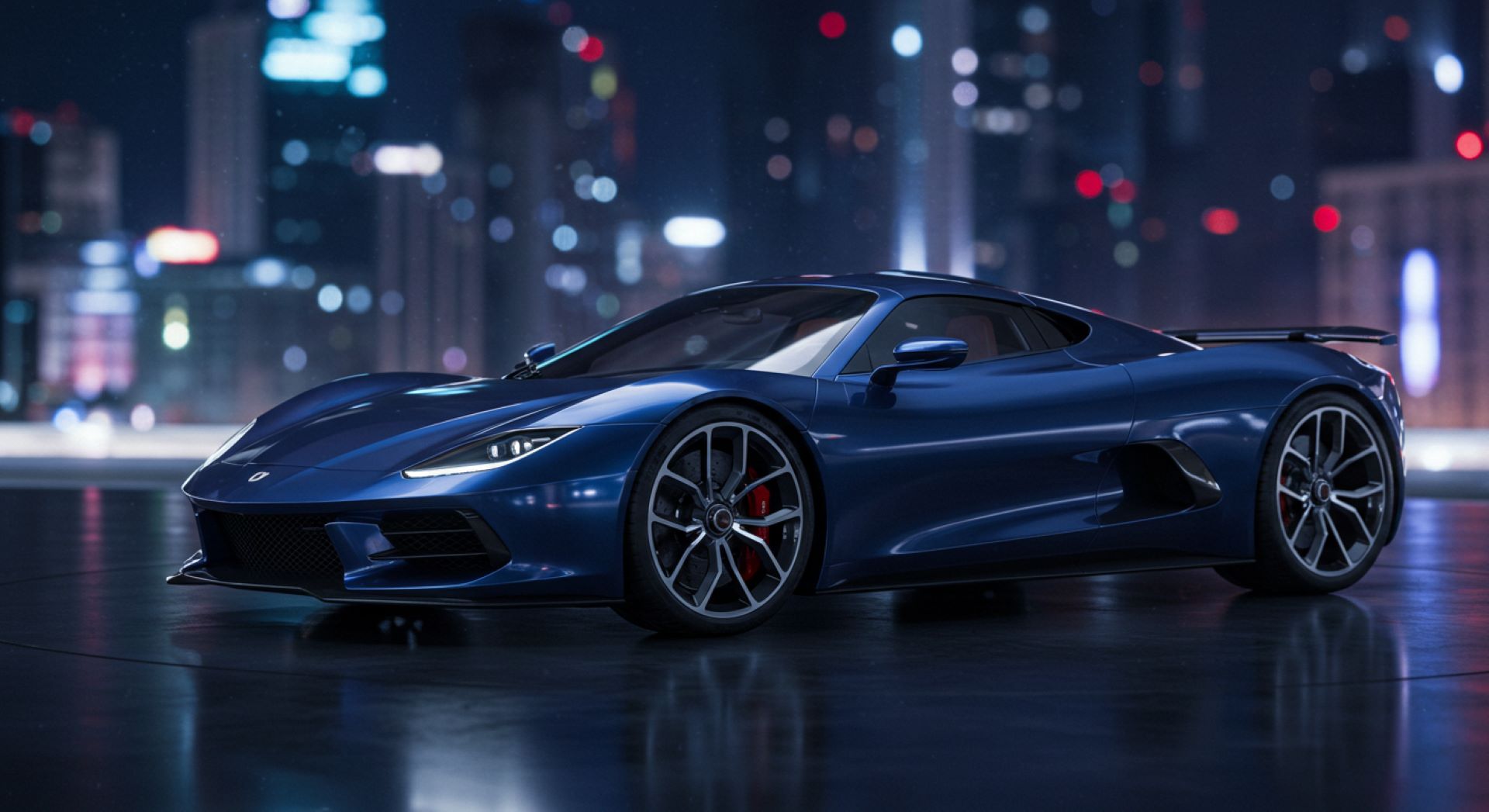
Beyond the technology and exclusivity of hypercars, the brands behind them have mastered the art of storytelling. Every successful hypercar brand crafts a narrative that not only explains their technological prowess but also speaks to the aspirations of their customers.
For example, Ferrari has long relied on its racing heritage to establish an identity rooted in performance and passion. The brandÔÇÖs campaigns often feature iconic moments from Formula 1, associating their hypercars with the raw emotion and precision of motorsport. FerrariÔÇÖs history is not just about the cars; itÔÇÖs about the vision of Enzo Ferrari, the founder, and the pursuit of perfection that has defined the company for decades.
Likewise, Bugatti, with its focus on luxury and unparalleled craftsmanship, has built an identity around the idea of "Art in Motion." The Bugatti Chiron, for instance, is marketed not just as a car but as a masterpiece, a vehicle that combines performance with aesthetics in a way few others can match.
These brands use their heritage and brand stories to create a deep emotional connection with their customers, making the cars more than just vehiclesÔÇöthey become symbols of achievement, taste, and a lifestyle that goes beyond driving.
Targeting Elite Buyers
Marketing hypercars is as much about building relationships as it is about selling cars. To target the elite buyer, brands employ a highly personalized approach. These buyers are not swayed by mass marketing campaigns or broad advertising strategies. Instead, hypercar brands focus on one-to-one engagement, offering experiences that are tailored to the individual.
Many brands host exclusive events where potential buyers can experience the cars in a controlled environment. Whether itÔÇÖs a private track day, a luxury driving experience, or an intimate dinner with the brandÔÇÖs engineers, these events offer buyers a chance to engage directly with the brand in a way that feels personal and exclusive.
PorscheÔÇÖs ÔÇ£Exclusive ManufakturÔÇØ program, for example, allows customers to design their own vehicles with bespoke features that reflect their personal taste. Through this program, Porsche builds long-lasting relationships with customers, ensuring they feel valued and connected to the brand.
Additionally, brands use VIP clienteling to make buyers feel special throughout the purchasing journey. From personalized showrooms to dedicated account managers, hypercar manufacturers ensure that every step of the process reflects the exclusivity and luxury of their products.
Future Trends and Opportunities
Looking ahead, hypercar marketing will continue to evolve, driven by changing consumer preferences, technological advancements, and new global markets. As digital experiences become more immersive, hypercar brands may increasingly turn to virtual and augmented reality to showcase their vehicles to a global audience. This shift will allow buyers from all over the world to experience these cars without ever stepping into a showroom.
Eco-consciousness will also play a pivotal role in shaping the future of hypercar marketing. With a growing emphasis on sustainability, we can expect more brands to incorporate green technologies into their vehicles and marketing campaigns, ensuring that luxury and performance donÔÇÖt come at the cost of the environment.
At the same time, hypercar brands will need to navigate the complexities of an expanding global market, particularly in regions like Asia and the Middle East, where wealth is growing rapidly and new buyers are emerging.
The evolution of hypercar marketing is a testament to the power of exclusivity, innovation, and storytelling. As brands continue to refine their strategies to target elite buyers, the future of hypercars looks brighter than ever. From limited-edition models to cutting-edge technology and personalized experiences, the world of hypercars will continue to captivate automotive enthusiasts and collectors alike.
As the industry moves forward, the opportunities for innovation in both technology and marketing are boundless. The key to success will be maintaining that delicate balance between performance, prestige, and exclusivityÔÇöensuring that hypercars remain not only the ultimate in automotive engineering but also the ultimate expression of personal achievement.
In the world of hypercars, the journey is just as thrilling as the destination.
Breyten Odendaal
Specializing in high-performance automotive advertising and digital marketing solutions, delivering cutting-edge insights and the latest news shaping the automotive industry in South Africa.
More From Advertising
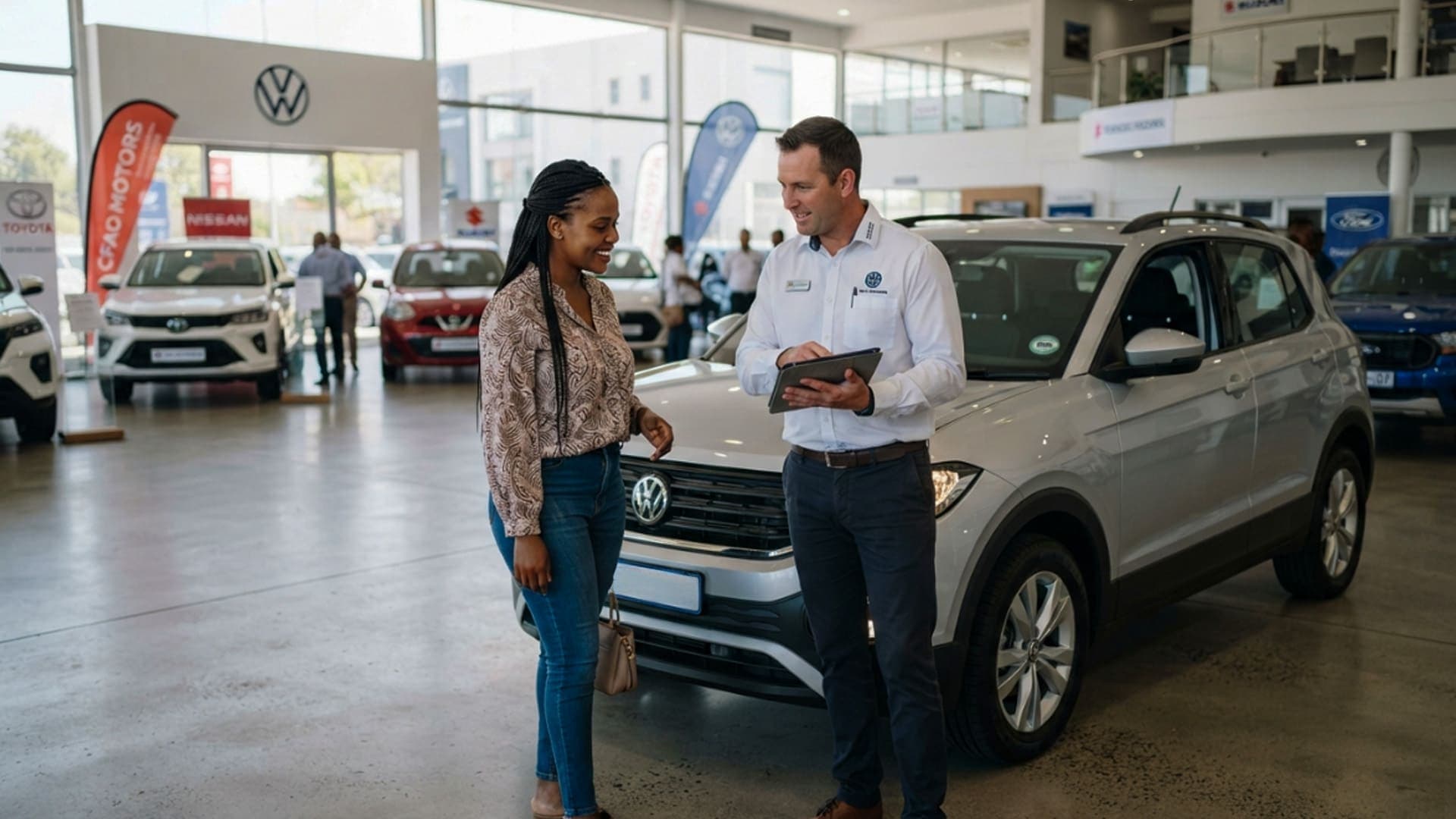
Automotive Advertising in 2026: Selling Confidence in a More Competitive Market
As South Africa’s vehicle market becomes more competitive, automotive advertising needs to do more than announce a price or specification. It needs to help buyers understand value, ownership costs and why a vehicle suits their lives.

Automotive Digital Ads in South Africa: A Shift
Exploring how South Africa’s automotive advertising evolved from print and broadcast to data-driven, programmatic digital ecosystems.

The Video Shift in Car Buying Decisions in SA
Explore how video content shapes car purchase decisions in South Africa, comparing short-form and long-form strategies for automotive marketers.