
The Changing Road of Automotive Marketing
For decades, television advertising reigned supreme in the automotive sector. Iconic commercials ÔÇô from the adrenaline-fueled thrill of a Mustang tearing down the open road to the luxury elegance of a Mercedes-Benz gliding through a cityscape ÔÇô shaped not just consumer awareness but aspirations. TV was the uncontested medium to reach mass audiences, delivering high impact visuals, memorable jingles, and persuasive storytelling.
Yet, the last ten years have witnessed a tectonic shift. Consumer media consumption habits have fragmented, accelerated by the proliferation of streaming services, mobile devices, and digital platforms that allow brands to speak directly to highly targeted audiences. Automakers, once loyal to the tried-and-tested television playbook, are now recalibrating their media spend, prioritizing digital-first campaigns that promise greater engagement, measurability, and return on investment.

The Decline of TV Advertising in the Automotive Sector
While TV still delivers scale, its influence over the purchase journey has diminished. Nielsen reports and industry surveys consistently reveal that younger audiences ÔÇô millennials and Gen Z ÔÇô consume content on-demand, skipping traditional ad breaks entirely. DVRs, streaming services, and ad-free platforms mean that a 30-second spot no longer guarantees exposure, making it a less efficient use of budgets.
Moreover, the cost of television advertising has surged. Prime-time spots, major sporting events, and popular series now command fees that can easily reach into the millions for a single campaign window. For automakers, the economic calculus is shifting: high costs, decreasing attention, and limited measurability make traditional TV less appealing, particularly when digital channels offer more precise targeting and engagement analytics.
Digital-First Campaigns: The New Highway
Digital-first campaigns encompass a spectrum of channels and strategies ÔÇô from social media advertising to programmatic display, influencer partnerships, search engine marketing, and immersive experiences in virtual and augmented reality. The beauty of these platforms lies not just in targeting but in the ability to interact, measure, and iterate campaigns in near real-time.
Take, for example, the launch of a new electric vehicle (EV). A traditional TV campaign might showcase the car in a dramatic 60-second ad, leaving marketers guessing at its impact. By contrast, a digital-first approach allows automakers to deploy a layered strategy: YouTube teasers highlight performance and design, Instagram and TikTok campaigns engage younger audiences with lifestyle-focused storytelling, and AR filters enable users to visualise the vehicle in their own driveway. Each interaction can be tracked, measured, and optimised to drive lead generation and test-drive bookings.
Targeting the Right Driver: Audience Segmentation in Digital
Digital-first marketing excels because it allows precise segmentation. Traditional TV spots broadcast to millions of households, many of whom may have little interest in luxury SUVs or EVs. Digital platforms, however, enable automakers to identify micro-segments based on interests, demographics, purchasing behaviour, and even intent signals.
For instance, a European premium carmaker may target environmentally conscious urban professionals with content emphasizing electric mobility and sustainability. Meanwhile, a mass-market brand launching a family SUV might focus on parents actively researching safety features and financing options. By delivering tailored messaging at the right moment in the consumer journey, automakers are no longer selling products to a passive audienceÔÇöthey are engaging active buyers in a personalised dialogue.
The Rise of Social and Influencer Engagement
Social media platforms have become vital touchpoints for automotive brands. Instagram, TikTok, YouTube, and LinkedIn now provide fertile ground for storytelling, user-generated content, and influencer partnerships. In an era where trust in traditional advertising has eroded, recommendations from respected automotive influencers or lifestyle creators carry significant weight.
Brands are increasingly leveraging influencers to craft authentic narratives. A mid-sized SUV launch might feature influencers documenting real-life adventures, demonstrating safety, practicality, and driving pleasure in authentic environments. These stories resonate more strongly than a scripted television spot, fostering a sense of community and shared experience. Influencer campaigns also integrate seamlessly with e-commerce tools, allowing immediate action and conversionÔÇösomething TV rarely achieves.
Data-Driven Decisions: Analytics and ROI
One of the most compelling reasons automakers are embracing digital-first campaigns is measurability. Digital marketing provides actionable data that traditional TV cannot. Impressions, clicks, engagement rates, and conversion metrics can be tracked in real-time, enabling marketers to adjust creative, messaging, and spend allocation dynamically.
This data-driven approach aligns perfectly with the automotive sectorÔÇÖs increasingly complex sales funnel. From awareness to consideration, test-drive bookings, and purchase, each stage can be monitored digitally, providing insights into campaign effectiveness, audience preferences, and brand sentiment. In an era of tighter marketing budgets and ROI scrutiny, this capability is invaluable.
Experiential Marketing and Immersive Technologies
Digital-first does not only mean display ads and social campaigns. Automakers are increasingly experimenting with immersive technologies like virtual reality (VR) and augmented reality (AR) to enhance consumer engagement. Digital showrooms, interactive 360-degree vehicle tours, and gamified experiences allow potential buyers to experience a car before stepping into a dealership.
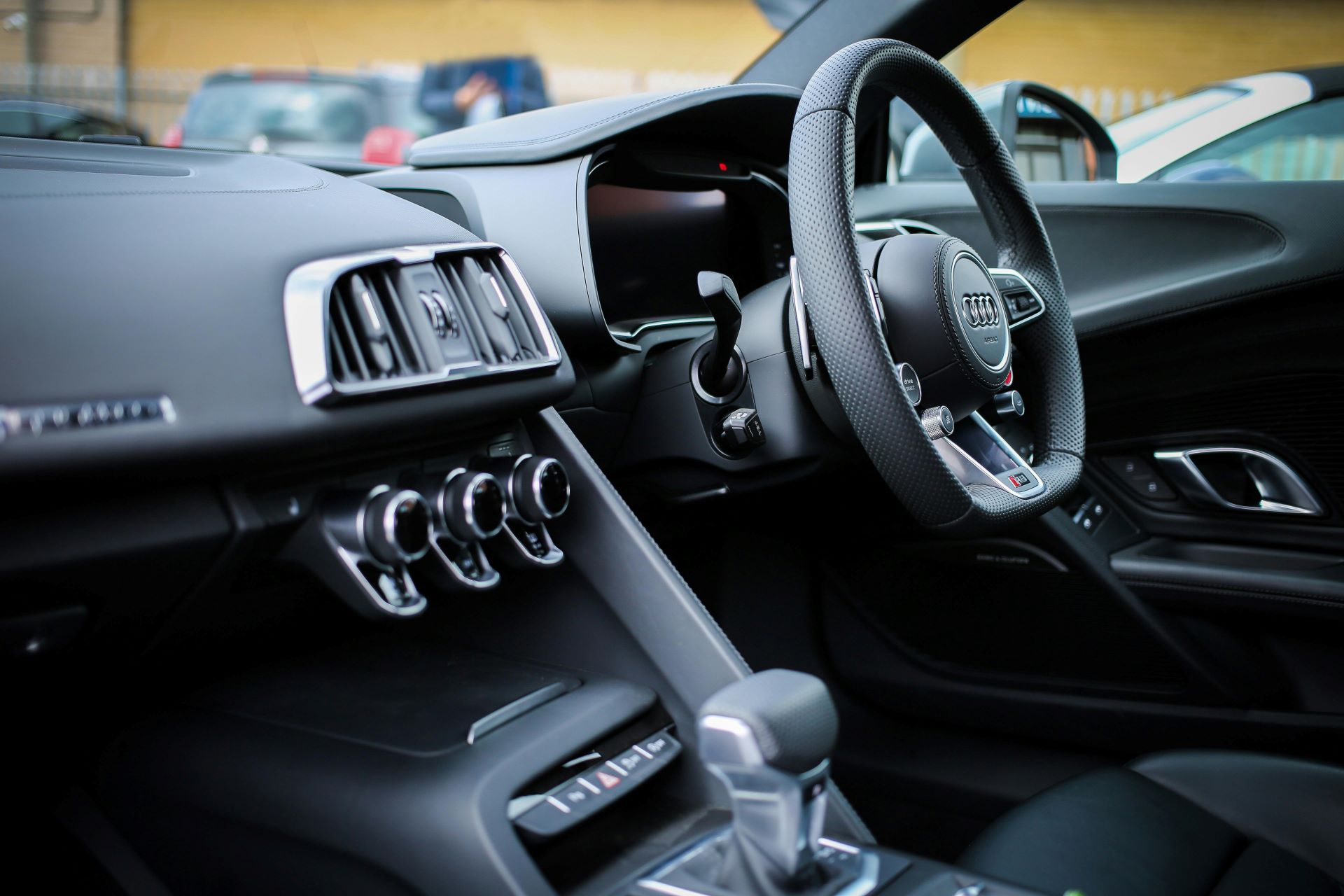
For instance, Audi and BMW have both launched AR applications that let users customise vehicles in real time, explore features, and visualise them in different environments. These initiatives extend the digital experience beyond screens, offering memorable, shareable moments that can amplify brand reach organicallyÔÇöa level of engagement that traditional television simply cannot replicate.
Streaming and Connected TV: Bridging the Gap
It is worth noting that television is not disappearing entirelyÔÇöit is evolving. Connected TV (CTV) and streaming platforms offer a hybrid solution, combining the scale of traditional TV with the targeting capabilities of digital. Automakers are increasingly investing in CTV campaigns, which allow ads to reach cord-cutters and streaming audiences with programmatic precision.
By integrating CTV with broader digital campaigns, brands can maintain a television presence while benefiting from data analytics, audience segmentation, and cross-platform optimisation. This hybrid approach represents a transitional model, bridging the familiar authority of TV with the precision and flexibility of digital marketing.
Budget Reallocation: From Broadcast to Byte
The financial implications of this shift are profound. Research from McKinsey and Deloitte indicates that top automakers are reallocating as much as 20ÔÇô30% of their traditional TV budgets to digital channels. This investment is not limited to paid media; it encompasses content production, influencer partnerships, experiential marketing, and data analytics infrastructure.
Automakers are increasingly functioning like technology companies, prioritising agility, data literacy, and digital fluency. Creative teams are collaborating closely with data analysts, campaign managers, and software developers to craft campaigns that are measurable, iterative, and scalable across global markets. In essence, the industry is embracing a paradigm where every marketing decision is informed by data, engagement metrics, and audience insights.
Challenges on the Digital Highway
Despite the advantages, the transition to digital-first campaigns is not without challenges. Oversaturation, ad fatigue, privacy regulations, and platform volatility pose real risks. In digital environments where consumers scroll past content in seconds, grabbing attention requires innovative storytelling and creative execution.
Moreover, automakers must navigate complex regulatory frameworks, including data privacy laws, cookie restrictions, and advertising standards. The balance between targeting effectively and respecting consumer privacy is delicate and requires sophisticated strategies.
Finally, traditional brand equity, long built through TV campaigns, must be preserved. A purely digital approach risks losing the grandeur, authority, and cultural resonance that iconic television advertising once provided. Successful brands integrate digital precision without sacrificing aspirational storytelling, ensuring campaigns remain emotionally resonant.
Case Studies: Pioneers of the Shift
Several automakers exemplify the digital-first approach. Tesla, often cited as the quintessential digital-native brand, eschews traditional TV advertising almost entirely, relying on social media, direct engagement, and viral campaigns to build awareness. BMW and Mercedes-Benz have invested heavily in influencer partnerships and interactive experiences, targeting tech-savvy audiences through Instagram, TikTok, and YouTube.
Even mass-market brands like Toyota and Volkswagen have embraced hybrid campaigns, integrating digital-first strategies with carefully selected CTV placements and interactive content. The results are measurable: higher engagement rates, stronger consideration metrics, and, crucially, improved conversion outcomes at lower cost per lead compared to traditional TV campaigns.
Looking Ahead: The Road Forward
The automotive advertising landscape is undeniably shifting. Traditional television is no longer the dominant channel; it has become one element in a multi-platform ecosystem dominated by digital-first strategies. Automakers that embrace this evolution are able to reach targeted audiences with precision, measure impact in real time, and craft immersive experiences that resonate with todayÔÇÖs connected consumers.
Future campaigns will likely be defined by a synthesis of storytelling, data analytics, and immersive technologies. From AI-driven creative optimisation to AR and VR experiences, automakers have unprecedented opportunities to engage consumers meaningfully throughout the purchase journey. The challenge will be to balance innovation with the enduring principles of brand identity, trust, and aspiration that have always defined automotive marketing.

Shifting Gears
The era of the unchallenged 30-second TV spot is fading. As automakers confront evolving media consumption patterns, rising costs, and the demand for measurable outcomes, the shift to digital-first campaigns is not just strategicÔÇöit is inevitable.
Automotive marketing is no longer a one-way broadcast but a two-way dialogue. Every click, view, and interaction offers insight; every social share and influencer collaboration extends reach. In this landscape, agility, creativity, and data literacy are the new horsepower driving success.
Television is not dead, but its role has been redefined. The brands that thrive will be those that master the digital-first highway, harnessing the precision, interactivity, and reach of new platforms while preserving the aspirational storytelling that has always fueled automotive desire. In the end, the road ahead is digital, and the shift in spend is merely the first turn in a larger journey toward engagement, innovation, and measurable impact.
Breyten Odendaal
Specializing in high-performance automotive advertising and digital marketing solutions, delivering cutting-edge insights and the latest news shaping the automotive industry in South Africa.
More From Advertising
Automotive Advertising in 2026: Selling Confidence in a More Competitive Market
As South Africa’s vehicle market becomes more competitive, automotive advertising needs to do more than announce a price or specification. It needs to help buyers understand value, ownership costs and why a vehicle suits their lives.

Automotive Digital Ads in South Africa: A Shift
Exploring how South Africa’s automotive advertising evolved from print and broadcast to data-driven, programmatic digital ecosystems.

The Video Shift in Car Buying Decisions in SA
Explore how video content shapes car purchase decisions in South Africa, comparing short-form and long-form strategies for automotive marketers.