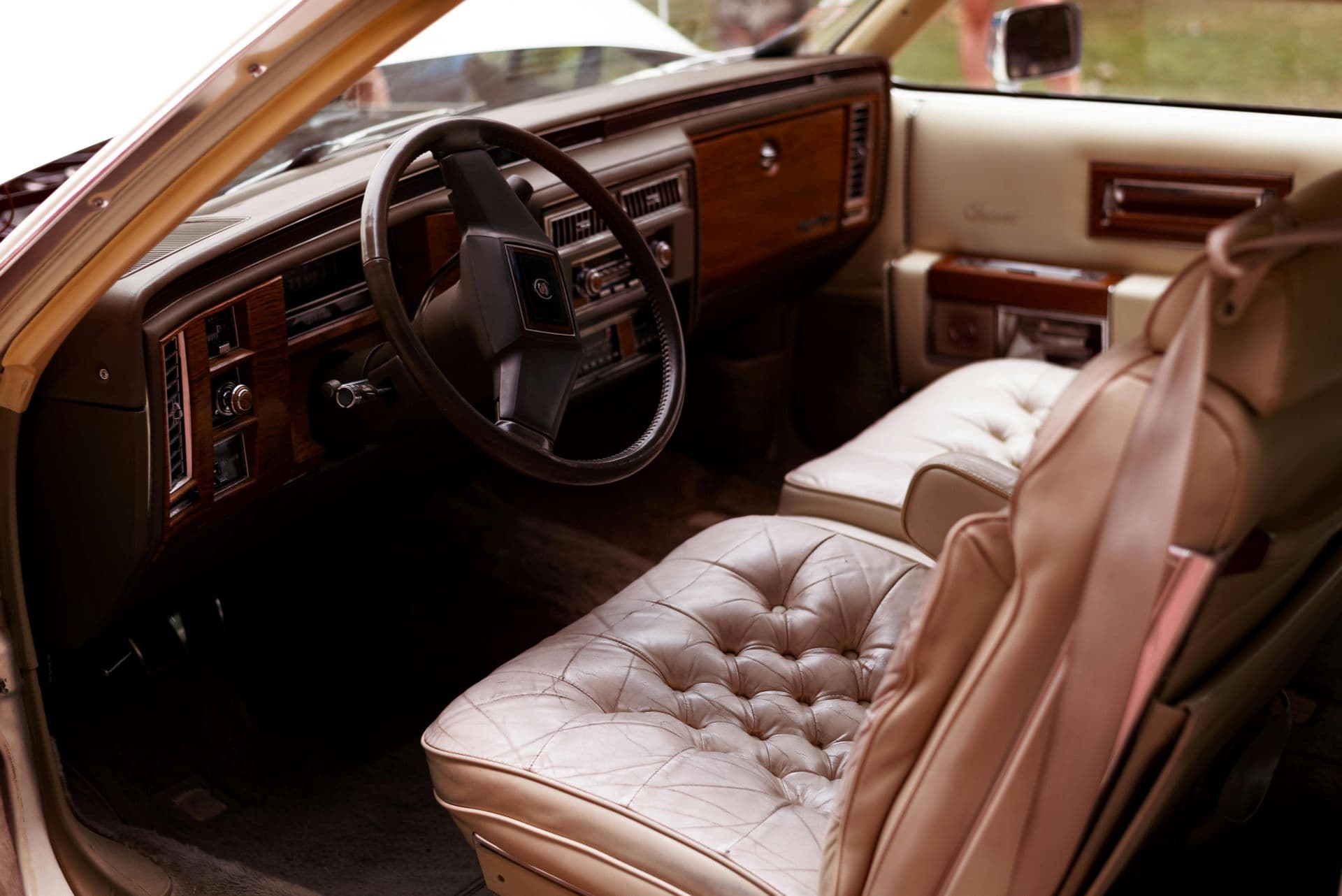
Walk into any dealership, anywhere in the world, and watch what happens after the first lap around a car. The buyer pauses. The door opens. The outside world drops away. The conversation changes. This is the moment where decisions are quietly made, even if paperwork comes days later. Exteriors attract attention. Interiors secure commitment.
In automotive marketing, we spend enormous energy on silhouettes, grilles, wheel sizes and paint names that sound like minerals discovered on Mars. Yet the sale often hinges on what happens after a customer sits down. The interior is not a secondary space. It is the product people live with. It is where trust is built, comfort is judged, and desire either crystallises or collapses.
This is why interiors sell faster than exteriors. Not because buyers consciously prioritise them, but because interiors operate at an emotional level that is harder to articulate and far more persuasive. Texture, light and layout are not aesthetic afterthoughts. They are behavioural tools. They shape perception, influence mood and subtly answer the question every buyer asks without realising it: can I imagine my life here?
For marketers, understanding the emotional architecture of the interior is no longer optional. It is the difference between a car that looks good online and a car that closes deals on the showroom floor.
From First Impression to First Touch
Exteriors do their work at a distance. They signal intent, status, brand confidence. A vehicle either belongs in a buyerÔÇÖs mental shortlist or it does not, often within seconds. But exteriors are consumed visually, almost passively. Interiors demand participation.
The moment a hand reaches for a door handle, the marketing funnel tightens. Sound matters. Resistance matters. The weight of the door, the damped motion, the subtle thud as it closes. These are not engineering footnotes. They are sensory signals that tell the buyer whether the brand respects their presence.
Once inside, the body takes over where the eyes leave off. The seat receives the buyer before the dashboard does. The steering wheel becomes a point of judgment. The centre console becomes a shared surface between human and machine. At this point, rational comparisons begin to fade. The buyer is no longer comparing horsepower figures. They are comparing how they feel.
This transition from visual appraisal to physical immersion is where interiors outperform exteriors. It is also where many brands unintentionally lose ground. An exterior can promise confidence and innovation, but if the interior does not emotionally deliver, the dissonance is immediate and unforgiving.
Texture as Trust
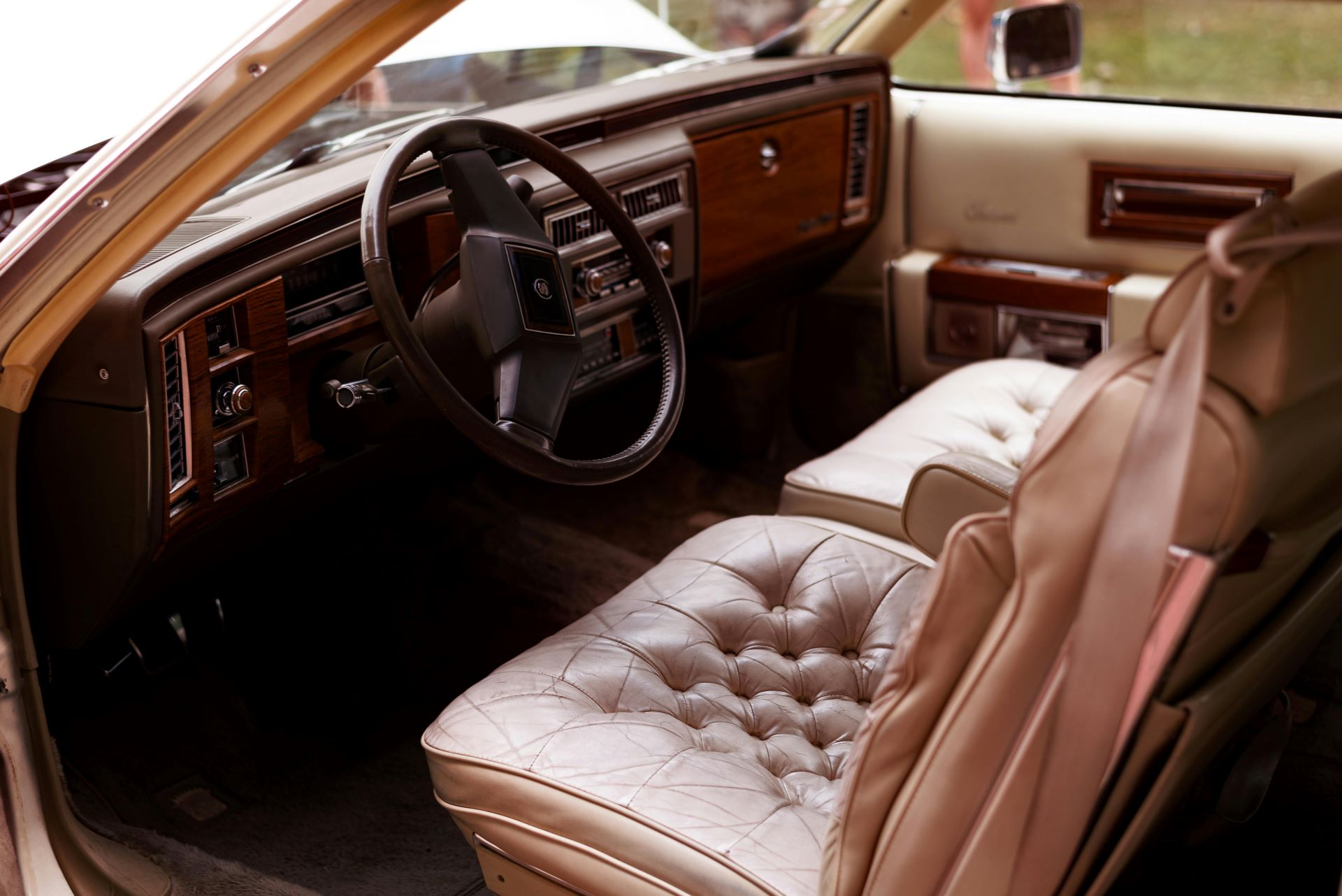
Texture is one of the most under-discussed persuasion tools in automotive marketing, precisely because it works without asking for attention. Buyers rarely say, ÔÇ£I chose this car because of the grain on the dashboard.ÔÇØ But texture influences whether a space feels honest or performative, warm or sterile, premium or cost-cut.
Soft-touch surfaces are not about softness alone. They communicate care. They suggest that the brand anticipated repeated contact and chose to respond generously. Hard plastics, when unavoidable, can still convey intention through finish and placement. The problem arises when texture feels inconsistent, as if budget decisions were made mid-sentence.
Leather, fabric, wood, metal and synthetic alternatives all carry cultural meaning. Leather signals heritage and durability. Fabric signals approachability and modern comfort. Open-pore wood suggests craftsmanship and restraint. Piano black suggests sophistication until it collects fingerprints, at which point it suggests compromise. These associations are deeply ingrained and largely subconscious.
From a marketing perspective, texture is about narrative coherence. A rugged SUV with adventure branding but smooth, delicate interior finishes creates confusion. A city-focused hatchback with overly aggressive textures can feel like costume rather than character. When texture aligns with brand promise, trust forms quickly. When it does not, buyers hesitate, even if they cannot explain why.
Light as Emotional Direction
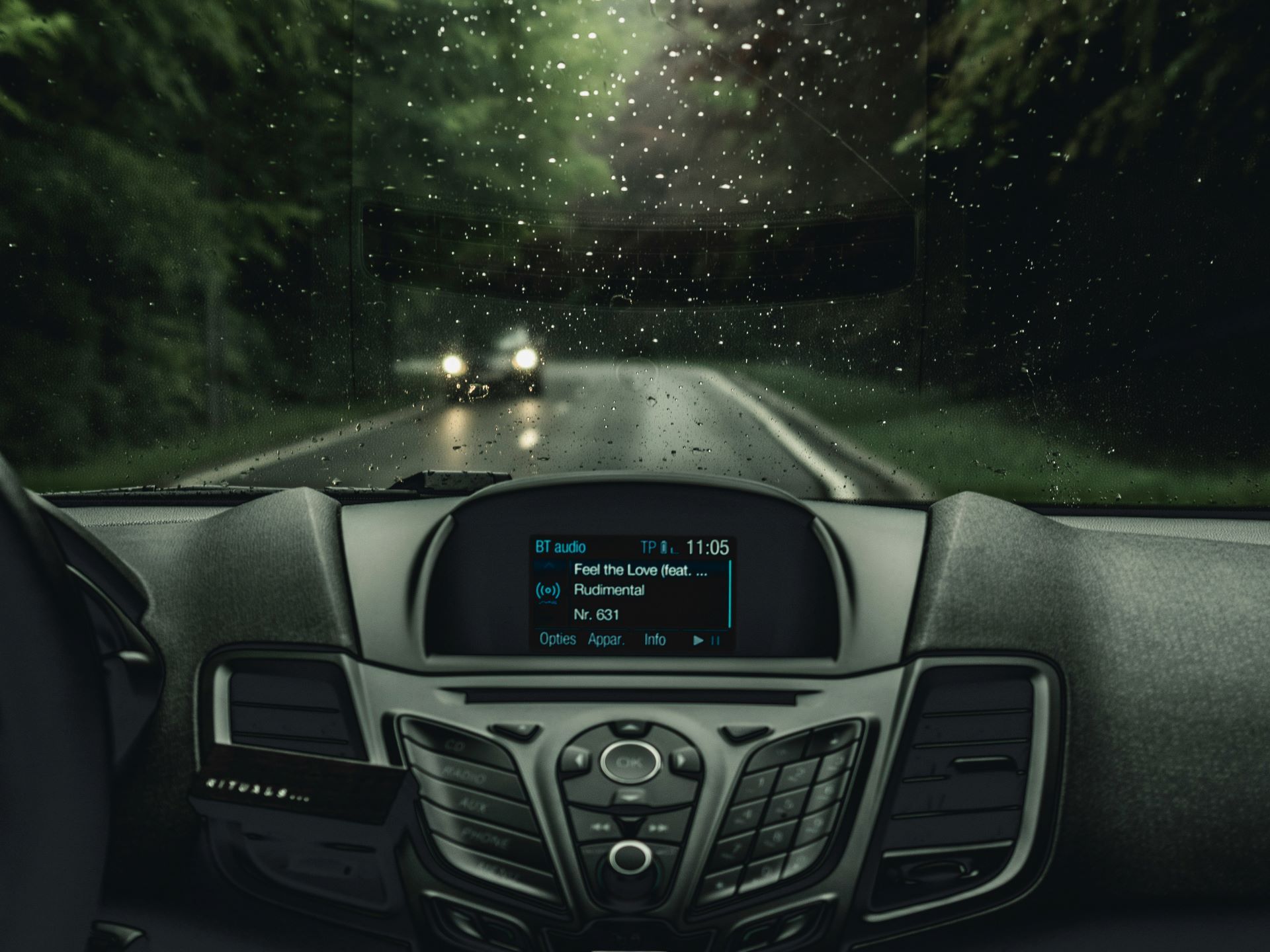
Light is the most powerful mood-setter in any interior, automotive or otherwise. Yet it is often discussed only in terms of features. Ambient lighting, panoramic roofs, LED strips. The emotional effect is mentioned, but rarely explored.
Natural light changes how space is perceived. A bright cabin feels open, optimistic and modern. It reduces cognitive load. It makes a car feel easier to live with. This is why large glass areas and light-coloured headliners consistently test well, even in segments where buyers claim to prefer darker, sportier cabins.
Artificial light, when handled well, provides emotional direction. Warm tones relax. Cool tones focus. Dynamic lighting adds a sense of theatre, but also reinforces the idea that the car is responsive to the driverÔÇÖs state. When lighting is integrated into design rather than layered on as a feature, it becomes part of the architecture rather than an accessory.
Poor lighting design is immediately felt. Harsh overhead lights flatten surfaces and exaggerate cheap materials. Inconsistent illumination creates visual noise. Overly bright screens dominate attention and increase fatigue. These issues rarely appear on spec sheets, but they shape the lived experience of the car.
For marketers, light is a storytelling tool. A softly lit interior suggests evening drives, long journeys, quiet confidence. A crisp, high-contrast cabin suggests precision and control. The mistake is to treat lighting as a gimmick rather than a language.
Layout and the Psychology of Control
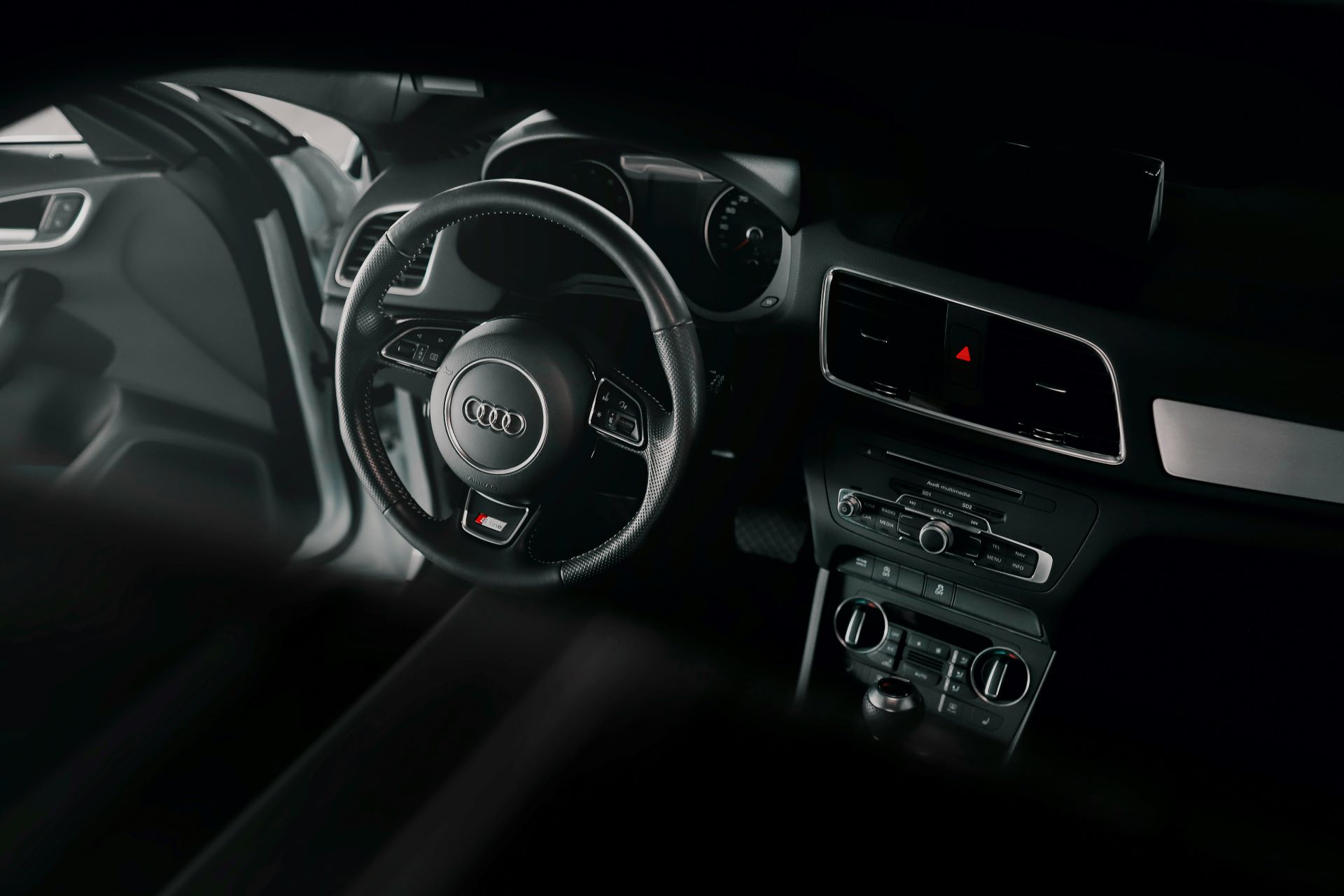
Layout is where emotion meets ergonomics. It determines whether a driver feels empowered or overwhelmed, centred or distracted. It also communicates hierarchy. What matters most. What can wait. What belongs to the driver versus the passenger.
A well-designed layout reduces friction. Controls fall naturally to hand. Screens sit within the driverÔÇÖs field of vision without demanding constant attention. Storage solutions feel intuitive rather than improvised. When layout works, the car disappears and the experience flows.
From a marketing angle, layout is persuasion through effortlessness. Buyers may not consciously analyse button placement, but they instantly register whether a cabin feels calm or chaotic. This is particularly important as interiors become more screen-driven. Minimalism can either feel liberating or alienating, depending on execution.
The rise of large central displays has shifted the emotional centre of the cabin. In some vehicles, the screen feels like a command centre, reinforcing a sense of technological mastery. In others, it feels like an imposition, a glowing slab that interrupts the spatial rhythm of the interior.
Successful layouts respect human behaviour. They acknowledge muscle memory. They recognise that driving is not a static activity. Marketing that highlights layout should move beyond feature callouts and instead frame the interior as a space that works with the driver, not against them.
Interiors as Narrative Spaces
Cars are no longer just transport. They are micro-environments where people think, argue, celebrate, wait, listen, escape. The interior is the stage for these moments. This is why interior design has become increasingly narrative-driven.
A performance sedan interior tells a different story from a family SUV, even if they share components. The former might emphasise driver-centric geometry, darker tones, tighter tolerances. The latter might prioritise openness, flexibility, visual reassurance. These choices are not arbitrary. They are emotional cues.
Marketing often focuses on telling brand stories through exterior design language. Interiors tell personal stories. They answer intimate questions. Will this space support my routine? Will it calm me after a long day? Will it impress without exhausting me?
The most persuasive interiors feel lived-in before they are lived in. They anticipate behaviour. Cupholders are where hands naturally rest. Storage fits real objects, not theoretical ones. Seating supports a range of body types without making a statement about it. These details communicate empathy.
The Showroom Moment
The power of interiors becomes most obvious in the showroom. This is where marketing promises are tested in real time. A buyer who was convinced by exterior design and advertising now confronts reality.
Sales consultants intuitively understand this. They invite customers to sit inside as early as possible. They adjust seats, demonstrate screens, point out stitching. They know that once a buyer feels comfortable, the conversation shifts from whether to buy to how to buy.
From a marketing strategy perspective, this moment should be designed, not left to chance. Interior photography should reflect how the space feels, not just how it looks. Campaigns should show people interacting with interiors, not posing beside cars. Language should reference sensation, not just specification.
When interiors are treated as emotional assets rather than technical environments, they become sales accelerators.
Digital First, Physical Always
In a digital-first buying journey, interiors face a paradox. They are decisive, but harder to communicate through screens. Exteriors photograph easily. Interiors require translation.
This is where thoughtful marketing becomes essential. High-quality interior visuals should prioritise perspective and light. Close-ups of texture should be contextualised, not abstracted. Video should show hands interacting with surfaces, light changing with movement, screens responding to touch.
Virtual configurators often fail by reducing interiors to colour swatches. This strips them of their emotional impact. A beige interior is not beige. It is warm or cold, rich or flat, depending on material and light. Marketing tools must evolve to convey this nuance.
Augmented reality and immersive content offer opportunities, but only if they focus on experience rather than novelty. The goal is not to impress with technology, but to reduce uncertainty. To help buyers imagine ownership with confidence.
The Cultural Layer
Interiors are also cultural objects. Preferences vary by region, market maturity and social context. In some markets, dark interiors signal seriousness and luxury. In others, they feel oppressive. In some regions, visible technology reassures. In others, it feels excessive.
Global brands must navigate these differences carefully. A one-size-fits-all interior strategy risks emotional misalignment. This does not mean creating entirely different interiors for every market, but it does mean understanding which elements carry emotional weight locally.
Marketing must reflect this sensitivity. Imagery, language and emphasis should adapt. What feels premium in one context may feel impractical in another. Interiors are where these distinctions are most keenly felt.
When Interiors Fail
It is worth acknowledging how quickly interiors can undermine a product. A vehicle can be mechanically brilliant and visually striking, yet lose momentum because the interior feels dated, cheap or incoherent.
Common failures include overdesign, where visual noise creates fatigue. Underdesign, where minimalism feels like cost-cutting. Feature overload, where screens and controls compete for attention. And material dishonesty, where surfaces look premium but feel disappointing to the touch.
From a marketing standpoint, these failures are difficult to mask. Buyers forgive exterior quirks more readily than interior discomfort. This is because the interior is experienced continuously, while the exterior is admired intermittently.
Brands that understand this invest disproportionately in interior refinement, even when budgets are tight. They know that a well-executed interior can elevate an entire product line.
The Future Interior as Persuasion Engine
As powertrains electrify and performance gaps narrow, interiors will become the primary differentiator. Silence amplifies texture. Smooth acceleration highlights seating comfort. Autonomous features shift attention from driving to dwelling.
This future places even greater emphasis on emotional architecture. Interiors will need to adapt dynamically to mood, context and use case. Lighting, layout and materials will become more responsive. Marketing will need to explain these changes in human terms, not technical ones.
The brands that succeed will be those that treat interiors as living spaces rather than static designs. Spaces that persuade not through spectacle, but through understanding.
Selling the Feeling
Ultimately, interiors sell because they answer the most important question in automotive marketing: how will this make me feel, every day?
Texture reassures. Light guides. Layout empowers. Together, they create an emotional architecture that operates quietly, persistently and convincingly. Exteriors may start the conversation, but interiors close it.
For senior marketers and copywriters, the challenge is to articulate this truth without reducing it to clich├®s. To describe feeling without sentimentality. To sell experience without exaggeration.
The interior is not just where the driver sits. It is where belief settles. And belief, once formed, is very hard to dislodge.
Breyten Odendaal
Specializing in high-performance automotive advertising and digital marketing solutions, delivering cutting-edge insights and the latest news shaping the automotive industry in South Africa.
More From Advertising

Automotive Advertising in 2026: Selling Confidence in a More Competitive Market
As South Africa’s vehicle market becomes more competitive, automotive advertising needs to do more than announce a price or specification. It needs to help buyers understand value, ownership costs and why a vehicle suits their lives.

Automotive Digital Ads in South Africa: A Shift
Exploring how South Africa’s automotive advertising evolved from print and broadcast to data-driven, programmatic digital ecosystems.

The Video Shift in Car Buying Decisions in SA
Explore how video content shapes car purchase decisions in South Africa, comparing short-form and long-form strategies for automotive marketers.