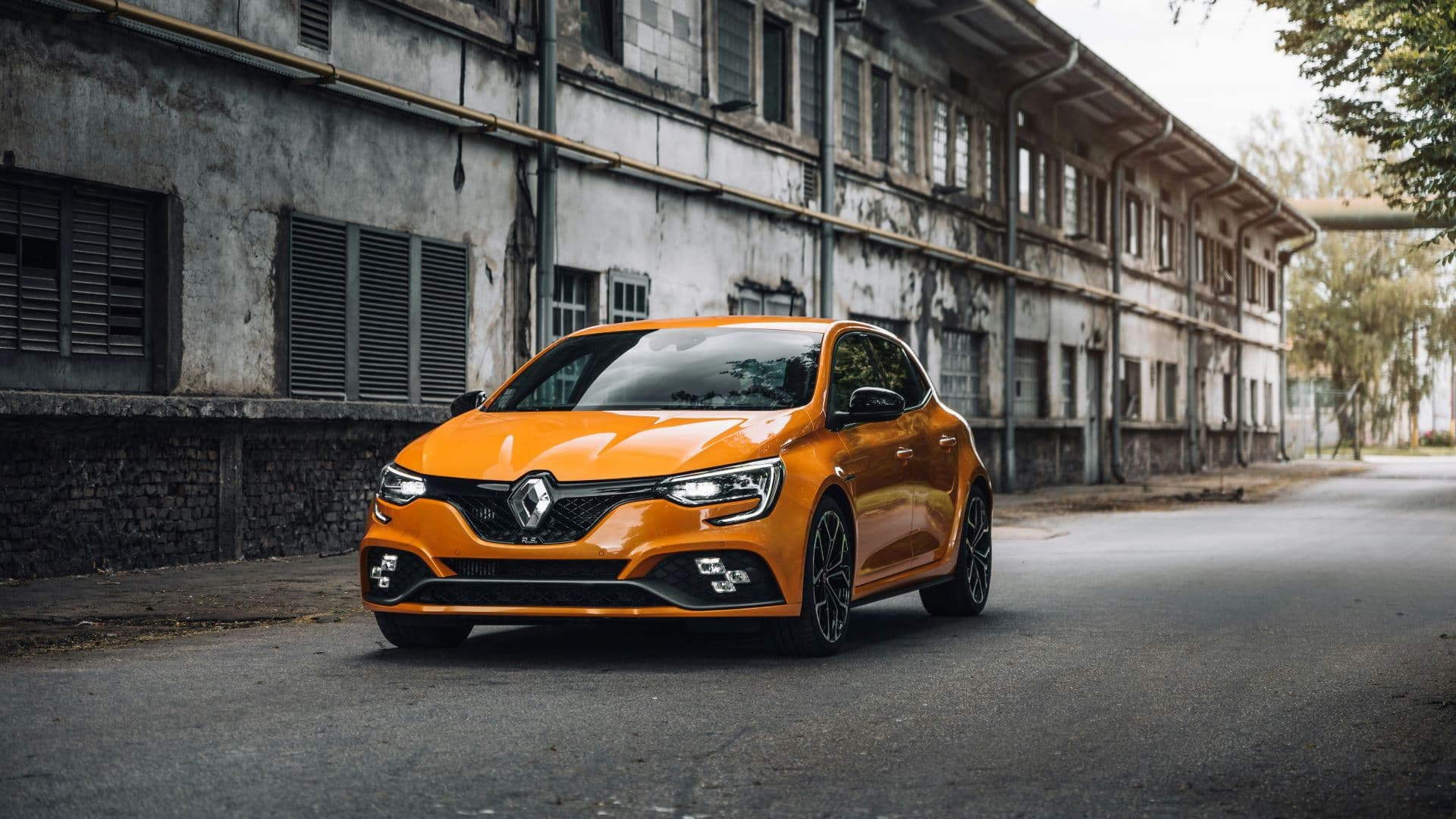
The digital revolution has forever altered how brands connect with their audiences. Social media platforms have evolved from personal networking tools into powerful engines for marketing, transforming industries ranging from fashion to finance. The automotive world is no exception, with car brands now relying on digital strategies to reach consumers in unprecedented ways.
Among the most influential players in this digital shift are social media influencers. Once seen as niche online personalities, influencers have rapidly become crucial marketing assets for brands looking to engage with specific demographics. By leveraging their large, loyal followings, influencers can promote products and brands in an authentic and relatable manner. For the automotive industry, this means influencers are no longer just endorsing cars; theyÔÇÖre shaping perceptions and driving brand awareness in ways that traditional advertising never could.
In this article, weÔÇÖll explore how influencers are reshaping the automotive marketing landscape, analyzing successful campaigns, the mechanics behind influencer partnerships, and the challenges that brands must navigate to fully harness this marketing tool. We'll also look ahead to future trends, considering how influencers will continue to impact the automotive world.
The Rise of Social Media Influencers
The term "social media influencer" refers to individuals who have garnered significant followings on platforms like Instagram, YouTube, TikTok, and X (formerly Twitter). Influencers span multiple niches, from fashion to technology, but their role in the automotive sector has become particularly impactful. Depending on the size of their following, influencers can be categorized as macro-influencers (those with millions of followers), micro-influencers (10,000ÔÇô100,000 followers), or nano-influencers (fewer than 10,000 followers).
In recent years, social media influencers have moved from the fringes to the center of digital marketing strategies. As consumers increasingly look to peers and online personalities for purchase recommendations, influencers have positioned themselves as trusted sources of information and inspiration. The power of influencers lies in their ability to bridge the gap between brands and consumers, offering a personal touch that feels more authentic than traditional advertising.
Platforms like Instagram and YouTube, which emphasize visual content, have become particularly popular in the automotive industry. InstagramÔÇÖs photo-centric format allows influencers to showcase sleek car designs, while YouTube offers the chance to create in-depth reviews and test-drive videos. TikTok has also emerged as a platform where influencers can engage with younger audiences through quick, dynamic content.
Influencers' rise in importance stems from their ability to humanize brands, transforming abstract corporate identities into relatable, personal experiences. Automotive brands, once reliant on polished commercials, are now turning to influencers who can speak to their followers in a more engaging and trustworthy way.

The Mechanics Behind Influencer Marketing
Behind every successful influencer campaign is a carefully orchestrated strategy. Automotive brands must first identify influencers whose values, aesthetics, and audience align with their own. This selection process is often data-driven, relying on sophisticated algorithms that analyze audience demographics, engagement rates, and content relevance. Tools like CreatorIQ and Traackr allow brands to filter through vast influencer networks to pinpoint those most likely to generate a positive ROI.
Once the right influencer is chosen, the collaboration can take many forms. Sponsored posts, where influencers promote a specific vehicle in a single post, are the most common type of partnership. However, longer-term relationships, such as brand ambassadorships, are becoming increasingly popular. Ambassadors regularly promote the brand across multiple platforms, often participating in exclusive events, vehicle launches, or test drives.
For example, automotive giants like BMW and Ferrari have leveraged long-term partnerships with influencers, offering them exclusive first looks at new models or inviting them to high-profile events such as Formula 1 races. This not only gives the influencer valuable content but also grants the brand extended exposure to the influencerÔÇÖs loyal followers.
Influencer marketing doesnÔÇÖt just happen organically; itÔÇÖs meticulously planned, from the timing of posts to the specific language used in captions. Authenticity is key. Influencers must seamlessly integrate the vehicle or brand into their content to avoid the appearance of forced advertising. Consumers are increasingly savvy and can easily spot inauthentic content, so maintaining trust between the influencer and their audience is paramount.
The Impact on Brand Awareness
The most significant benefit of influencer marketing is its ability to increase brand awareness in a highly targeted way. Influencers excel at creating relatable content that resonates with niche audiences, whether it's showcasing a carÔÇÖs luxurious interiors or its performance on the road. As a result, brands can reach potential customers who might otherwise be difficult to engage.
Trust plays a crucial role in this dynamic. Unlike traditional ads, influencer recommendations are often viewed as genuine and unbiased. When a trusted influencer advocates for a car brand, their followers are more likely to pay attention and engage. According to a recent report by Nielsen, 92% of consumers trust recommendations from individuals over brands, making influencer endorsements significantly more persuasive.
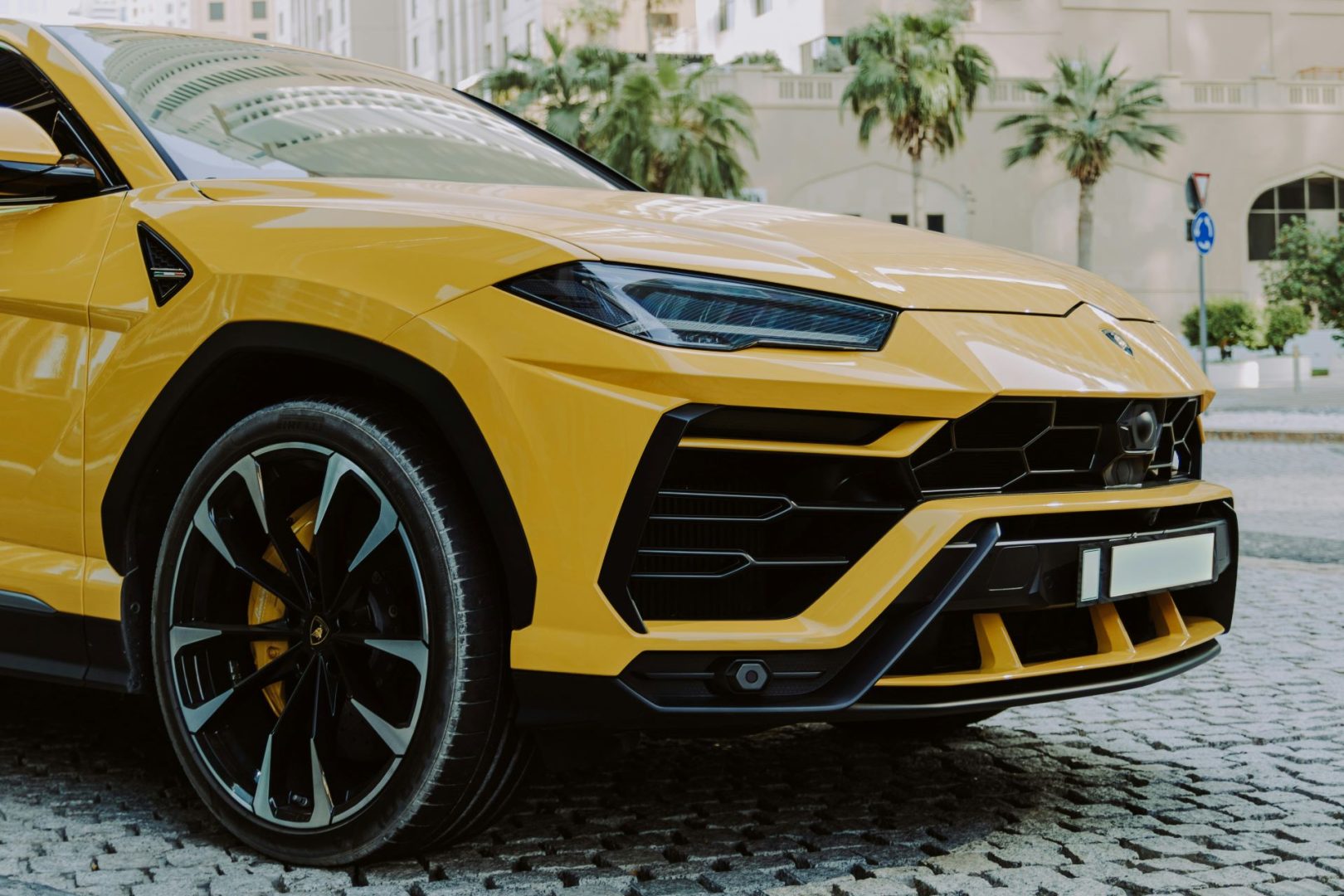
Moreover, influencer marketing allows brands to reach highly specific demographics. Whether targeting millennials interested in electric vehicles or luxury enthusiasts seeking the latest supercar, influencers provide a direct line to these groups. With the ability to focus on smaller, niche audiences, influencer marketing can be far more effective than casting a wide net with traditional advertising.
Challenges and Considerations
While influencer marketing holds immense potential, it is not without its challenges. One of the most pressing issues is ensuring the credibility of the influencer. As influencer fraud becomes more prevalent, with some influencers purchasing fake followers or engagement, brands must be diligent in verifying the authenticity of the influencers they collaborate with. This can be done through in-depth analytics that track not only the number of followers but the quality of engagement.
Another challenge is measuring the return on investment (ROI) of influencer campaigns. Unlike traditional marketing, where metrics such as click-through rates and conversions are clear-cut, the impact of influencer campaigns can be harder to quantify. While engagement and reach are important indicators, they donÔÇÖt always translate directly to sales. Automotive brands must therefore balance qualitative measures, such as brand sentiment, with quantitative ones to get a full picture of a campaign's success.
Lastly, market saturation presents a unique challenge. As influencer marketing becomes more mainstream, consumers are becoming increasingly immune to sponsored content. To stand out, automotive brands must be creative and selective in their influencer partnerships, ensuring that the content remains fresh and authentic.
Future Trends in Influencer Marketing
The influencer marketing landscape is constantly evolving, and the automotive industry is poised to benefit from several emerging trends. One such trend is the rise of AI and virtual influencers. Virtual influencers, such as Lil Miquela and Shudu, are computer-generated characters with large followings on social media. While still in their infancy, these digital influencers present a unique opportunity for brands to experiment with futuristic, highly controlled narratives.
Another future trend is the increasing use of data-driven micro-targeting. As brands collect more data on consumer behavior, they can create hyper-personalized influencer campaigns that resonate with specific segments. For instance, electric vehicle manufacturers can partner with influencers who focus solely on sustainability, ensuring that their message reaches eco-conscious consumers.
Finally, live streaming and interactive content are becoming more prominent. Platforms like Twitch and YouTube Live allow influencers to engage with their audience in real time, creating more dynamic and engaging content. Automotive brands are already tapping into this trend by hosting live virtual car unveilings and Q&A sessions with influencers, allowing for deeper interaction with potential buyers.
In the fast-paced digital landscape, social media influencers have proven themselves to be indispensable players in the marketing strategies of automotive brands. Their ability to connect with niche audiences, foster trust, and increase brand awareness is unmatched in traditional advertising.
As influencer marketing continues to evolve, automotive brands must remain agile, adapting to new platforms, technologies, and consumer behaviors. Those that do will not only see a surge in brand awareness but also secure their place in the future of the automotive industry.
In an era where digital interactions often precede real-world purchases, the influence of social media personalities is undeniable. As we look toward the future, one thing is certain: influencers will continue to drive the automotive industry forward, one post at a time.
Breyten Odendaal
Specializing in high-performance automotive advertising and digital marketing solutions, delivering cutting-edge insights and the latest news shaping the automotive industry in South Africa.
More From Advertising
Automotive Advertising in 2026: Selling Confidence in a More Competitive Market
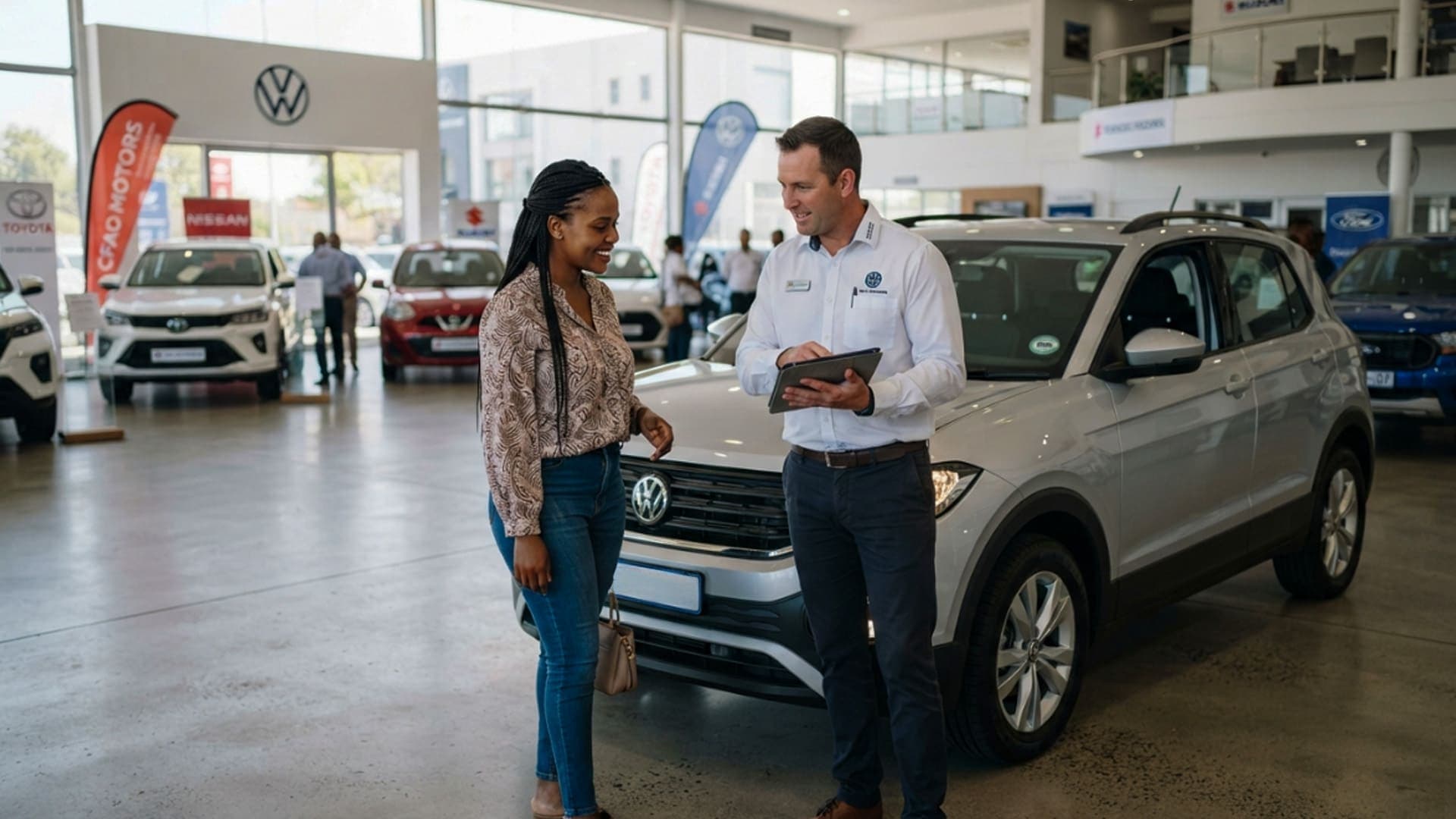
As South Africa’s vehicle market becomes more competitive, automotive advertising needs to do more than announce a price or specification. It needs to help buyers understand value, ownership costs and why a vehicle suits their lives.

Automotive Digital Ads in South Africa: A Shift
Exploring how South Africa’s automotive advertising evolved from print and broadcast to data-driven, programmatic digital ecosystems.

The Video Shift in Car Buying Decisions in SA
Explore how video content shapes car purchase decisions in South Africa, comparing short-form and long-form strategies for automotive marketers.