The Timeless Allure of the Automobile
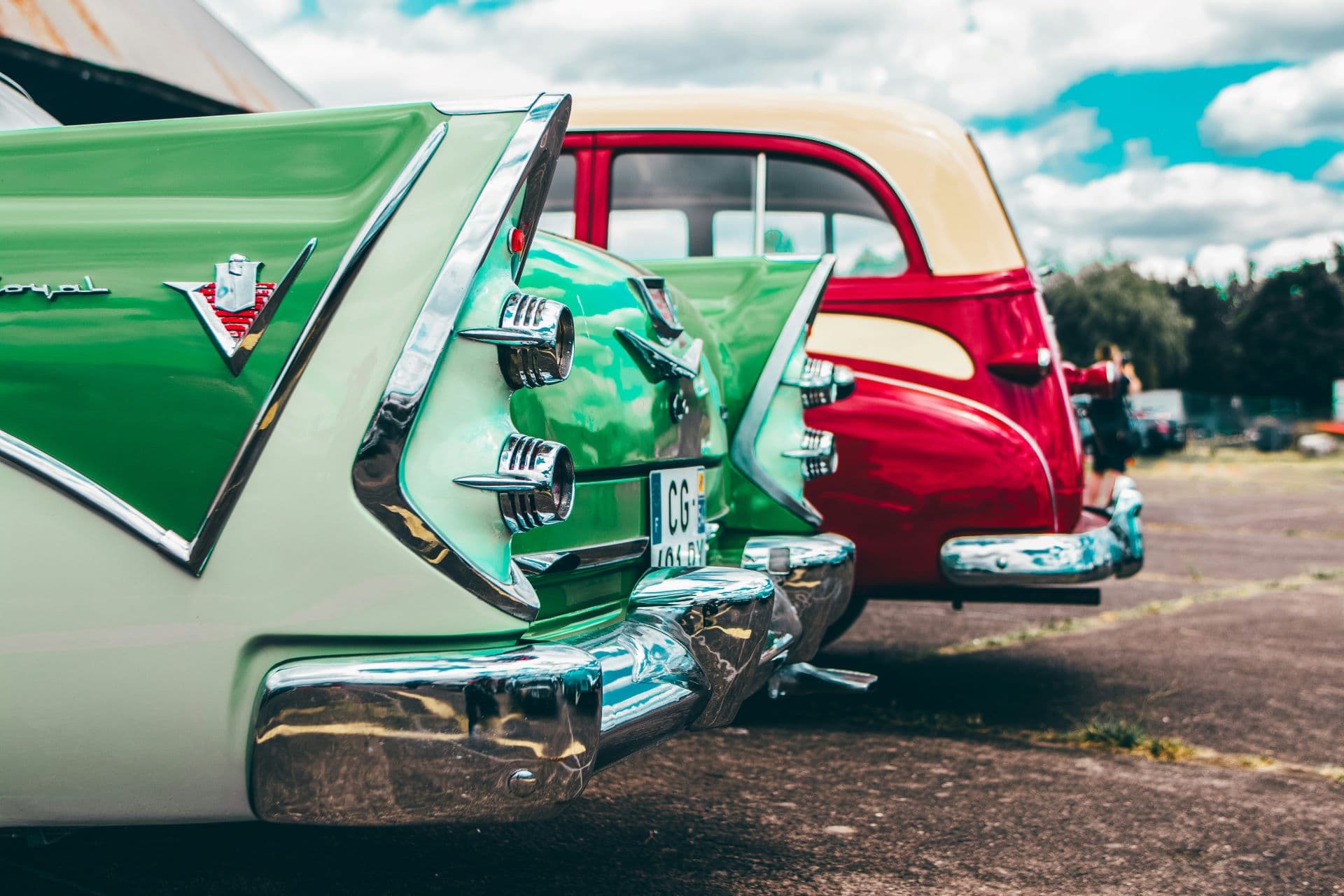
The rumble of a V8 engine, the polished gleam of chrome bumpers, and the distinct aroma of aged leatherÔÇöclassic cars carry with them more than just mechanical ingenuity. They are time machines on four wheels, unlocking memories of a bygone era while embodying a promise of craftsmanship and individuality largely absent in todayÔÇÖs era of uniformity. Yet, beyond the emotional pull, thereÔÇÖs a resurgent trend in the automotive market: the classic car collectorÔÇÖs revival. For automotive marketers, this renaissance is more than nostalgic whimsy; it is a tangible, strategic opportunity.
Classic cars are no longer merely parked in private garages as relics of the past. They are becoming valuable assets, sought-after commodities, and marketing beacons for brands aiming to leverage heritage, authenticity, and emotional engagement. Understanding why this revival is occurringÔÇöand how to tap into itÔÇörequires a nuanced blend of nostalgia, market insight, and cultural observation.
The Emotional Currency of Nostalgia
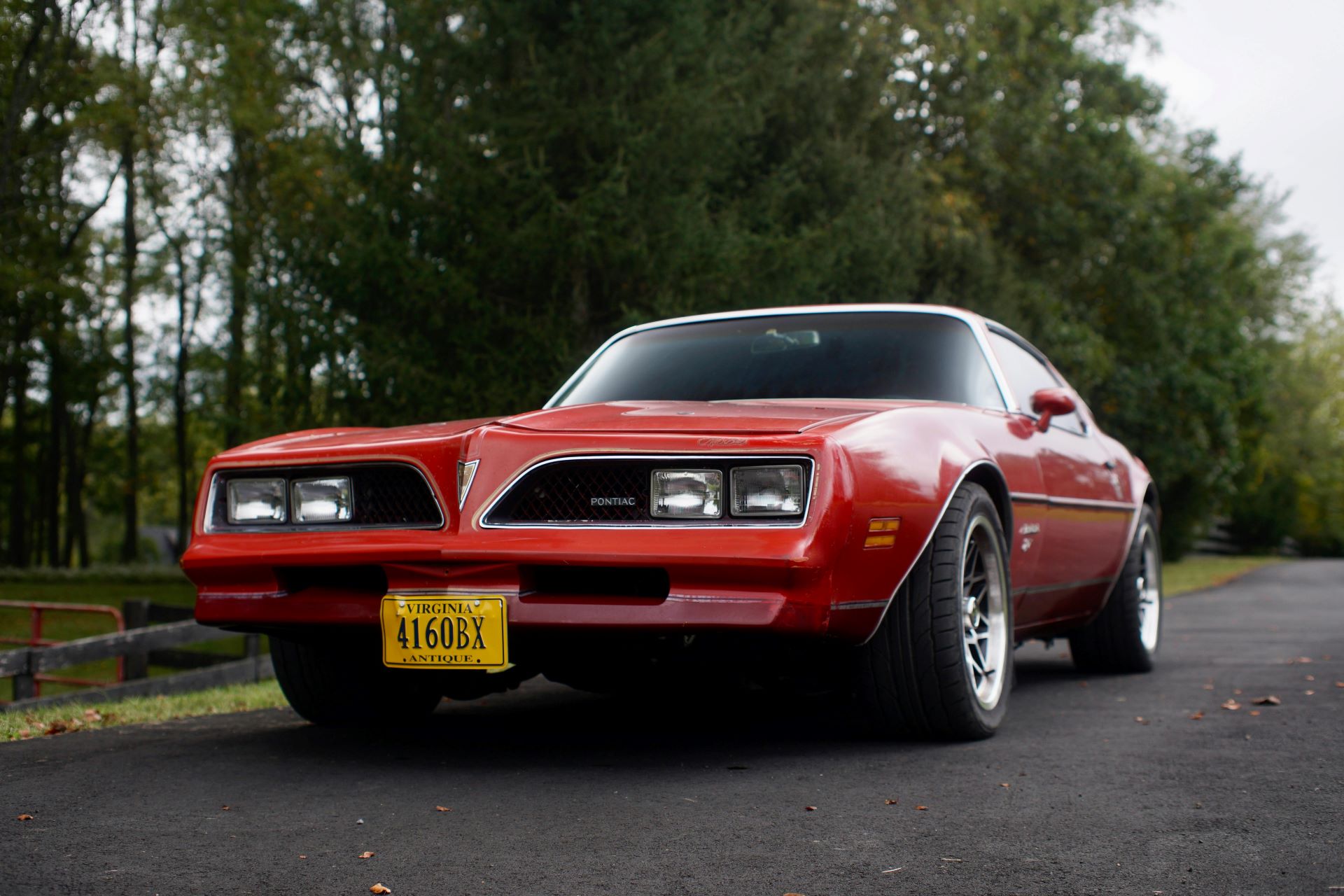
Nostalgia has always been a potent motivator in consumer behavior. In automotive marketing, nostalgia manifests as a longing for craftsmanship, design integrity, and the visceral thrill of driving. While modern vehicles excel in technology, efficiency, and safety, they often lack the soul that once defined the automobile. For collectors, the appeal lies not only in owning a piece of history but in participating in a lifestyle defined by care, connoisseurship, and storytelling.
Marketing strategies tapping into nostalgia emphasize the experiential over the transactional. Limited-edition models, restorations, and brand heritage campaigns are more effective when they communicate a story that connects emotionally with the audience. AudiÔÇÖs vintage rallies, FordÔÇÖs historic exhibition series, and JaguarÔÇÖs heritage programs illustrate how brands use nostalgia to build loyalty and awareness. The key is authenticity; audiences can detect contrived storytelling, which risks eroding trust.
Demographics Driving the Revival
The classic car resurgence is not merely a footnote for older generations reminiscing about their youth. Younger buyers, particularly Millennials and Gen Z enthusiasts, are increasingly entering the market. They are drawn by the uniqueness, investment potential, and social prestige associated with classic car ownership. Unlike mass-market vehicles, classics provide a platform for self-expression and identity construction.
From a marketing standpoint, this shift demands multi-channel engagement. Social media platforms like Instagram and TikTok amplify visual storytelling, showcasing restored vehicles, behind-the-scenes restoration processes, and vintage driving experiences. Influencers and automotive content creators have become critical conduits for connecting brands with younger demographics, translating passion into aspirational lifestyle marketing.
Investment Potential and Market Dynamics
Classic cars have evolved from passion-driven purchases to strategic investments. High-quality, well-preserved models are increasingly considered alternative assets, akin to fine art or rare wine. Auction houses and online marketplaces have noted significant growth in sales volumes, with some models appreciating exponentially over the past decade.
For marketers, this economic dimension offers a dual narrative: the vehicle as both an object of desire and a smart investment. Campaigns highlighting provenance, rarity, and historical significance not only capture collectorsÔÇÖ interest but also appeal to aspirational buyers seeking financial as well as emotional returns. Integrating investment narratives into automotive marketing can enhance brand prestige and foster long-term consumer relationships.
The Role of Restoration and Customization
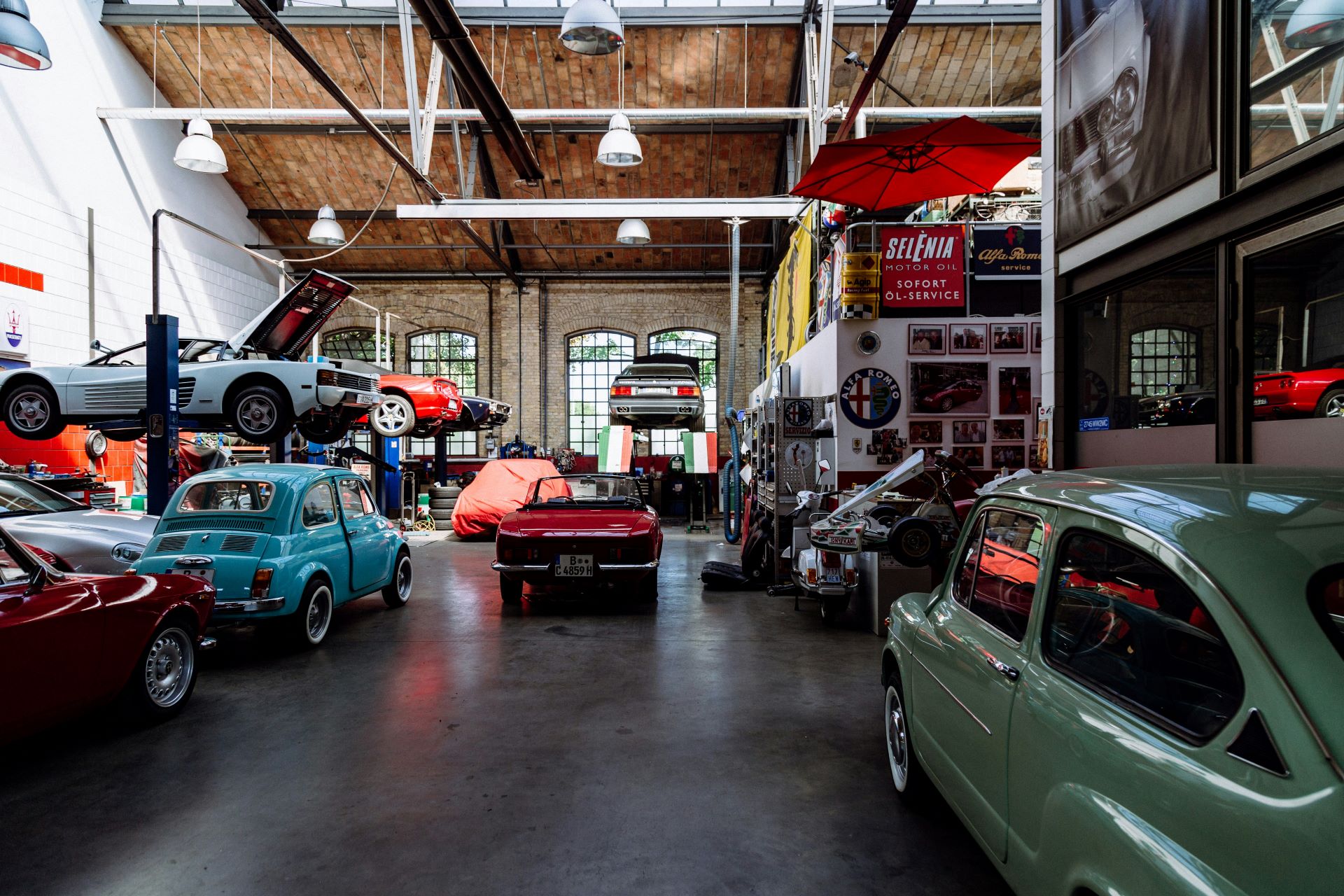
Restoration and customization have become central to the collectorÔÇÖs journey. Every restored vehicle embodies a dialogue between past and present, where artisanship and technology converge. This narrative is compelling for marketing because it emphasizes human skill, passion, and the tangible care that modern production lines often lack.
Brands and marketers are leveraging this trend by collaborating with restoration experts, sponsoring workshops, and creating content that demystifies the restoration process. Highlighting customization opportunitiesÔÇöbe it color choices, bespoke interiors, or performance upgradesÔÇöreinforces exclusivity and personal connection, two pillars of modern luxury marketing.
Classic Cars and Experiential Marketing
Experience-driven marketing is redefining the automotive landscape. Test drives, rally events, and immersive exhibitions transform classic cars from static symbols into interactive narratives. The experience of sitting behind the wheel of a restored 1960s Mustang or cruising in a vintage Ferrari provides a sensory engagement that traditional advertising cannot replicate.
Marketing campaigns that integrate experiential components offer measurable engagement. Events can generate content, build community, and enhance brand affinity. The synergy between classic cars and lifestyle experiencesÔÇöculinary pairings, curated tours, and club membershipsÔÇöfosters a sense of belonging and exclusivity, elements highly valued by premium consumers.
Leveraging Digital Platforms for Heritage Marketing
While the classic car market thrives on nostalgia, its expansion is facilitated by modern digital tools. Virtual showrooms, online auctions, and social media storytelling have broadened access to vehicles previously hidden from mainstream audiences. Brands using immersive digital campaigns can capture global attention, connecting collectors across continents and creating an interconnected community.
Data-driven marketing also plays a crucial role. By analyzing purchase patterns, engagement metrics, and sentiment analysis, marketers can identify potential buyers, craft tailored narratives, and anticipate trends in vehicle desirability. This combination of heritage storytelling and modern analytics exemplifies the fusion of past and present that defines the classic car resurgence.
Challenges and Opportunities
Despite its allure, marketing classic cars presents unique challenges. Authenticity is non-negotiable; audiences are highly discerning. Counterfeit parts, inauthentic restorations, and inflated valuations can quickly damage credibility. Moreover, the marketÔÇÖs exclusivity can create barriers for wider engagement, requiring brands to balance aspirational positioning with accessibility.
However, these challenges are offset by opportunities. Collaborative campaigns with museums, restoration shops, and lifestyle brands can expand reach. Limited-edition merchandise, branded experiences, and exclusive memberships reinforce the community around classic vehicles. Brands that master this delicate balanceÔÇöhonoring heritage while embracing contemporary marketing strategiesÔÇöcan unlock new revenue streams and cultivate enduring loyalty.
The Future of Classic Car Marketing
As automotive trends shift toward electrification, autonomy, and sustainability, the classic car segment offers a grounding in tactile experience and human engagement. Marketing strategies will increasingly blend nostalgia, investment narratives, experiential engagement, and digital storytelling to capture diverse audiences. For automakers, collectors, and marketers, the revival of classic cars is not merely a trendÔÇöit is a testament to enduring human fascination with artistry, performance, and identity.
The challenge lies in evolving the narrative while preserving authenticity. Marketing campaigns must honor the past while appealing to contemporary desires, creating a bridge between memory and modernity. In doing so, brands not only sell vehiclesÔÇöthey cultivate culture, heritage, and an emotional connection that transcends time.
Driving Heritage Forward
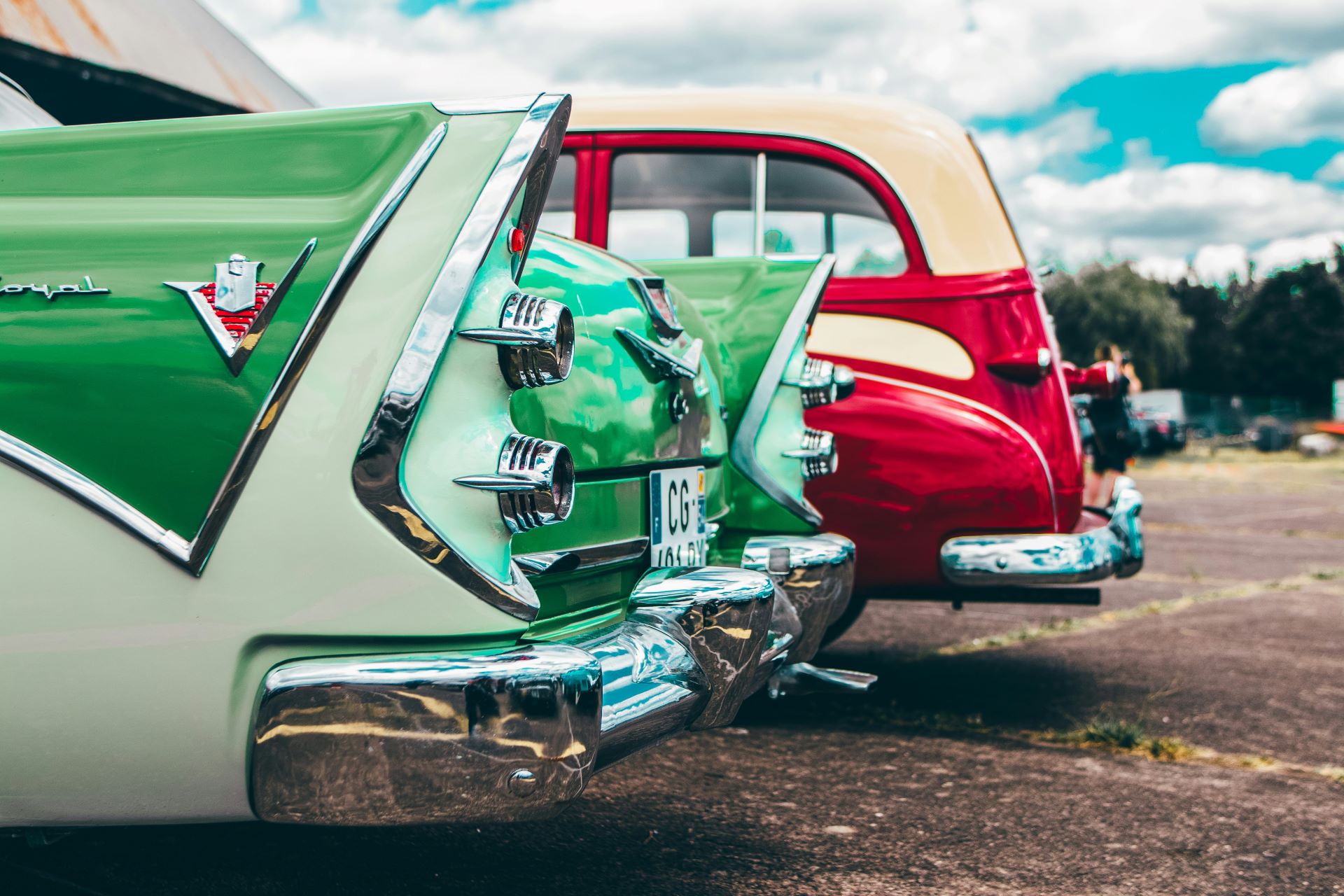
The resurgence of classic cars is a reminder that automobiles are more than machines; they are cultural artifacts, emotional touchpoints, and lifestyle symbols. For marketers, the opportunity lies in recognizing and amplifying this multifaceted appeal. Whether through storytelling, immersive experiences, investment framing, or digital engagement, the revival of the collectorÔÇÖs market offers a blueprint for connecting with consumers in an age where authenticity and experience define value.
Classic cars are making a comeback not despite modernity, but because of it. In a world dominated by fleeting trends, their revival is a testament to timeless design, craftsmanship, and the emotional resonance of the automobile. For brands willing to embrace heritage as a marketing strategy, the road ahead is as exhilarating as it is rewarding.
Breyten Odendaal
Specializing in high-performance automotive advertising and digital marketing solutions, delivering cutting-edge insights and the latest news shaping the automotive industry in South Africa.
More From Advertising

Automotive Advertising in 2026: Selling Confidence in a More Competitive Market
As South Africa’s vehicle market becomes more competitive, automotive advertising needs to do more than announce a price or specification. It needs to help buyers understand value, ownership costs and why a vehicle suits their lives.

Automotive Digital Ads in South Africa: A Shift
Exploring how South Africa’s automotive advertising evolved from print and broadcast to data-driven, programmatic digital ecosystems.

The Video Shift in Car Buying Decisions in SA
Explore how video content shapes car purchase decisions in South Africa, comparing short-form and long-form strategies for automotive marketers.