
More Than Just Metal and Mechanics
To the casual observer, a car may seem like little more than a mode of transportationÔÇöa functional solution to the problem of getting from A to B. But in reality, cars carry meaning far beyond mobility. From luxury SUVs and electric hatchbacks to turbocharged coupes and rugged 4x4s, the vehicles we drive are often powerful manifestations of who we areÔÇöor who we wish to be.
In modern consumer culture, few purchases are as laden with symbolism as the car. For many, it is a status marker, a lifestyle statement, a badge of environmental awareness, or a nod to rebellious youth. As societies become more complex and identity politics enter the consumer realm, the role of the automobile is shifting too: from practical necessity to personal avatar.
This article explores how identity shapes automotive purchasing, examining the psychology behind our car choices, the influence of socio-economic and cultural factors, and the increasingly personalised ways brands respond toÔÇöand shapeÔÇöthis demand.

Identity and the Psychology of Choice
The Self-Concept in Consumer Behaviour
The concept of the ÔÇ£selfÔÇØ in consumer psychology encompasses two core ideas: the actual self and the ideal self. The actual self is who a person believes they are, while the ideal self represents who they aspire to be. Marketers have long known that bridging the gap between the two is key to persuading consumers.
Cars are uniquely positioned in this psychological landscape. Unlike clothing or tech gadgets, which can be easily changed or hidden, a car is a conspicuous and long-term representation of identity. It reflects not only taste and values but also ambitions, affiliations, and even anxieties.
The Car as Symbol
Symbolic interactionismÔÇöa sociological theoryÔÇösuggests that people assign symbolic meaning to objects and use them to express their identity to others. Cars function in this capacity much like language or fashion. A matte-black Range Rover might signal power and discretion. A Citro├½n Ami might scream eco-conscious urban minimalist. A Porsche 911 might suggest mastery, success, or a longing for youth.
In a 2020 study by the Journal of Consumer Research, participants consistently rated cars as more reflective of their self-identity than their phones, watches, or homes. The vehicle, it seems, is uniquely personal.
Demographics and Differentiation
Age and the Identity Curve
Different life stages produce distinct purchasing motivations. For many young drivers, the first car is a rite of passageÔÇöfreedom incarnate. The model chosen can set the tone for how peers perceive them, whether that means a sporty hatchback, an offbeat vintage model, or a rugged entry-level SUV.
As people age, their relationship with their vehicle often shifts. Practicality may replace aesthetics, and efficiency or safety may outweigh excitement. But even here, identity plays a role. A family-focused driver might still gravitate towards an Audi Q5 over a more economical option, not just for function but for prestige.
Gender Perspectives
Traditional gender marketing once dictated pink convertibles for women and muscle cars for men. Thankfully, those days are waning. TodayÔÇÖs automotive marketing acknowledges more nuanced motivations. Many women are primary decision-makers in household car purchases, and their choices are guided by multifaceted identity driversÔÇösafety, sustainability, tech-savviness, or aesthetic design.
Men, too, are broadening their perspectives. Once the purview of a narrow band of ÔÇ£car guys,ÔÇØ automotive passion now includes tech enthusiasts, environmentalists, and design purists.
Cultural Identity and National Pride
In some regions, car choice is also wrapped in national identity. In Germany, owning a Mercedes-Benz or BMW may signify a commitment to engineering excellence and national pride. In Japan, Toyota and Honda represent reliability and cultural minimalism. In the U.S., trucks like the Ford F-150 symbolise a rugged, can-do spirit tied to American ideals.
In South Africa, where local context matters deeply, vehicles like the Toyota Hilux carry connotations of endurance, practicality, and even political symbolism. Meanwhile, European imports can imply cosmopolitan sophistication, and electrified vehicles often double as subtle political or environmental statements.
Lifestyle, Subculture, and Self-Expression
Enthusiast Subcultures
From lowriders in Southern California to JDM (Japanese Domestic Market) fans in Cape Town or Manchester, cars are at the heart of countless enthusiast communities. In these contexts, the car becomes not just an object but a canvas. Modifications, wraps, wheels, sound systemsÔÇöthey all signal not just taste but belonging.
Social identity theory tells us that individuals seek out groups with which they identify. Subcultures like drift racers, overlanders, and EV evangelists serve as tribes, and the vehicles become their totems.
Sustainability as Identity
As environmental awareness grows, the choice of an EV like the Tesla Model 3 or the BYD Dolphin isnÔÇÖt just about fuel savingsÔÇöitÔÇÖs about ethical alignment. These cars have become part of the moral economy of the modern middle class, particularly in urban areas. Choosing an EV can signal climate consciousness, future-forward thinking, and tech-savviness.
In some markets, this association becomes so strong that car buyers will forego traditional luxuries to ÔÇ£vote with their wallet.ÔÇØ The car, in essence, becomes a political statement.
Brand, Badge, and Identity Alignment
The Power of Branding
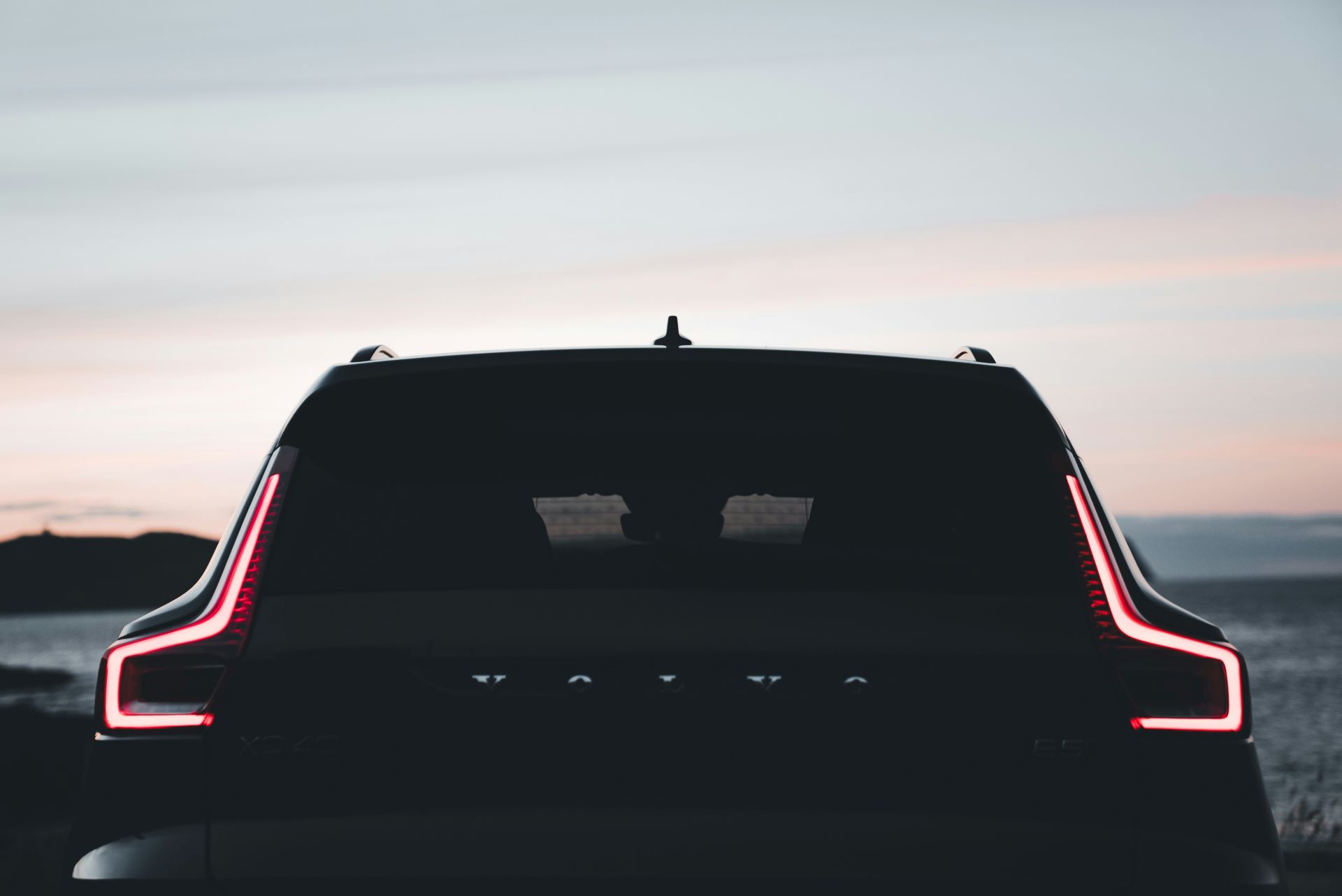
Brands know the car is a mirror of identityÔÇöand they market accordingly. BMW sells ÔÇ£Sheer Driving Pleasure.ÔÇØ Volvo champions safety and Scandinavian calm. Land Rover pitches itself as the gateway to adventure, even if the vehicle never leaves the tarmac.
This isnÔÇÖt accidental. These brand messages are designed to resonate with different segments of identity: performance seekers, safety-conscious parents, urban professionals, digital natives, and so on.
Premium vs. Practical
While economic realities limit choices, even entry-level buyers consider how a car aligns with their identity. A Dacia Sandero might appeal to the no-frills pragmatist. A MINI might suit someone with a taste for playful retro charm. The badge on the bonnet matters because it signals status, values, and aspirationsÔÇöeven to those inside the car.
Personalisation and the Digital Self
Customisation and Curation
The growing trend toward vehicle personalisationÔÇöfrom paint colours and interior trims to digital dashboard themesÔÇöcaters to the human desire to express individuality. OEMs increasingly allow buyers to build their own car online, tweaking every detail before placing an order.
This trend echoes the broader shift towards ÔÇ£curated identityÔÇØ in the digital age. As people craft their personal brands on Instagram or TikTok, they also seek cars that reflect that carefully honed self-image. ItÔÇÖs not just about how the car looksÔÇöbut how it photographs, how it fits a narrative, how it signals alignment with the buyer's curated aesthetic.
The Role of Technology
Connectivity, too, plays a role. Digital natives want cars that feel like extensions of their phones or smart homes. Cars with seamless Apple CarPlay integration, AI-powered assistants, and intuitive touch interfaces feel more like gadgets than machines. For Gen Z and Millennials, this digital fluency is not just functionalÔÇöitÔÇÖs part of their identity.
The Future of Automotive Identity
Electric Vehicles and the Rebranding of Driving
The rise of EVs marks a fundamental shift in how cars interact with identity. No longer is the car simply a symbol of power or freedomÔÇöitÔÇÖs a symbol of awareness, technological sophistication, and future-oriented thinking. Brands like Polestar and Lucid arenÔÇÖt just selling EVsÔÇötheyÔÇÖre selling modernity itself.
This also challenges legacy brands. PorscheÔÇÖs Taycan and FordÔÇÖs Mustang Mach-E show how established marques are reinterpreting identity narratives for the electrified era. But itÔÇÖs a delicate dance: innovate too fast and alienate loyalists; innovate too slowly and lose relevance.
Autonomous Vehicles and the Death of Driving?
As autonomous technology matures, a new question emerges: if we no longer drive our cars, will they still represent us? The act of driving is, after all, deeply personal. What happens to the car-as-identity when autonomy turns it into a passenger pod?
Some predict the rise of mobility-as-a-service will detach cars from ownershipÔÇöand, by extension, from identity. But others argue that design, tech features, brand affiliations, and curated in-car experiences will become even more vital in this new landscape.

The Road Ahead
In the end, the car is not just a means of transportationÔÇöitÔÇÖs a mirror. It reflects our values, our ambitions, our status, and our sense of belonging. It can affirm who we are or help project who we want to become. Whether through a badge, a bodykit, or a battery pack, our car choices say somethingÔÇöoften loudlyÔÇöabout who we are.
As the world hurtles toward electrification, autonomy, and digital integration, the ways we express identity through our vehicles will evolve. But the underlying psychology will remain: we will continue to choose cars not only for how they driveÔÇöbut for how they make us feel, and what they help us say.
Because ultimately, a car isnÔÇÖt just a car. ItÔÇÖs us, on wheels.
Breyten Odendaal
Specializing in high-performance automotive advertising and digital marketing solutions, delivering cutting-edge insights and the latest news shaping the automotive industry in South Africa.
More From Advertising

Automotive Advertising in 2026: Selling Confidence in a More Competitive Market
As South Africa’s vehicle market becomes more competitive, automotive advertising needs to do more than announce a price or specification. It needs to help buyers understand value, ownership costs and why a vehicle suits their lives.

Automotive Digital Ads in South Africa: A Shift
Exploring how South Africa’s automotive advertising evolved from print and broadcast to data-driven, programmatic digital ecosystems.

The Video Shift in Car Buying Decisions in SA
Explore how video content shapes car purchase decisions in South Africa, comparing short-form and long-form strategies for automotive marketers.