
Product placement has long been part of the marketing arsenal, but in the automotive world, it occupies a unique space. Unlike clothing, beverages, or consumer electronics, cars are not merely props. They move stories forwardÔÇöliterally. They establish status, signal character traits, embody cultural shifts, and often become part of cinematic or virtual mythology themselves. When James Bond slides behind the wheel of an Aston Martin, or when a virtual street race in Need for Speed pulses with the growl of a Nissan GT-R, the vehicle is not just a background element; it is an active participant in the narrative. This distinction explains why automotive product placement is often more memorable and enduring than other forms of embedded advertising.
Today, as audience habits evolve across film, television, streaming series, and gaming, car brands have adapted with sophistication. Rather than inserting logos with heavy-handed obviousness, they lean into storytelling, cultural resonance, and immersive environments where the car is integrated seamlessly. This art of blending commerce with creativity has become a cornerstone of how automotive marques position themselves to the next generation of consumers.
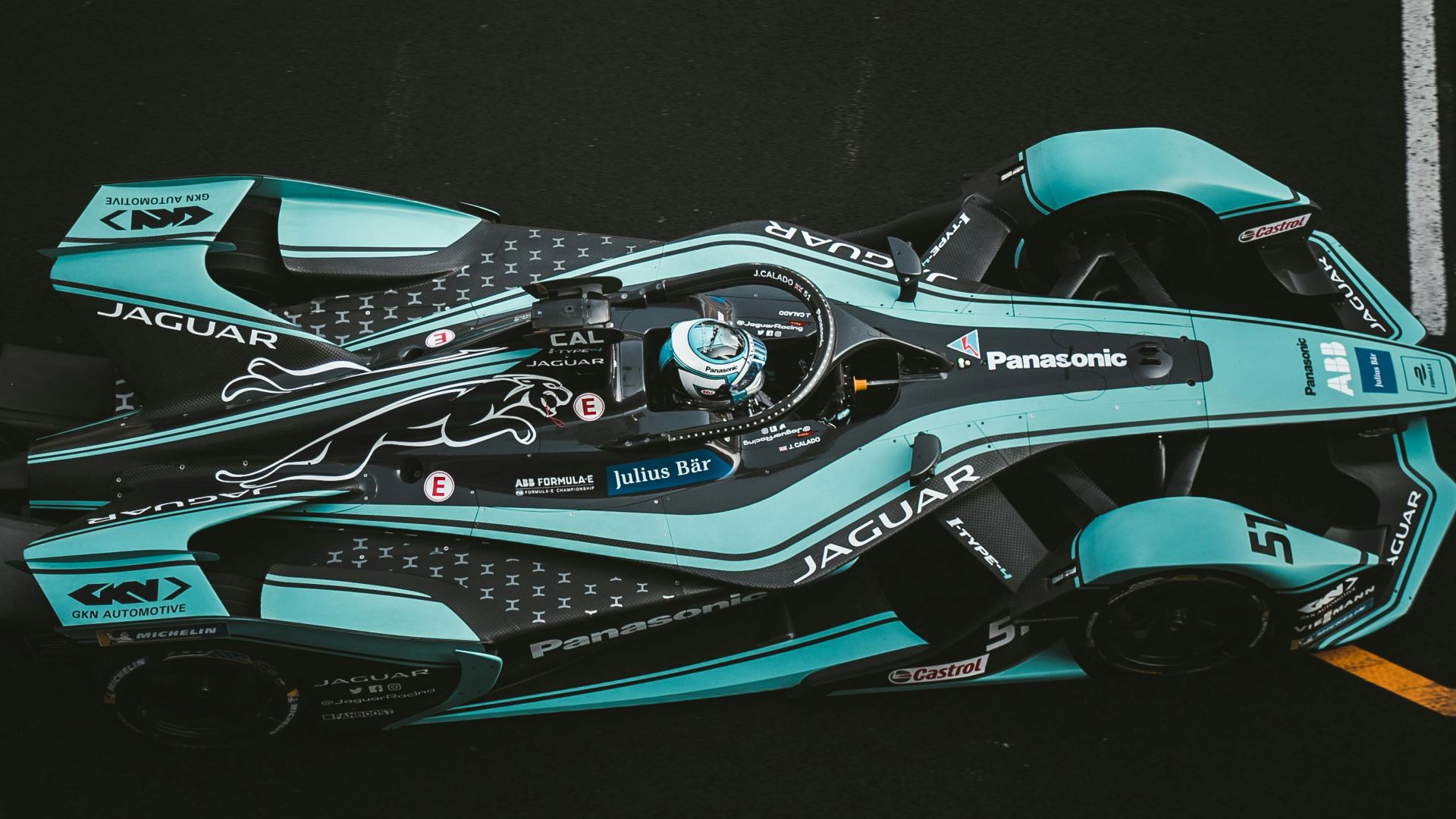
The Cinematic Highway: Cars as Cultural Icons
Cinema has always been fertile ground for automotive brands. From the Bullitt Mustang and its chase through San FranciscoÔÇÖs streets to the DeLorean DMC-12 in Back to the Future, films have immortalised vehicles in ways no conventional advert ever could. For automakers, the payoff is immense: cultural cachet, timeless brand association, and an aspirational halo that transcends the showroom floor.
Consider the enduring partnership between BMW and the Mission: Impossible franchise. The German marque supplies high-performance models that align seamlessly with the filmÔÇÖs themes of precision, technology, and elegance under pressure. The vehicles are woven into action sequences with cinematic grandeur, making them indispensable to the plot rather than incidental branding. Similarly, AudiÔÇÖs long-running presence in the Iron Man films redefined the companyÔÇÖs image in the 2000s, repositioning the marque as cutting-edge, innovative, and inseparable from the sleek futurism Tony Stark embodied.
Subtlety here is key. These placements rarely rely on dialogue or close-ups of logos. Instead, the car becomes an extension of characterisation. The audience absorbs the brand identity in a visceral wayÔÇöthrough action, sound, design, and emotional resonanceÔÇöwithout ever feeling lectured or sold to.
Television and Streaming: Vehicles in the Long Game
Where films deliver impact through spectacle, television and streaming series offer repetition and intimacy. A car seen once on the big screen may become iconic, but a vehicle that appears weekly across several seasons gradually becomes part of the viewerÔÇÖs subconscious landscape.
Take NetflixÔÇÖs Stranger Things. Its nostalgic setting called for period-accurate vehiclesÔÇöChevrolet Blazers, Ford LTDs, and Volkswagen vansÔÇöthat instantly anchored the show in its 1980s aesthetic. While these placements were less about pushing current models, they still reinforced heritage narratives for the brands involved.
Modern premium dramas and lifestyle series go further. A protagonistÔÇÖs choice of vehicle communicates wealth, ambition, or rebellion without a word of exposition. An executive driving a Mercedes S-Class, a young disruptor opting for a Tesla, or a detective behind the wheel of a worn-out VolvoÔÇöall become shorthand for character and context. Brands benefit by having their vehicles woven subtly into emotional storytelling that plays out across hundreds of hours of viewing time, creating a resonance no thirty-second television commercial can match.
Gaming: The New Frontier of Immersion
While cinema and television remain vital, the most exciting product placement frontier for automotive brands lies in gaming. With global gaming revenues eclipsing both film and music, and with highly engaged audiences spending hours in immersive digital worlds, the potential for automotive storytelling is enormous.
Racing titles like Gran Turismo, Forza Horizon, and Need for Speed have long been showcases for performance marques. Here, cars are not static images but dynamic, controllable experiences. Players develop emotional bonds with digital representations of real-world vehicles, sometimes even before they are old enough to drive. For a brand like Porsche or Lamborghini, this creates a pipeline of aspiration that stretches from a teenagerÔÇÖs bedroom to their future dream garage.
The evolution of open-world gaming has further expanded opportunities. In franchises like Grand Theft Auto or Cyberpunk 2077, vehicles are not only tools for exploration but cultural signifiers within vast digital societies. While licensing complexities sometimes mean brands are fictionalised, increasingly automakers are entering collaborations that put their vehicles into these worlds authentically.
Perhaps most transformative is the rise of esports. Competitive gaming titles like Gran Turismo Sport are now officially linked to motorsport bodies such as the FIA. This not only positions virtual driving as a legitimate sporting discipline but creates direct pathways between brand visibility in the digital arena and the prestige of real-world racing. For automakers, this dual presence strengthens identity across both physical and virtual platforms.
Subtlety Versus Obviousness
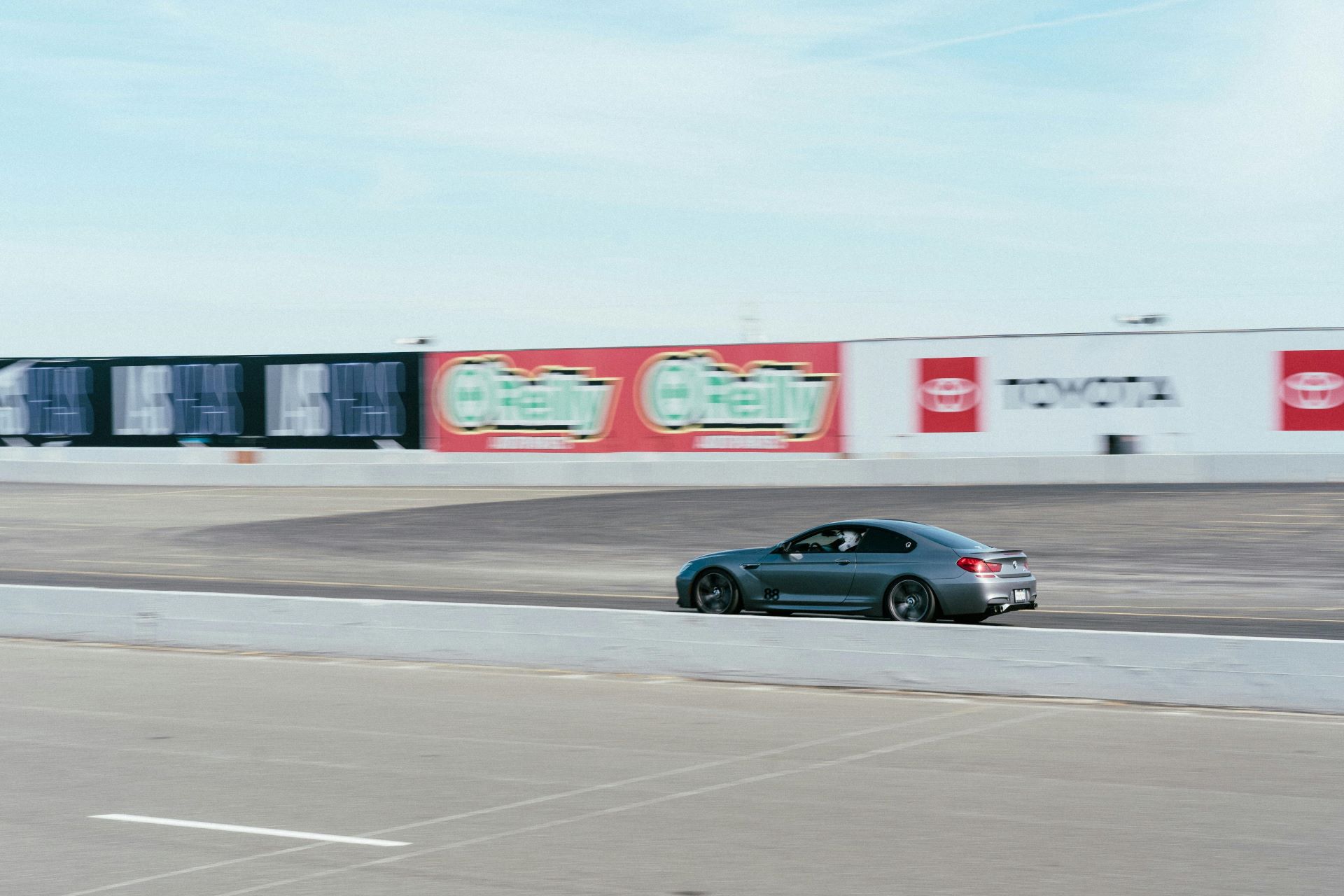
Effective product placement in the automotive sphere walks a fine line between integration and intrusion. When a vehicle appears organicallyÔÇöchosen for character fit, narrative purpose, or atmospheric authenticityÔÇöthe placement feels natural, even artistic. But when the camera lingers too long on a badge, or when dialogue clumsily name-drops a model, audiences disengage.
Luxury brands often master this subtle approach. An Aston Martin sliding across a mountain pass needs no verbal reinforcement; its silhouette and sound are sufficient. By contrast, less-established brands may sometimes overreach, eager to ensure recognition. The key lies in understanding the narrative ecosystem and trusting that audiences are perceptive enough to connect the dots.
Heritage and Legacy Building
Product placement also functions as a tool for heritage storytelling. Automakers with long histories leverage film and television to remind audiences of their legacy. When a vintage Mustang appears in a contemporary series, Ford benefits not only from nostalgia but from a sense of continuity. Likewise, VolkswagenÔÇÖs presence in Herbie or even in subtle background roles across countless productions ties the brand to cultural memories that transcend any single campaign.
Heritage placements also extend into reboots and sequels. When the Fast & Furious franchise resurrects classic Dodge Chargers alongside modern iterations, Dodge secures a dual message: respect for the past, relevance in the present. This layered narrative enriches brand identity across generations of viewers.
Product Placement as Experiential Advertising
What differentiates automotive product placement from other advertising is its experiential dimension. Cars in films, series, or games are not consumed passively. Viewers and players imagine themselves behind the wheel, feeling the acceleration, the grip, the freedom. This imagined experience bridges the gap between fiction and reality.
Gaming magnifies this effect exponentially. In titles like Gran Turismo 7, a player can spend dozens of hours fine-tuning suspension setups, learning braking points, and developing a tactile familiarity with a carÔÇÖs dynamicsÔÇöall within a digital environment. When that player later encounters the real-world vehicle, the emotional groundwork has already been laid. The placement thus transcends awareness and becomes pre-experiential ownership.
The Future: Virtual Worlds and Branded Storytelling
As the media landscape fragments further, the next era of product placement will take shape in virtual and mixed reality. Already, platforms like Fortnite have experimented with automotive collaborations, while metaverse-style environments promise persistent brand presence. Imagine a virtual city where a brandÔÇÖs latest electric model is not only drivable but also functions as a cultural hub, hosting digital concerts or offering AR-linked experiences.
For automakers, the opportunity lies not just in visibility but in co-creation. Rather than passively placing vehicles into narratives created by others, brands are increasingly partnering at the script and design stages, shaping stories where their products are integral. This collaborative approach ensures that the placement is authentic and that the vehicleÔÇÖs role enhances rather than distracts from the storytelling.
Closing Thoughts: Subtlety with Impact
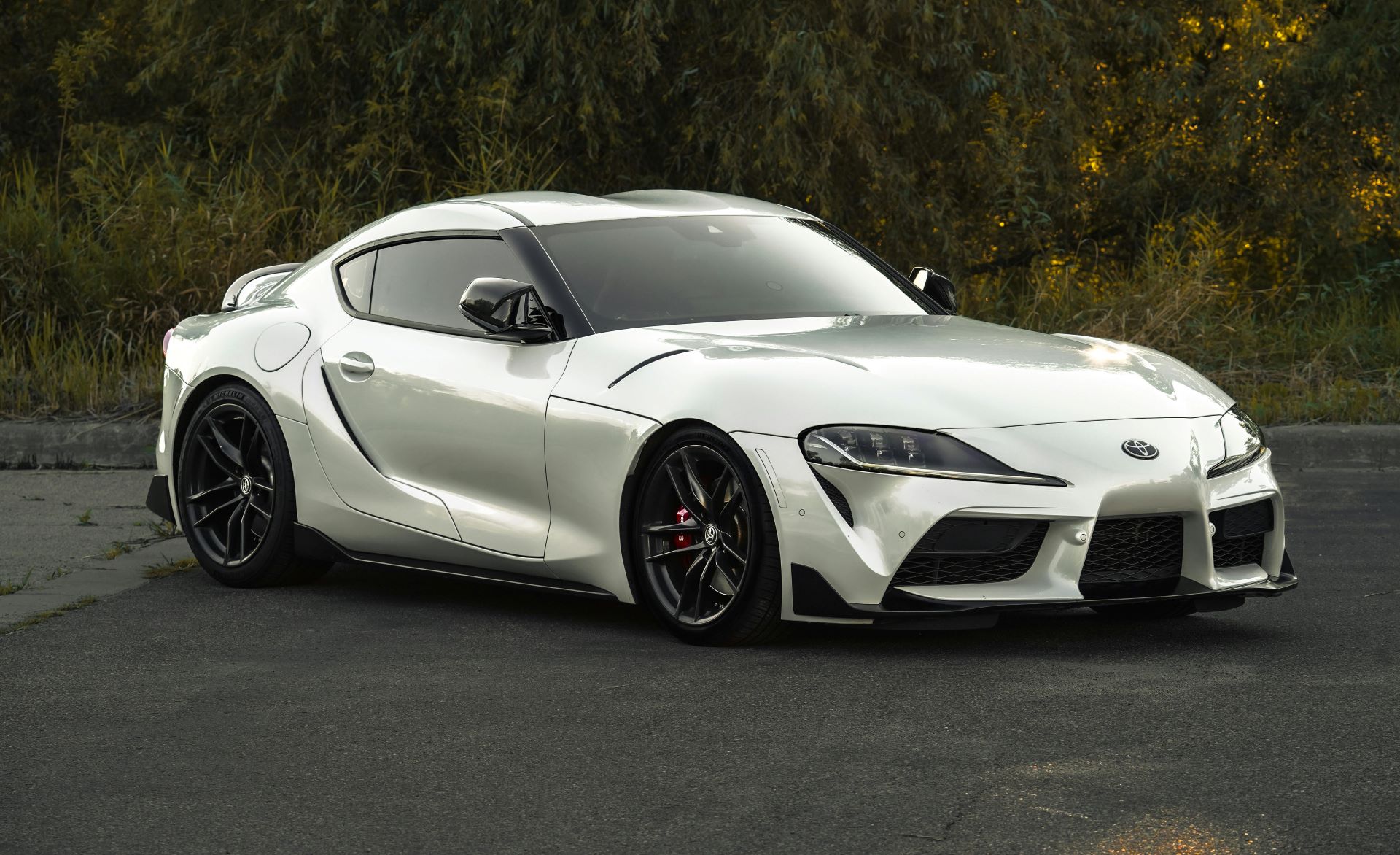
Automotive product placement is a delicate craftÔÇöequal parts marketing, storytelling, and cultural anthropology. The most successful examples do not shout but whisper, embedding vehicles into worlds where they belong naturally. They respect the intelligence of the audience, recognising that aspiration often flourishes most powerfully when it is self-discovered rather than imposed.
From the silver screen to streaming platforms, from game controllers to VR headsets, cars remain more than metal and horsepower. They are symbols, extensions of identity, and vessels of imagination. In this sense, automotive product placement is not just about selling vehicles. It is about weaving brands into the fabric of stories that people carry with them long after the credits rollÔÇöor the game ends.
Breyten Odendaal
Specializing in high-performance automotive advertising and digital marketing solutions, delivering cutting-edge insights and the latest news shaping the automotive industry in South Africa.
More From Advertising

Automotive Advertising in 2026: Selling Confidence in a More Competitive Market
As South Africa’s vehicle market becomes more competitive, automotive advertising needs to do more than announce a price or specification. It needs to help buyers understand value, ownership costs and why a vehicle suits their lives.

Automotive Digital Ads in South Africa: A Shift
Exploring how South Africa’s automotive advertising evolved from print and broadcast to data-driven, programmatic digital ecosystems.

The Video Shift in Car Buying Decisions in SA
Explore how video content shapes car purchase decisions in South Africa, comparing short-form and long-form strategies for automotive marketers.