
The Power of a Story on Wheels
In todayÔÇÖs automotive landscape, a car is no longer just a machine; it is a narrative waiting to be told. From the gleaming curves of a luxury coupe to the rugged prowess of an all-terrain SUV, each vehicle embodies a storyÔÇöa reflection of engineering, ambition, and culture. Automotive storytelling has evolved far beyond press releases and glossy brochures. It is now an immersive experience, a choreographed sequence of visuals, sound, and narrative that transports audiences into a world where emotion and innovation intersect.
Launch films, social media campaigns, and immersive digital experiences are not mere marketing tacticsÔÇöthey are the new lexicon of automotive communication. These stories do more than announce a product; they articulate a brandÔÇÖs philosophy, its DNA, and its vision of the future. They invite audiences to engage, not just consume, and they demand authenticity, resonance, and creative ingenuity.

Launch FilmsÔÇöCinema Meets the Showroom
The launch film is the centerpiece of modern automotive storytelling. More than a commercial, a launch film is a cinematic statement: a short-form narrative designed to captivate, inspire, and persuade. Unlike traditional advertisements, which focus on features or specifications, launch films immerse viewers in the ethos of the vehicle, the spirit of the brand, and the lifestyle it represents.
Consider the iconic Audi ÔÇ£Vorsprung durch TechnikÔÇØ campaigns or JaguarÔÇÖs cinematic unveilings, where storytelling transcends product description. A launch film begins with emotion, builds tension through visual choreography and sound design, and resolves with a memorable reveal. Every shotÔÇöthe interplay of light on metal, the rhythmic motion of tires on asphalt, the roar of an engineÔÇöbecomes a narrative beat, contributing to a larger story that speaks to both rational and emotional dimensions.
Filmmakers often collaborate closely with automotive designers and engineers to ensure authenticity. The camera does not simply document the car; it interprets it. Slow-motion sequences highlight craftsmanship, while aerial shots dramatize performance. Music is meticulously curated to evoke a sense of awe, aligning with the vehicleÔÇÖs characterÔÇöwhether itÔÇÖs the elegance of a luxury sedan or the raw energy of a sports car.
Beyond aesthetics, launch films serve a strategic function. They provide a shareable narrative for media outlets, dealers, and digital channels. In a fragmented media ecosystem, where attention is fleeting, a well-executed launch film acts as a magnet, drawing viewers into the brandÔÇÖs story and encouraging deeper engagement.
Social NarrativesÔÇöThe Conversation Continues
While launch films establish a grand narrative, social media amplifies and personalizes it. Platforms like Instagram, TikTok, and YouTube transform storytelling from a monologue into a conversation. Here, narratives are no longer confined to polished films; they live in short clips, behind-the-scenes footage, influencer collaborations, and interactive experiences.
Social narratives democratize the story. They allow brands to extend the dialogue, responding to audience reactions in real time and fostering communities around shared passions. A luxury car reveal might evolve into a series of Instagram Stories highlighting the design process, or a TikTok challenge that invites users to engage creatively with the vehicle. Each piece of content adds depth to the narrative, reinforcing the brandÔÇÖs personality and values.
Importantly, social narratives require authenticity. Modern audiences are highly discerning; they can detect contrived messages instantly. The most compelling campaigns integrate the human elementÔÇöengineers explaining design choices, drivers sharing their first impressions, or even highlighting sustainability efforts in production. The result is a multidimensional narrative that resonates on both an intellectual and emotional level.
Social storytelling also thrives on iteration and immediacy. Unlike a launch film, which is static, social content evolves. Metrics, engagement rates, and audience feedback inform subsequent narratives, creating a dynamic loop where the story grows organically. In this sense, social media is both a canvas and a laboratory, allowing brands to test ideas, measure impact, and adapt narratives in real time.
Experiential StorytellingÔÇöFrom Test Drives to VR Worlds
In the age of digital immersion, storytelling extends beyond screens. Experiential marketingÔÇötest drives, pop-up events, and virtual reality experiencesÔÇöallows audiences to engage physically and emotionally with a vehicle. A test drive is no longer simply a way to feel a carÔÇÖs performance; it is an opportunity to live the narrative, to embody the brandÔÇÖs ethos for a fleeting but powerful moment.
Luxury brands like Porsche, Mercedes-Benz, and Aston Martin have perfected this approach. Carefully curated test drive routes, guided by brand ambassadors, turn the act of driving into a narrative journey. Each twist of the road, each acceleration, becomes a chapter in the vehicleÔÇÖs story. High-performance cars are showcased on circuits that emphasize agility and precision, while SUVs are revealed in terrains that highlight capability and versatility. These experiences leave lasting impressions far beyond what traditional media can achieve.
Virtual and augmented reality are transforming experiential storytelling even further. Automotive brands increasingly employ VR to allow customers to explore interiors, customise vehicles, and understand engineering innovations in a simulated yet immersive environment. Imagine stepping into a digital recreation of a car assembly line or exploring an exotic test track from the comfort of a showroom. These experiences democratize access, turning complex engineering feats into accessible narratives for consumers.
By integrating physical and digital experiences, brands create a narrative ecosystem. Launch films may introduce the story, social narratives personalize it, and experiential engagements let audiences live it. The result is a layered, memorable journey that builds deeper connections and drives brand loyalty.
Brand Heritage and LegacyÔÇöStories That Build Trust
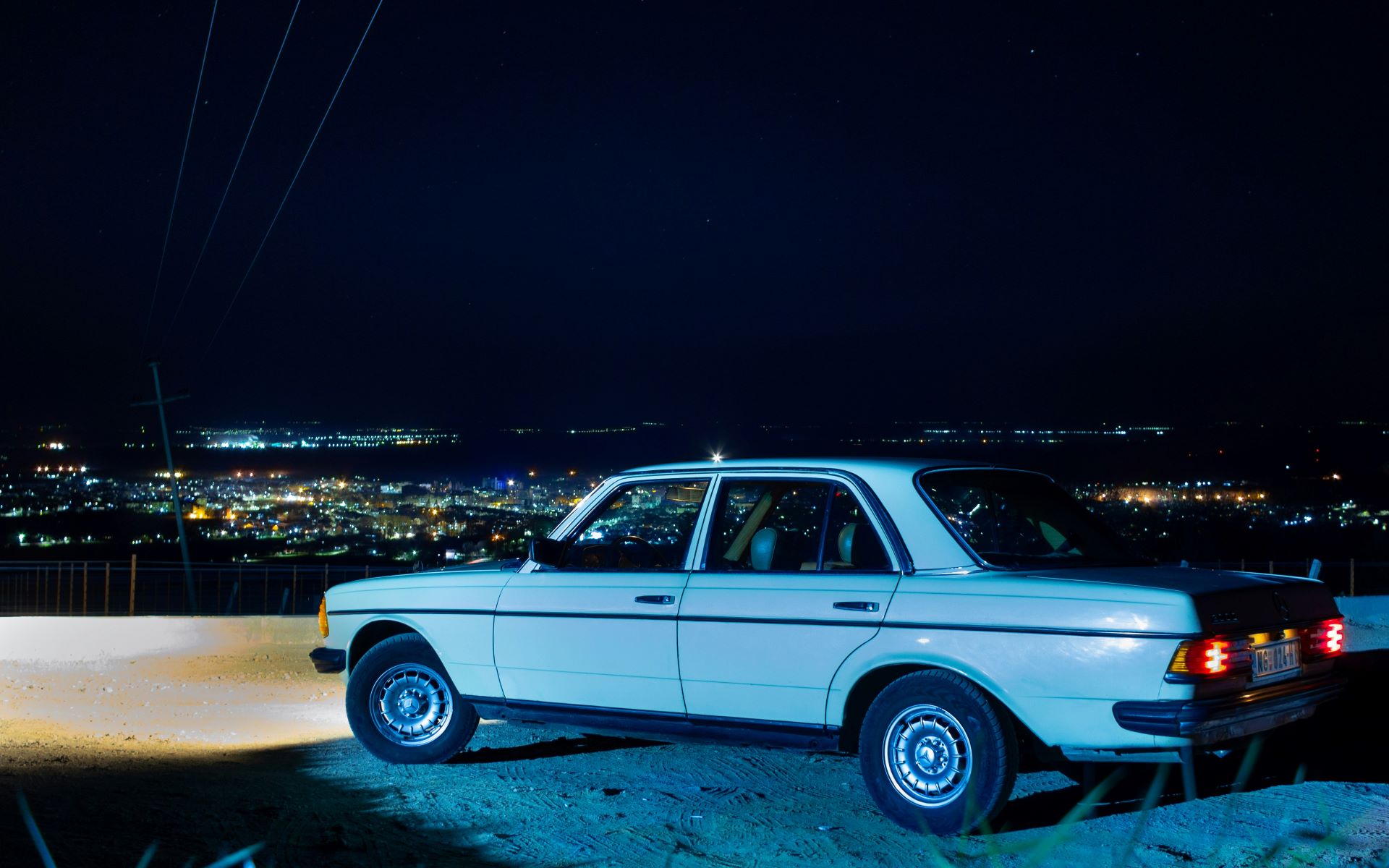
Automotive storytelling is not only about innovation and spectacle; it is also about heritage. Legacy and history provide context, authority, and emotional depth. Brands like Rolls-Royce, Ferrari, and BMW leverage decades, sometimes over a century, of engineering and design excellence to reinforce trust and aspirational value.
Heritage storytelling often blends nostalgia with forward-thinking vision. Campaigns might highlight historical milestones, classic models, or iconic races, framing them within the context of modern innovation. Consider JaguarÔÇÖs celebration of its Le Mans victories or PorscheÔÇÖs retrospectives on the 911ÔÇÖs evolutionÔÇöthese stories are carefully crafted to convey continuity, credibility, and the enduring values that define the brand.
Heritage-based narratives resonate because they appeal to identity. Consumers do not merely buy a car; they buy a piece of history, a legacy of performance, craftsmanship, and cultural significance. Through this lens, storytelling transcends marketing; it becomes a dialogue across generations, connecting enthusiasts, collectors, and new audiences alike.
Influencers and User-Generated ContentÔÇöThe Modern Chorus
No narrative exists in isolation. Today, automotive stories are amplified and enriched by influencers, content creators, and brand advocates. Social media has given rise to a participatory culture where users co-author the narrative through reviews, unboxing videos, and lifestyle content.
Collaborations with influencers are now a sophisticated art form. Leading brands select partners who embody brand values, crafting campaigns that feel organic rather than transactional. These partnerships extend reach, humanize messaging, and provide credibility in ways traditional media cannot. Meanwhile, user-generated content functions as social proof, reinforcing authenticity and encouraging further engagement.
Platforms like TikTok thrive on this collaborative storytelling model. Short-form video allows enthusiasts to share personal experiences, custom modifications, or lifestyle narratives involving a vehicle. Brands can amplify these stories, turning grassroots content into a strategic asset. The collective narrative becomes a chorus, blending professional storytelling with authentic, community-driven voicesÔÇöa powerful combination that strengthens brand presence and consumer loyalty.
Integrating Narrative Across ChannelsÔÇöCreating a Cohesive Universe
In the contemporary automotive landscape, storytelling is most effective when it operates as a cohesive ecosystem rather than isolated campaigns. A launch film may captivate, social media content may engage, and experiential marketing may immerseÔÇöbut the narrativeÔÇÖs true power emerges when all these elements converge. Integration across channels ensures consistency, amplifies impact, and fosters a deeper, more resonant connection with audiences.
A cohesive narrative begins with a clearly defined brand voice and visual identity. Every communication touchpointÔÇöwhether it is a cinematic reveal, Instagram Story, or dealership experienceÔÇöshould reflect the same ethos. For instance, a luxury electric vehicle might feature a launch film emphasizing sustainability, social media content exploring innovation in battery technology, and test drive events designed to showcase quiet, effortless performance. Across all these channels, the underlying story remains unified: technology, elegance, and environmental responsibility.
Cross-channel storytelling also enables strategic sequencing. Campaigns can be designed as chapters, each building on the last. Early teasers on social media can generate curiosity and anticipation, the launch film can deliver the emotional peak, experiential activations can deepen personal engagement, and post-launch content can extend the story, highlighting ownership experiences and customer journeys. The narrative becomes an evolving, immersive universe, where audiences are not merely observers but participants.
Effective integration demands meticulous planning and collaboration. Marketing teams must coordinate across creative, digital, PR, and experiential divisions, ensuring alignment in tone, messaging, and timing. Metrics and audience insights guide adjustments, allowing the story to evolve dynamically without compromising coherence. The result is a narrative architecture that transforms campaigns into living experiences and consumers into loyal advocates.
The Metrics of StorytellingÔÇöMeasuring Impact and Engagement
For decades, automotive marketing relied on sales figures, showroom footfall, and traditional advertising metrics. Today, storytelling demands a more nuanced approach to measurement. Success is no longer defined solely by units sold but by engagement, resonance, and cultural impact.
Digital channels provide rich data to assess narrative effectiveness. Video completion rates, social media shares, comments, and sentiment analysis reveal how audiences are interacting with content. Experiential campaigns can be evaluated through participation levels, dwell time, and post-event engagement. Even heritage and brand legacy initiatives can be measured via brand perception studies, recall metrics, and loyalty indicators.
Metrics also inform narrative evolution. Social listening and analytics allow brands to refine storytelling in real time, identifying which elements resonate and which require recalibration. A teaser video that sparks curiosity but fails to convert interest into engagement may lead to adjustments in tone, pacing, or visual emphasis. By embracing iterative measurement, brands ensure that storytelling remains not only creative but strategically effective.
However, the metrics of storytelling go beyond numbers. Emotional resonanceÔÇöthe subtle but profound connection that consumers form with a vehicle or brandÔÇöis often intangible but critical. Surveys, focus groups, and qualitative feedback provide insight into this deeper dimension, allowing marketers to balance creativity with commercial efficacy.
Challenges and Opportunities in Modern Automotive Storytelling
Despite its power, automotive storytelling is not without challenges. The fragmented media landscape, short attention spans, and heightened consumer skepticism demand innovation, authenticity, and agility. Stories must cut through noise without feeling forced, appeal to diverse audiences without diluting brand identity, and remain culturally relevant in an era of rapid social and technological change.
At the same time, opportunities abound. Emerging technologiesÔÇöaugmented reality, AI-driven personalization, and immersive simulationsÔÇöallow brands to create experiences that were previously impossible. Sustainability and social responsibility offer narrative depth, providing stories that are not only engaging but morally resonant. Moreover, the participatory culture of social media transforms audiences from passive observers to active co-creators, opening pathways for dynamic, interactive storytelling.
The most successful brands navigate this landscape by balancing artistry and strategy. They recognize that storytelling is both a craft and a science: a delicate interplay of narrative structure, visual and auditory language, emotional resonance, and data-driven insight. Brands that master this balance do more than sell carsÔÇöthey cultivate culture, inspire loyalty, and leave a lasting imprint on the collective imagination.
Storytelling in a Connected WorldÔÇöThe Future of Automotive Narratives
The future of automotive storytelling lies in interconnected, immersive experiences that seamlessly blend digital and physical realities. As vehicles become increasingly intelligent, autonomous, and sustainable, the narratives surrounding them must evolve accordingly. Cars will no longer merely transport; they will serve as extensions of lifestyle, identity, and digital connectivity.
Imagine a future where augmented reality dashboards tell personalized storiesÔÇöhighlighting destinations, narrating journeys, or offering dynamic histories of roads traveled. Autonomous vehicles may become storytelling platforms in their own right, providing curated audio-visual experiences during transit. The possibilities extend beyond traditional marketing, transforming vehicles into conduits for narrative innovation.
Emerging technologies, including AI-generated content and real-time personalization, will further redefine storytelling. Campaigns may adapt instantly to audience behavior, tailoring narratives to individual preferences, driving habits, and environmental context. The line between creator and consumer will blur, enabling co-created stories that are as unique as the drivers themselves.
Sustainability and ethical innovation will also shape future narratives. As automakers increasingly embrace eco-friendly materials, energy-efficient technologies, and social responsibility initiatives, stories must articulate these commitments with authenticity and transparency. The challenge lies in creating compelling narratives that are informative, emotionally resonant, and culturally meaningfulÔÇöwithout descending into performative messaging.
The Art and Science of Automotive Storytelling
Automotive storytelling is both timeless and dynamic. It honors heritage while embracing innovation, balancing the tactile beauty of engineering with the ephemeral power of narrative. From cinematic launch films that stir awe to interactive social campaigns that spark conversation, from immersive test drives to the co-created content of passionate communities, every touchpoint contributes to a larger, living story.
The brands that excel in this space recognize that storytelling is more than marketingÔÇöit is culture, identity, and experience. A well-told story creates desire, fosters loyalty, and elevates the act of driving into an emotionally rich journey. It transforms a product into an icon, a campaign into a cultural moment, and a consumer into a participant in something larger than themselves.
In an era where attention is fragmented and competition is fierce, the art of automotive storytelling is the differentiator. It is the synthesis of creativity and strategy, emotion and data, legacy and innovation. The vehicles of tomorrow will be extraordinary not only for what they are capable of but for the stories they inspire. And in that intersection of engineering and imagination lies the enduring power of the automotive narrative: a story that drives not only the wheels of a car but the hearts of those who experience it.
Breyten Odendaal
Specializing in high-performance automotive advertising and digital marketing solutions, delivering cutting-edge insights and the latest news shaping the automotive industry in South Africa.
More From Advertising

Automotive Advertising in 2026: Selling Confidence in a More Competitive Market
As South Africa’s vehicle market becomes more competitive, automotive advertising needs to do more than announce a price or specification. It needs to help buyers understand value, ownership costs and why a vehicle suits their lives.

Automotive Digital Ads in South Africa: A Shift
Exploring how South Africa’s automotive advertising evolved from print and broadcast to data-driven, programmatic digital ecosystems.

The Video Shift in Car Buying Decisions in SA
Explore how video content shapes car purchase decisions in South Africa, comparing short-form and long-form strategies for automotive marketers.