
The Evolution of the Automotive Showroom
For decades, automotive marketing was a matter of showrooms, glossy brochures, and test drives. Customers walked into a dealership, inspected the product, and made a decision based on price, performance, and reputation. Yet the twenty-first-century consumer is far more complex. Buying a car today is not only about transport; it is about belonging, identity, and lifestyle. The automotive industry has responded by transforming its marketing strategies into immersive experiences, curating cultural touchpoints that resonate with audiences beyond the technicalities of horsepower and fuel efficiency. This shift is not simply cosmeticÔÇöit is a strategic realignment of how brands are positioning themselves as cultural symbols, lifestyle leaders, and purveyors of personal expression.
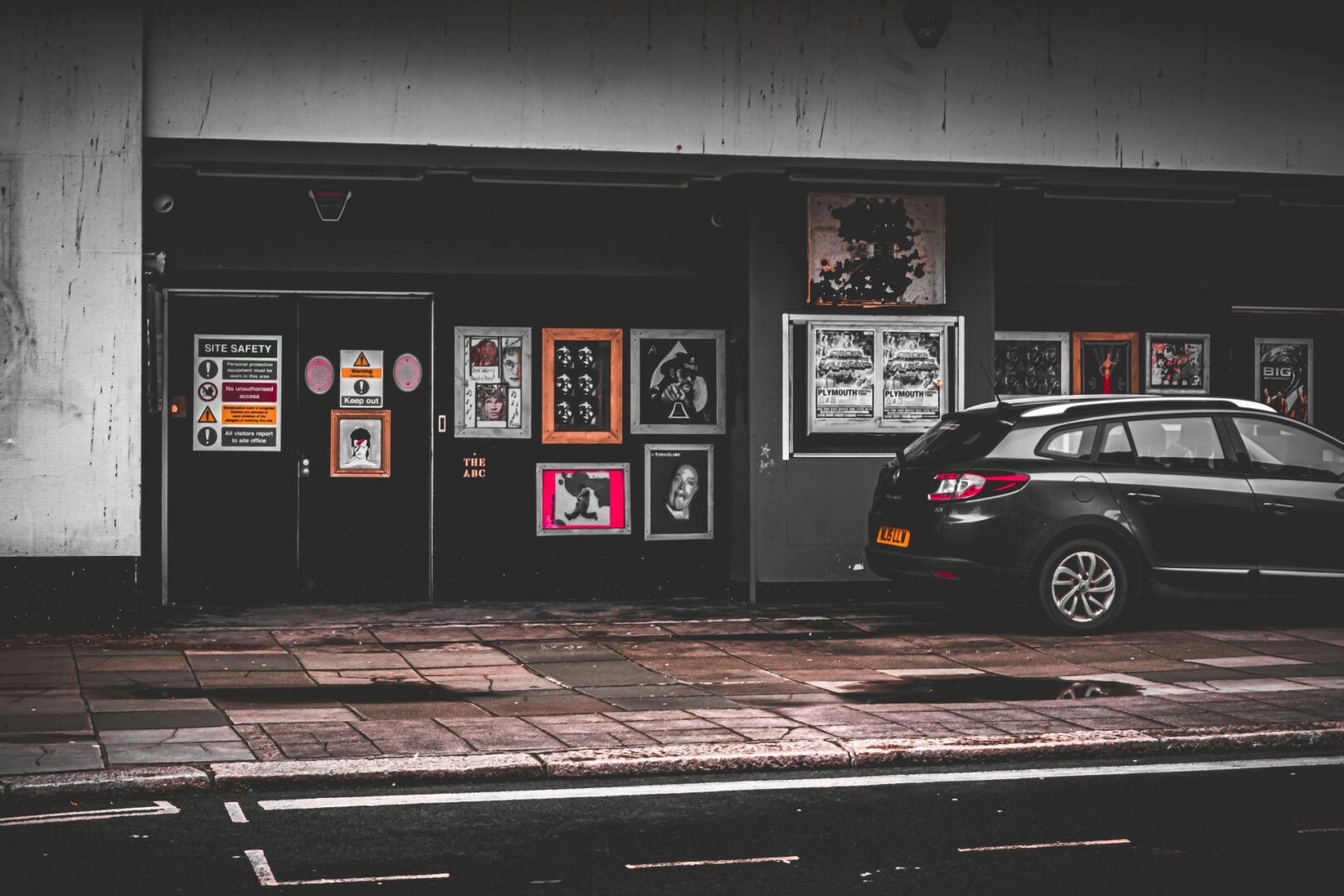
From Showrooms to Stages: The Rise of Immersive Experiences
The showroom remains a cornerstone of automotive sales, but its role is evolving. Increasingly, manufacturers are blending traditional product presentation with theatrical spectacle. Launch events are staged like concerts, with immersive lighting, soundscapes, and digital projection. Cars are unveiled against backdrops of artistry and storytelling, transforming the vehicle into a protagonist in a cultural narrative rather than a mere commodity.
Take for example the way luxury brands introduce new models at international motor shows. These are no longer mere trade exhibitionsÔÇöthey are grand productions designed to captivate both the media and the consumer. The intention is to surround the vehicle with an atmosphere of exclusivity and emotion, encouraging audiences to connect with the brand on a visceral level. Even mainstream manufacturers are adopting this approach, realising that a memorable experience can create brand loyalty long before a purchase is made.
Pop-up showrooms and experiential activations in urban centres are also becoming critical. Instead of luring people to dealerships on the cityÔÇÖs outskirts, brands are stepping into the heart of cultural life. A pop-up caf├® that doubles as a gallery for a new model, or an art installation that integrates a car as part of the exhibit, makes the brand feel less like a seller and more like a participant in the consumerÔÇÖs cultural landscape.
Beyond the Test Drive: Lifestyle Marketing
The test drive remains an essential moment in the buyerÔÇÖs journey, but modern automotive marketing seeks to extend that encounter into a lifestyle narrative. Brands no longer just ask consumers to imagine themselves behind the wheel; they invite them to imagine themselves in an entire world shaped by the car.
This is visible in the proliferation of branded experiences such as curated road trips, luxury travel partnerships, and motorsport-inspired lifestyle events. A performance vehicle may be marketed not only as an engineering achievement but as a passport to freedom, adventure, and community. Electric vehicles, on the other hand, are increasingly positioned as symbols of environmental consciousness, modern design, and forward-thinking urban living.
Partnerships with fashion labels, music festivals, and sporting events blur the boundaries between automotive marketing and broader lifestyle branding. When a manufacturer aligns itself with a cultural movement, it signals to consumers that owning their car is about more than mobilityÔÇöit is about belonging to a particular worldview. The car becomes a symbol of shared values, be that sustainability, luxury, rebellion, or innovation.
Cultural Symbols and the Power of Identity
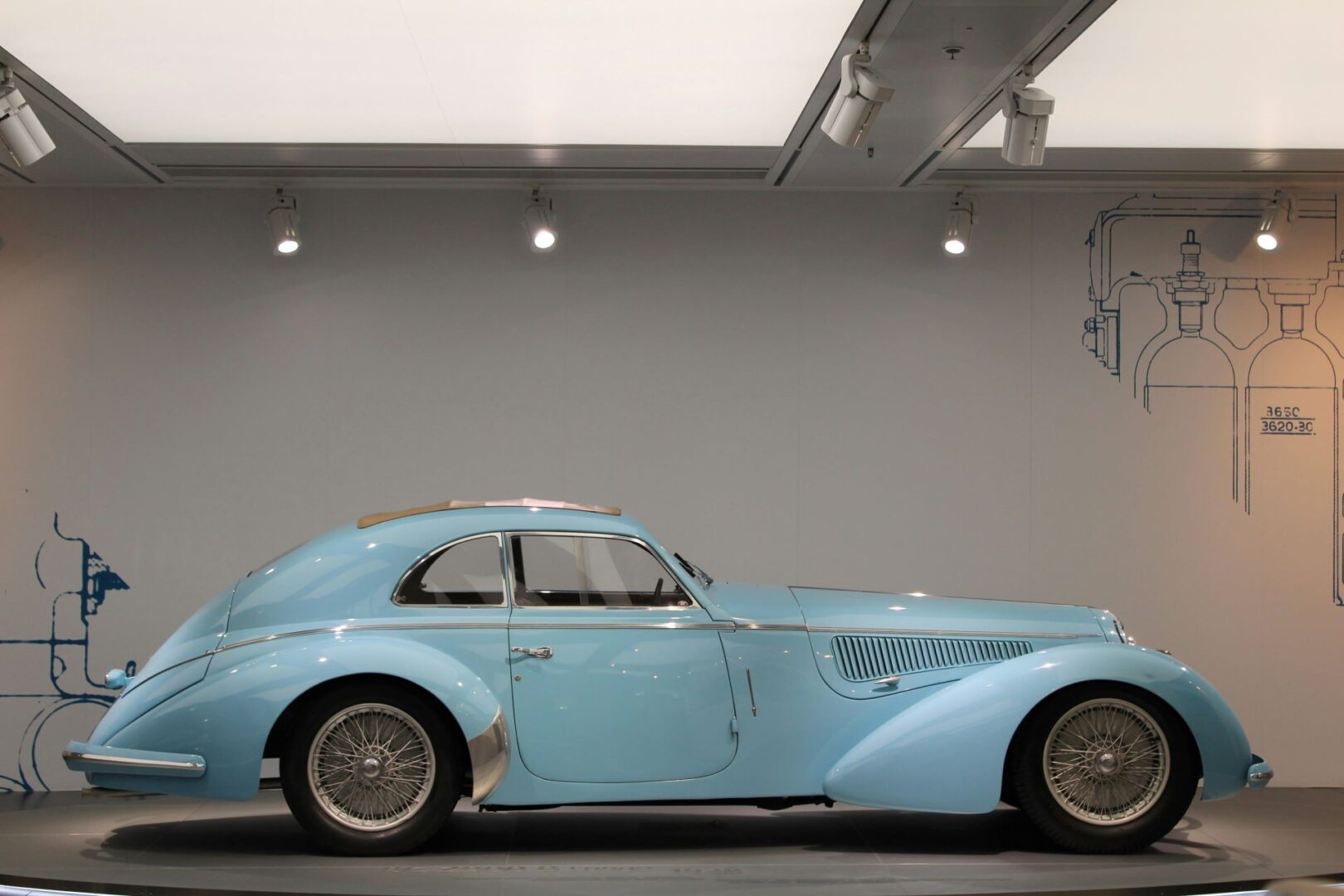
Marketing cars as cultural symbols requires a keen understanding of how vehicles resonate with identity. Throughout history, certain cars have become emblems of social standing, rebellion, or even national pride. The Volkswagen Beetle was once a countercultural icon, the Mini became synonymous with 1960s youth culture, and the SUV has, in many markets, come to represent aspiration and family success.
TodayÔÇÖs brands must navigate a complex cultural terrain where consumers demand both individuality and alignment with broader societal values. A brand like Tesla positions its vehicles not only as high-performance electric cars but as cultural statements about technology and sustainability. Similarly, heritage brands such as Land Rover and Jeep leverage their history of rugged adventure to maintain cultural authority, even as they adapt to the demands of electrification.
By leaning into these symbolic associations, brands ensure that cars are never just purchased for practical reasons. They are chosen because they reflect who the consumer wishes to beÔÇöor who they wish to be seen as by others. In this context, automotive marketing becomes less about specifications and more about semiotics: what does this car say about you, and how does it align with the identity you project?
Personalisation as Power in a Mass Market
As powerful as cultural symbolism is, modern consumers are increasingly demanding personalisation. In a world where mass production has created near-universal accessibility, individuality is now the true luxury. Automotive marketing has embraced this shift by celebrating bespoke features and customisation options.
Luxury brands have long thrived on this principle. A Rolls-Royce is rarely delivered without a bespoke touch, from personalised upholstery to unique paint colours. But the philosophy of personalisation is no longer restricted to ultra-luxury markets. Mainstream manufacturers are realising that even modest levels of customisation can create emotional attachment. The ability to select a distinctive trim, interior finish, or technology package gives consumers a sense of authorship over their purchase.
Digital configurators, augmented reality tools, and immersive design studios have transformed the buying process into an act of creation. Consumers can now visualise their choices in real time, often in virtual showrooms that allow them to ÔÇ£step insideÔÇØ their customised model. This interactive engagement is not just a tool for decision-makingÔÇöit is a marketing strategy that positions the brand as responsive, inclusive, and consumer-driven.
Personalisation also feeds into storytelling. A personalised car is more than a purchase; it becomes an extension of the ownerÔÇÖs narrative. For automotive marketers, this opens opportunities to frame vehicles as canvases for self-expression. Campaigns highlight the individuality of choices rather than the uniformity of mass production, ensuring that even a mainstream car feels like a statement of identity.
Technology as an Enabler of Experience
The rise of digital technologies has underpinned every stage of this transformation. Virtual reality and augmented reality are now standard tools in automotive marketing, enabling customers to explore vehicles without stepping foot in a dealership. Online platforms allow consumers to participate in live-streamed launches, interactive brand experiences, and global conversations about cars as cultural artefacts.
Equally, data-driven insights allow marketers to personalise campaigns at scale. By understanding consumer preferences and behaviours, brands can tailor messaging that resonates with different demographics without diluting their core identity. This creates a paradoxical blend of mass reach and individual relevanceÔÇöthe hallmark of modern marketing.
Technology also deepens cultural immersion. For example, collaborations between car brands and gaming platforms bring vehicles into digital worlds where younger audiences already spend significant time. These virtual representations are not trivialÔÇöthey build cultural associations that translate into real-world desirability.
The Future of Automotive Consumer Experience
Looking ahead, the convergence of culture, technology, and personalisation will only intensify. As electric mobility and autonomous driving reshape the function of the car, the cultural significance of vehicles will continue to evolve. Marketing strategies will be less about horsepower and torque and more about lifestyle integration, emotional resonance, and personal storytelling.
Brands that thrive will be those that understand cars not simply as products but as experiences, symbols, and identities. The shift from showroom to stage, from test drive to lifestyle, and from mass market to personalised creation is not temporaryÔÇöit is the blueprint for the future of automotive marketing.
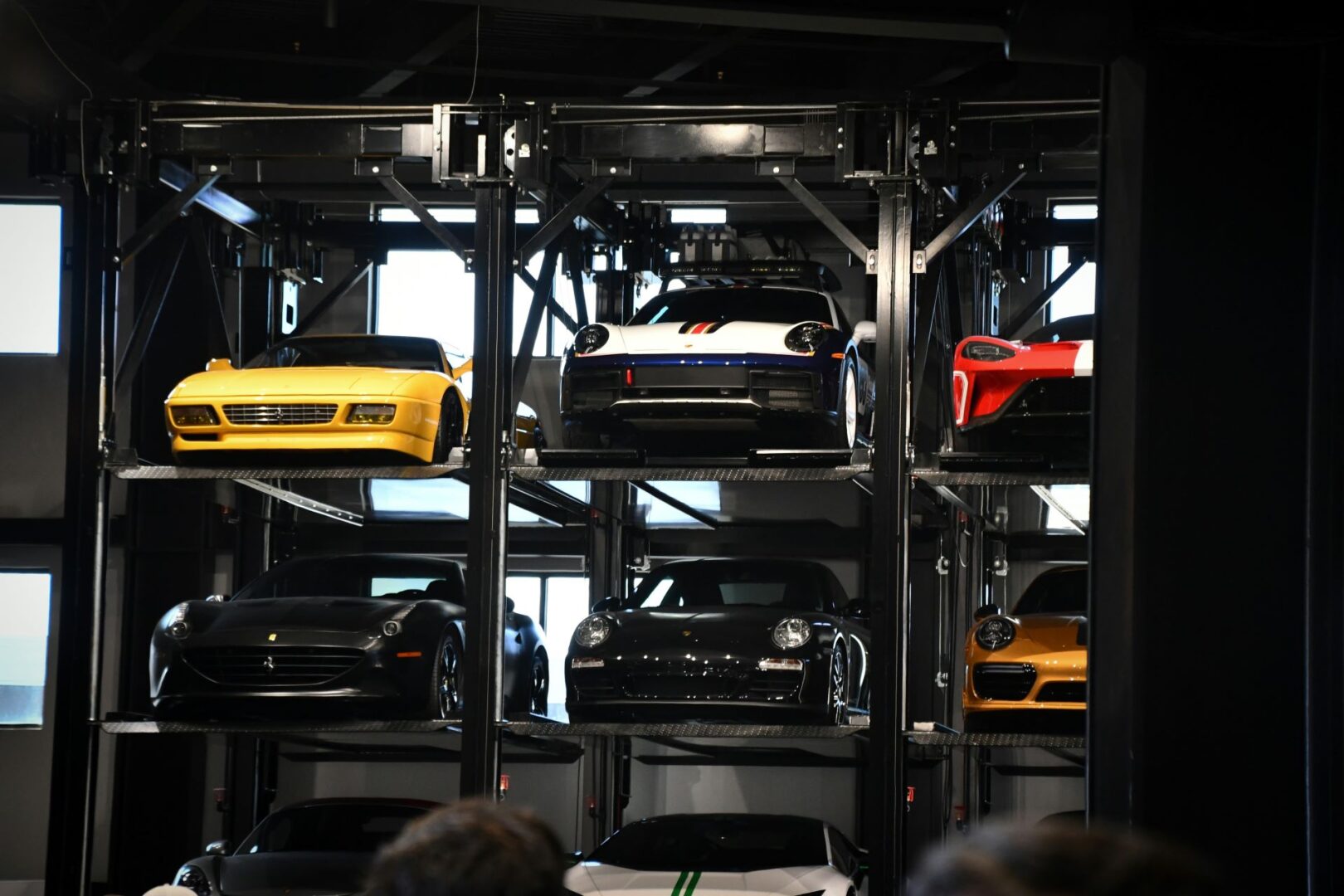
From Transport to Transformation
The consumer experience in automotive marketing has become a rich tapestry woven from culture, identity, technology, and personalisation. Cars are no longer marketed as mechanical products alone; they are framed as cultural artefacts and personal expressions of individuality. Showrooms have evolved into stages, test drives into lifestyle journeys, and personalisation into a form of empowerment in a world of mass production.
This evolution reveals a truth that marketers can no longer ignore: selling a car is no longer about convincing someone to driveÔÇöit is about convincing them to belong. The vehicle is a passport into a lifestyle, a stage for personal expression, and a mirror of cultural values. In this sense, the car becomes more than a machine. It becomes an experience, a symbol, and a story that consumers are eager to make their own.
Breyten Odendaal
Specializing in high-performance automotive advertising and digital marketing solutions, delivering cutting-edge insights and the latest news shaping the automotive industry in South Africa.
More From Advertising
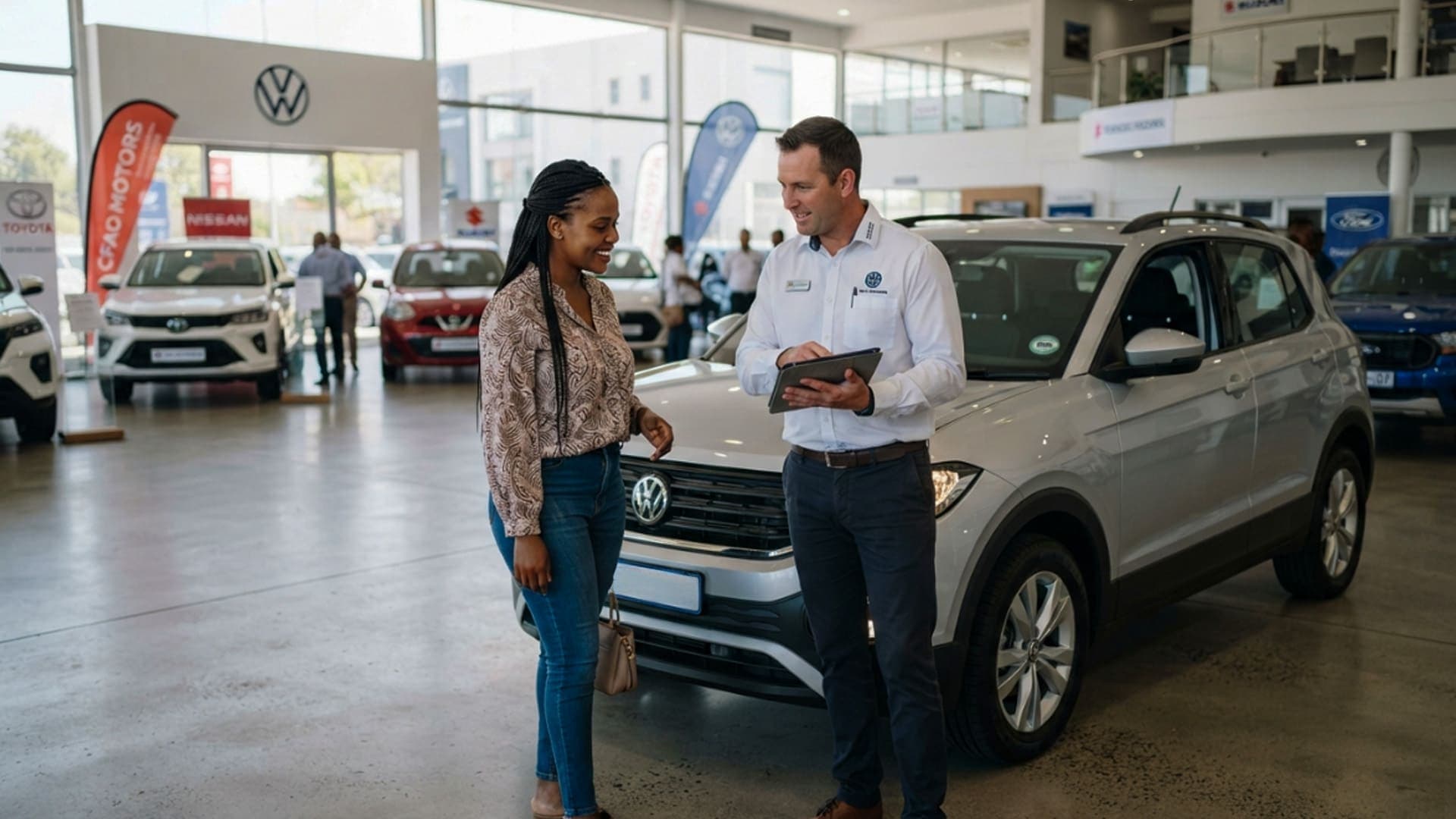
Automotive Advertising in 2026: Selling Confidence in a More Competitive Market
As South Africa’s vehicle market becomes more competitive, automotive advertising needs to do more than announce a price or specification. It needs to help buyers understand value, ownership costs and why a vehicle suits their lives.

Automotive Digital Ads in South Africa: A Shift
Exploring how South Africa’s automotive advertising evolved from print and broadcast to data-driven, programmatic digital ecosystems.

The Video Shift in Car Buying Decisions in SA
Explore how video content shapes car purchase decisions in South Africa, comparing short-form and long-form strategies for automotive marketers.