
In the fiercely competitive world of automotive manufacturing, branding is far more than just a logo or a catchy taglineÔÇöit is the essence of a brand's identity. It conveys values, defines reputation, and differentiates products in a market filled with established and emerging players. Successful branding not only forges a lasting bond with consumers but also cultivates loyalty, trust, and recognition. In this article, we will explore the intricacies of automotive branding, examining how the industryÔÇÖs top brands have built their distinctive identities and the challenges they face in todayÔÇÖs evolving market.
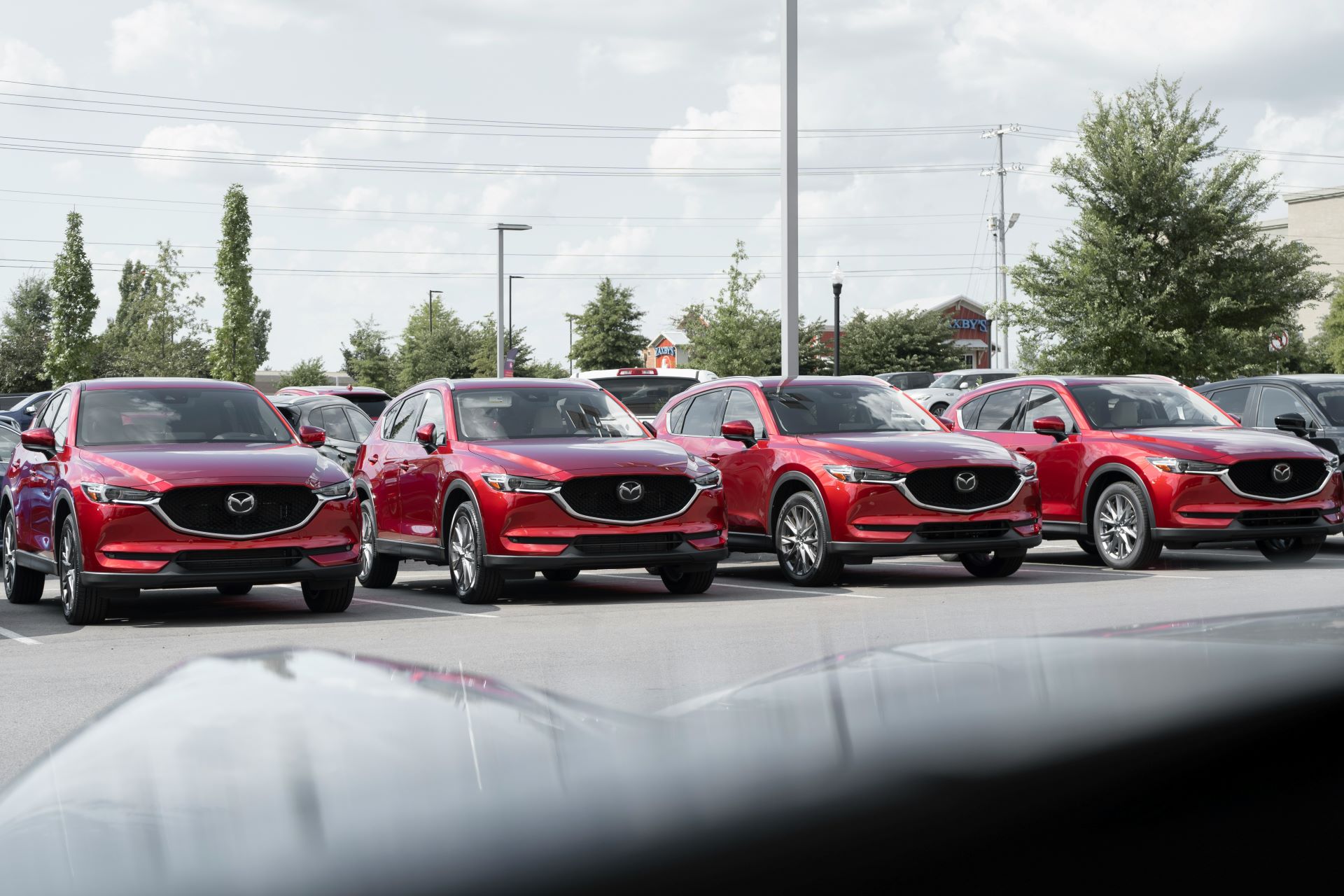
Historical Context
To understand how modern automotive brands have shaped their identities, itÔÇÖs essential to look at the origins of branding in the industry. Early automotive giants like Ford, Mercedes-Benz, and General Motors set the stage by innovating in technology, focusing on manufacturing excellence, and crafting memorable advertising campaigns. Henry Ford's Model T, for example, wasnÔÇÖt just a carÔÇöit was an embodiment of progress and affordability. Mercedes-Benz established itself as a symbol of luxury, craftsmanship, and engineering prowess, while General Motors innovated with its multi-brand strategy, positioning Cadillac as the ultimate standard of luxury and Buick as the symbol of premium reliability. These early branding efforts laid the foundation for modern branding strategies, emphasizing that a brandÔÇÖs identity is built on more than just productsÔÇöitÔÇÖs built on values and a clear narrative.

Core Elements of Automotive Branding
At the heart of every successful automotive brand lies a carefully constructed identity, encompassing a range of elements that appeal to consumers in different ways.
Visual Identity
Visual identity is often the first impression a consumer gets from a brand. Logos, color schemes, and design language collectively create a recognizable face for the brand. FerrariÔÇÖs prancing horse emblem, draped in the iconic red, instantly conveys speed, exclusivity, and luxury. The cohesive design language found in their vehicles reinforces these values, creating a consistent visual statement across all touchpoints.
Brand Story and Heritage
A compelling brand story can be a powerful tool, particularly when it has deep historical roots. JeepÔÇÖs rugged off-road capabilities, stemming from its military origins in World War II, have cemented its association with adventure, exploration, and resilience. Today, Jeep owners still view their vehicles as more than just transportationÔÇöthey are symbols of freedom and capability, rooted in a proud legacy.
Emotional Connection
Creating an emotional connection between brand and consumer is one of the most powerful aspects of modern branding. Tesla, for instance, has achieved this by aligning its brand with values like innovation, sustainability, and technological progress. Tesla owners often feel like part of a movement toward a greener, smarter future. This emotional connection fosters passionate brand advocates, loyal to the company beyond the scope of mere vehicle ownership.
Brand Promise
A brand promise encapsulates the core values and guarantees offered to consumers. Volvo, with its long-standing promise of safety, has cultivated an identity where safety is non-negotiable. By consistently delivering on this promise, Volvo has become synonymous with crash protection, innovation in driver assistance, and consumer peace of mind.

Challenges in Automotive Branding
Maintaining Consistency
One of the most significant challenges brands face is maintaining consistency across different regions, platforms, and product lines. Global brands must ensure that their core identityÔÇöwhether itÔÇÖs luxury, performance, or sustainabilityÔÇöresonates uniformly across diverse markets, while still allowing for local nuances.
Adapting to Market Trends
Consumer preferences evolve rapidly, and brands must stay ahead of these trends to remain relevant. The rising demand for electric vehicles (EVs), autonomous technology, and connected services has forced traditional brands to rethink their identities. Companies like Ford, once synonymous with gas-powered workhorses, now brand themselves as innovators in EVs, with models like the Mustang Mach-E leading the charge.
Cross-Cultural Branding
For global automotive brands, navigating cultural differences while maintaining a cohesive identity presents a complex challenge. A luxury carÔÇÖs branding message in the U.S. might not resonate in emerging markets where affordability and reliability are more crucial. Successful cross-cultural branding requires a fine balance between universal brand values and localized messaging.
Future Trends in Automotive Branding
The future of automotive branding is poised for radical transformation as digital technology takes center stage. Brands are increasingly using data analytics to offer personalized experiences, tailoring marketing and even vehicle features to individual customers. Virtual reality (VR) and artificial intelligence (AI) are also expected to play critical roles in creating immersive, interactive brand experiences, whether in digital showrooms or through personalized driving interfaces.
Sustainability will continue to dominate as a driving force, influencing not only the products but also the brands themselves. Consumers are growing more conscious of the environmental impact of their purchases, and brands that align themselves with green initiatives, like renewable energy or eco-friendly manufacturing processes, will stand out in an increasingly crowded marketplace.
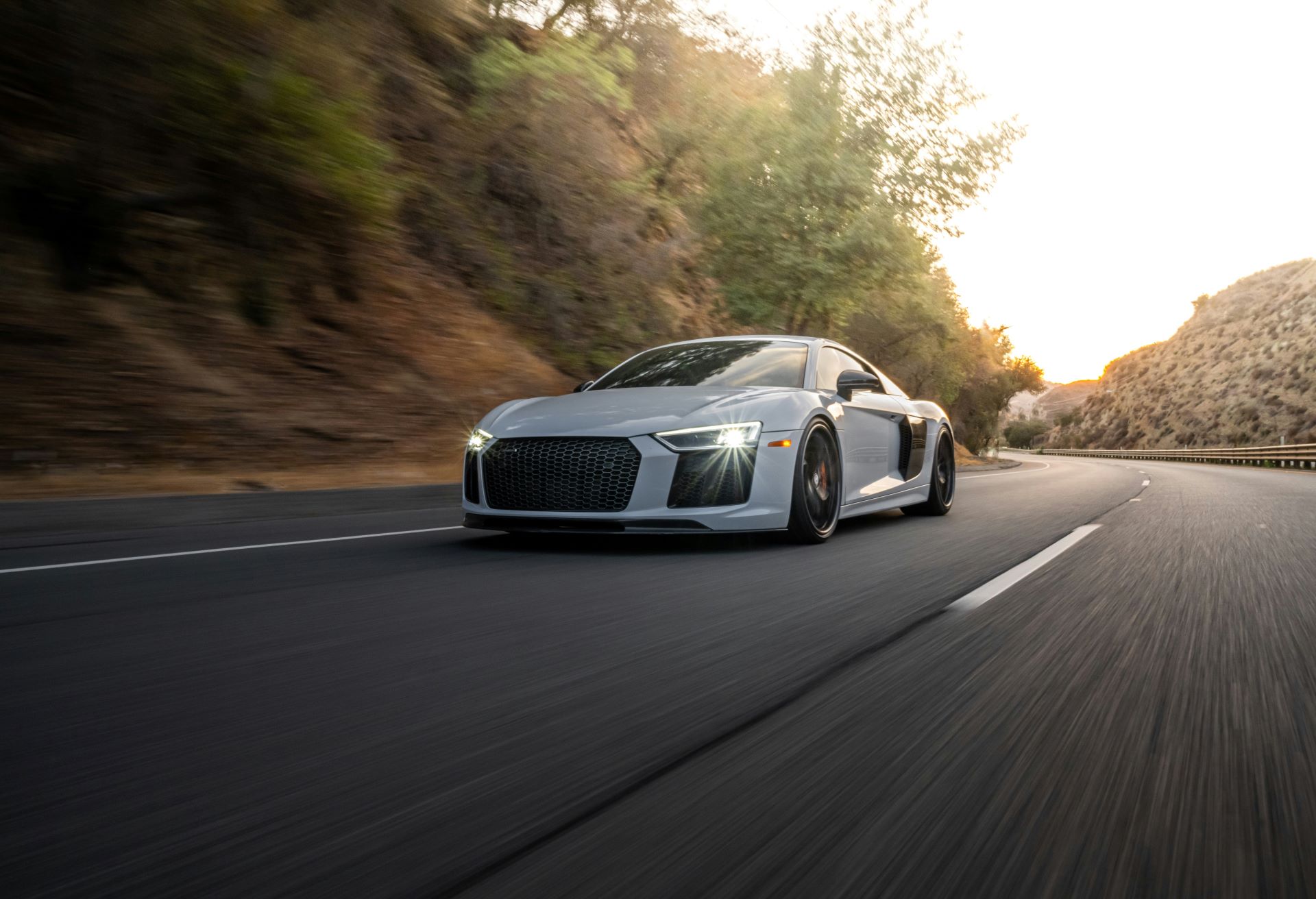
Crafting a distinctive automotive brand is an art that involves a delicate blend of history, innovation, and consistency. As the automotive industry faces new challenges and opportunities in technology, sustainability, and consumer preferences, the brands that will endure are those that remain authentic to their core values while adapting to the future. By mastering this balance, automotive companies can create lasting identities that resonate with consumers for generations to come.
Breyten Odendaal
Specializing in high-performance automotive advertising and digital marketing solutions, delivering cutting-edge insights and the latest news shaping the automotive industry in South Africa.
More From Advertising

Automotive Advertising in 2026: Selling Confidence in a More Competitive Market
As South Africa’s vehicle market becomes more competitive, automotive advertising needs to do more than announce a price or specification. It needs to help buyers understand value, ownership costs and why a vehicle suits their lives.

Automotive Digital Ads in South Africa: A Shift
Exploring how South Africa’s automotive advertising evolved from print and broadcast to data-driven, programmatic digital ecosystems.

The Video Shift in Car Buying Decisions in SA
Explore how video content shapes car purchase decisions in South Africa, comparing short-form and long-form strategies for automotive marketers.