
In todayÔÇÖs automotive landscape, cars are no longer just modes of transport. They are reflections of identity, expressions of taste, and even cultural signifiers. From performance tweaks to aesthetic enhancements, aftermarket accessories and upgrades have moved far beyond simple functionality. They have become lifestyle statements. For brands and marketers, understanding this shift opens a vast avenue for growth, engagement, and customer loyalty. This article explores the multifaceted world of aftermarket automotive accessories, their role as lifestyle markers, and how businesses can position them strategically to tap into a market that values individuality as much as performance.
From Utility to Identity: The Evolution of Automotive Accessories
The aftermarket industry began with a straightforward premise: improve, replace, or repair parts that manufacturers provided. Early enthusiasts sought better brakes, stronger suspensions, or louder exhaustsÔÇönot for fashion, but necessity or performance. Over decades, however, consumer tastes evolved. The modern car owner is as concerned with aesthetics, comfort, and personalization as with horsepower or torque.
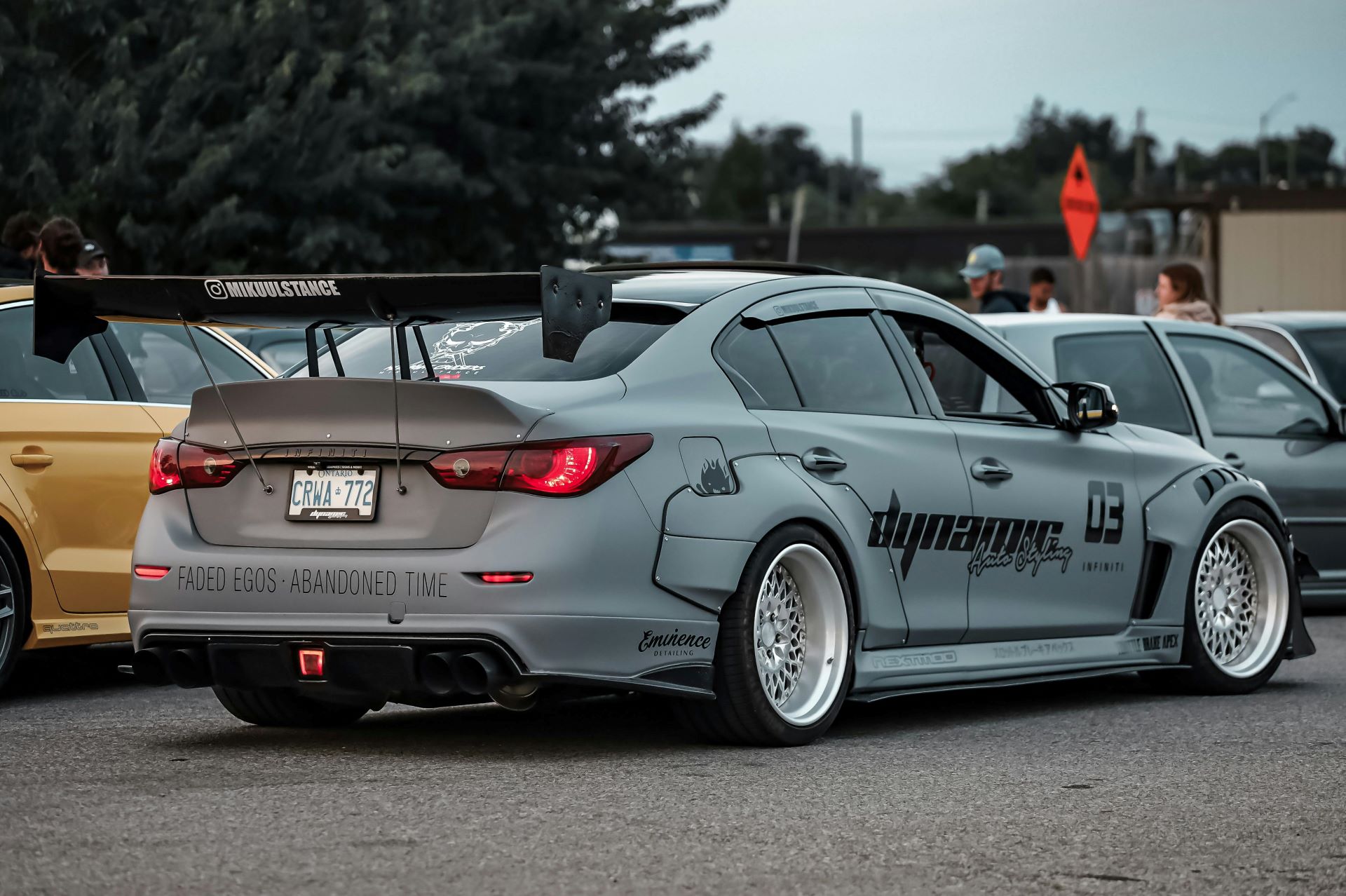
This evolution mirrors broader societal trends. In an era where social media captures every aspect of personal style, cars have become an extension of the self. From bespoke leather interiors to matte black wraps, every modification carries a statement about the ownerÔÇÖs preferences, values, and status. Marketers who understand this transformation can pivot from selling mere products to offering experiences that resonate with lifestyle aspirations.
Defining the Lifestyle Market in Automotive Aftermarket
The key to successful aftermarket marketing is segmenting the lifestyle audience effectively. Unlike traditional consumers, these buyers are motivated by emotion, identity, and social signaling rather than utility alone. They often prioritize how a product will make them feel or how it will be perceived by peers.
Consider, for example, the market for premium alloy wheels. Beyond the technical specificationsÔÇölightweight, durable, and aerodynamicÔÇöthe aesthetic appeal often drives the purchase. Buyers are choosing not only a component for their car but also a badge of taste, performance awareness, and personal style. Similarly, performance exhaust systems are marketed not merely as functional upgrades but as experiencesÔÇöenhancing sound, presence, and the thrill of driving, all of which reinforce the ownerÔÇÖs identity.
Storytelling as the Vehicle for Lifestyle Marketing
Effective aftermarket marketing leverages storytelling. Products are no longer sold solely on specs; they are woven into narratives that connect with aspirational lifestyles. For example, a manufacturer of custom interior trims may position its products around the theme of urban sophistication, adventure readiness, or cutting-edge technology, turning a simple upgrade into a statement piece.
Visual storytelling plays a crucial role. High-quality photography, immersive video content, and interactive digital experiences allow consumers to envision themselves within the lifestyle the product embodies. When marketed this way, an exhaust upgrade is no longer just an accessoryÔÇöit becomes a tool for self-expression and emotional resonance.
Bridging Performance and Lifestyle
While lifestyle marketing is critical, performance remains a powerful motivator. Many aftermarket consumers straddle two worlds: they desire both utility and personal expression. Performance upgrades such as turbochargers, suspension kits, and braking systems offer measurable improvements while also signaling a commitment to automotive passion.
Marketers must position these products to appeal to both the practical and the aspirational. Highlighting engineering excellence, precision craftsmanship, and technical innovation creates credibility. Meanwhile, lifestyle-focused narrativesÔÇöemphasizing style, individuality, and communityÔÇöreinforce the emotional draw. The most successful campaigns balance these two forces, ensuring that a productÔÇÖs tangible benefits are matched by its symbolic value.
Niche Communities: The Social Fabric of Aftermarket Culture
One of the most powerful drivers of aftermarket sales is community. Cars have long been social instruments, but aftermarket culture amplifies this phenomenon. Online forums, social media groups, and local car meets form microcosms where enthusiasts exchange advice, showcase modifications, and celebrate individuality.
Brands that tap into these communities can harness social proof to influence purchase decisions. A new line of performance brakes, for instance, may gain traction when respected community members showcase their installation, review the results, and integrate it into curated content. Community engagement transforms consumers into advocates, driving awareness and desirability far beyond traditional advertising channels.
Personalization as the Ultimate Differentiator
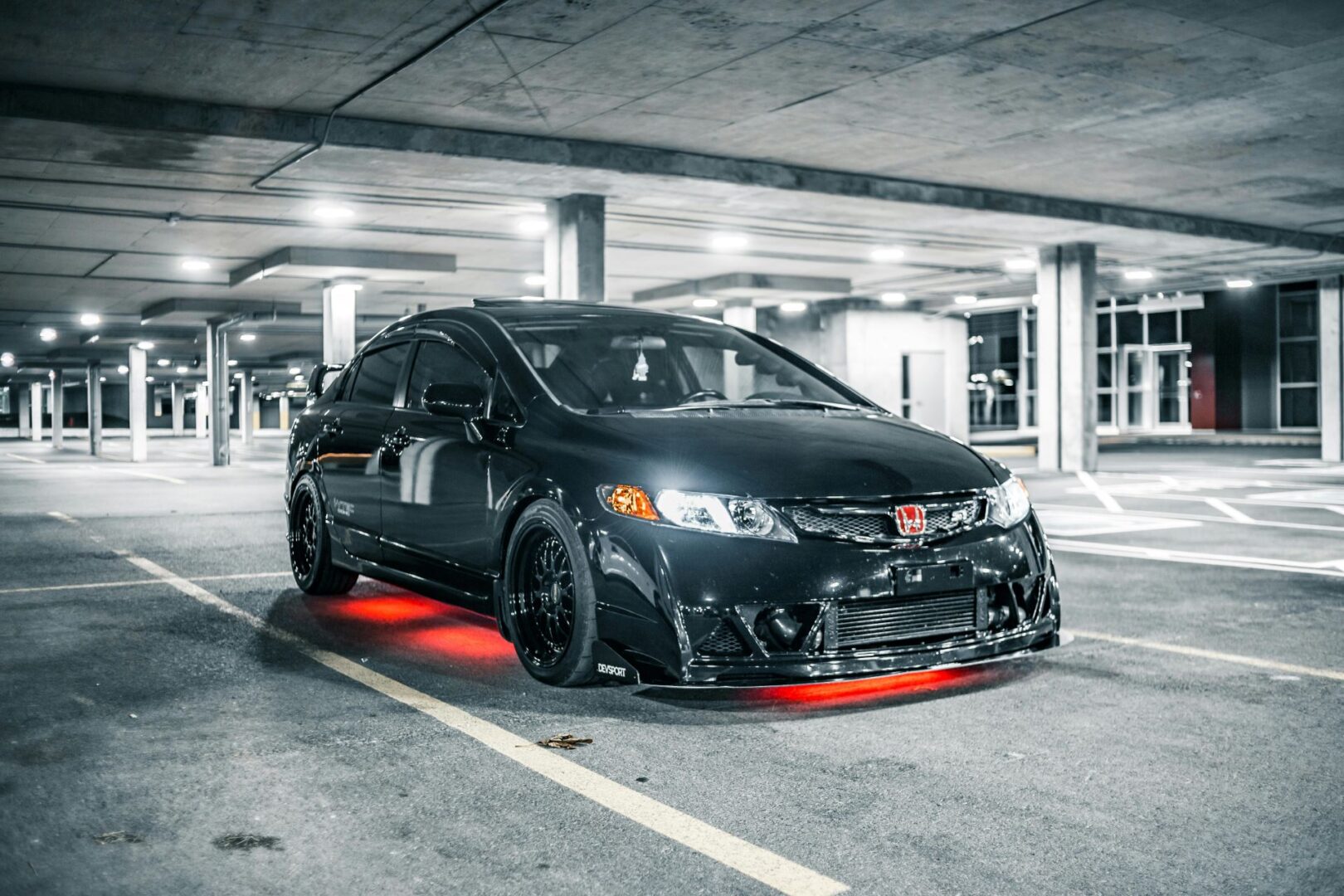
Personalization is the apex of lifestyle marketing in the automotive aftermarket. Consumers increasingly demand products tailored to their preferences, from bespoke interiors to custom paint jobs and tech integrations.
This shift presents opportunities for brands to innovate beyond one-size-fits-all solutions. Offering configurable options, limited-edition releases, and exclusive collaborations allows brands to cater to individuality while reinforcing a sense of prestige and exclusivity. The language used in marketing these products should reflect this: terms like ÔÇ£crafted for you,ÔÇØ ÔÇ£exclusive,ÔÇØ and ÔÇ£designed with passionÔÇØ resonate deeply with aspirational buyers.
Influencer Partnerships and the Amplification of Aspirational Messaging
In a digital-first world, influencers play an outsized role in shaping perceptions. Collaborations with automotive content creators, lifestyle personalities, and niche enthusiasts can transform a product from a technical accessory into a coveted lifestyle icon.
Successful partnerships do more than advertiseÔÇöthey tell a story. Influencers showcase products in real-world contexts, narrating their experiences and lifestyle alignment. This authentic storytelling builds trust, enhances credibility, and drives aspirational engagement. Brands that integrate influencer marketing strategically often see a multiplier effect on both brand awareness and sales.
Experiential Marketing: Immersive Accessory Showcases
Beyond online presence, experiential marketing offers a tangible path to lifestyle positioning. Automotive events, pop-up installations, and driving experiences allow consumers to engage with products physically and emotionally.
Imagine a performance tuning brand hosting a track day where prospective buyers test exhaust systems or suspension kits in real-world conditions. The hands-on experience reinforces both functional benefits and the lifestyle narrative. Experiential marketing bridges the gap between aspiration and reality, creating lasting impressions that influence purchasing behavior.
Digital Innovation and the Personalized Consumer Journey
Modern aftermarket marketing increasingly relies on technology to deliver personalized experiences. Augmented reality (AR) tools, 3D configurators, and AI-driven recommendation engines allow consumers to visualize modifications before committing to a purchase.
These tools enhance confidence, reduce uncertainty, and strengthen the connection between product and lifestyle aspiration. By integrating interactive elements into websites, apps, and social media channels, brands can simulate the ownership experience, creating an anticipatory excitement that drives conversion.
The Economics of Lifestyle-Driven Aftermarket Sales
Lifestyle-oriented aftermarket products often command premium pricing. Consumers are willing to pay more when a product delivers both technical performance and a symbolic statement.
Marketers must understand the value perception carefully. Highlighting craftsmanship, exclusivity, and emotional resonance justifies higher price points. Additionally, offering bundled packages or curated experiencesÔÇösuch as a full performance and aesthetic upgrade packageÔÇöcan maximize both revenue and brand loyalty.
Sustainability and Ethical Marketing in the Aftermarket
Modern consumers are increasingly conscious of sustainability and ethical production. Brands that emphasize eco-friendly materials, responsible sourcing, and energy-efficient processes add another dimension to their lifestyle proposition.
Marketing strategies that incorporate sustainability appeal to aspirational buyers who view ethical consumption as part of their identity. Whether through biodegradable interior components, recycled materials, or energy-efficient manufacturing processes, integrating sustainability into the product narrative strengthens both brand perception and consumer loyalty.
Case Studies: Lifestyle Branding in Action
Several brands exemplify the power of marketing aftermarket products as lifestyle statements. Consider performance exhaust manufacturers that emphasize sound as a sensory experience, not just a technical specification. Or custom interior brands that highlight the artistry and tactile luxury of their materials.
Even in mainstream markets, the trend is evident. Automotive accessory retailers leverage lifestyle photography, influencer partnerships, and immersive digital campaigns to elevate perceived value. These examples underscore a universal principle: the most successful aftermarket marketing fuses functional credibility with emotional resonance.
Challenges and Opportunities in Lifestyle Marketing
While the potential is vast, lifestyle marketing in the automotive aftermarket comes with challenges. Balancing authenticity with aspiration is criticalÔÇöoverly contrived messaging risks alienating core enthusiasts. Moreover, maintaining consistent quality and brand alignment across diverse product lines ensures credibility.
However, the opportunities outweigh the risks. As cars increasingly serve as lifestyle extensions, brands that master the intersection of performance, personalization, and storytelling can secure both loyalty and growth in a competitive market.
The Aftermarket as a Platform for Self-Expression
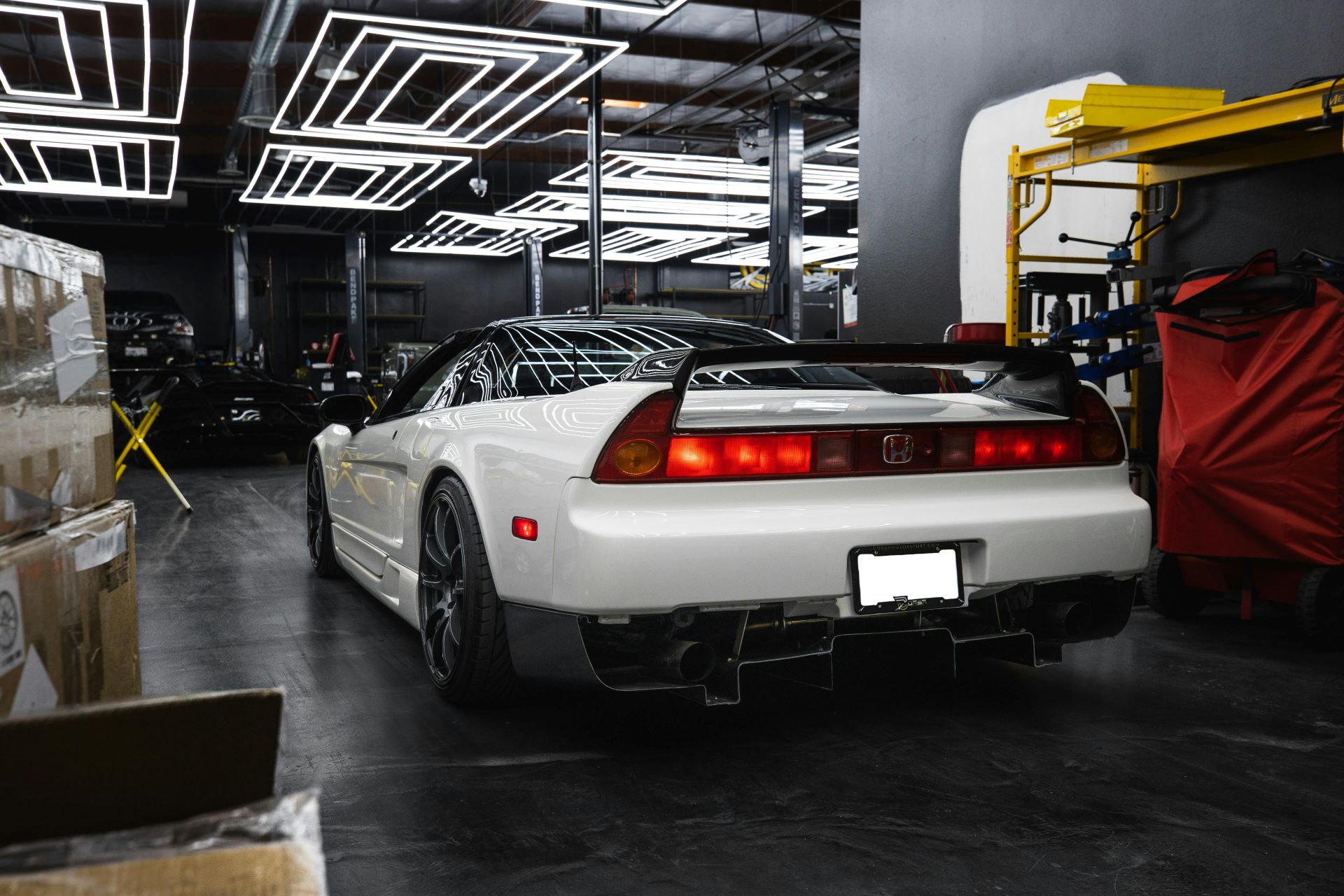
The automotive aftermarket has transcended utility to become a canvas for self-expression. Accessories and upgrades now communicate identity, taste, and status as powerfully as they enhance performance. For marketers, this evolution offers a strategic advantage: by framing products as lifestyle statements rather than mere components, brands can tap into desire, community, and emotional engagement.
In an age where individuality is currency, the aftermarket industry stands as a vibrant marketplace of personal expression. Whether through cutting-edge technology, bespoke craftsmanship, or immersive storytelling, the vehicles of today and tomorrow will not only transport peopleÔÇöthey will convey who they are, what they value, and how they choose to be seen.
Breyten Odendaal
Specializing in high-performance automotive advertising and digital marketing solutions, delivering cutting-edge insights and the latest news shaping the automotive industry in South Africa.
More From Advertising

Automotive Advertising in 2026: Selling Confidence in a More Competitive Market
As South Africa’s vehicle market becomes more competitive, automotive advertising needs to do more than announce a price or specification. It needs to help buyers understand value, ownership costs and why a vehicle suits their lives.

Automotive Digital Ads in South Africa: A Shift
Exploring how South Africa’s automotive advertising evolved from print and broadcast to data-driven, programmatic digital ecosystems.

The Video Shift in Car Buying Decisions in SA
Explore how video content shapes car purchase decisions in South Africa, comparing short-form and long-form strategies for automotive marketers.