
The Open Road, in the Showroom
It begins with a moment almost everyone has experienced: standing in a dealership, hand brushing across the hood of a new SUV, and imagining the world beyond the showroom walls. The glossy paint reflects fluorescent lights, but your mind is elsewhere ÔÇö on misty mountain passes, sun-drenched coastal highways, and remote campgrounds where the only company is the wind rustling through pine needles. There is no timetable, no traffic jam, no email inbox demanding attention. In this reverie, you are not merely a commuter; you are an explorer.
Automakers have long understood the power of such imagination. SUVs, more than any other category of vehicle, are marketed as vehicles of possibility. They are sold not merely as modes of transport but as vessels of personal transformation. Ownership promises a gateway to adventure, freedom, and self-expression. Yet, the reality is often less cinematic. For many, these vehicles rarely venture beyond suburban streets or paved highways. And yet, the myth endures ÔÇö and brands continue to refine it, layer by layer, through campaigns that blend aspiration, lifestyle, and cultural storytelling.
This article explores the intricate dance between marketing and desire, examining how automotive brands sell the dream of escape. Through visual semiotics, feature-driven storytelling, consumer psychology, and digital amplification, the SUV is elevated beyond a product into a symbol of freedom.

The Myth of the Modern Explorer
Modern SUVs are paradoxes: engineered to traverse any terrain, yet frequently confined to city streets; marketed as instruments of rugged adventure, but often serving as family shuttles or daily commuters. Brands navigate this tension by constructing a narrative that frames drivers as contemporary explorers, adventurers in a world of convenience and comfort.
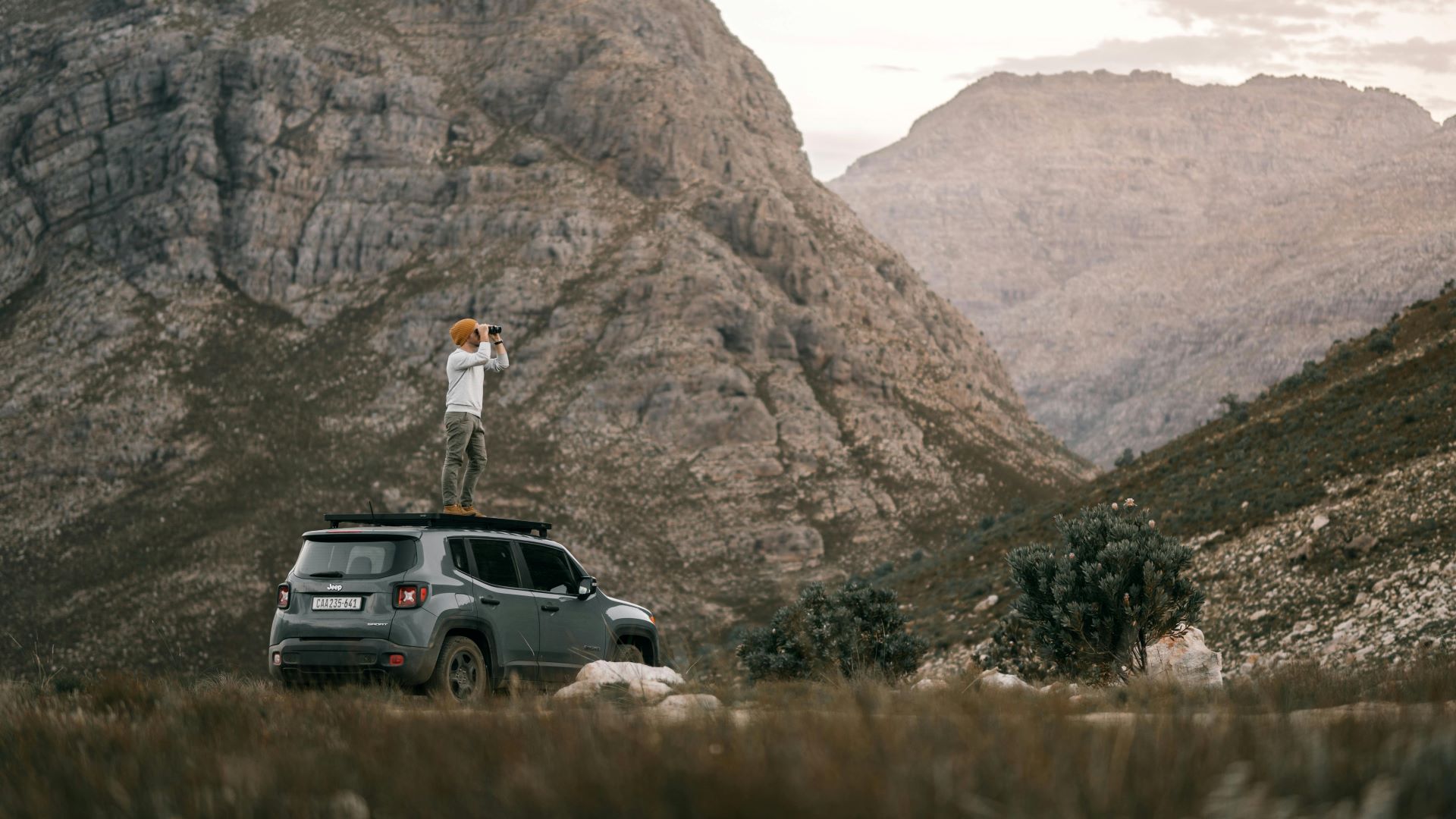
The myth of the modern explorer is not accidental. It taps into cultural archetypes of self-reliance, discovery, and resilience. Advertisements frequently depict solitary drivers cresting a dune, friends laughing around a campfire, or families paused at the edge of a cliff, gazing at a horizon that feels just out of reach. These images evoke nostalgia for a life of simplicity and engagement with nature, even as the vehicles themselves are fitted with the latest safety systems, infotainment interfaces, and climate-controlled interiors.
Consider Land Rover, whose campaigns have long intertwined the brand with notions of exploration and capability. ÔÇ£Above and BeyondÔÇØ is more than a tagline; it is an ethos, inviting buyers to imagine themselves in far-off landscapes, conquering both the environment and the constraints of everyday life. Similarly, SubaruÔÇÖs ÔÇ£Love. ItÔÇÖs what makes a Subaru, a Subaru.ÔÇØ suggests that the brand is not only about utility but also about shared experiences and connection to the natural world. ToyotaÔÇÖs ÔÇ£LetÔÇÖs Go PlacesÔÇØ captures a similar sentiment: the SUV as a facilitator of journeys, both literal and aspirational.
This myth-making extends beyond traditional imagery. Even in urban contexts, SUVs are framed as vehicles that confer autonomy, a sense of readiness to escape at a momentÔÇÖs notice. The narrative is powerful because it resonates with a universal desire for choice and spontaneity, offering a psychological bridge between what is and what could be.
The Semiotics of Escape
The construction of the SUV as a symbol of adventure relies heavily on semiotics: the use of visual, auditory, and textual signs to evoke meaning. In advertising, every element ÔÇö from the colour of the vehicle to the soundtrack of the commercial ÔÇö is curated to communicate freedom, capability, and exploration.
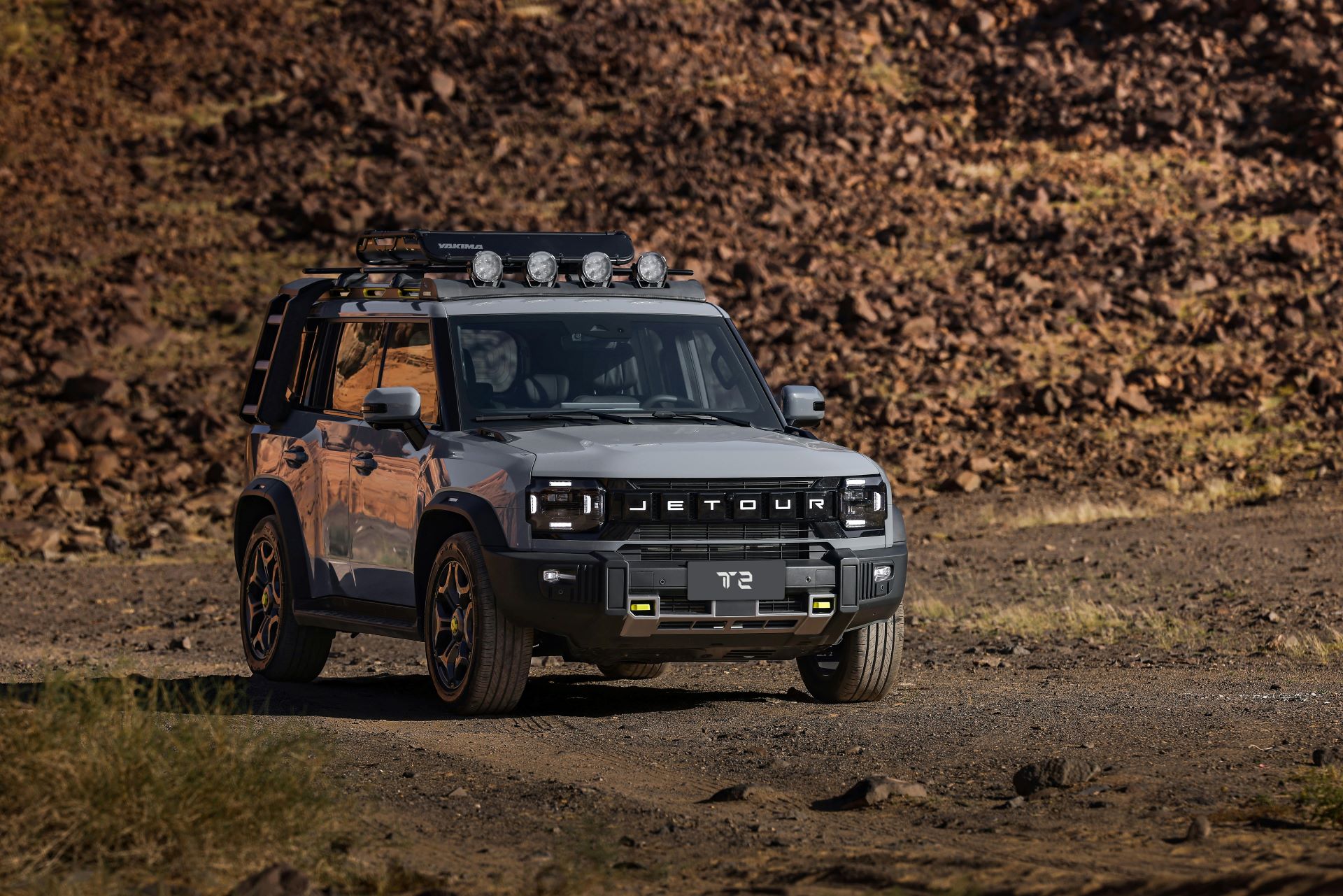
Cinematic shots of winding mountain roads, forested trails, or sun-drenched deserts are common. Vehicles are often framed at angles that emphasise muscularity and presence, suggesting power and confidence. Dirt, mud, and gravel are carefully staged, suggesting ruggedness without implying discomfort or inconvenience. Even the choice of urban backdrops ÔÇö a sleek city skyline at dawn or dusk ÔÇö positions the SUV as versatile, capable of moving seamlessly between concrete jungles and untamed wilderness.
Language, too, is carefully chosen. Phrases like ÔÇ£conquer every pathÔÇØ or ÔÇ£designed for the unknownÔÇØ evoke agency and mastery. Typographic choices often reinforce these messages, with bold, sans-serif fonts conveying strength and reliability, while script or serif elements hint at elegance and sophistication.
Colour palettes play a subtle role. Earth tones, deep greens, and metallic bronzes evoke nature and durability, while bright, adventurous colours like orange or deep red suggest energy and daring. Even the interiors are staged for narrative effect: roof racks with surfboards, open glove compartments with hiking gear, and seats positioned to frame vistas through panoramic windows.
Occasionally, dotted lists appear in campaigns ÔÇö highlighting features like all-wheel drive, hill descent control, or roof load capacity ÔÇö but these are always embedded within broader storytelling, never dominating the narrative. The effect is seamless: product details serve the dream, not the other way around.
Engineering the Dream
SUVs are, at their core, technical feats. Engineers spend countless hours refining suspension systems, powertrains, safety mechanisms, and cargo solutions. Yet in marketing, these features are rarely sold for their technical merits alone; they are reframed as enablers of lifestyle.
All-wheel drive is not just about traction; it is freedom from the anxiety of slippery roads or unpaved trails. Roof rails are more than utility; they are invitations to pack a kayak, a bicycle, or a tent. Fold-flat seats are not simply for space efficiency; they are promise points ÔÇö potential for adventure, impromptu road trips, and weekend escapes. Every specification is a storytelling device, transformed from raw engineering into a narrative of possibility.
Manufacturers also cultivate authenticity through staged adventures. Jeep, for instance, constructs off-road courses for journalists and influencers, capturing footage that merges the technical capabilities of vehicles with aspirational imagery. Subaru hosts ÔÇ£Adventure Tours,ÔÇØ inviting participants to experience the ruggedness of their models firsthand. ToyotaÔÇÖs campaigns frequently feature real-life explorers and athletes, lending credibility to the narrative.
The result is an intricate interplay of reality and imagination. The technical engineering is genuine; the adventure narrative is aspirational. Together, they convince buyers that the SUV is not merely a vehicle, but a ticket to a richer, fuller experience.
The Psychology of the SUV Buyer
Understanding the consumer is central to the success of SUV marketing. Buyers are drawn not just to the product, but to what ownership signals about identity, capability, and lifestyle. The psychology is nuanced, reflecting a blend of aspirational and practical motivations.
Urban professionals see the SUV as a tool of empowerment. It suggests readiness for anything: the ability to escape, explore, or transport family and friends without compromise. Young families value space, safety, and versatility, but they also respond to the narrative of weekend escapes, camping trips, and spontaneous road trips. Empty nesters and older buyers are drawn to comfort, elevated driving positions, and the symbolic freedom of travel unbound by work or routine.
A central concept is the ÔÇ£identity haloÔÇØ: owning an SUV projects traits such as competence, adventurousness, and independence, regardless of how often those qualities are exercised in real life. Driving a vehicle that visually and culturally aligns with exploration allows owners to embody the lifestyle it represents, even if their daily routines are far more pedestrian.
Marketers also leverage aspirational relatability. Campaigns frequently depict diverse protagonists ÔÇö a single professional escaping for solitude, a family connecting with nature, friends on a coastal road trip. These narratives suggest that adventure is accessible, regardless of age, background, or location.
The Digital Campfire: Social MediaÔÇÖs Role
In the age of digital storytelling, the SUVÔÇÖs adventure narrative extends far beyond traditional advertising. Instagram feeds, YouTube channels, TikTok clips, and immersive brand websites function as digital campfires, around which prospective buyers gather.
Influencers and content creators play a pivotal role. Carefully curated road trips, drone footage of remote landscapes, and cinematic edits position the vehicle as central to the adventure. Social media amplifies storytelling, creating an ecosystem where audiences can imagine themselves in similar scenarios. Hashtags like #LetsGoPlaces, #AdventureAwaits, or #GoBeyond become shorthand for a lifestyle that is both aspirational and attainable.
Interactive content is particularly effective. Configurators allow potential buyers to customise vehicles and ÔÇ£see themselvesÔÇØ in the context of adventure. Virtual reality experiences and augmented reality filters extend this immersion, letting users visualise the SUV on rugged trails or scenic overlooks. In effect, digital platforms transform advertising into an experiential playground, merging fantasy with consumer agency.
From Dirt Tracks to Data Points
Beyond imagery and storytelling, data-driven marketing has refined how the dream of adventure is sold. Geotargeted advertising, retargeting, and algorithmically personalised content ensure that consumers encounter narratives aligned with their interests, habits, and previous interactions.
A young professional who frequently engages with travel content may see Jeep advertisements featuring backcountry trails, while a family-oriented consumer may encounter Toyota campaigns emphasising weekend getaways and safety features. Data analytics allow brands to tailor narratives at scale, creating a sense of personal resonance even within mass marketing campaigns.
This integration of creativity and analytics exemplifies a broader trend: the adventure-ready SUV is not just a cultural construct, but a finely tuned commercial product. Every image, word, and interaction is optimised to cultivate desire, guide perception, and ultimately, drive sales.
Reality vs. Representation
Of course, the narrative is aspirational by design. Many SUVs never leave paved roads; few traverse mountain passes or cross deserts. The phenomenon of ÔÇ£adventure-washingÔÇØ ÔÇö marketing vehicles as rugged or capable beyond their practical use ÔÇö has attracted criticism, particularly as environmental and sustainability considerations grow more prominent.
Yet the symbolic value remains potent. The SUVÔÇÖs appeal lies not solely in its off-road prowess, but in its capacity to represent choice, autonomy, and possibility. Even urban dwellers navigating crowded streets or suburban highways internalise the myth: they own a vehicle that could take them anywhere. In this sense, the promise of adventure is psychological as much as it is practical.
Future Horizons
Looking ahead, the adventure-ready narrative is evolving in tandem with automotive and societal trends. Electric vehicles introduce new dimensions: charging networks, range anxiety, and environmental consciousness shape how adventure is imagined. Autonomous driving may reframe exploration as contemplative rather than active, freeing drivers to focus on experience rather than control. Emerging digital tools, from immersive configurators to AI-driven marketing, will continue to personalise the SUV as a conduit of individual aspiration.
Brands are likely to blend sustainability with adventure storytelling, portraying journeys that are eco-conscious yet still aspirational. This evolution will require careful balancing: maintaining the excitement of escape while addressing environmental impact and changing consumer expectations.
Why the Dream Endures
The SUV endures as a cultural and commercial icon because it speaks to a universal longing: the desire to explore, to break free from routine, to imagine life on oneÔÇÖs own terms. Brands have perfected the art of selling this dream, blending technical reality with aspirational narrative, visual storytelling with data-driven insight, and lifestyle allure with identity projection.
Ultimately, the adventure-ready SUV is not simply a vehicle; it is a mirror of possibility. It allows drivers to see themselves as explorers, risk-takers, and custodians of freedom, even when their daily lives are firmly grounded in suburban or urban routines. It is a promise of what could be, articulated in steel, glass, and digital imagery.
And so, in the showroom, as fluorescent lights gleam off a polished hood, the prospective owner smiles, imagines a winding road, and feels ÔÇö if only for a moment ÔÇö that adventure is within reach. The road ahead stretches endlessly, not just across landscapes, but across the imagination itself.
Breyten Odendaal
Specializing in high-performance automotive advertising and digital marketing solutions, delivering cutting-edge insights and the latest news shaping the automotive industry in South Africa.
More From Advertising

Automotive Advertising in 2026: Selling Confidence in a More Competitive Market
As South Africa’s vehicle market becomes more competitive, automotive advertising needs to do more than announce a price or specification. It needs to help buyers understand value, ownership costs and why a vehicle suits their lives.

Automotive Digital Ads in South Africa: A Shift
Exploring how South Africa’s automotive advertising evolved from print and broadcast to data-driven, programmatic digital ecosystems.

The Video Shift in Car Buying Decisions in SA
Explore how video content shapes car purchase decisions in South Africa, comparing short-form and long-form strategies for automotive marketers.