
As cities across the globe grapple with congestion, pollution, and evolving urban dynamics, a notable shift is occurring in how we think about mobility. South Africa, with its vibrant urban landscapes and unique challenges, is at the forefront of this transformation. Amidst the hustle and bustle of daily life, thereÔÇÖs an increasing recognition that traditional modes of transportation are no longer sufficient to meet the needs of modern urban dwellers. Here, micro-mobility solutions and small electric vehicles (EVs) emerge as vital players in redefining urban mobility.
Micro-mobility, encompassing a range of small, lightweight vehicles such as e-scooters and e-bikes, is becoming an increasingly relevant solution for navigating congested streets. Small EVs, on the other hand, offer an eco-friendly alternative for short to medium distances, addressing both sustainability and convenience. These innovations resonate strongly with the pressing concerns of accessibility, affordability, and environmental impact that many South Africans face today.
The significance of embracing these trends cannot be overstated. As cities expand and populations grow, the strain on infrastructure intensifies, leading to longer commute times and higher emissions. In this context, micro-mobility and small EVs offer a promising path forward, enabling individuals to navigate urban environments more efficiently while contributing to a greener future. This article delves into the burgeoning landscape of urban mobility in South Africa, examining current trends, the nuances of micro-mobility and small EVs, and effective marketing strategies to engage automotive enthusiasts who are passionate about innovation and sustainability.

Understanding Emerging Urban Mobility Trends
Global and Local Trends
Across the world, urban mobility is undergoing a significant transformation, driven by technological advancements and a growing awareness of environmental issues. In cities like Amsterdam and Copenhagen, micro-mobility solutions have become staples of daily commutes, and South Africa is gradually following suit. The local market, influenced by a mix of economic, social, and environmental factors, is beginning to embrace these new forms of transportation.
The rapid proliferation of smartphones and mobile applications has made it easier for South Africans to access micro-mobility solutions, such as e-scooter rentals and ride-sharing services. Furthermore, urbanization has intensified, with more people moving to cities for work and opportunities, heightening the demand for efficient and sustainable transportation alternatives.
Drivers of Change
Several factors are propelling the rise of micro-mobility and small EVs in South Africa:
Technological AdvancesInnovations in battery technology and vehicle design are making small EVs more efficient and accessible. E-scooters and e-bikes, for instance, benefit from lighter materials and better battery performance, enhancing their appeal.
Environmental ConcernsClimate change and air pollution are critical issues facing urban areas. Micro-mobility and small EVs are viewed as solutions that can reduce carbon footprints and promote cleaner air in cities.
Socio-Economic FactorsThe high costs associated with car ownership and fuel prices are pushing urban residents to seek more affordable alternatives. Micro-mobility and small EVs provide viable options for budget-conscious consumers.
These trends are not only reshaping the transportation landscape but also influencing urban planning and policy-making, with cities increasingly prioritizing pedestrian-friendly infrastructures and low-emission zones.
Micro-Mobility Solutions
Defining Micro-Mobility
Micro-mobility refers to lightweight, small vehicles designed for short-distance travel, typically ranging from a few kilometers to 10 kilometers. Common examples include e-scooters, e-bikes, and shared bicycles. The appeal of micro-mobility lies in its convenience, speed, and minimal environmental impact, making it a popular choice among urban dwellers.
Benefits and Challenges
Benefits
ChallengesDespite the promising benefits, micro-mobility in South Africa faces several challenges.
Small Electric Vehicles (Small EVs)
Overview of Small EVs
Small electric vehicles are compact, battery-powered cars designed for urban driving. They offer an eco-friendly alternative to traditional vehicles, with features tailored for short-distance travel, including efficient charging capabilities and low operational costs.
Benefits of Small EVs
Challenges to Adoption
Despite their advantages, small EVs face challenges in the South African market:
Popular Small EV Models
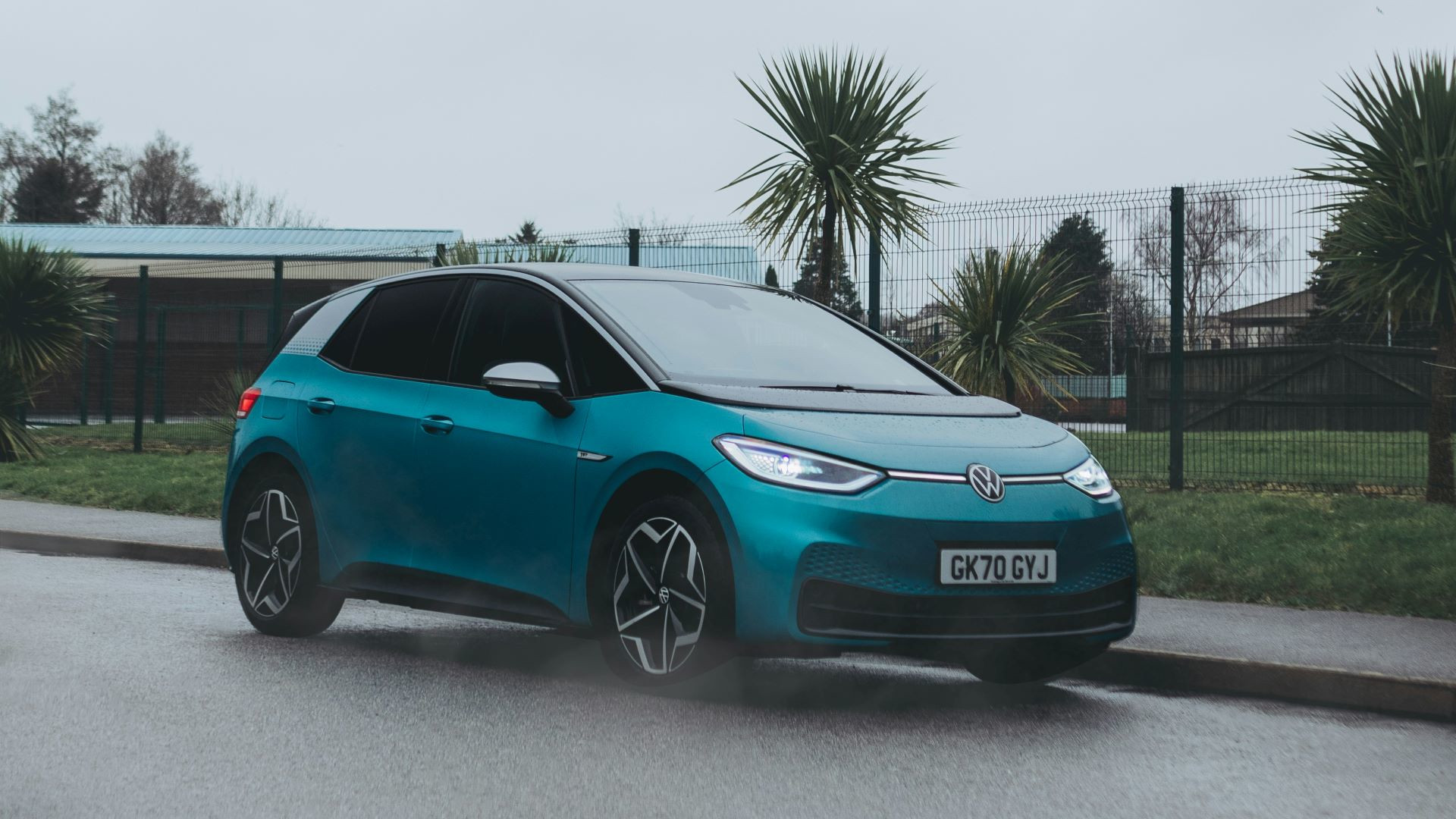
Brands such as the Nissan Leaf and BMW i3 are gaining traction in South Africa, reflecting a growing interest in sustainable mobility options. These models are designed with urban drivers in mind, offering features that cater to the unique demands of city living.
Marketing Strategies for Micro-Mobility and Small EVs
Effective Marketing Approaches
To successfully market micro-mobility solutions and small EVs, companies must understand the preferences and behaviors of their target audienceÔÇöautomotive enthusiasts who are passionate about innovation and sustainability. Here are several strategies to consider:
Understanding Consumer Behavior
Understanding the motivations and behaviors of potential consumers is essential for designing effective marketing campaigns. Automotive enthusiasts often prioritize innovation, performance, and sustainability. Therefore, emphasizing how micro-mobility and small EVs align with these values can resonate deeply.
The Future of Urban Mobility in South Africa
An Empathetic Vision
Looking ahead, the future of urban mobility in South Africa is ripe with possibilities. By embracing micro-mobility and small EVs, cities can foster sustainable transportation ecosystems that address both current challenges and future needs. An empathetic approach to urban planning, prioritizing accessibility and environmental responsibility, will lay the foundation for successful mobility solutions.
Policy Changes and Initiatives
For this vision to materialize, supportive policies and initiatives are essential. Government action can play a pivotal role in fostering growth in the micro-mobility and small EV sectors. Potential measures could include:
Opportunities for Innovation
As the market for micro-mobility and small EVs expands, there are ample opportunities for innovation. Collaborations among automotive manufacturers, technology firms, and urban planners can lead to the development of new models and solutions tailored to the unique needs of South African cities.

The emergence of micro-mobility solutions and small electric vehicles marks a pivotal shift in urban mobility within South Africa. By understanding the trends, addressing the needs of consumers, and implementing effective marketing strategies, we can collectively contribute to a more sustainable and accessible future. As automotive enthusiasts, your passion and engagement are vital in shaping this exciting landscape. Embracing these innovations not only enhances your driving experience but also paves the way for healthier, more vibrant urban communities. Together, we can drive change towards a future where mobility is redefined, sustainable, and within reach for everyone.
Breyten Odendaal
Specializing in high-performance automotive advertising and digital marketing solutions, delivering cutting-edge insights and the latest news shaping the automotive industry in South Africa.
More From Advertising

Automotive Advertising in 2026: Selling Confidence in a More Competitive Market
As South Africa’s vehicle market becomes more competitive, automotive advertising needs to do more than announce a price or specification. It needs to help buyers understand value, ownership costs and why a vehicle suits their lives.

Automotive Digital Ads in South Africa: A Shift
Exploring how South Africa’s automotive advertising evolved from print and broadcast to data-driven, programmatic digital ecosystems.

The Video Shift in Car Buying Decisions in SA
Explore how video content shapes car purchase decisions in South Africa, comparing short-form and long-form strategies for automotive marketers.