
The Paradox of Modern SUVs
The SUV, once a niche vehicle type designed for rugged landscapes, has become a dominant force in the global automotive market. Its rise has been meteoric, outpacing traditional sedans and hatchbacks in both sales volume and cultural significance. Yet this surge comes at a time when sustainability, climate-conscious policies, and environmental awareness shape consumer behavior more than ever. Automotive marketers now face a paradox: how to sell larger, often less efficient vehicles to an audience increasingly concerned about carbon footprints and ecological responsibility.
This tension is not merely a challengeÔÇöit is an opportunity. For brands willing to navigate the delicate balance between aspirational lifestyle imagery and responsible technology communication, SUV marketing can evolve beyond brute power and utility, becoming a story of innovation, stewardship, and conscious luxury.
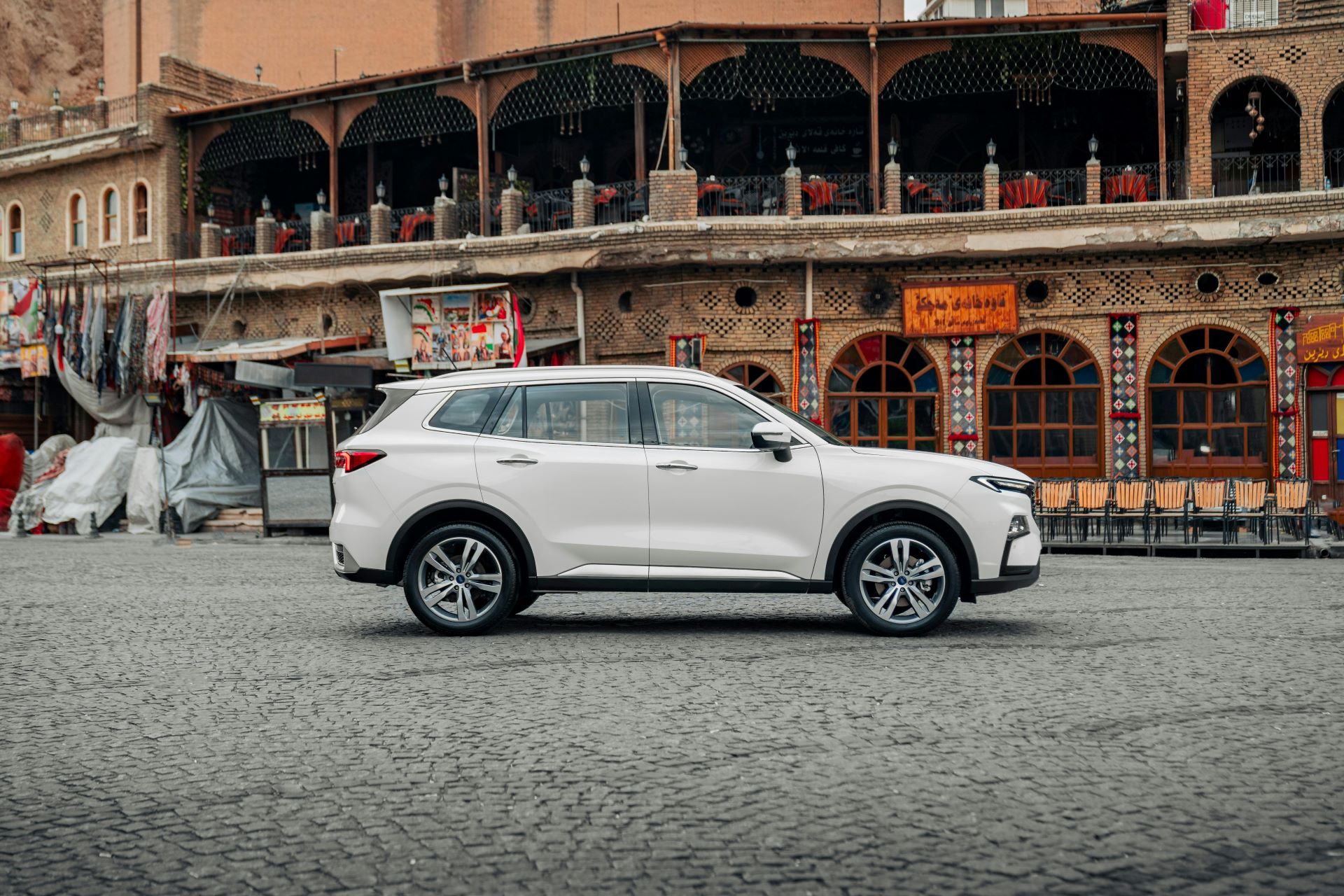
The Cultural Rise of SUVs
The appeal of SUVs extends far beyond their physical footprint. In contemporary society, they embody status, safety, and versatility. Consumers associate SUVs with freedom, adventure, and family security. Yet these associations are layered with symbolic meaning: owning a large vehicle often signals success, autonomy, and a command over oneÔÇÖs environment.
Marketing research highlights that modern SUV buyers are not just purchasing a vehicleÔÇöthey are buying an identity. The SUV is a canvas upon which lifestyle, personality, and social positioning are projected. Consequently, effective marketing strategies must tap into emotional narratives without ignoring the evolving discourse around sustainability.
Sustainability: From Risk to Opportunity
Environmental consciousness has shifted from a fringe concern to a mainstream criterion. Consumers scrutinize fuel efficiency, emissions ratings, and ethical manufacturing processes. For SUV manufacturers, this scrutiny has amplified pressure on brand communications. A failure to acknowledge sustainability can erode credibility, even among loyal customers.
Yet sustainability is not a limitationÔÇöit can be a differentiator. Brands can reposition larger vehicles as responsible, technologically advanced, and eco-conscious without undermining their inherent appeal. Electric SUVs, plug-in hybrids, and innovative fuel technologies provide tangible proof points for sustainability narratives. In marketing these vehicles, it is crucial to frame the conversation around empowerment rather than compromise: ÔÇ£you can drive a vehicle you love without sacrificing environmental responsibility.ÔÇØ
Storytelling Strategies for the Sustainability-Minded Market
Effective SUV marketing in todayÔÇÖs world must combine emotional resonance with rational justification. Traditional campaigns emphasising size, towing capacity, and horsepower remain relevant but require complementary messaging that foregrounds environmental consciousness.
One strategy is purpose-driven storytelling. Brands can craft narratives where SUVs facilitate sustainable lifestylesÔÇöcommuting in electric models, embarking on eco-tourism adventures, or supporting community initiatives. Visual campaigns should depict vehicles integrated into urban landscapes, green spaces, or renewable energy contexts, subtly reinforcing eco-awareness.
Another approach is transparency. Consumers value honesty over marketing hyperbole. Providing accessible data on battery efficiency, emissions, and lifecycle impact builds trust. Interactive digital tools, such as personalized carbon footprint calculators or configurators that highlight sustainable options, transform passive viewers into engaged participants.
The Role of Digital Platforms
Digital channels have become indispensable in shaping automotive desire. Social media platforms, influencer partnerships, and immersive technologies allow brands to reach sustainability-conscious audiences directly.
Video content showcasing electric SUVs on scenic drives, behind-the-scenes glimpses of eco-friendly manufacturing processes, and interactive augmented reality experiences can make sustainability tangible. Short-form social media content, particularly on platforms like Instagram, TikTok, and YouTube, provides rapid, visually engaging ways to position large vehicles as environmentally responsible without compromising lifestyle appeal.
Additionally, AI-driven personalization enables marketers to segment audiences with precision. By tailoring messaging to individual valuesÔÇösuch as family safety, performance, or green credentialsÔÇöbrands can resonate more effectively with diverse buyer personas.

Experiential Marketing and the SUV Lifestyle
Physical experiences remain a cornerstone of automotive persuasion. Test drives, pop-up events, and experiential activations allow consumers to engage directly with both the product and its sustainable technologies. For SUVs, this can include off-road experiences powered by hybrid drivetrains, or urban demonstrations highlighting regenerative braking and energy efficiency.
Events should be curated to reflect modern consumer values: zero-waste event planning, partnerships with environmental organizations, and integration of renewable energy sources all reinforce the brandÔÇÖs sustainability narrative. Such experiential strategies create authentic touchpoints that traditional advertising struggles to achieve.
The Balance of Aspirational and Ethical Messaging
One of the most delicate aspects of SUV marketing is balancing aspiration with ethics. Historically, aspirational marketing emphasized dominance, luxury, and performance. In a sustainability-conscious market, these messages risk appearing tone-deaf.
The solution lies in framing aspiration around responsible empowerment. Rather than simply showcasing the SUV as an object of status, marketers can highlight how ownership contributes to personal and societal well-being. Examples include highlighting eco-innovation, efficient technologies, or philanthropic initiatives supported by the brand. By aligning aspirational desire with ethical responsibility, SUVs become symbols of conscious luxury rather than indulgent excess.
Electric and Hybrid SUVs: Transforming Perception
The electrification of SUVs represents both a marketing challenge and opportunity. On one hand, large electric SUVs often carry high price points and limited range perceptions. On the other, they provide a narrative bridge between traditional SUV culture and environmental responsibility.
Marketing campaigns should emphasize performance parity with combustion-engine modelsÔÇöinstant torque, quiet operation, and advanced driving technologiesÔÇöwhile also making sustainability relatable. Visual storytelling can depict SUVs seamlessly integrated into daily routines, weekend adventures, and family life, normalizing electric mobility as aspirational and practical.
Additionally, highlighting charging convenience, infrastructure partnerships, and lifecycle sustainability strengthens consumer confidence. Marketing messages must answer the unspoken question: ÔÇ£Can I have it allÔÇöa large, desirable vehicle that aligns with my values?ÔÇØ
Global Considerations in SUV Marketing
SUV marketing strategies must be tailored to regional attitudes toward sustainability. In Europe, stricter emissions regulations and higher fuel costs make environmental credentials a decisive factor. In North America, large vehicles remain culturally aspirational, requiring nuanced messaging to reconcile size with responsibility. In Asia, rapid urbanization and increasing environmental awareness demand a dual focus on efficiency and technology-led luxury.
Global campaigns can adopt a modular approach: core brand narratives remain consistent, while region-specific communications emphasize locally relevant sustainability priorities. This ensures authenticity while preserving aspirational messaging across diverse markets.

Marketing SUVs in a Conscious Era
The modern SUV represents a crossroads of culture, technology, and consumer consciousness. Marketing these vehicles requires more than highlighting power and prestige; it demands a sophisticated understanding of sustainability, ethics, and lifestyle narratives.
Brands that successfully blend aspirational storytelling with transparent, eco-conscious messaging will not only navigate the paradox of large vehicles in a green eraÔÇöthey will redefine it. The SUV of the future is not just a vehicle; it is a statement of responsible ambition, a reflection of technological progress, and a canvas for modern identity.
In the hands of skilled marketers, the SUV becomes more than a machineÔÇöit becomes a bridge between desire and duty, offering a future where size and sustainability coexist harmoniously.
Breyten Odendaal
Specializing in high-performance automotive advertising and digital marketing solutions, delivering cutting-edge insights and the latest news shaping the automotive industry in South Africa.
More From Advertising

Automotive Digital Ads in South Africa: A Shift
Exploring how South Africa’s automotive advertising evolved from print and broadcast to data-driven, programmatic digital ecosystems.

The Video Shift in Car Buying Decisions in SA
Explore how video content shapes car purchase decisions in South Africa, comparing short-form and long-form strategies for automotive marketers.

Why Automotive Ads Must Think Like E-Commerce
Automotive ads in South Africa need e-commerce style conversion thinking to boost leads, optimise funnels, and improve dealership ROI.