From Green Guilt to Green Glamour
Not long ago, sustainability in the automotive industry was a defensive conversationÔÇöan afterthought to appease regulators or environmental watchdogs. Automakers would sprinkle their annual reports with talk of emissions reductions and responsible sourcing, yet the message seldom carried the excitement of a showroom unveiling or a high-octane advertising campaign. Green credentials were a moral duty, not a marketing magnet.
Today, the conversation has changed dramatically. Sustainability has become not merely a responsibility but a marker of taste, discernment and cultural cachet. Eco-conscious manufacturing is no longer a dull obligation; it is being recast as the new frontier of luxury. For affluent buyers who want their purchasing power to express both sophistication and a sense of enlightened stewardship, the way a car is made can matter as much as the way it drives. The result is a profound shift in automotive marketing strategy, where brands that once sold horsepower and leather are now selling craftsmanship, circular economies and carbon neutrality as the ultimate symbols of status.
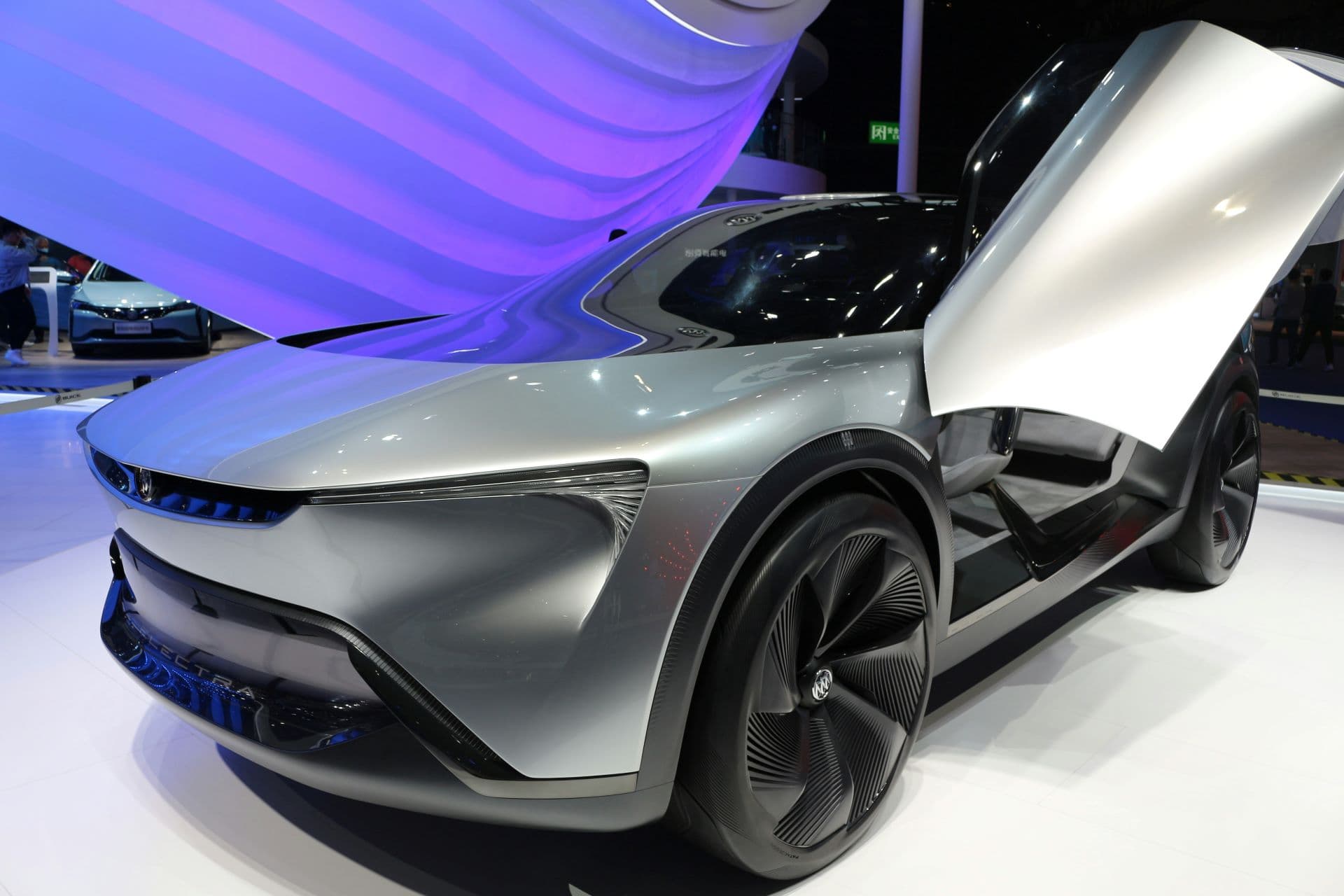
This article explores how the worldÔÇÖs leading carmakers are framing eco-conscious manufacturing as aspirational luxuryÔÇöunpacking the narrative strategies, the material innovations, and the brand storytelling that transform sustainability from a technical specification into a lifestyle statement. From BentleyÔÇÖs quiet revolution in hybrid craftsmanship to PolestarÔÇÖs radical transparency, from Mercedes-BenzÔÇÖs carbon-neutral factories to the subtle cultural cues of electric supercars, the auto industry is learning that green can be gold.
The New Language of Prestige
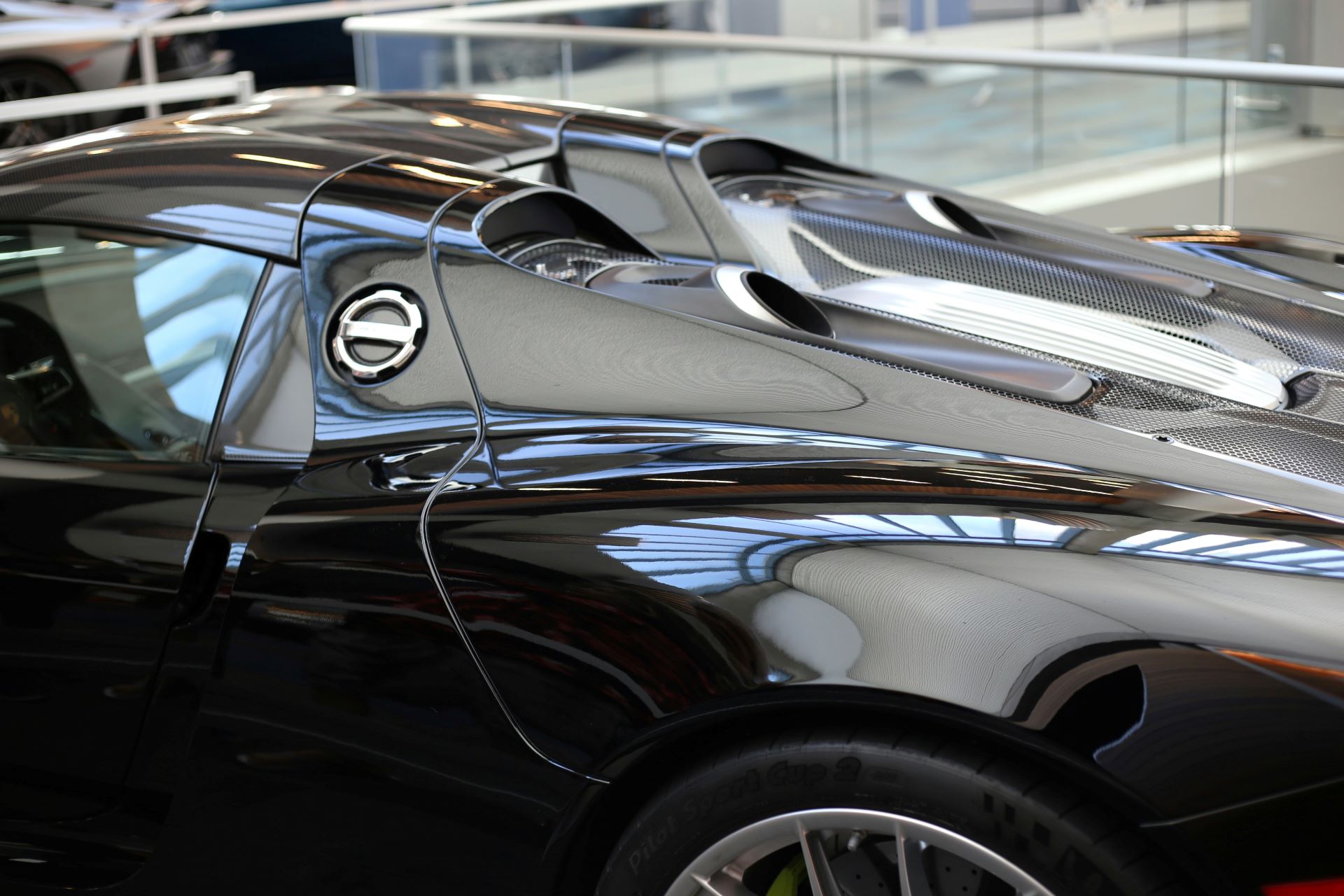
Luxury has always been about scarcity and meaning. In the twentieth century, automotive prestige was tied to engineering excellence, exotic materials and the thrill of excess. A hand-stitched leather interior or the purr of a twelve-cylinder engine conveyed a sense of rarity and personal indulgence. But the cultural definition of ÔÇ£rareÔÇØ and ÔÇ£desirableÔÇØ is shifting. The twenty-first century connoisseur increasingly equates prestige not with conspicuous consumption but with conscientious restraint. In an era of climate anxiety and environmental urgency, the ability to consume beautifully yet responsibly is itself a form of power.
This psychological shift underpins the marketing language of todayÔÇÖs premium automakers. Words like ÔÇ£bespoke,ÔÇØ ÔÇ£handcrafted,ÔÇØ and ÔÇ£heritageÔÇØ still matter, but they are now paired with terms such as ÔÇ£carbon-neutral,ÔÇØ ÔÇ£closed-loop,ÔÇØ and ÔÇ£vegan leather.ÔÇØ For example, BentleyÔÇÖs ÔÇ£Beyond100ÔÇØ strategy is not merely about introducing hybrid and electric powertrains. It frames the companyÔÇÖs commitment to becoming end-to-end carbon neutral by 2030 as the natural evolution of British luxury. The narrative: true refinement is not about adding more but about creating with care and foresight.
Brands that once defined themselves by roaring engines now flaunt their quietnessÔÇöboth in the acoustic serenity of electric power and in the understated virtue of responsible sourcing. The new language of prestige positions sustainability as the invisible thread that binds performance, beauty and ethics into a single, desirable identity.
Craftsmanship Reimagined: The Allure of Responsible Materials
A central pillar of this new status symbol is material innovation. The old luxuryÔÇörare woods, animal hides, high-gloss veneersÔÇöcarries an ecological footprint that no longer aligns with the aspirations of younger high-net-worth buyers. Yet luxury has always been tactile. To reconcile these tensions, automakers are rewriting the story of craftsmanship.
Consider Polestar, VolvoÔÇÖs performance-oriented electric marque. Its interiors showcase textiles made from recycled PET bottles and flax-based composites, not as compromises but as hallmarks of Scandinavian minimalism. Marketing campaigns linger on the beauty of these surfaces, their subtle textures, their clean designÔÇödemonstrating that sustainability can be sensuous. Rather than apologising for alternatives to leather, Polestar celebrates them as emblematic of forward-looking taste.
Similarly, BMWÔÇÖs i Vision Circular concept car is a masterclass in circular luxury. Designed to be 100% recyclable, it features secondary aluminium, recycled steel and upholstery that can be separated and reused. The marketing narrative leans on the idea of a ÔÇ£second life,ÔÇØ appealing to a generation that prizes both innovation and environmental stewardship. This is not a sacrifice of luxury; it is the evolution of it. To drive such a car is to participate in an exclusive club of people who understand the new codes of refinement.
Even ultra-luxury brands, historically bound to the traditions of exotic leathers and precious metals, are embracing the shift. Rolls-Royce has explored eco-friendly leathers and sustainable wood veneers, framing these choices as the ultimate bespoke service: a car as ethically unique as its ownerÔÇÖs conscience. The story is not one of giving up opulence but of elevating itÔÇöluxury that is rarer precisely because it aligns with the planetÔÇÖs needs.
Factories as Cathedrals of Clean Innovation
Sustainability as status extends far beyond the materials inside the cabin. For marketing teams, the factory itself has become a stage. The manufacturing processÔÇöonce hidden from public viewÔÇönow serves as proof of a brandÔÇÖs ethical sophistication.
Mercedes-BenzÔÇÖs Factory 56 in Sindelfingen, Germany, is a prime example. Powered by renewable energy and designed for carbon-neutral production, it is marketed as a ÔÇ£blueprint for the future of automotive manufacturing.ÔÇØ Press materials describe not only its solar panels and energy recovery systems but also the human-centric layout and flexible production lines. Visitors are invited to witness an environment where luxury cars are born under the halo of environmental responsibility. Owning a vehicle from such a place is positioned as an act of enlightened consumption.
Similarly, AudiÔÇÖs Brussels plant, where the e-tron is built, operates entirely on renewable energy and recycles heat for local use. The brandÔÇÖs storytelling celebrates the plant as a pioneering model of sustainable industry. Rather than burying the technicalities of energy sourcing in corporate reports, Audi brings them to the forefront of its consumer marketing, reinforcing the idea that the luxury of an electric Audi extends beyond the product to the very process of its creation.
These manufacturing sites become more than factoriesÔÇöthey are temples of modern craftsmanship, where technology and ethics converge. For the discerning buyer, knowing that their car was produced in a carbon-neutral facility is a status signal as potent as a bespoke badge or a limited edition plaque.
The Emotional Economy of Eco-Luxury
Effective automotive marketing goes beyond facts and figures. The task is not simply to list sustainable credentials but to weave them into an emotional narrative that resonates with buyersÔÇÖ self-image. Eco-conscious manufacturing is marketed not as charity, but as identityÔÇöa way for customers to express their own values.
Tesla tapped into this early, positioning its cars not just as clean vehicles but as revolutionary statements. The appeal was not only environmental but cultural: to drive a Tesla was to be part of a movement, a community of innovators and early adopters. While other brands now rival TeslaÔÇÖs technology, the lesson remains powerful: sustainability sells best when it becomes a lifestyle badge.
Luxury marques have refined this approach. Rather than preaching sacrifice, they present sustainability as aspirational. Marketing visuals highlight serene landscapes, minimalist architecture, and the quiet confidence of individuals who ÔÇ£get it.ÔÇØ Campaigns speak to the egoÔÇÖs desire for distinction: to own a car that embodies tomorrowÔÇÖs values today is to signal cultural leadership. For affluent buyers in particular, eco-luxury allows them to display both wealth and wisdomÔÇöa potent combination in an age where social status is increasingly tied to perceived ethics.
Global Influences and Regional Nuances
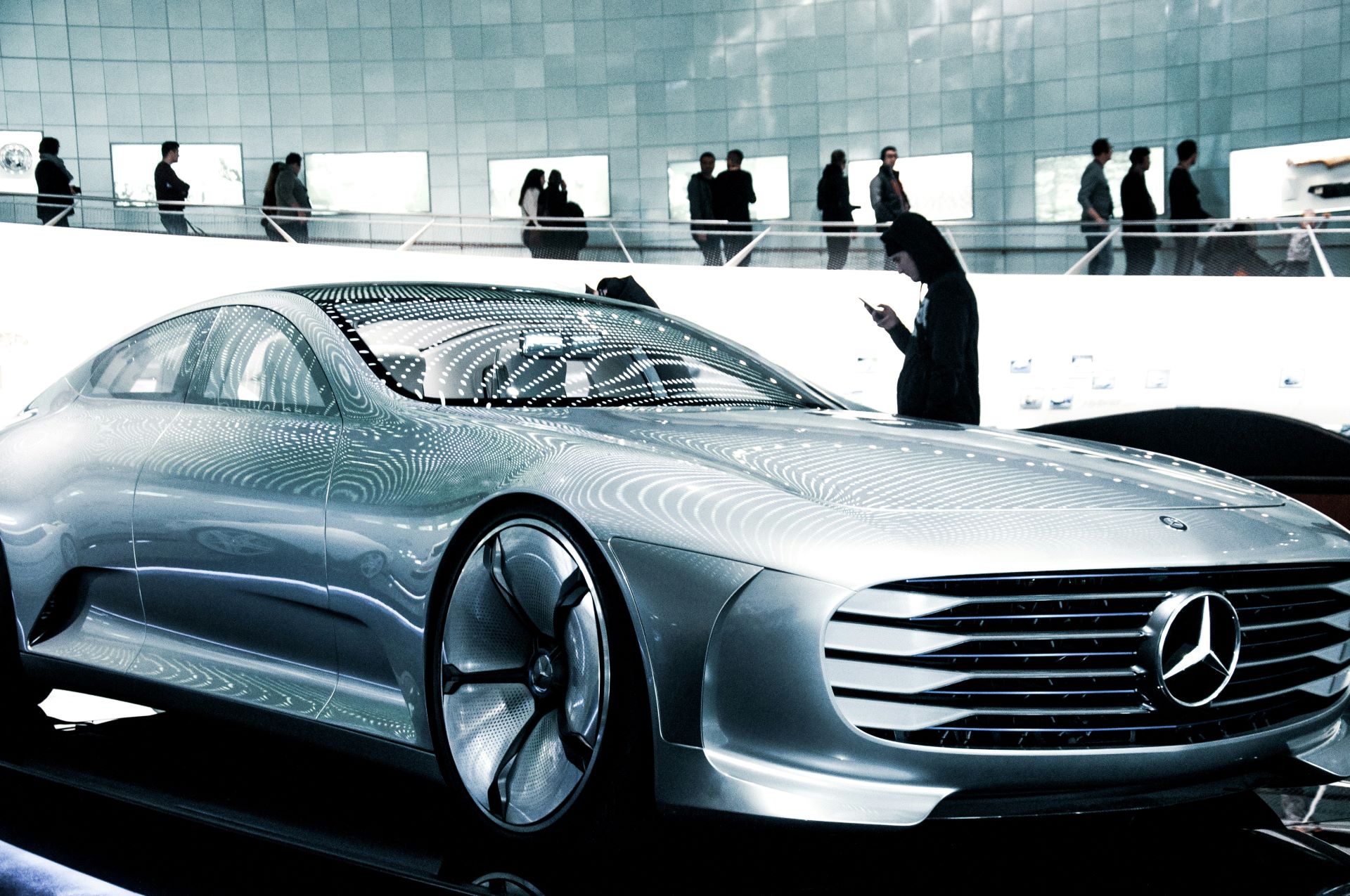
While the trend is global, regional market dynamics shape how sustainability is marketed as luxury. In Europe, stringent emissions regulations and widespread climate consciousness make eco-friendly manufacturing a mainstream expectation. Here, brands compete to showcase the sophistication of their carbon-neutral operations and recyclable materials. The narrative is less about persuasion and more about differentiation: who can craft the most beautiful embodiment of responsibility?
In the United States, where consumer attitudes are more polarised, luxury brands frame sustainability as innovation and performance. Marketing emphasises the technological superiority of electric drivetrains and the thrill of instant torque, with environmental benefits presented as an added dimension of modern luxury. Rivian and Lucid, for example, market their EVs as cutting-edge lifestyle products for adventurous, design-conscious buyers.
Asia presents yet another nuance. In markets such as China, where rapid urbanisation and air quality concerns are front-of-mind, eco-luxury speaks to a new elite eager to demonstrate both modernity and global sophistication. For brands like NIO and BYDÔÇÖs premium Denza sub-brand, sustainability is both a patriotic and cosmopolitan aspirationÔÇöproof that China can lead the world in high-end, environmentally responsible technology.
The Role of Partnerships and Transparency
A key element of elevating sustainability to status is credibility. In an era of greenwashing skepticism, consumers demand evidence. Automotive marketers increasingly rely on partnerships and transparent storytelling to build trust.
PolestarÔÇÖs ÔÇ£Product Sustainability Declaration,ÔÇØ akin to a nutritional label for cars, discloses the carbon footprint and traceability of materials. This radical transparency is marketed not as dry data but as a luxury of knowledge, empowering owners to understand their carÔÇÖs life cycle. It positions the brand as intellectually and morally superiorÔÇöa subtle but powerful form of prestige.
Collaborations with established sustainability leaders also lend weight. When luxury brands partner with renewable energy providers, circular economy experts, or ethical material innovators, they signal a commitment that goes beyond marketing rhetoric. Aston MartinÔÇÖs partnership with Britishvolt for high-performance EV batteries, or LamborghiniÔÇÖs collaboration with MIT for future-facing materials, become narratives of shared ambitionÔÇöluxury as a platform for progressive alliances.
Storytelling Across Touchpoints
To fully embed sustainability as status, automotive marketers deploy a multi-sensory, cross-platform narrative. The showroom experience increasingly mirrors the brandÔÇÖs eco-credentials: recycled wood floors, energy-efficient lighting, even art installations made from reclaimed automotive parts. Events are curated to underline the union of ethics and aesthetics, from VIP factory tours to immersive pop-ups that highlight the journey of sustainable materials.
Digital channels amplify these stories with cinematic films and interactive microsites that guide viewers through carbon-neutral factories or the life cycle of recycled materials. Social media campaigns spotlight artisans, engineers and designers as heroes of a new luxury era, making the invisible labour of sustainability both visible and desirable.
The result is a cohesive narrative where every touchpointÔÇöfrom product brochure to delivery ceremonyÔÇöreinforces the idea that eco-consciousness is not an afterthought but the essence of modern prestige.
Challenges and the Road Ahead
Despite impressive strides, the journey to frame sustainability as aspirational luxury is not without obstacles. Some traditional luxury consumers still equate opulence with excess and view sustainability as an encroachment on indulgence. Marketing teams must carefully balance heritage with innovation, ensuring that the move to vegan leather or recycled composites does not alienate loyal buyers who value traditional craftsmanship.
Moreover, the industry must guard against accusations of superficiality. If sustainability claims are exposed as token gestures, the backlash can be severe. True luxury is built on authenticity, and in the eco-conscious era, that means measurable, verifiable impact. Brands that over-promise or mislead risk not only reputational damage but also the loss of the very status they seek to cultivate.
Looking ahead, the most successful automotive marketers will be those who integrate sustainability so seamlessly into the brand narrative that it ceases to be a separate selling point and becomes the default definition of excellence. Luxury will not be ÔÇ£luxury despite being sustainableÔÇØ but ÔÇ£luxury because it is sustainable.ÔÇØ
The Quiet Power of Green Prestige
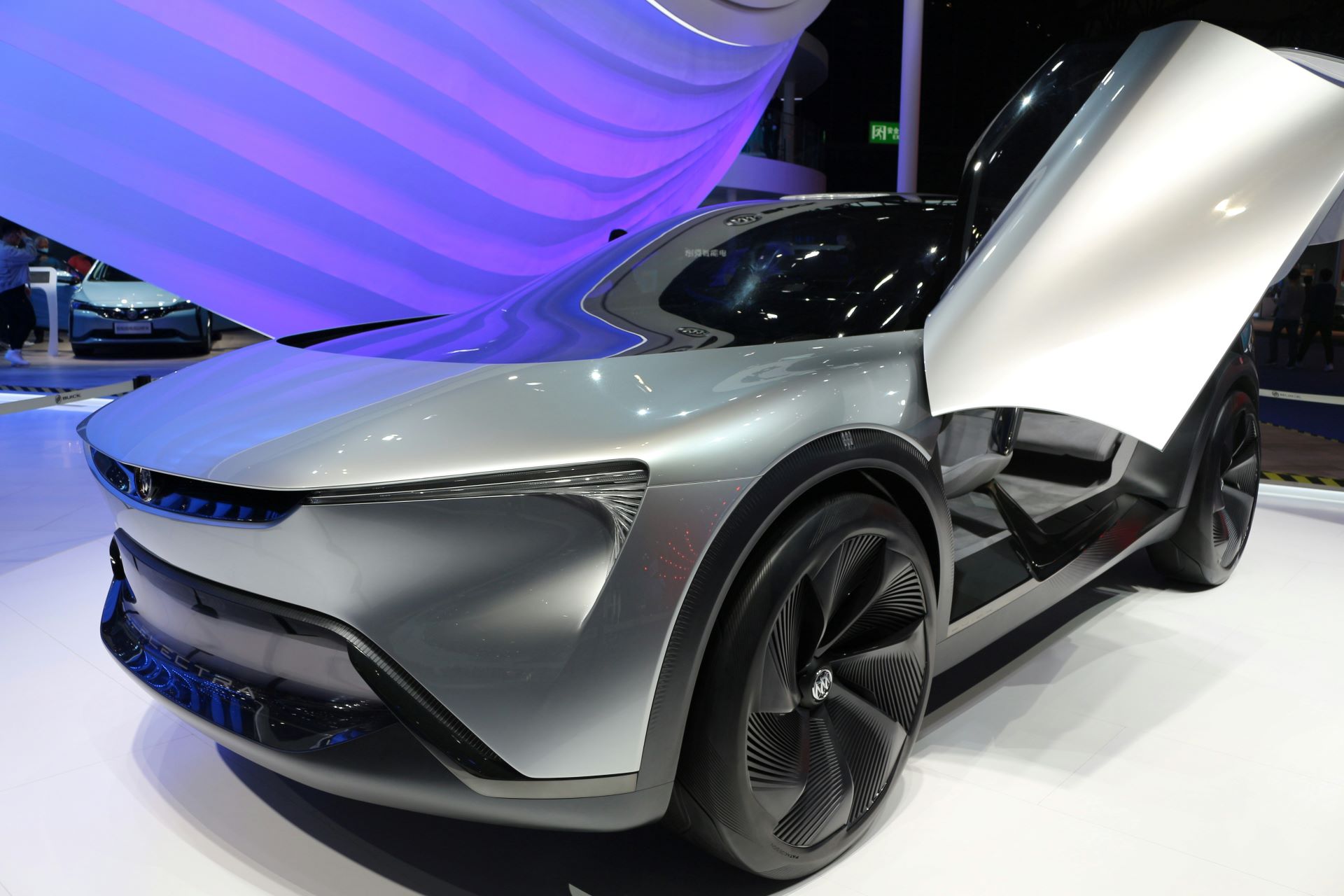
Sustainability has travelled a remarkable distance in the automotive worldÔÇöfrom a reluctant corporate duty to the heart of aspirational marketing. What began as a technical specification has evolved into a status symbol, a form of cultural capital for the discerning buyer. The message is clear: in the new luxury landscape, a carÔÇÖs environmental integrity is as potent a signifier of taste as its design, performance or badge.
For automotive marketers, this transformation offers both challenge and opportunity. It demands storytelling that fuses ethics with aesthetics, that elevates eco-conscious manufacturing into an art form. But for those who succeed, the rewards are profound: to create desire not merely for what a car can do, but for what it representsÔÇöa future where luxury and responsibility are no longer opposites, but partners in prestige.
Breyten Odendaal
Specializing in high-performance automotive advertising and digital marketing solutions, delivering cutting-edge insights and the latest news shaping the automotive industry in South Africa.
More From Advertising

Automotive Advertising in 2026: Selling Confidence in a More Competitive Market
As South Africa’s vehicle market becomes more competitive, automotive advertising needs to do more than announce a price or specification. It needs to help buyers understand value, ownership costs and why a vehicle suits their lives.

Automotive Digital Ads in South Africa: A Shift
Exploring how South Africa’s automotive advertising evolved from print and broadcast to data-driven, programmatic digital ecosystems.

The Video Shift in Car Buying Decisions in SA
Explore how video content shapes car purchase decisions in South Africa, comparing short-form and long-form strategies for automotive marketers.