The Art of Automotive Storytelling
In an era where consumer attention is fleeting and brand loyalty increasingly fragile, cars are no longer just a means of transportationÔÇöthey are canvases for storytelling. Automotive design, both exterior and interior, has evolved from functional necessity to a strategic communication tool, capable of articulating a brandÔÇÖs identity, values, and aspirations. Every curve, surface, and detail becomes a narrative device, guiding the perceptions and emotions of potential buyers. For marketers, leveraging these design cues is not merely an aesthetic exercise; it is an essential component of ÔÇ£storyselling,ÔÇØ a method of blending narrative and commerce to cultivate desire, loyalty, and engagement.
Design in the automotive realm functions on multiple levels. On the most visible plane, exterior styling is a handshake with the consumerÔÇödynamic silhouettes, bold grilles, and distinctive lighting signatures convey confidence, innovation, or luxury before a car ever moves. Interiors, meanwhile, offer an intimate conversation, where materials, interfaces, and spatial layouts create emotional resonance, reinforcing the brandÔÇÖs story once the consumer is behind the wheel. Together, these cues craft a coherent narrative that transcends advertising copy, embedding the brandÔÇÖs essence directly into the sensory experience of the product.
Exterior Styling: The Silent Brand Ambassador
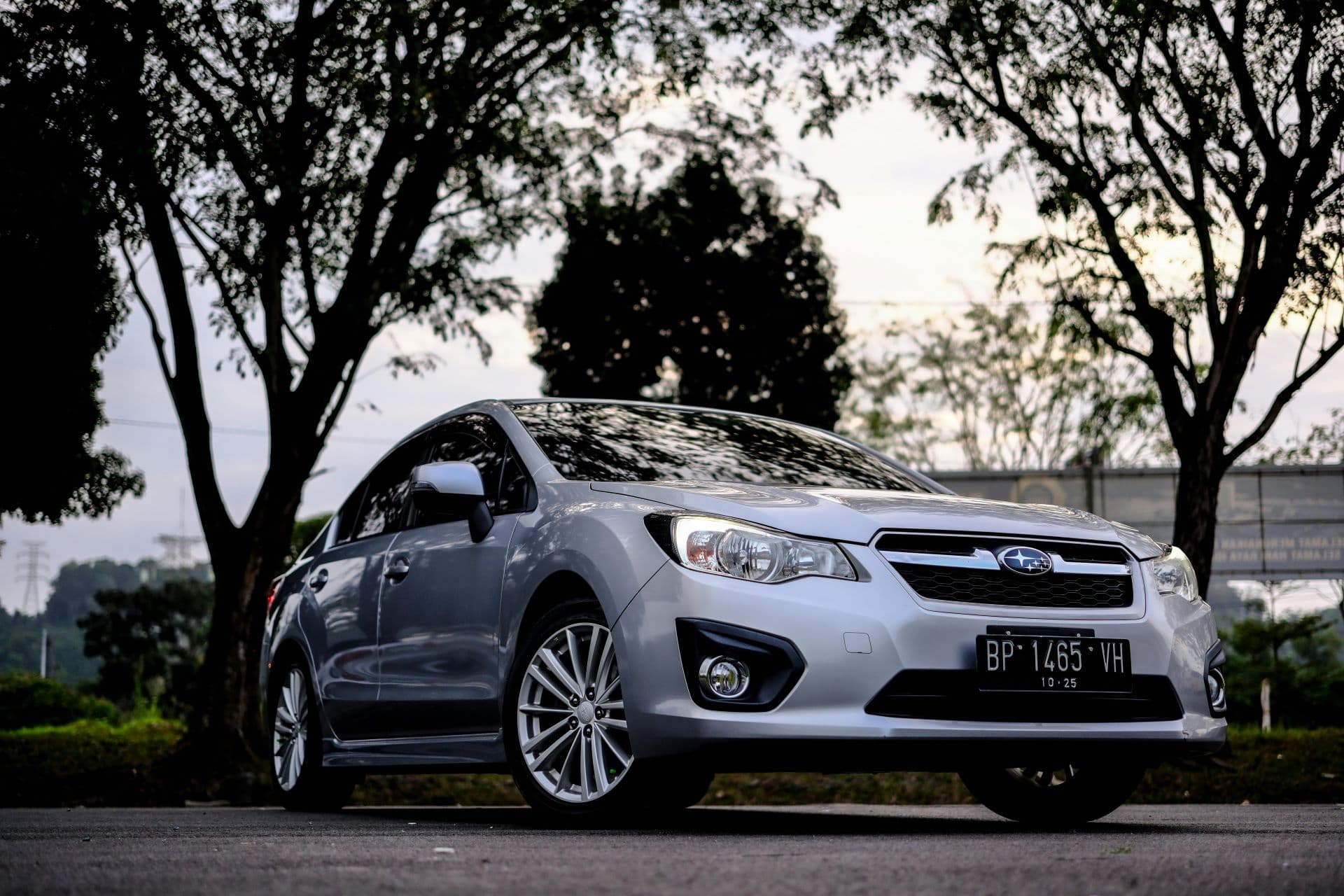
Exterior design is the first point of engagement. It is the physical embodiment of brand identity, speaking volumes without a single word. Automotive marketers understand that the way a car looks can profoundly influence consumer perception. A vehicleÔÇÖs lines, proportions, and surface treatments are carefully orchestrated to evoke specific emotions, whether itÔÇÖs the athletic aggression of a performance SUV, the understated elegance of a luxury sedan, or the approachable friendliness of an urban compact.
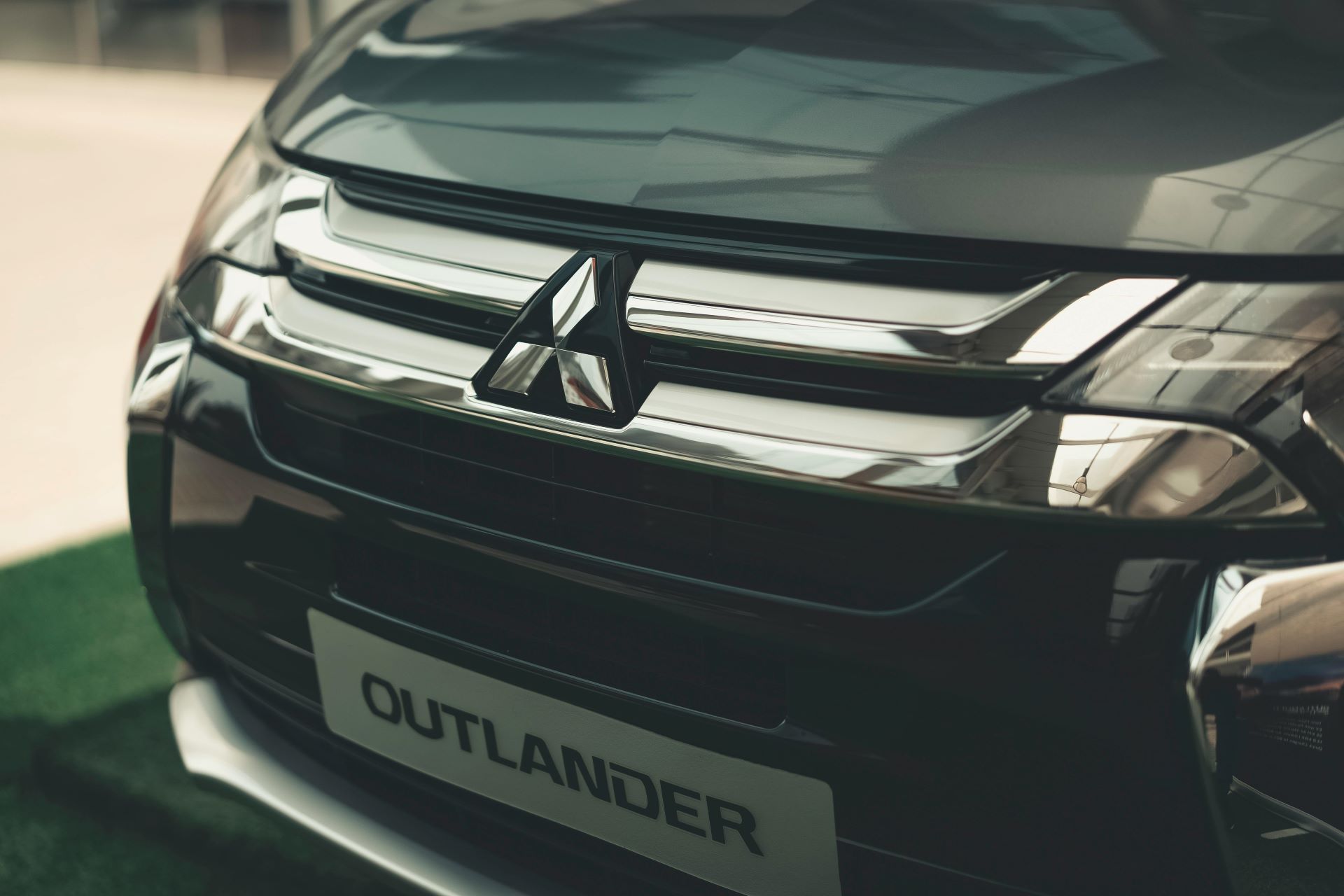
Take, for example, the rise of signature lighting designs. Daytime running lights and taillight signatures have become a hallmark of brand storytelling. AudiÔÇÖs continuous light strips, LexusÔÇÖs intricate L-shaped lamps, and BMWÔÇÖs split hexagonal daytime lights are more than stylistic choicesÔÇöthey function as visual logos, communicating sophistication, innovation, or sportiness in an instant. Such cues are intentionally crafted to resonate with target demographics, ensuring brand recognition even in a crowded parking lot or bustling city street.
Proportions and surface treatment are equally critical. Broad shoulders and low stances convey athleticism and dominance, appealing to consumers drawn to performance or prestige. Conversely, soft curves, friendly front fascias, and compact dimensions create approachability, a narrative that aligns with urban mobility solutions. Even small details, like the shape of door handles or the texture of grille inserts, can reinforce a brandÔÇÖs design language, embedding subtle stories about craftsmanship, heritage, or technological prowess into the vehicleÔÇÖs physical form.
Exterior design narratives also extend into color palettes and finishes. Marketers use bespoke hues to evoke emotion, anchor brand identity, and differentiate products within a segment. LamborghiniÔÇÖs flamboyant, high-chroma finishes project daring confidence, while VolvoÔÇÖs muted Scandinavian tones suggest safety, calm, and trust. The story is embedded not only in shape but in chromatic expression, demonstrating how design functions as a multidimensional storytelling tool.
Interior Design: Crafting Intimate Brand Experiences
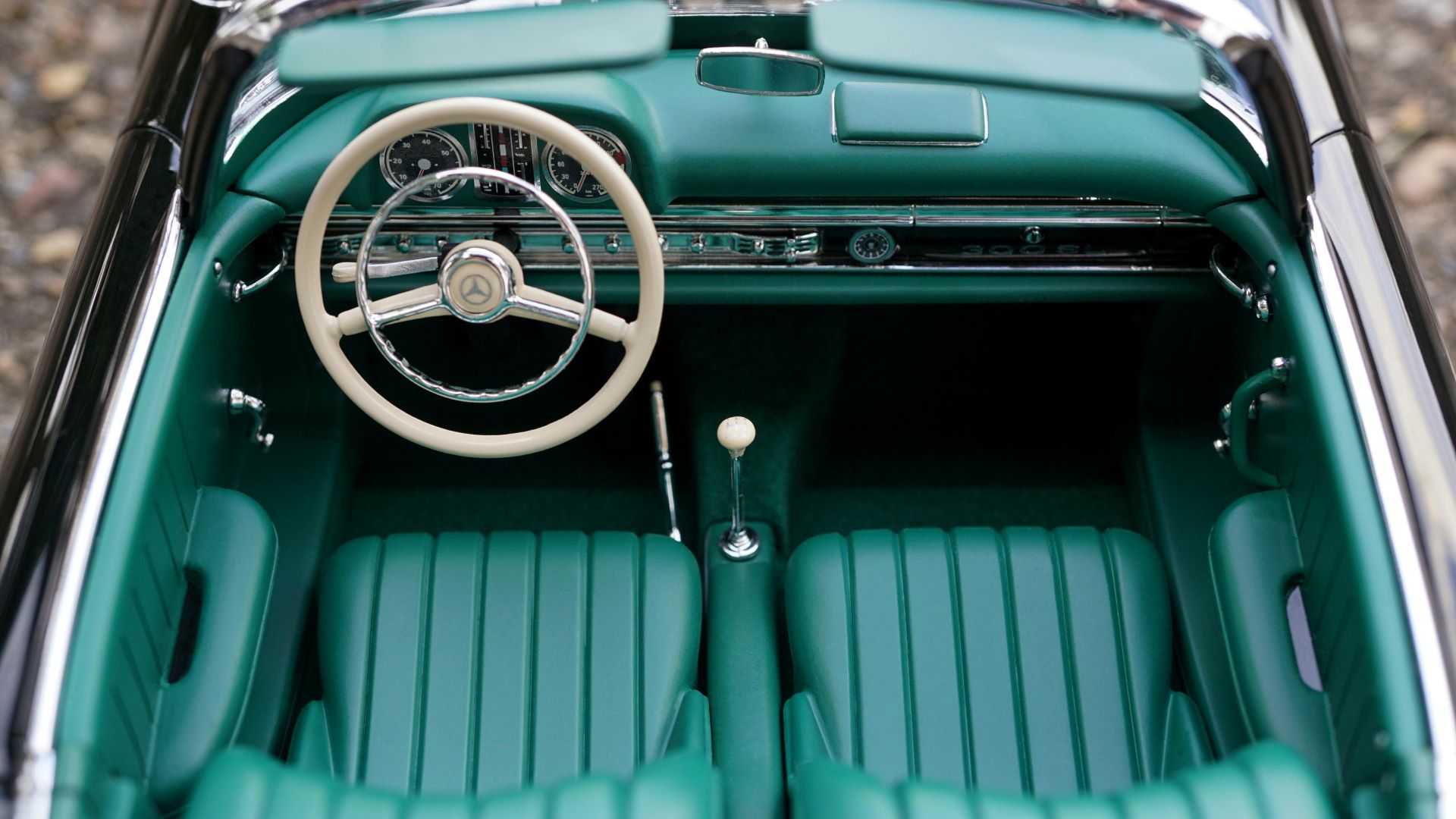
While the exterior communicates a brandÔÇÖs personality at a distance, interior design tells the story up close, where every material choice, tactile surface, and interface interaction reinforces the narrative. Luxury brands such as Bentley, Mercedes-Benz, and Genesis use interiors to craft stories of heritage, craftsmanship, and exclusivity. Natural woods, hand-stitched leathers, and brushed metals signal meticulous attention to detail, subtly conveying that ownership is not just a transaction but an aspirational experience.
Interior ergonomics and technology integration are also powerful narrative instruments. Minimalist dashboards with digital instrument clusters communicate futurism and innovation, appealing to tech-savvy demographics. Meanwhile, rich ambient lighting schemes and spatial layouts create a sense of emotional comfort and prestige, reinforcing narratives of luxury, safety, and well-being. In this sense, interior design is a narrative ecosystem: every interactionÔÇöpressing a button, adjusting a seat, activating a screenÔÇöis an opportunity to reinforce brand storytelling.
Even the choice of scent and sound plays into this strategy. Subtle ambient fragrances and carefully tuned acoustic environments can evoke emotional responses, transforming a simple commute into a multisensory narrative. Marketers recognize that these sensory elements are essential in shaping brand perception, often lingering in the subconscious and influencing long-term loyalty.
Design Language and Demographic Targeting
Storyselling through design is most effective when it aligns with the psychological and cultural profiles of target demographics. Automotive marketers segment consumers not only by income or lifestyle but by the narratives that resonate with them. Millennials and Gen Z buyers, for instance, respond to bold, expressive designs, sustainability cues, and technology-rich interfaces. They seek vehicles that align with their identity, values, and social signaling requirements. Brands like Tesla and Polestar leverage minimalist exteriors, clean interiors, and high-tech interfaces to craft a narrative of innovation, environmental consciousness, and statusÔÇöelements that appeal to younger, digitally native audiences.
In contrast, older or more traditional demographics might favor vehicles that communicate reliability, heritage, and refined craftsmanship. Rolls-Royce, Mercedes-Benz, and Porsche often employ restrained, timeless exterior cues and interiors steeped in tradition to tell stories that resonate with this audience. In each case, design is deliberately tailored to encode narratives that speak directly to the aspirations, concerns, and desires of a specific consumer segment.
Emotional Resonance and Psychological Impact of Design
Automotive design does more than capture attention; it shapes emotional perception, influencing decisions before a consumer even steps inside a vehicle. Marketers and designers recognize that humans are wired to respond to visual and tactile cuesÔÇöcurves suggest approachability, sharp edges imply power, and proportion communicates confidence. Through careful orchestration of these elements, vehicles become storytellers, eliciting emotional engagement that translates into desire, preference, and ultimately, purchase decisions.
The emotional resonance of design extends into color psychology. Bold reds and oranges evoke excitement and energy, appealing to thrill-seekers and performance enthusiasts. Blues and greys convey calm, reliability, and sophistication, reinforcing narratives of professionalism or understated luxury. Even subtle choices, like the contrast stitching in an interior or the polished finish of a metallic trim, can evoke pride of ownership, reinforcing the idea that the car itself is a reflection of personal identity. These micro-interactionsÔÇöoften subconsciousÔÇöare central to storyselling, transforming vehicles from functional commodities into emotionally resonant artifacts.
Design also functions as a bridge between aspiration and accessibility. A compact SUV with aggressive styling may offer consumers the thrill of performance without the prohibitive cost or environmental impact of a full-size sports car. Marketers leverage these narratives to position vehicles as attainable expressions of personal identity, allowing design to tell a story that aligns with both desire and reality. By embedding aspirational cues into tangible forms, automotive brands cultivate a sense of emotional fulfillment before the first test drive.
Case Studies: Storyselling Through Design in Action
Several contemporary brands illustrate how design-driven storytelling can shape perceptions, influence loyalty, and differentiate in competitive markets. Tesla, for example, has built its brand narrative around minimalist, technology-focused interiors that signal futurism and environmental consciousness. The clean lines, hidden ventilation systems, and seamless touch interfaces communicate innovation and sophistication, aligning perfectly with a tech-savvy, sustainability-conscious demographic. The story is instantly legible: driving a Tesla is not merely a choice in mobilityÔÇöit is an endorsement of a forward-thinking lifestyle.
BMWÔÇÖs recent ÔÇ£IconicSounds ElectricÔÇØ campaign for the iX and i4 demonstrates another layer of storyselling, where exterior design and auditory branding work in tandem. The vehiclesÔÇÖ distinctive light signatures and aerodynamic forms create an immediately recognizable presence, while bespoke soundscapes inside the cabin reinforce the narrative of premium performance, even in a fully electric vehicle. Here, design and sensory storytelling converge to communicate not just what the car is, but what it representsÔÇöpower, precision, and emotional engagement.
Luxury marques like Bentley and Rolls-Royce adopt a more traditional approach, using interior craftsmanship as the primary storyteller. Bespoke materials, artisan stitching, and intricate inlays evoke a narrative of heritage, exclusivity, and sophistication. Marketing campaigns emphasize these details through cinematic storytelling, highlighting the skill and care invested in every vehicle. The message is clear: ownership is not merely functional but a curated, aspirational experience, and the design itself is the medium through which this story is conveyed.
Even mass-market brands leverage design for narrative impact. HyundaiÔÇÖs latest Tucson and KiaÔÇÖs EV series illustrate how modern consumersÔÇÖ desire for dynamic aesthetics and technology integration can be translated into approachable, attainable vehicles. Sleek exteriors with sculpted surfaces, integrated lighting elements, and high-tech cabins communicate modernity and connectivity, allowing these brands to tell stories of progress, innovation, and lifestyle relevance. In every case, the narrative is inseparable from the design itself, demonstrating how storyselling becomes a silent yet powerful marketing force.
Integrating Marketing Campaigns with Design Narratives
Storyselling through design extends beyond the vehicle itself into marketing communications. The design language of a vehicle often dictates the tone, imagery, and messaging of campaigns. Visuals in advertisements, social media content, and showroom experiences are aligned with design cues, reinforcing the brand story consistently across touchpoints.
Take digital and experiential marketing. Virtual showrooms and augmented reality configurators allow consumers to explore vehicles interactively, discovering narrative details embedded in every surface and interface. Color options, trim choices, and lighting effects are not presented as mere featuresÔÇöthey are storytelling tools, each variation shaping the consumerÔÇÖs perception of brand identity, sophistication, and emotional resonance.
Social media amplifies this effect, with images and short videos highlighting distinctive design elements to engage audiences in authentic storytelling. TeslaÔÇÖs vehicle unveilings, AudiÔÇÖs dynamic light signature campaigns, and Mercedes-BenzÔÇÖs ÔÇ£Sensual PurityÔÇØ messaging illustrate how design-driven narratives translate into shareable content that resonates with target demographics. By bridging product design with narrative marketing, brands create a holistic story experience, ensuring that every interaction with the vehicle or its representation reinforces the desired identity and aspiration.
Showroom experiences further integrate design storytelling. Physical spaces are curated to echo the vehicleÔÇÖs narrativeÔÇölighting, materials, and spatial arrangements are aligned with exterior and interior design cues. This cohesion amplifies the story, making every step of the consumer journeyÔÇöfrom first sight to test driveÔÇöa continuation of the narrative that began in the design studio.
Future Trends in Automotive Storytelling Through Design
As technology and consumer expectations evolve, so too does the role of design in storyselling. The future of automotive design is not just about aesthetics or comfortÔÇöit is about creating adaptive, immersive narratives that respond to the lifestyle and values of individual consumers. One emerging trend is the integration of digital interfaces as core storytelling devices. Ambient lighting, dynamic displays, and AI-driven personalization allow vehicles to communicate moods, intentions, or brand ethos in real time. A carÔÇÖs cabin might shift its lighting, dashboard graphics, and audio cues to reinforce the story of adventure during a weekend drive or elegance during a city commute, creating a living narrative that adapts to the userÔÇÖs journey.
Sustainability is another powerful narrative driver. With growing consumer awareness around climate impact, design cues that signal eco-consciousness are increasingly central to brand storytelling. From visible use of recycled materials and sustainable leathers to aerodynamic forms optimized for efficiency, green design narratives appeal to environmentally minded buyers while communicating forward-thinking innovation. PolestarÔÇÖs minimalist, sustainable interiors and BMWÔÇÖs i series, for example, illustrate how ecological storytelling becomes a differentiator in both marketing and product experience.
Autonomous driving and connectivity further expand opportunities for storyselling. As vehicles become more intelligent, interior spaces are transformed into adaptive environments where design, functionality, and narrative converge. A self-driving luxury sedan could use its layout, lighting, and infotainment systems to craft a story of relaxation, productivity, or social engagement, turning the vehicle into an immersive experience that extends beyond transportation. Here, design is not static; it becomes narrative architecture, shaping the way passengers interact with both the car and the brand.
Additionally, cross-industry collaborations are emerging as a new frontier for storytelling. Partnerships with fashion, tech, and lifestyle brands allow vehicles to carry narratives that resonate culturally and socially. Limited-edition interiors, bespoke trims, and co-branded colorways create a story that links automotive identity to broader cultural narratives, turning cars into objects of lifestyle expression as much as engineering achievement.
Crafting Cohesive Brand Narratives
Storyselling through design represents a paradigm shift in automotive marketing. Cars are no longer silent machines; they are storytellers, capable of communicating identity, emotion, and aspiration through every line, surface, and interaction. Exterior styling creates the first impression, interior design cultivates intimate engagement, and integrated marketing campaigns ensure that the narrative resonates across every touchpoint.
For marketers, the key is coherence. Every design elementÔÇöfrom lighting signatures to material choicesÔÇömust align with the brand story and the expectations of the target demographic. By embedding narrative into the very DNA of the vehicle, brands can foster emotional resonance, differentiate themselves in crowded markets, and cultivate long-term loyalty.
The future promises even more sophisticated forms of storyselling. As vehicles become smarter, interiors more adaptive, and sustainability narratives more central, design will continue to serve as both medium and message. In a competitive landscape where consumers are inundated with information, design-driven storytelling offers a subtle yet powerful path to connection, influence, and aspiration. Automotive design is no longer just about building cars; it is about crafting stories that move peopleÔÇöliterally and emotionallyÔÇöcreating lasting relationships between brands and the communities they serve.
Breyten Odendaal
Specializing in high-performance automotive advertising and digital marketing solutions, delivering cutting-edge insights and the latest news shaping the automotive industry in South Africa.
More From Advertising

Automotive Advertising in 2026: Selling Confidence in a More Competitive Market
As South Africa’s vehicle market becomes more competitive, automotive advertising needs to do more than announce a price or specification. It needs to help buyers understand value, ownership costs and why a vehicle suits their lives.

Automotive Digital Ads in South Africa: A Shift
Exploring how South Africa’s automotive advertising evolved from print and broadcast to data-driven, programmatic digital ecosystems.

The Video Shift in Car Buying Decisions in SA
Explore how video content shapes car purchase decisions in South Africa, comparing short-form and long-form strategies for automotive marketers.