
The automotive industry has always been a playground for storytelling. From the sleek sweep of a supercar gliding down an empty highway to the rugged resilience of an off-roader conquering harsh terrain, car commercials have long relied on emotion, spectacle, and narrative to connect with audiences. But as media consumption habits evolve, automotive marketers are moving beyond traditional 30- or 60-second TV spots. Story-driven video campaigns are no longer just about cinematic grandeurÔÇöthey are about crafting experiences that resonate across multiple platforms, capturing attention in fleeting micro-moments on social media as effectively as they do in immersive cinematic ads.
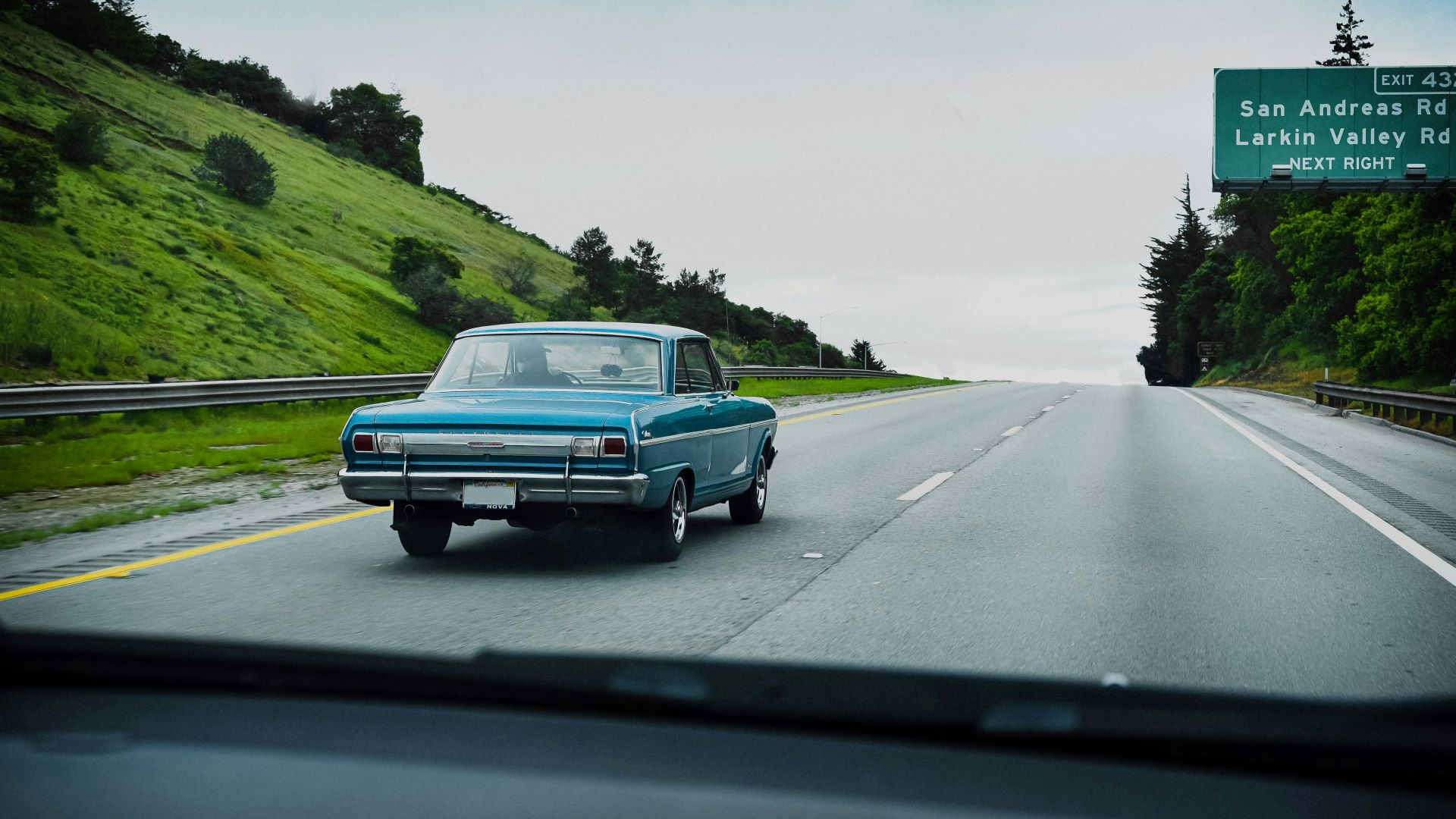
The Evolution of Storytelling in Automotive Marketing
Automotive marketing has historically been a visual feast, with brands like BMW, Audi, and Mercedes-Benz setting benchmarks through cinematic campaigns that blend artistry with aspiration. These campaigns relied on powerful narratives: the freedom of the open road, the thrill of speed, the elegance of design. The audience wasnÔÇÖt just watching a carÔÇöthey were witnessing a lifestyle, an identity that the vehicle promised to deliver.
However, the rise of digital media and the explosion of platforms like Instagram, TikTok, and YouTube have reshaped attention spans and expectations. Consumers no longer sit through a traditional ad break; they scroll, swipe, and tap past content at will. For automotive brands, the challenge has become twofold: how to maintain the cinematic storytelling DNA while adapting it to fragmented, fast-moving social media ecosystems.
Cinematic Ads: The Art of Emotional Connection
Cinematic ads remain a cornerstone of automotive storytelling. These campaigns are meticulously crafted, combining narrative arcs, visual flair, and audio design to create a visceral experience. A high-production car commercial is more than a sales pitchÔÇöitÔÇÖs a mini-movie designed to evoke emotion.
For example, consider campaigns by Lexus or Jaguar that frame a car as an extension of the driverÔÇÖs personality, often weaving in elements of adventure, aspiration, and sophistication. The cinematography is deliberate: the camera sweeps across landscapes, lingers on reflective surfaces, and captures the smallest details, from the stitching on a leather seat to the subtle growl of an engine starting. Soundtracks are equally strategic, matching tempo to narrative tension or accentuating moments of triumph.
In the luxury automotive sector, these cinematic moments are crucial. They create an aspirational aura, positioning the vehicle not just as a mode of transportation but as a symbol of identity. Even in a digital-first era, the impact of these campaigns on brand perception and consumer desire remains significant.
Micro-Moments on Social Media: Capturing Attention in Seconds
While cinematic ads establish emotional depth, social media demands brevity. Platforms like TikTok, Instagram Reels, and YouTube Shorts thrive on micro-momentsÔÇö15-second clips that must convey brand messaging instantaneously. Here, storytelling shifts from expansive narratives to focused vignettes, each designed to spark curiosity or trigger an emotional response within a matter of seconds.
For automotive brands, micro-moments can take many forms: a POV drive through a city at night, a dramatic reveal of a new model, or a behind-the-scenes glimpse into vehicle design. The goal is engagement, not exposition. Every frame counts, every second is calibrated to maximize retention, and the narrative is often implied rather than explicitly stated.
This format also encourages interaction. Short-form videos are inherently shareable, prompting user-generated content, duets, and reactions, which extend the campaignÔÇÖs reach organically. Automotive marketers are learning to craft stories that are modularÔÇöcapable of being consumed as standalone moments or as part of a larger narrative arc when stitched together across multiple posts.
Bridging the Gap: Integrated Storytelling Across Platforms
The true power of modern automotive video campaigns lies in integration. Cinematic ads and social micro-moments are not competing formats; they are complementary tools within a unified storytelling strategy. A launch campaign might begin with a high-impact cinematic trailer on YouTube, generating anticipation and establishing brand positioning. This content can then be repurposed into bite-sized clips for Instagram, TikTok, and Facebook, ensuring that the story reaches audiences wherever they are.
Consider the case of a brand unveiling a new electric vehicle. A cinematic ad could depict the car gliding through scenic landscapes, highlighting its futuristic design and performance. The same campaign could feature micro-moments showcasing the carÔÇÖs interior tech, the sound of its electric engine, or user testimonials in 10- to 20-second social clips. Each micro-moment reinforces the cinematic story, building familiarity and emotional resonance over time.
Data-Driven Storytelling: Using Insights to Refine Narrative
Modern automotive marketers are increasingly relying on data to inform their storytelling. Analytics provide insights into which types of narratives resonate most with specific demographics, which platforms drive engagement, and which creative elements are most effective. This enables brands to tailor stories not only to the medium but also to the audience.
For instance, younger audiences may respond to humor, high-energy sequences, or interactive content that invites participation. Older demographics might prefer aspirational narratives that emphasize craftsmanship, reliability, or heritage. By analyzing engagement metrics, brands can iterate quickly, optimizing video campaigns in near real-time and ensuring that each story element contributes to the overarching marketing objective.
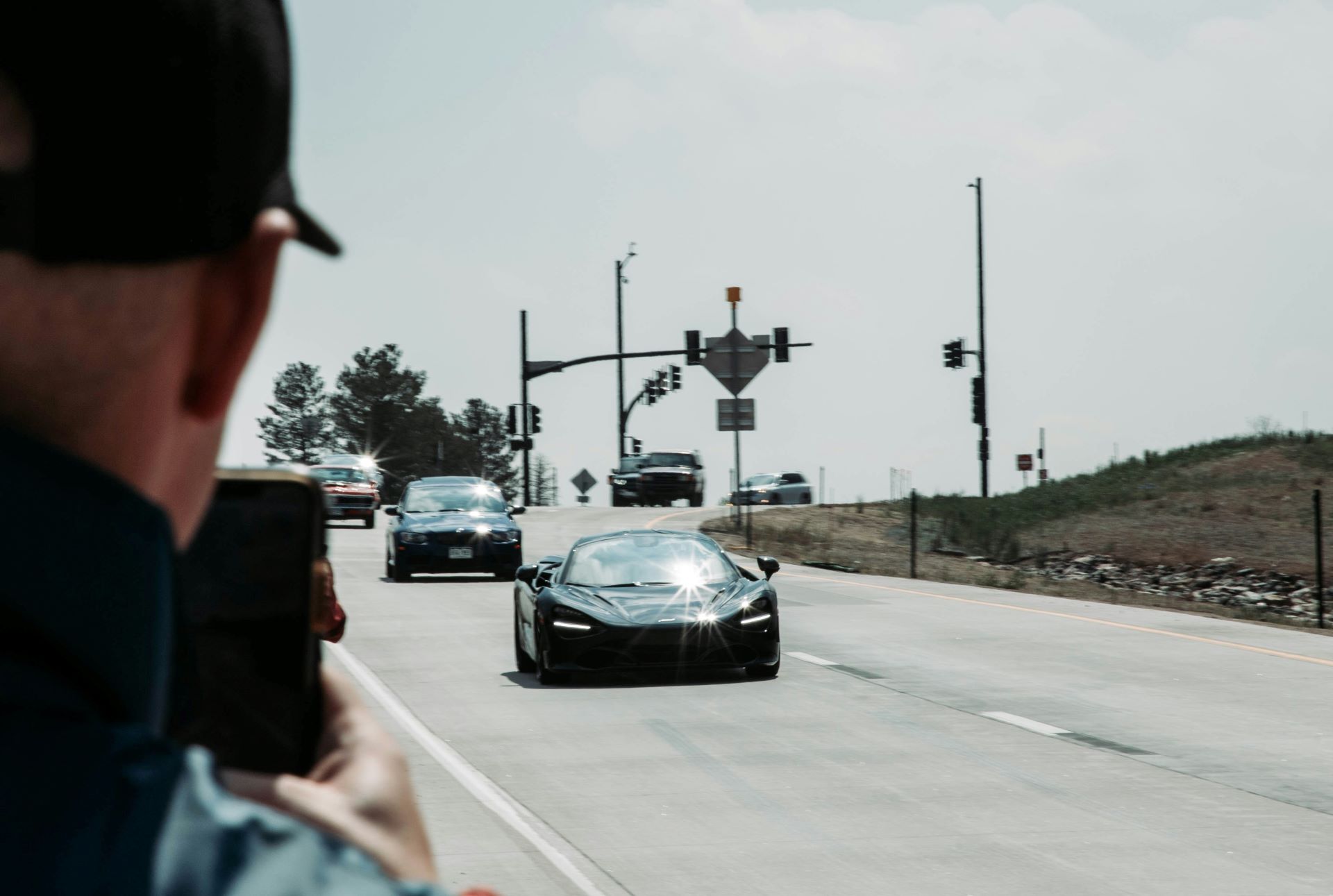
The Role of Authenticity in Modern Automotive Stories
Authenticity has become a key differentiator in automotive marketing. TodayÔÇÖs consumers are savvyÔÇöthey can detect insincerity or overproduction, and they value transparency and relatability. Story-driven campaigns that incorporate real people, behind-the-scenes footage, and genuine experiences often outperform purely cinematic efforts in social contexts.
Brands like Ford and Toyota have embraced this approach, blending professional production with documentary-style storytelling that captures drivers, engineers, and everyday users interacting with vehicles. These authentic narratives build trust, humanize the brand, and make luxury or high-performance vehicles more accessible.
Emerging Technologies: AR, VR, and Interactive Storytelling
As technology evolves, so do the possibilities for story-driven automotive campaigns. Augmented reality (AR) and virtual reality (VR) offer immersive ways to experience a vehicle beyond traditional video. Potential buyers can explore a carÔÇÖs interior through a VR headset, test drive a digital replica on a mobile device, or interact with AR overlays that highlight features in real-world environments.
Interactive storytelling, such as ÔÇ£choose your own adventureÔÇØ experiences, allows audiences to shape the narrative themselves, deepening engagement. For automotive brands, these technologies provide a bridge between the aspirational storytelling of cinematic ads and the immediacy and shareability of micro-moments.
Measuring Impact: Beyond Views and Likes
The success of story-driven video campaigns extends beyond raw view counts or social likes. Automotive marketers are increasingly focused on metrics that capture brand impact, such as consideration, preference, and purchase intent. Sophisticated tracking allows for an understanding of how each touchpointÔÇöfrom a 60-second cinematic ad to a 15-second micro-momentÔÇöcontributes to the customer journey.
Sentiment analysis, engagement depth, and conversion tracking provide actionable insights, enabling marketers to refine narrative arcs and adjust content strategy. Ultimately, the goal is not just to entertain, but to drive meaningful action, whether that is scheduling a test drive, visiting a dealership, or sharing the brandÔÇÖs story within a social network.
Case Studies: Leading Automotive Story-Driven Campaigns
Several brands have set the standard for story-driven campaigns. BMWÔÇÖs ÔÇ£The HireÔÇØ series in the early 2000s demonstrated the power of episodic storytelling in automotive marketing, blending cinematic production with engaging narratives that highlighted the thrill of driving. More recently, Tesla has leveraged sleek, minimalistic storytelling and influencer micro-moments to create viral buzz around product launches, demonstrating that effective storytelling can take many forms.
VolkswagenÔÇÖs recent campaigns have embraced humor, nostalgia, and relatability, producing shareable content that resonates with both traditional and digital-native audiences. AudiÔÇÖs social-first approach, featuring behind-the-scenes design content and immersive POV driving clips, illustrates the value of bridging cinematic quality with micro-moment accessibility.
The Future of Story-Driven Automotive Marketing
As media landscapes continue to fragment and attention spans shrink, automotive marketers will need to be agile, inventive, and audience-centric. Story-driven video campaigns will increasingly rely on modular content strategies, combining cinematic depth with social immediacy. Brands will need to balance artistry with data, authenticity with spectacle, and interactivity with simplicity.
The rise of AI and machine learning will also play a role, enabling hyper-personalized narratives and predictive engagement strategies. Imagine campaigns that adapt dynamically to user preferences, platform algorithms, and contextual trends, delivering stories that feel unique to each viewer while maintaining brand consistency.

Crafting Stories That Drive Connection
At its core, automotive marketing is about emotion, aspiration, and identity. Story-driven video campaignsÔÇöwhether in the grandeur of cinematic ads or the rapid-fire pace of social micro-momentsÔÇöallow brands to connect with audiences in meaningful ways. The key lies in understanding the medium, the audience, and the narrative potential of the vehicle itself.
By embracing integration, authenticity, and innovation, automotive brands can create campaigns that are not only seen but felt, remembered, and shared. In a world saturated with content, it is the story behind the car that turns viewers into enthusiasts, and enthusiasts into loyal customers.
In 2025 and beyond, the most successful automotive video campaigns will be those that seamlessly traverse platforms, formats, and attention spans, crafting a rich, story-driven universe where every clip, frame, and sound contributes to a lasting emotional journey.
Breyten Odendaal
Specializing in high-performance automotive advertising and digital marketing solutions, delivering cutting-edge insights and the latest news shaping the automotive industry in South Africa.
More From Advertising
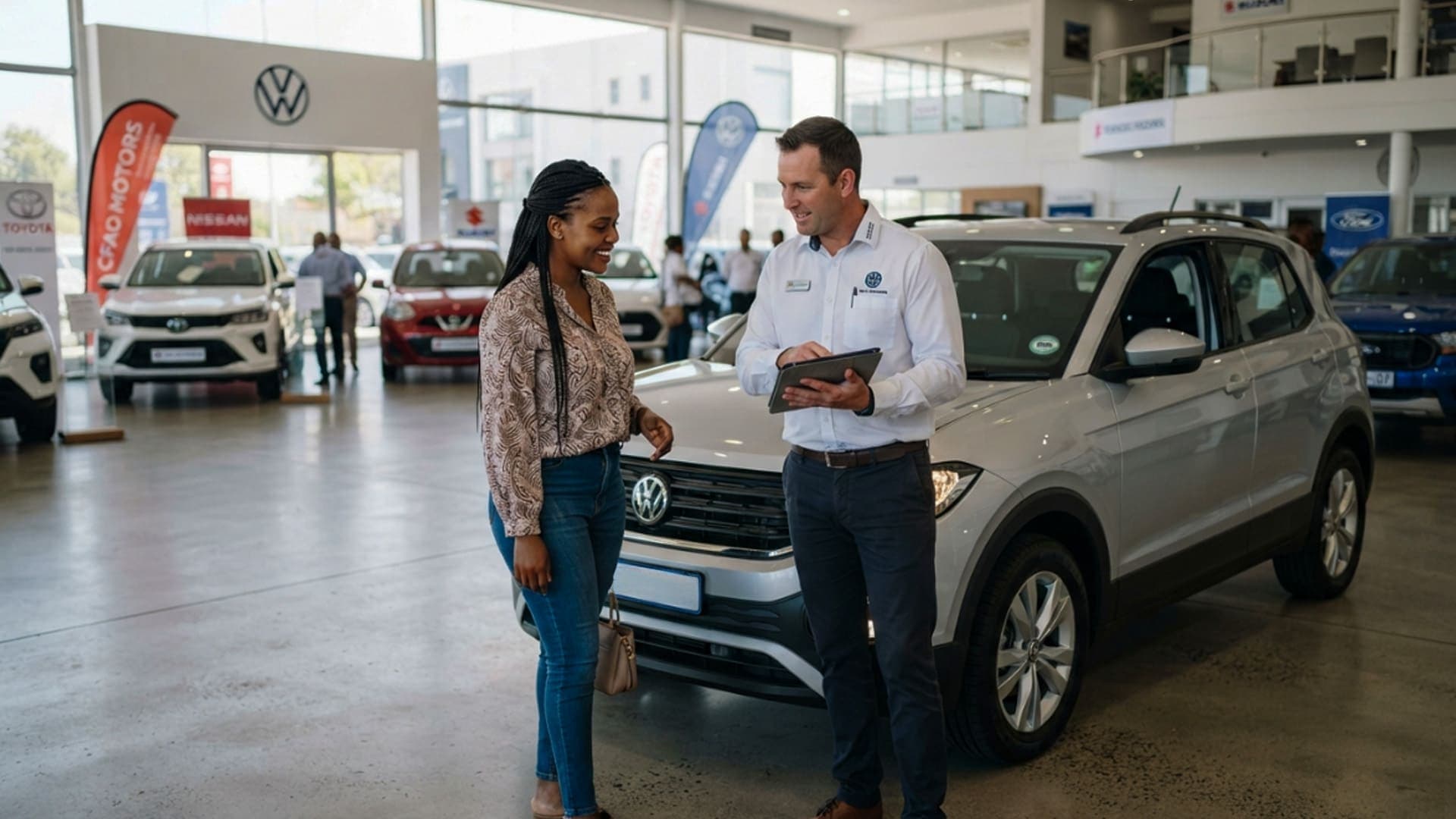
Automotive Advertising in 2026: Selling Confidence in a More Competitive Market
As South Africa’s vehicle market becomes more competitive, automotive advertising needs to do more than announce a price or specification. It needs to help buyers understand value, ownership costs and why a vehicle suits their lives.

Automotive Digital Ads in South Africa: A Shift
Exploring how South Africa’s automotive advertising evolved from print and broadcast to data-driven, programmatic digital ecosystems.

The Video Shift in Car Buying Decisions in SA
Explore how video content shapes car purchase decisions in South Africa, comparing short-form and long-form strategies for automotive marketers.