Selling More Than Metal
Car advertising is far more complex than simply showcasing performance specs, sleek designs, or attractive financing offers. At its core, automotive marketing is an exercise in psychological influenceÔÇöa nuanced interplay of identity, aspiration, emotion, and social context.
From Ferraris cruising down coastal highways to pragmatic hatchbacks navigating school runs, every automotive ad tells a story. These stories are designed not only to inform but to evoke; to awaken desires and reinforce values. At a time when global consumer behaviours are shiftingÔÇöfuelled by generational change, climate urgency, and digital disruptionÔÇöunderstanding the psychology behind car advertising is more vital than ever.
This article explores the layered psychology that underpins car advertisingÔÇöfrom status signaling and emotional resonance to behavioural economics and brand tribalism. We delve into how manufacturers and marketers craft persuasive messages, and why these messages resonate so strongly with consumers.

The Car as a Symbol: More Than a Mode of Transport
Cars are arguably one of the most potent status symbols in modern society. TheyÔÇÖre not merely functional machinesÔÇöthey're extensions of our identities. Whether itÔÇÖs a rugged 4x4, a minimalist EV, or a hand-built luxury saloon, a car communicates volumes about its owner.
Psychologist Abraham Maslow's hierarchy of needs offers a helpful framework. At the base, cars satisfy physiological and safety needsÔÇömobility, reliability, and protection. But advertising rarely stops there. Car ads often target the upper levels of the hierarchy: esteem and self-actualisation.
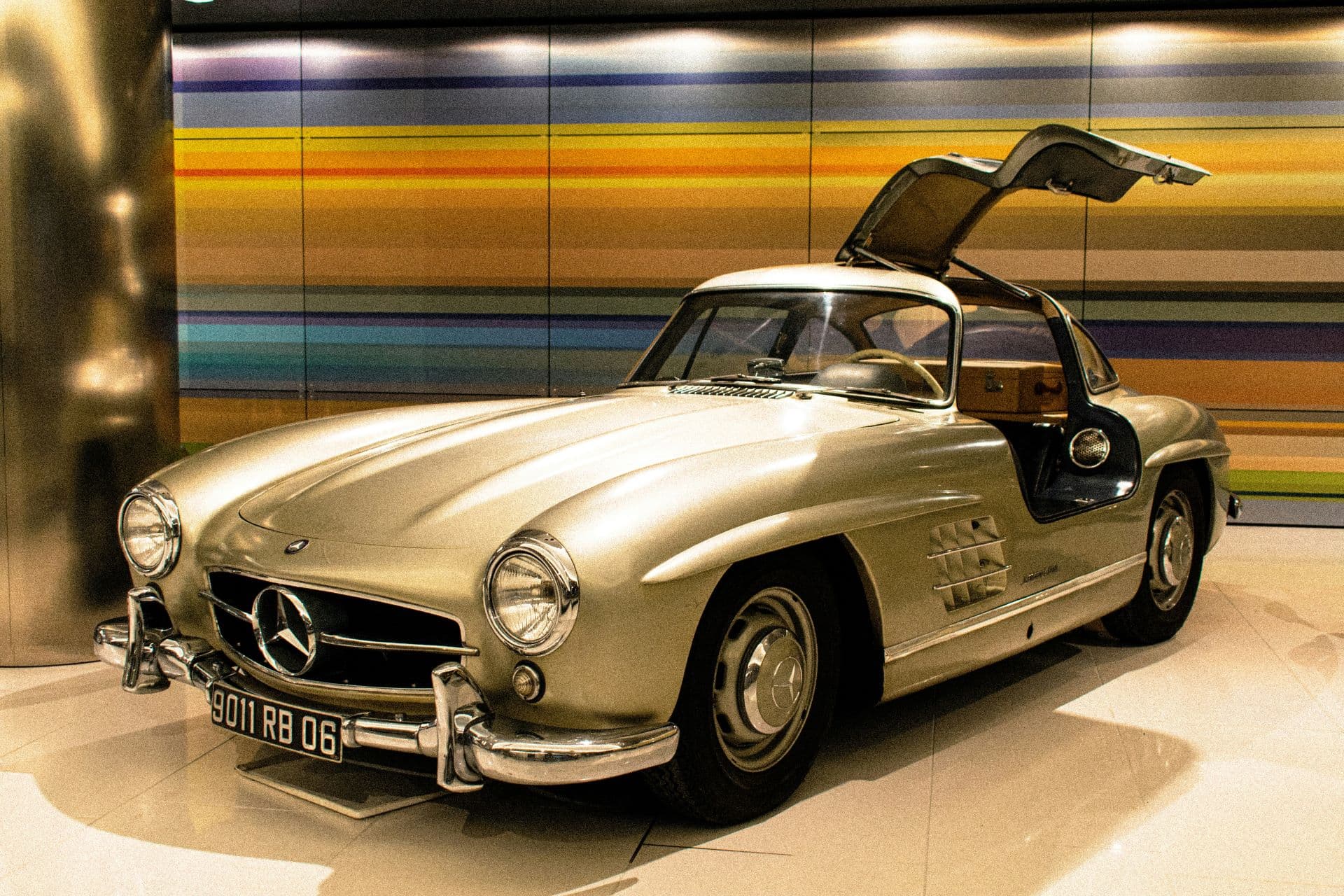
Take, for example, Mercedes-BenzÔÇÖs long-standing tagline: "The Best or Nothing." This isn't about torque or fuel economy; itÔÇÖs a direct appeal to ambition, exclusivity, and a desire for personal validation. Similarly, JeepÔÇÖs ÔÇ£Go Anywhere, Do AnythingÔÇØ isnÔÇÖt just about off-road capabilityÔÇöitÔÇÖs about a lifestyle of freedom and adventure.
Emotional Engineering: Tapping into Feelings, Not Facts
Studies in consumer behaviour consistently show that emotions drive buying decisions more than rational thought. Car manufacturers understand this well, and their advertising reflects it.
Consider VolvoÔÇÖs pivot in the past decade. Once known primarily for safety, the brand has increasingly embraced emotional storytellingÔÇöhighlighting family bonds, quiet luxury, and Scandinavian values. The vehicles become vessels for emotional journeys, not just physical ones.
Emotional appeals in car ads typically fall into a few categories:
Even practical cars like the Toyota Corolla or Ford Focus use emotionally charged languageÔÇöfocusing on reliability, peace of mind, or family life. The goal is to create an emotional bridge between brand and buyer.
Aspirational Marketing: Building Ladders to the Dream
Aspiration is central to car marketing. People often buy not the car they need, but the car that aligns with the person they want to become.
This aspirational pull is especially powerful in economies with rising middle classes. In emerging markets like South Africa, India, and parts of Southeast Asia, car ownership isnÔÇÖt just about mobilityÔÇöitÔÇÖs a milestone of success.
Car ads in these regions often feature glossy depictions of urban affluence, upward mobility, and familial pride. Western markets are not immune to this eitherÔÇöjust look at CadillacÔÇÖs 2024 campaign, which frames luxury not as an elite privilege but as an earned reward for hustle and ambition.
Advertising plays a crucial role in normalising these aspirations. Entry-level models are presented with styling, features, and messaging that borrow heavily from luxury segmentsÔÇöseducing buyers into ÔÇ£affordable exclusivity.ÔÇØ
The Role of Cultural Archetypes and Gender Norms
Car ads have long leaned on archetypal figures to communicate identity: the rugged outdoorsman in a truck ad, the polished executive in a German saloon, the carefree young woman in a compact city car. These figures serve as shortcuts, helping consumers see themselvesÔÇöor who they aspire to beÔÇöreflected in the product.
However, changing social dynamics are challenging these tropes. In recent years, brands have had to reconsider how they represent gender, race, and family in their campaigns.
For example, AudiÔÇÖs progressive ad series in Scandinavia highlighted same-sex parents and non-traditional family structures, while FordÔÇÖs ÔÇ£Built PhenomenallyÔÇØ campaign in the U.S. celebrated women of colour in fields like medicine and engineering. These ads are still selling carsÔÇöbut theyÔÇÖre also selling cultural relevance.
Behavioural Nudges and Cognitive Biases in Car Advertising
Beyond emotion and aspiration, many car ads also rely on subtle psychological nudges and cognitive biases:
These strategies are increasingly data-driven. With the rise of programmatic advertising and AI, automakers can tailor not just the message, but its timing, tone, and platformÔÇöoptimising for each segment of their audience.
Green Marketing and the Rise of Ethical Persuasion
As environmental consciousness grows, automakers are recalibrating their messages. But this shift is more than a change in contentÔÇöit's a change in ethos.
Early electric vehicle ads focused heavily on specsÔÇörange, battery life, or charging infrastructure. But as the market matures, advertising has become more emotionally intelligent. Brands like Polestar and Hyundai now frame EV ownership as a moral and lifestyle choiceÔÇöless about compromise, more about progress.
Still, greenwashing remains a concern. Consumers are increasingly sceptical of vague ÔÇ£eco-friendlyÔÇØ claims. Effective green advertising must be specific, transparent, and authenticÔÇöbacked by verifiable commitments.
This shift requires a new kind of psychological finesse. Marketers must balance consumer desire for comfort and status with their growing sense of environmental responsibility. The most successful ads make these goals feel aligned, not at odds.
Digital Disruption: From TV Spots to TikTok
Traditional car advertisingÔÇöTV spots, glossy print, billboardsÔÇöis no longer the default. The battleground has shifted to digital, where attention is fragmented and brand loyalty is fragile.
Younger buyers, especially Gen Z, are wary of overt salesmanship. They favour authenticity, peer reviews, and social engagement. In this context, advertising becomes less about monologue and more about dialogue.
Enter influencer marketing. A YouTube review from a trusted car enthusiast can wield more influence than a multimillion-dollar campaign. TikTok trends, Instagram reels, and Reddit forums are all part of the new psychological toolkit.
This shift has opened doors for niche brands and EV startups to punch above their weight. Brands like Rivian, BYD, and NIO have built awareness through agile, digital-native strategiesÔÇöleveraging community, transparency, and storytelling to attract loyal followings.
The Power of Sound, Colour, and Design Cues
ItÔÇÖs not just what you sayÔÇöitÔÇÖs how you say it. The visual and sonic language of car advertising plays a significant role in shaping perceptions.
These elements donÔÇÖt merely enhance aesthetic appealÔÇöthey prime the viewerÔÇÖs expectations before a single word is spoken.
Tribalism and Brand Loyalty
Much like sports teams, car brands inspire fierce loyalty. Jeep owners wave at each other. BMW drivers scoff at Audi drivers. Tesla fans defend Elon Musk like heÔÇÖs family.
This tribalism is cultivated through years of consistent messaging, design language, and customer experience. Advertisements reinforce the tribeÔÇöhighlighting shared values, rituals, and lexicons.
For example, MINI ads often playfully poke at larger SUVs, reinforcing the brandÔÇÖs quirky underdog identity. SubaruÔÇÖs U.S. campaigns lean heavily into community, outdoor lifestyle, and LGBTQ+ supportÔÇöturning owners into brand evangelists.
Marketers understand that maintaining brand loyalty isnÔÇÖt just about repeat purchasesÔÇöitÔÇÖs about creating a sense of belonging. When people wear their car brand on a cap or a jacket, advertising has done its job.
Looking Forward: The Next Chapter in Automotive Messaging
As autonomous driving, ride-sharing, and mobility-as-a-service redefine what car ownership means, advertisers will need to evolve their messaging.
The psychology will shift from possession to experience. From performance to productivity. From horsepower to software updates. In this context, the car becomes less a product and more a serviceÔÇöinviting new advertising models focused on subscriptions, app ecosystems, and modularity.
At the same time, rising AI capabilities will allow hyper-personalised campaignsÔÇöads tailored not just to demographics but to individual behaviour, search history, even driving style. While this raises privacy concerns, it also opens the door to truly responsive marketing.
Yet amid all this innovation, one truth will remain constant: the best car ads donÔÇÖt just sell transport. They sell transformation. A better version of you, just around the bend.
Driving Desires, Not Just Decisions
In the automotive world, advertising is both mirror and magnifying glass. It reflects societal values while amplifying individual desires. Behind every compelling campaign lies a psychological calculusÔÇödrawing on our need to belong, to stand out, to feel safe, and to dream.
As consumers evolve, so too must the messages. But whether selling V8-powered icons or silent EVs, the goal remains the same: to connect. To ignite something within. And to make the decision feel like destiny, not deliberation.
Because at the end of the day, weÔÇÖre not just buying carsÔÇöweÔÇÖre buying stories. And the best car ads make sure those stories feel like our own.
Breyten Odendaal
Specializing in high-performance automotive advertising and digital marketing solutions, delivering cutting-edge insights and the latest news shaping the automotive industry in South Africa.
More From Advertising

Automotive Advertising in 2026: Selling Confidence in a More Competitive Market
As South Africa’s vehicle market becomes more competitive, automotive advertising needs to do more than announce a price or specification. It needs to help buyers understand value, ownership costs and why a vehicle suits their lives.

Automotive Digital Ads in South Africa: A Shift
Exploring how South Africa’s automotive advertising evolved from print and broadcast to data-driven, programmatic digital ecosystems.

The Video Shift in Car Buying Decisions in SA
Explore how video content shapes car purchase decisions in South Africa, comparing short-form and long-form strategies for automotive marketers.